The Environmental and Health Revolution of Plant Based Pet Food and the Future of Sustainable Animal Care


The global pet food industry is currently undergoing a paradigm shift as researchers, veterinarians, and pet owners grapple with the dual challenges of environmental sustainability and a rising tide of companion animal health issues. Andrew Knight, a veterinary professor of animal welfare affiliated with Murdoch University, Griffith University, and the University of Winchester, characterizes this movement as the most neglected yet potentially beneficial area within the environmental sector. With more than 528 million dogs and 476 million cats worldwide, the transition from traditional meat-based diets to nutritionally complete plant-based alternatives represents a significant opportunity to mitigate the ecological impact of domestic animals while addressing a burgeoning obesity crisis in pets.
The Environmental Pawprint of Traditional Pet Food
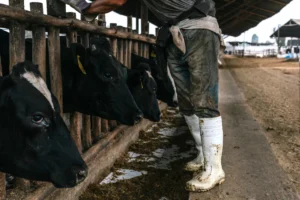
The environmental cost of feeding domestic animals has long been obscured by the "upcycling" narrative. Proponents of traditional meat-based pet food often argue that the industry utilizes byproducts—such as blood, bones, and organs—that are unfit for human consumption, thereby reducing waste. However, contemporary analysis suggests this perspective is increasingly outdated. Approximately 50 percent of the ingredients in modern pet food are produced specifically for animal consumption, rather than being salvaged from the human food chain. Furthermore, many animal byproducts are now processed into ingredients for human food or industrial applications, creating a competitive market that maintains high demand for livestock production.
Research indicates that dog and cat food in the United States alone is responsible for approximately 64 million tons of carbon dioxide emissions annually. This figure is equivalent to the greenhouse gas output of 14 million passenger vehicles. On a broader scale, pet food accounts for an estimated 25 percent of the total environmental footprint of the U.S. meat industry. This impact includes not only greenhouse gas emissions but also significant land use, water consumption, and terrestrial acidification. As pet owners increasingly opt for "premium" or "human-grade" meat, fish, and poultry for their companions, the competition for resources between humans and pets intensifies, further straining global food systems.
Nutritional Science and the Omnivore-Carnivore Divide
The feasibility of plant-based diets depends heavily on the biological requirements of the species in question. Dogs, classified as omnivores, possess the physiological capacity to thrive on a variety of food sources, provided the nutrient profile is balanced. In contrast, cats are obligate carnivores, requiring specific nutrients like taurine, arachidonic acid, and Vitamin A that are naturally found in animal tissues.
Despite these biological constraints, recent studies have shown surprisingly positive outcomes for dogs on plant-based diets. A study led by Kelly Swanson, director of the Nutritional Science Division at the University of Illinois, Urbana-Champaign, found that vegan dog food can be formulated to be nutritionally complete. The research highlighted a beneficial shift in gut microbiota among dogs fed plant-based diets. These dogs exhibited higher levels of bacteria responsible for fermenting fibers and carbohydrates, leading to the production of metabolites that support the gut barrier function and limit the growth of pathogens.
Professor Swanson notes that fiber fermentation products aid in nutrient absorption and promote satiety, which is critical in a landscape where nearly 60 percent of U.S. cats and dogs are classified as overweight or obese. Obesity in pets is a primary driver of secondary health complications, including cardiovascular disease, hypertension, musculoskeletal issues, and certain types of cancer.
Health Outcomes and Longevity Trends
The transition to plant-based diets has also been linked to a reduction in common canine ailments. According to Professor Knight, animal-sourced allergens are responsible for approximately 80 percent of dietary sensitivities in pets. By eliminating these triggers, owners often report a decrease in itchy skin, ear infections, and gastrointestinal distress.
Quantitative data supports these anecdotal reports. Research conducted by Knight found that dogs on a vegan diet were 26 percent less likely to suffer from common health disorders compared to those on conventional meat-based diets. Perhaps most strikingly, a study from the University of Guelph suggested that dogs maintained on plant-based diets lived an average of 1.5 years longer than their meat-eating counterparts.
Matthew Halteman, a philosophy professor at Calvin University, shared a similar experience with his late bulldog, Gus. While acknowledging the anecdotal nature of the observation, Halteman noted that Gus lived to be 12 years old—nearly double the average lifespan for the breed—a feat he attributes largely to a carefully managed vegan diet. However, experts caution that these diets must be "nutritionally complete" to avoid deficiencies. For cats, the transition is more complex and often requires synthetic supplementation to meet their strict physiological needs. Swanson specifically advises against plant-based diets for younger animals in rapid growth phases, as well as for sick or geriatric animals with fluctuating nutritional requirements.
Comparative Environmental Metrics
When analyzing the potential for global change, the statistics are profound. Food accounts for approximately 90 percent of a dog’s total carbon footprint. Switching a single dog to a vegan diet can reduce its greenhouse gas emissions by an estimated 37 percent.
Professor Knight posits that if the entire global dog population transitioned to plant-based diets, the greenhouse gas savings would equal 1.5 times the total emissions of the United Kingdom. Such a shift would also liberate a land area larger than Mexico, which could then be utilized for reforestation, biodiversity restoration, and carbon sequestration. Furthermore, the freshwater savings would be immense, and the agricultural resources diverted from livestock feed to human-direct crops could theoretically feed an additional 449 million people—a population larger than that of the European Union.
However, the environmental analysis is not without nuance. Some studies suggest that certain vegan ingredients, such as potatoes, sorghum, and specific pea proteins, may have higher impacts on freshwater pollution and land use than certain meat-based byproducts. This highlights the necessity for "nutritionally sound" and "environmentally optimized" formulations rather than simply removing meat.
Ethical Frameworks and the "Proteinmaxxing" Challenge
Beyond health and ecology, the rise of vegan pet food is deeply rooted in ethics. For many pet owners, there is a moral dissonance in loving one animal while contributing to the industrial slaughter of others to feed it. Matthew Halteman argues that vegan pet food allows consumers to expand their "moral imagination," questioning whether they can care for a companion without harming other sentient beings.
This ethical evolution faces a significant cultural hurdle: the human trend of "proteinmaxxing." In contemporary diet culture, high protein intake is often viewed as the ultimate marker of health, with "protein" frequently being treated as synonymous with "meat." This cultural bias spills over into the pet industry, where owners assume that more meat necessarily equals a healthier pet. Halteman points out that the focus should not be on the source of the protein, but on the bioavailability and amino acid profile of the food.
Market Evolution and Consumer Adoption
The pet food industry is responding to these shifting values with a surge of innovation. Brands such as Wild Earth, Virtuous Vittles, and Just Be Kind are leading the market in providing plant-based kibble and wet food that meet Association of American Feed Control Officials (AAFCO) standards. Global surveys indicate that 43 percent of pet guardians are open to more sustainable, plant-based options, provided they do not compromise their pet’s health.
Veterinary experts recommend a pragmatic approach to this transition. Rather than an immediate overhaul, a gradual transition over several weeks is advised to allow the animal’s digestive system to adapt. Owners are encouraged to monitor body weight and energy levels closely and to use natural flavor enhancers like nutritional yeast or vegetable oils to ensure palatability.
Conclusion and Future Implications
The movement toward plant-based pet food represents a critical intersection of veterinary science, environmental policy, and consumer ethics. While the "environmental pawprint" of the pet food industry is substantial, the data suggests that even a partial shift toward plant-based ingredients can yield significant benefits.
As Professor Knight emphasizes, the goal is not necessarily "vegan purity" but a collective effort to reduce the strain on the planet’s resources. By addressing the nutritional needs of pets through more efficient, plant-derived means, society can improve animal longevity, reduce the prevalence of obesity-related diseases, and contribute to global climate goals. The future of the "meat bowl" is increasingly green, driven by a growing understanding that the health of our companions is inextricably linked to the health of the planet.