
Instant Pot Vegetable Broth

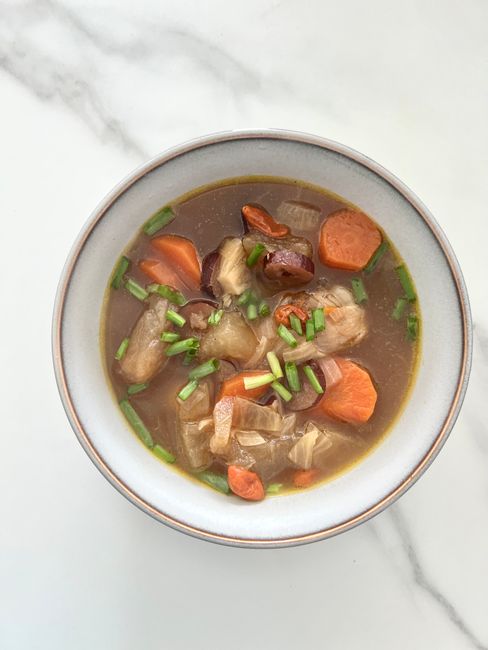
Instant Pot Vegetable Broth: A Comprehensive Guide to Flavorful, Waste-Reducing Stock
Creating a rich, flavorful vegetable broth from scratch is surprisingly simple, and the Instant Pot revolutionizes the process, transforming what could be a hours-long simmer into a swift, hands-off operation. This guide provides a deep dive into crafting the best Instant Pot vegetable broth, covering ingredient selection, optimal cooking times and pressures, customization tips, storage solutions, and troubleshooting, all designed to empower you to create a pantry staple that elevates your cooking and minimizes food waste.
The foundation of any exceptional vegetable broth lies in its ingredients. While virtually any vegetable scraps can contribute, a strategic selection ensures a balanced and robust flavor profile. The core components for a classic vegetable broth include aromatics and foundational vegetables. Onions, whether yellow, white, or red, are non-negotiable. Their pungent sweetness caramelizes under pressure, releasing complex sugars that add depth. Garlic, with its signature bite, becomes mellow and savory when cooked. Celery provides a subtle, earthy backbone and a slight saltiness. Carrots contribute sweetness and a beautiful golden hue, though avoid overly sweet varieties like baby carrots in large quantities, as they can overpower the savory notes. Leeks, especially the green tops which are often discarded, offer a milder, more refined onion flavor.
Beyond these staples, consider incorporating "flavor boosters" that add complexity and specific nuances. Mushroom stems and trimmings, for instance, are packed with umami, lending a deeply savory, almost meaty character. Dried mushrooms, like shiitake or porcini, offer an even more concentrated punch of this desirable flavor. Tomato scraps, such as cores and peels, add a subtle acidity and a touch of sweetness that brightens the broth. Bell pepper cores and seeds, while often removed for aesthetic reasons, contribute a mild vegetal essence. Parsley stems, frequently relegated to the compost bin, infuse a fresh, herbaceous quality that is surprisingly potent in broth.
It’s equally important to understand which vegetables to avoid or use sparingly. Cruciferous vegetables like broccoli, cauliflower, Brussels sprouts, and cabbage can impart a sulfurous, sometimes bitter, or even soapy flavor to broth, especially when cooked under pressure. While small amounts might be acceptable, it’s generally best to exclude them or use them very judiciously. Starchy vegetables like potatoes can cloud the broth, making it opaque and less appealing for certain applications. Excessive amounts of very sweet vegetables, like corn cobs or sweet potato peels, can lead to an overly sweet broth. Finally, be mindful of any vegetables that have gone bad or are moldy; these will negatively impact the flavor and safety of your broth.
The beauty of Instant Pot vegetable broth lies in its adaptability. You can create a base broth and then customize it for specific culinary needs. For an Italian-inspired broth, add a sprig of rosemary, a bay leaf, and a few peppercorns. For a more Asian-inspired broth, consider ginger slices, star anise, and a piece of dried kombu (use kombu sparingly as it can become bitter if overcooked). A "clean out the fridge" broth is an excellent way to utilize odds and ends, but always keep the general guidelines for flavor balance in mind. The goal is to create a versatile foundation, not an overwhelming flavor profile.
Preparing your ingredients for the Instant Pot is straightforward. Wash all vegetables thoroughly to remove any dirt or debris. Chop larger vegetables into roughly uniform, manageable pieces. This isn’t about uniformity for appearance; it’s about maximizing surface area for flavor extraction and ensuring even cooking. There’s no need for precise cuts. If using onion skins, ensure they are clean, as they contribute a beautiful golden color. If using garlic cloves, leave them unpeeled; the skins add flavor and color and are easily strained out later. For tougher stems, like those from kale or chard, a quick chop is sufficient.
The ratio of vegetables to water is crucial for achieving a concentrated flavor. A common starting point is to fill the Instant Pot with vegetables until it’s about two-thirds full, then cover with water, leaving at least an inch of headspace to prevent the pot from overfilling. Too much water will result in a diluted broth, while too little will lead to an overly intense, potentially bitter flavor. The exact volume of water will depend on the size of your Instant Pot and the density of your vegetable packed contents.
Once your vegetables and water are in the Instant Pot, it’s time to set the cooking parameters. For most vegetable broths, the high-pressure setting is ideal. A cooking time of 30-60 minutes on high pressure is generally sufficient to extract maximum flavor from the vegetables. Some sources suggest longer cooking times, but for vegetable broth in an Instant Pot, this is often unnecessary and can potentially lead to over-extraction of bitter compounds. The key is to find the sweet spot where flavor is maximized without compromising taste.
After the cooking cycle is complete, allow for a natural pressure release (NPR) for at least 15-20 minutes, followed by a quick release (QR) for any remaining pressure. Natural release allows the flavors to continue to meld and the vegetables to break down further, contributing to a richer broth. Rushing the pressure release can lead to a less developed flavor.
The straining process is critical for a clear, refined broth. Once the pressure has been fully released, carefully open the Instant Pot lid. Line a fine-mesh sieve with cheesecloth for an even clearer result, especially if you’ve used a variety of vegetable scraps. Place the sieve over a large bowl or heatproof container. Slowly pour the contents of the Instant Pot through the sieve, allowing the liquid to drain. Gently press down on the solids with the back of a spoon to extract any remaining liquid, but avoid over-mashing the vegetables, which can cloud the broth. Discard the strained vegetable solids; while they’ve given their all for the broth, they are typically too mushy for further culinary use.
The resulting broth should be a beautiful, flavorful liquid. Allow it to cool completely before storing. Proper cooling is essential to prevent bacterial growth. Once cooled, you can store your Instant Pot vegetable broth in airtight containers in the refrigerator for up to 5 days, or in the freezer for up to 6 months. For convenient portioning, consider freezing the broth in ice cube trays or silicone muffin molds. Once frozen, transfer the cubes to a freezer bag or container. This allows you to easily add single-serving portions of flavorful broth to your cooking as needed.
Troubleshooting common issues can ensure a consistently excellent broth. If your broth tastes bland, it might be due to insufficient vegetables, too much water, or an insufficient cooking time. Next time, increase the amount of vegetables, reduce the water, or extend the cooking time slightly. If the broth is bitter, you likely used too many cruciferous vegetables, overcooked it for too long, or didn’t strain it properly, allowing small particles to remain. Avoid these ingredients in large quantities and ensure thorough straining. A cloudy broth is usually a result of over-mashing the vegetables during straining or the presence of starchy vegetables. Be gentle during straining and avoid starchy additions.
The versatility of homemade Instant Pot vegetable broth is a primary advantage. It serves as the liquid base for countless dishes, significantly enhancing their flavor profile. Use it in soups and stews, risottos, paellas, sauces, gravies, and for cooking grains like rice and quinoa. Replacing water with vegetable broth in these applications adds a layer of savory depth that is difficult to achieve otherwise. It’s also a fantastic option for anyone looking to reduce their sodium intake, as homemade broth allows you complete control over the salt content.
Beyond the immediate culinary benefits, making your own vegetable broth from scratch is a powerful act of food waste reduction. Those onion peels, carrot tops, celery ends, and mushroom stems that would typically be discarded can be transformed into a valuable ingredient, significantly reducing your household’s environmental impact. This practice aligns with sustainable living principles and promotes a more conscious approach to food consumption.
The Instant Pot’s pressure cooking capabilities are particularly advantageous for broth making. The high pressure forces liquid into the vegetable cells more efficiently, extracting flavor compounds at a faster rate than traditional simmering. This translates to a significantly reduced cooking time without sacrificing depth of flavor. The sealed environment also traps aromatic compounds, leading to a more intensely flavored broth. The hands-off nature of the Instant Pot frees you up to attend to other culinary tasks, making broth preparation less of a commitment.
To further enhance the flavor and complexity of your vegetable broth, consider roasting some of your harder vegetables, such as onions, carrots, and celery, before adding them to the Instant Pot. Roasting caramelizes the natural sugars in these vegetables, intensifying their sweetness and adding a depth of flavor that raw vegetables cannot provide. Simply toss the chopped vegetables with a little oil and roast them in the oven at around 400°F (200°C) until they are lightly browned and tender before adding them to the pot with your other scraps and water.
Another advanced technique for an even richer broth involves a double-extraction method. After cooking your initial batch of vegetables, strain them and then return the strained vegetables to the Instant Pot with a fresh batch of water. Cook this second batch for a shorter period, perhaps 15-20 minutes on high pressure, to extract any remaining flavor. Combine the liquid from both extractions for an exceptionally robust broth. This method is particularly useful if you have a large quantity of vegetable scraps and want to maximize flavor extraction.
The sheer economics of making your own vegetable broth are also compelling. Pre-made broths, especially those with high-quality ingredients and low sodium content, can be expensive. By utilizing vegetable scraps that would otherwise be thrown away, you are essentially creating a free, nutrient-rich ingredient that can significantly reduce your grocery bill. This makes Instant Pot vegetable broth not only a culinary and environmental win but also a financial one.
The journey of creating Instant Pot vegetable broth is a continuous learning process, an invitation to experiment and discover your preferred flavor profiles. By understanding the fundamental principles of ingredient selection, cooking times, and straining techniques, you can confidently produce a versatile, flavorful, and sustainable ingredient that will elevate your home cooking to new heights. The ease and efficiency of the Instant Pot make this a truly accessible and rewarding culinary endeavor.


