The culinary landscape of the 21st century has seen a significant shift toward ingredient-conscious baking, with a marked increase in the demand for gluten-free alternatives that do not sacrifice texture or flavor. Among the most popular iterations of this trend is the "Monster Cookie," a confection traditionally defined by its uninhibited use of pantry staples such as peanut butter, rolled oats, and various chocolate-based add-ins. Recent developments in home baking techniques have streamlined the creation of these cookies, moving away from complex flour-based doughs toward a simplified, one-bowl, flourless method that relies on the structural integrity of proteins found in eggs and the emulsification properties of commercial creamy peanut butter.
Origins and Evolution of the Monster Cookie Concept
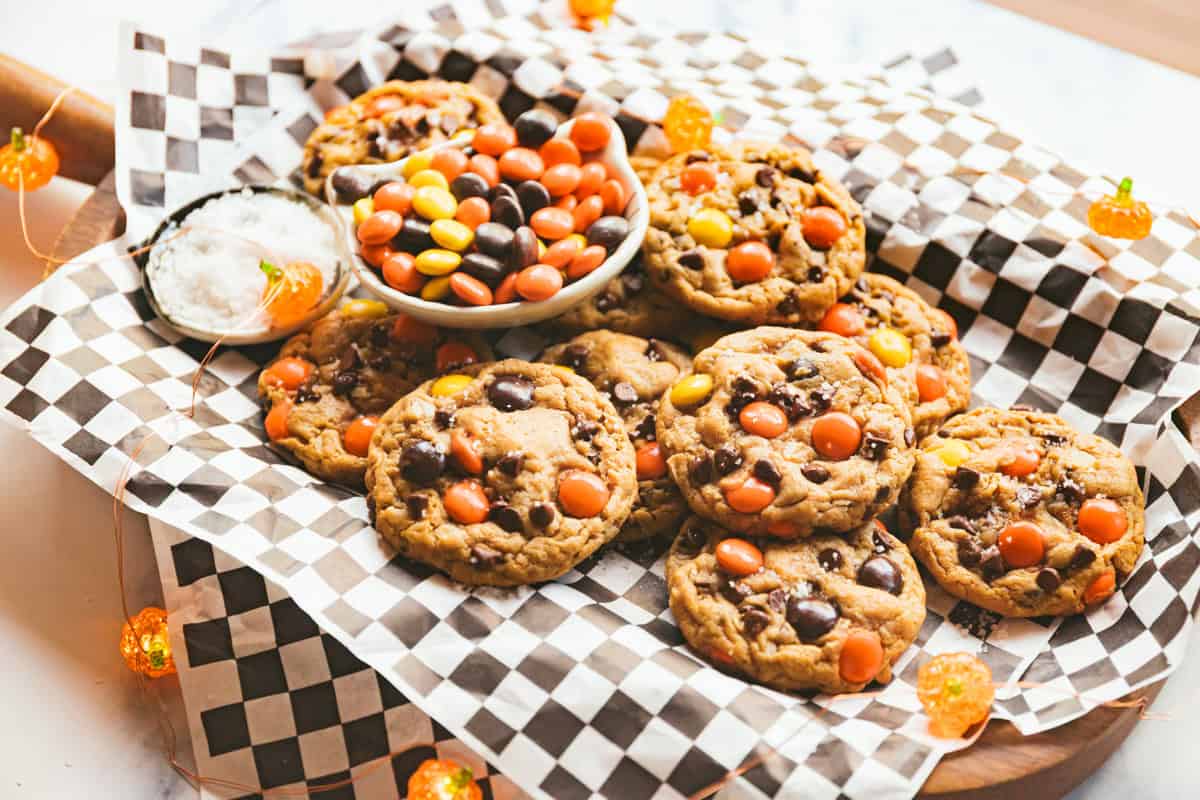
While the exact provenance of the "Monster Cookie" remains a subject of debate among culinary historians, the term generally denotes a cookie of significant "abundance." Unlike traditional cookies that rely on a base of all-purpose wheat flour for structure, the monster cookie derives its form from the binding agents of eggs and the high-fat content of processed peanut butter. The "monster" moniker is not a reference to a specific aesthetic or a spooky theme—though they are frequently marketed during the autumn season—but rather to the sheer volume of inclusions.
The evolution of the recipe has tracked with broader trends in American snack food consumption. In the mid-to-late 20th century, these cookies were popularized as a method for utilizing leftover candies, specifically sugar-coated chocolates like M&M’s or peanut-based confections like Reese’s Pieces. By the early 2020s, the recipe had been refined to prioritize the "chewy center" profile, which requires precise oven management and the omission of wheat flour to prevent the development of gluten, which can often result in a tougher, drier crumb.

Technical Composition and Ingredient Analysis
The scientific foundation of the modern flourless monster cookie is rooted in the interplay between moisture and fat. Culinary experts emphasize that the selection of peanut butter is the most critical variable in the recipe. Conventional brands such as Jif or Skippy are frequently recommended over natural, oil-separating varieties. This is because conventional peanut butter contains stabilizers—typically hydrogenated vegetable oils—that prevent the separation of solids and liquids, ensuring that the cookie maintains a uniform, stable structure throughout the baking process.
The ingredient list is functionally categorized into binders, sweeteners, and structural elements:

- Binding Agents: Whole eggs provide the necessary protein structure to hold the oatmeal and heavy inclusions together.
- Sweeteners: A hybrid approach using both light brown sugar and granulated sugar is employed. The brown sugar introduces molasses content, which contributes to the moisture levels necessary for a chewy center, while the granulated sugar facilitates the caramelization process, resulting in crisp, golden-brown edges.
- Structural Oats: Old-fashioned rolled oats serve as the primary bulk ingredient. Unlike quick-cooking oats, which can turn into a paste, rolled oats retain their integrity, providing the "hearty" mouthfeel associated with high-quality artisanal cookies.
- Chemical Leavening: A precise measure of baking soda is utilized to encourage a slight spread and lift, preventing the cookies from becoming too dense.
- Flavor Balancing: Kosher salt is essential for moderating the high sugar content and intensifying the savory notes of the peanut butter, while a final dusting of flaky sea salt has become a standard professional finish.
Chronology of the Preparation Process
Achieving the ideal texture in a flourless environment requires adherence to a specific procedural timeline. Professional bakers suggest that the process begins with the whisking of eggs until they reach a frothy consistency, which aerates the mixture and ensures a lighter crumb. The incorporation of peanut butter and sugars follows, requiring a transition from a whisk to a sturdy spatula as the viscosity of the dough increases.
Once the oats, leavening, and salt are added, the dough must undergo a "rest period." This phase, typically lasting 20 to 30 minutes at room temperature or under refrigeration, is vital. During this time, the oats hydrate by absorbing moisture from the eggs and sugars. This absorption prevents the oats from becoming overly crunchy and ensures that the final product possesses a consistent, chewy bite.

The baking phase is equally time-sensitive. Standard industry testing indicates that 10 to 12 minutes at a moderate temperature is sufficient for the edges to set. A common point of failure for home bakers is over-baking; the cookies should appear underdone in the center upon removal from the oven. The carry-over heat from the baking sheet completes the cooking process, a principle known as residual heat conduction.
Market Context and Consumer Implications
The rise of the flourless monster cookie is not merely a hobbyist trend but a reflection of the broader "free-from" food movement. Data from the global bakery market indicates that the gluten-free sector is expected to grow at a compound annual growth rate (CAGR) of over 9% through 2030. Recipes that are inherently gluten-free—rather than those that rely on expensive or complex gluten-free flour blends—have gained significant traction in both home kitchens and boutique bakeries.

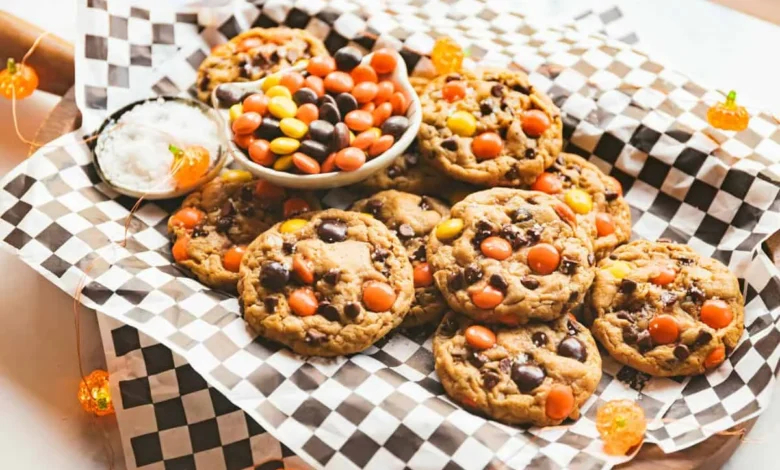
The versatility of the monster cookie is a significant factor in its longevity. Because the core dough is neutral in its presentation, it functions as a "blank canvas." By modifying the color palette of the candies used—using red and green for the winter holidays, orange and black for October, or pastel colors for spring—bakers can adapt a single recipe for virtually any retail or social event. This inherent flexibility reduces the need for multiple, specialized recipes, appealing to consumers looking for efficient, multipurpose baking solutions.
Nutritional and Dietary Considerations
While these cookies are technically gluten-free (provided that certified gluten-free oats are utilized), they remain a high-calorie, high-fat food item. The caloric density of peanut butter, combined with the sugar content and chocolate inclusions, places these cookies firmly in the category of occasional treats. For individuals managing glycemic responses, the presence of rolled oats offers a slightly higher fiber content than refined flour-based cookies, though the overall sugar load remains a significant consideration.

Dietary analysts note that for households with mixed dietary requirements, the "naturally" gluten-free nature of the monster cookie offers a distinct advantage over "modified" recipes. Because it does not rely on xanthan gum or complex binders to mimic the elasticity of gluten, the taste and texture are indistinguishable from traditional, wheat-based recipes, thereby reducing the "stigma" often associated with gluten-free alternatives.
Future Projections for Home Baking
The industry is currently seeing a trend toward "re-simplification." After years of increasingly complex sourdough techniques and elaborate pastry arts, there is a renewed interest in "one-bowl" recipes that minimize cleanup and maximize time efficiency. The flourless monster cookie represents the pinnacle of this shift: it requires minimal equipment, utilizes shelf-stable ingredients, and provides a high degree of success for bakers of all skill levels.

Furthermore, the environmental impact of such recipes is increasingly being scrutinized. By utilizing pantry staples and avoiding the need for specialty flours or exotic additives, this style of baking aligns with a growing consumer preference for sustainable, low-waste kitchen practices. As we look toward the future of home baking, it is highly probable that the demand for "simple, structural, and versatile" recipes will continue to drive culinary innovation, with the classic monster cookie remaining a foundational element of the modern home baker’s repertoire.
Conclusion: The Lasting Appeal
The longevity of the monster cookie is a testament to the fact that, in the culinary world, simplicity often yields the most satisfying results. By leveraging the natural properties of fats and proteins to replace the traditional structure provided by flour, this recipe offers a masterclass in efficient baking. Whether served at a community event, a holiday gathering, or enjoyed as a simple home-baked snack, the flourless monster cookie remains a perennial favorite, balancing the nostalgic flavors of childhood with the practical needs of the contemporary kitchen. Its ability to remain relevant across seasons and dietary trends ensures its place in the canon of classic American baked goods for the foreseeable future.