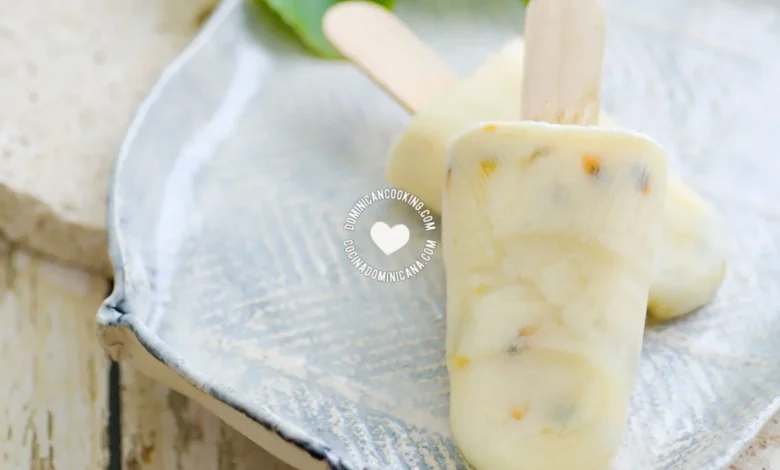
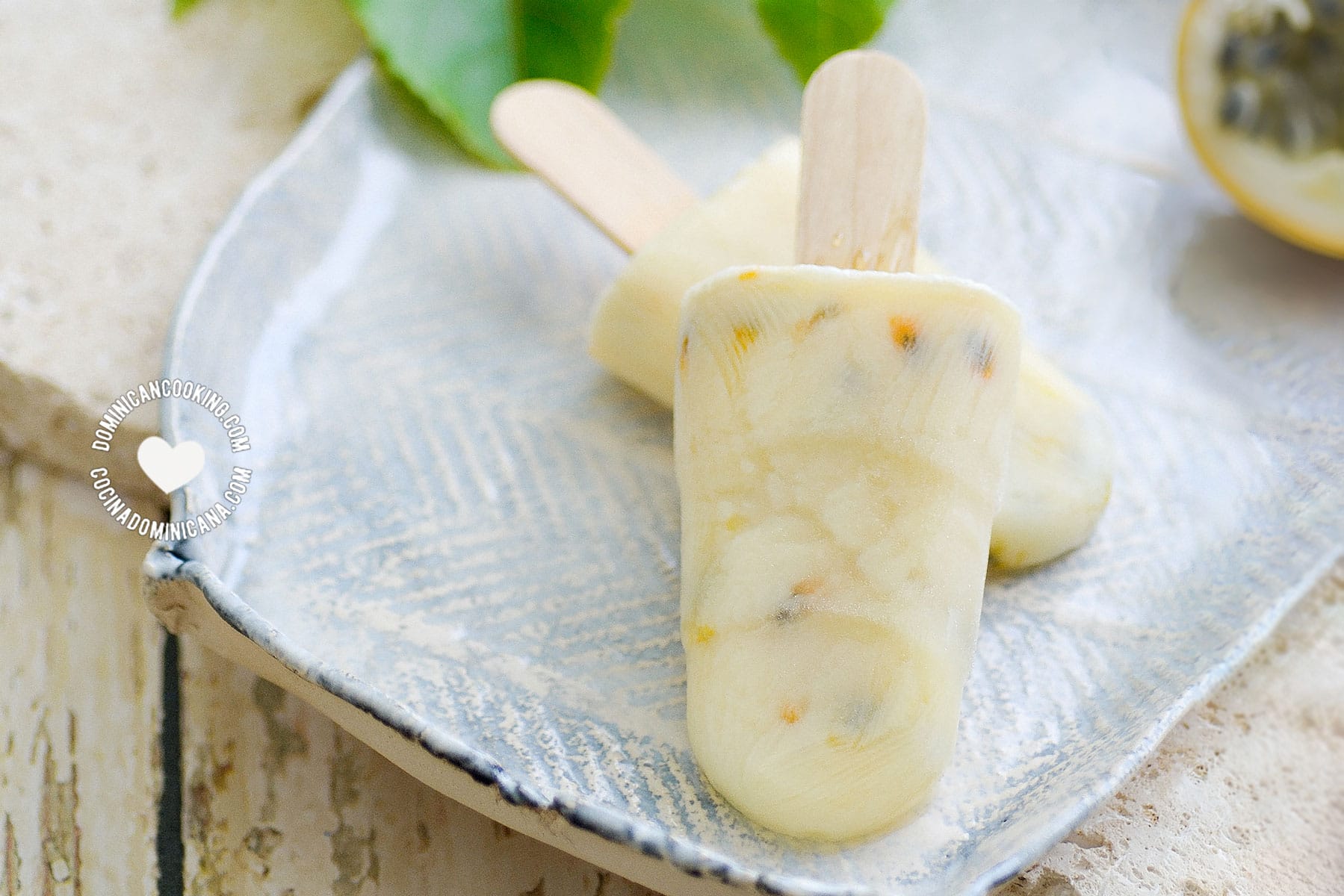
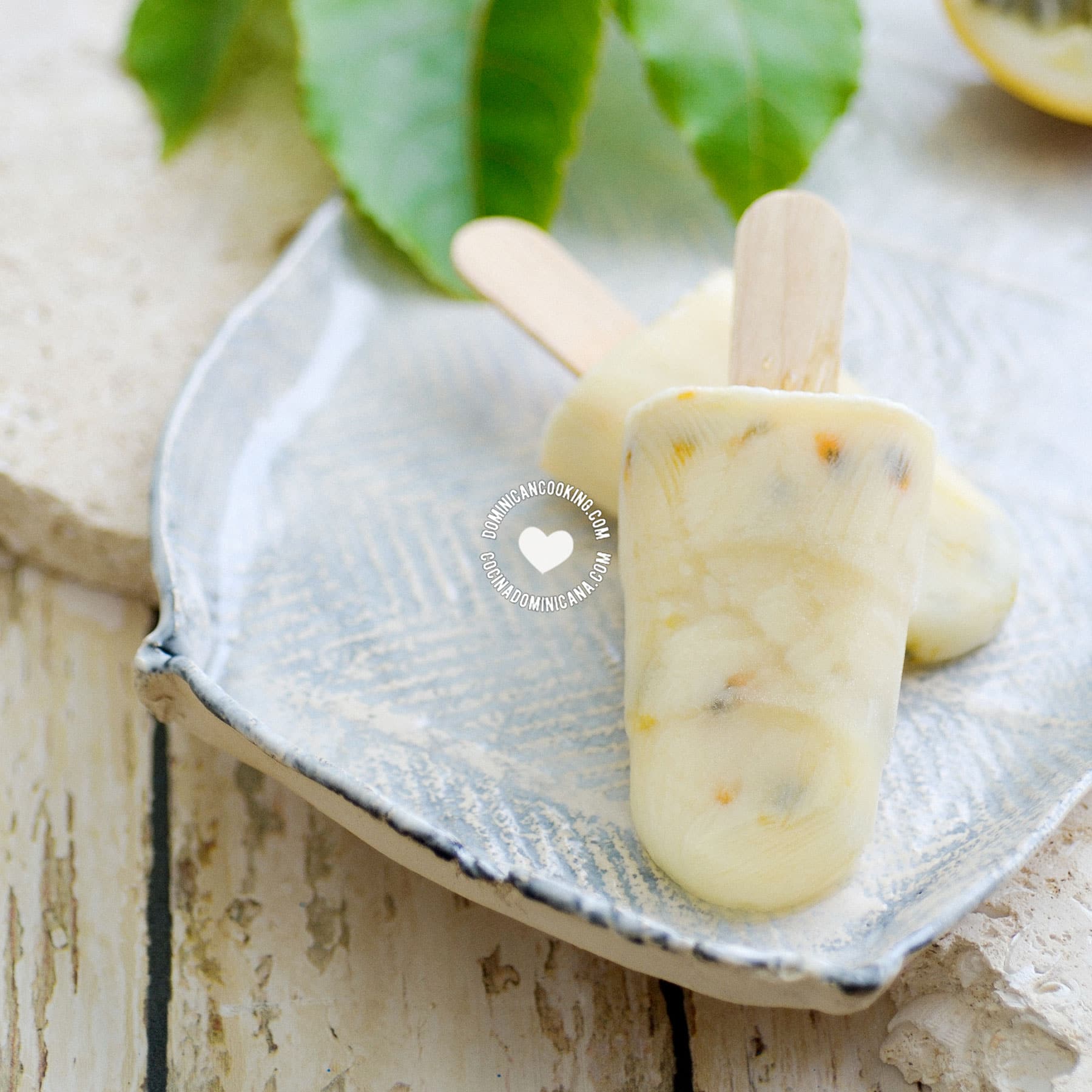
As summer temperatures reach record-high thresholds across the globe, culinary traditions that offer immediate relief from extreme heat are gaining renewed attention from both domestic home cooks and international food historians. Among the most innovative seasonal treats emerging from Caribbean culinary traditions is the Paleta Morir Soñando de Chinola, a sophisticated frozen adaptation of the iconic Dominican beverage Morir Soñando. Developed by culinary researcher and recipe creator Clara Gonzalez, this milk and passion fruit popsicle combines the creamy texture of traditional dairy-based treats with the vibrant, tropical acidity of passion fruit, offering a scientifically proven cooling effect designed to combat rising ambient temperatures.
Background Context and Culinary Evolution
The cultural roots of the Paleta Morir Soñando de Chinola trace back to the Dominican Republic’s ubiquitous national drink, Morir Soñando—which literally translates to "to die dreaming." Traditionally, this beverage is prepared by carefully combining chilled milk with fresh citrus juices, most commonly sweet orange, bitter orange, or lime. The delicate balance requires precise chemistry to prevent the dairy proteins from curdling upon contact with citrus acid, yielding a rich, frothy, and remarkably refreshing drink.
While orange juice remains the standard for the classic beverage, contemporary Latin American gastronomy has increasingly embraced alternative tropical fruits. Chinola—scientifically known as Passiflora edulis, and commonly referred to as passion fruit, maracuyá, or parchita—is technically classified botanically as a berry. However, its high concentration of natural organic acids mirrors the tart profile of traditional citrus fruits. By substituting standard orange juice with fresh chinola juice, culinary artisans have successfully bridged the gap between creamy comfort food and sharp, invigorating fruit acidity. This adaptation not only expands the culinary boundaries of traditional Dominican refreshment but also introduces international palates to the complex flavor profiles native to Caribbean agriculture.

Chronology and Recipe Development
The conceptualization and commercial standardization of gourmet paletas (artisanal popsicles) have evolved significantly over the past decade. Once considered simple street-vendor novelties made from frozen fruit purees and water, modern artisan paletas incorporate complex dairy bases, precise fat-to-sugar ratios, and structural freezing techniques to enhance mouthfeel and reduce rapid melting rates.
Gonzalez’s integration of the Morir Soñando flavor profile into a solid-form popsicle involved a rigorous testing timeline to resolve the fundamental chemical challenge of dairy-citrus reactivity.
- Phase One (Conceptualization): Identifying the structural parallels between liquid Morir Soñando and frozen novelty formats during periods of intense regional heatwaves.
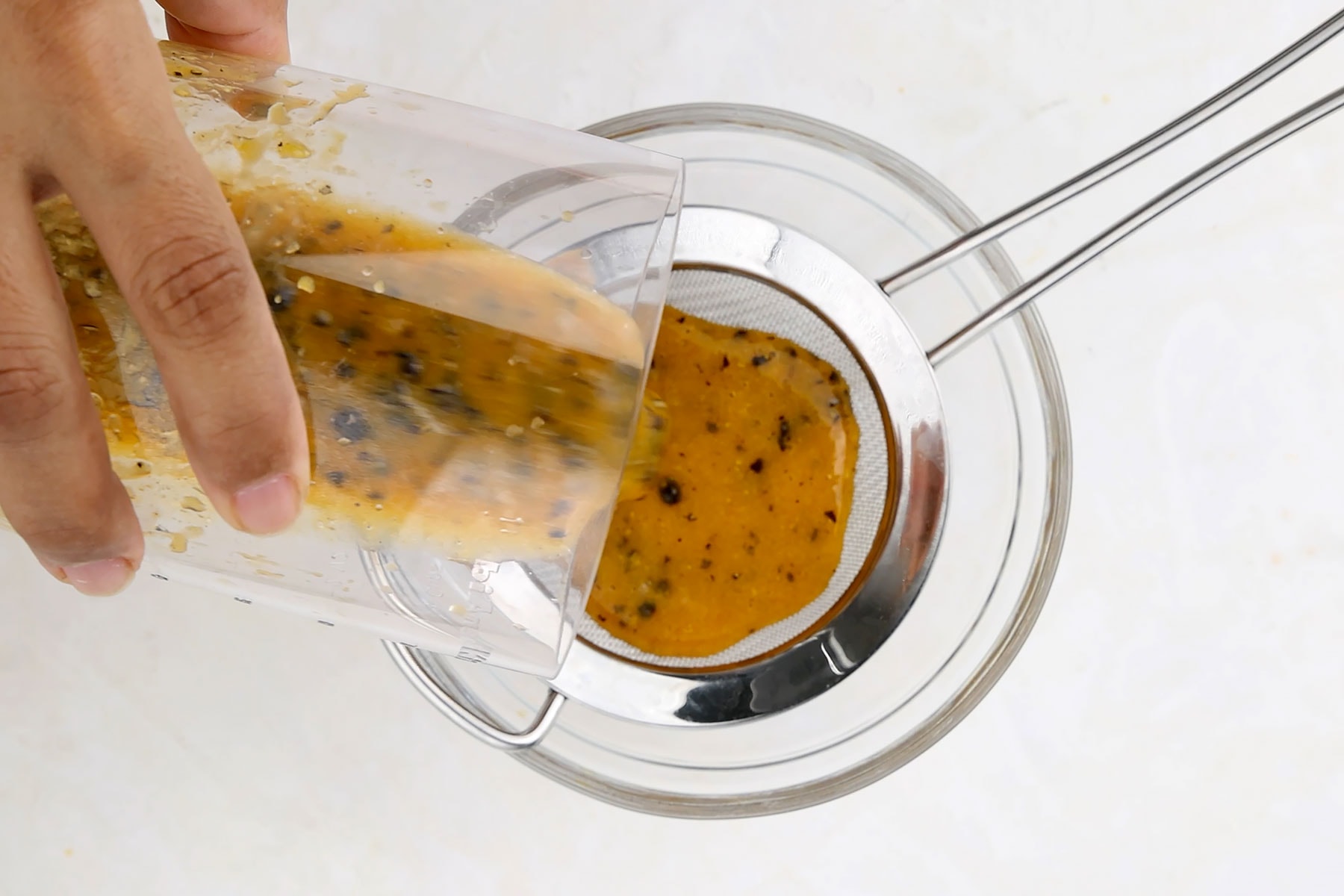
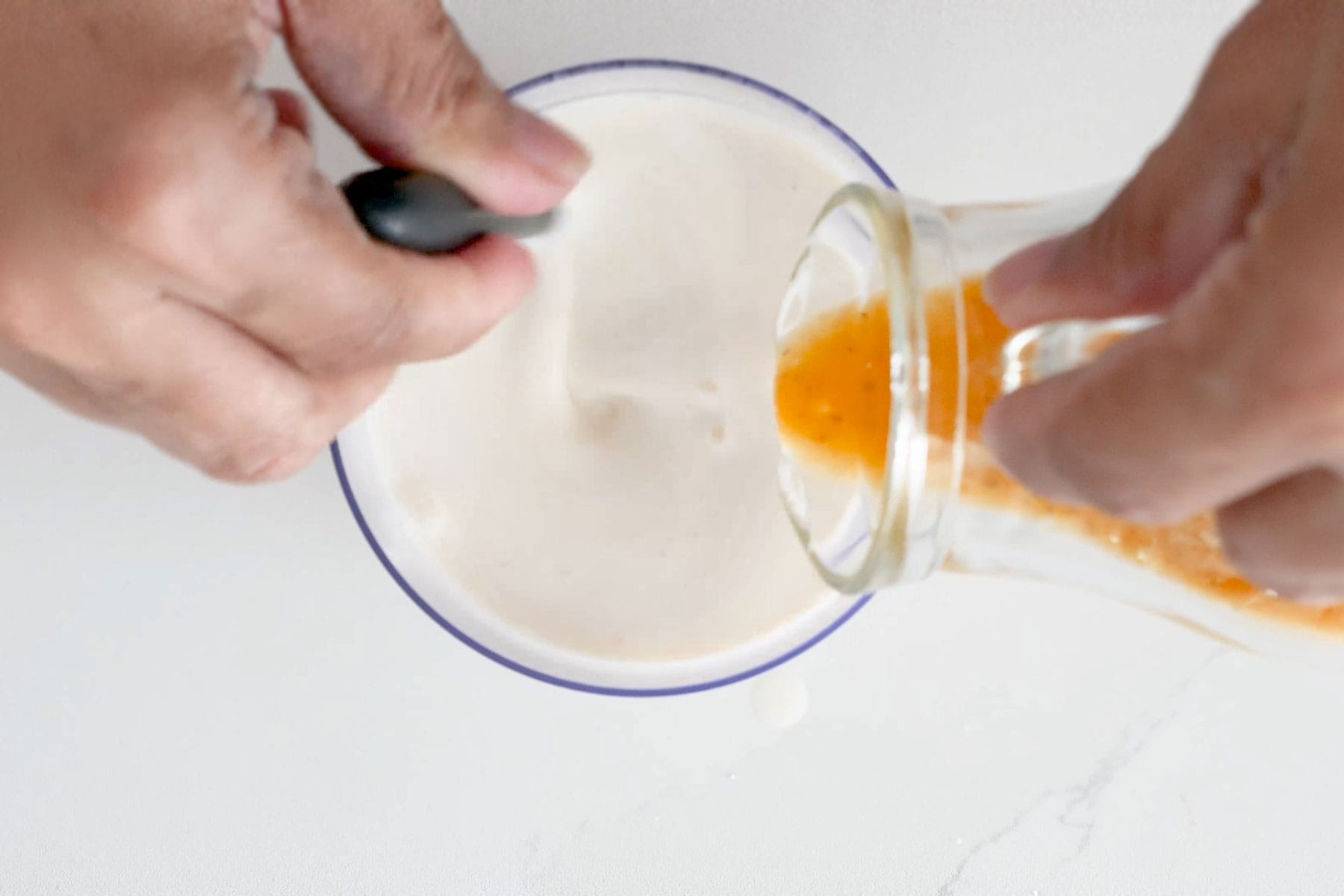
- Phase Two (Testing and Balancing): Adjusting the ratio of fresh passion fruit pulp, whole milk, and sweeteners to ensure the natural tartness of the chinola does not destabilize the milk emulsion during the pre-freezing chill phase.
- Phase Three (Execution): Establishing a standardized preparation window requiring approximately one hour and fifteen minutes of total active preparation and chilling time before structural freezing.
- Phase Four (Publication and Distribution): Launching the standardized recipe via digital culinary platforms to meet seasonal consumer demand for heat-mitigating functional foods.
Nutritional Profile and Dietary Composition
From a nutritional standpoint, artisanal dairy-and-fruit popsicles offer a distinct alternative to commercially manufactured, highly processed frozen novelties. According to standardized nutritional analysis based on a standard six-serving yield, each individual Paleta Morir Soñando de Chinola provides a controlled caloric and macronutrient intake suitable for summer consumption.
Each single-serving unit (approximate standard weight) contains roughly 211 kilocalories, driven primarily by natural carbohydrates totaling 49 grams, of which 44 grams consist of sugars sourced from both natural fruit components and added sweeteners. The inclusion of dairy contributes a modest 5 grams of protein and a low fat profile of just 1 gram, keeping saturated fat limited to 1 gram per serving. Furthermore, the incorporation of fresh passion fruit pulp introduces significant dietary fiber (approximately 4 grams per serving) and essential micronutrients, including vitamin C (11.8 mg), calcium (154 mg), potassium (328 mg), and vitamin A (750 IU). This balanced composition allows consumers to enjoy a nutrient-dense dessert that delivers functional hydration and electrolyte support during high-temperature conditions.
Industry Implications and Broader Culinary Impact
The rising popularity of specialized Caribbean frozen treats highlights a broader economic and cultural shift within the global food and beverage sector. As climate change drives prolonged heatwaves across North America and Europe, consumer demand for functional, cooling foods has surged. Culinary traditions from tropical regions—long accustomed to managing extreme ambient temperatures—are increasingly serving as blueprints for modern product development.
Food industry analysts note that the incorporation of distinct tropical ingredients like chinola into familiar formats such as popsicles facilitates cultural exchange and opens new export pathways for tropical agricultural producers. Passion fruit cultivation represents a vital economic sector in several Caribbean and Latin American nations. By promoting value-added recipes that utilize fresh fruit juices, culinary platforms help drive domestic and international demand for agricultural exports, benefiting local farmers and rural economies.
Furthermore, the adaptation of heritage recipes into accessible home-cooking formats ensures the preservation of culinary traditions for younger generations and international diasporas. As home cooks seek out verified, culturally authentic recipes that offer relief from seasonal heat, digital culinary archives play a critical role in documenting and sustaining these historical techniques.
Conclusion and Future Outlook
The Paleta Morir Soñando de Chinola stands as a testament to the adaptability and ingenuity of Caribbean cuisine. By successfully translating a complex, chemically delicate beverage into a stable, refreshing frozen format, culinary creators have provided a timely solution to modern climate challenges while honoring regional heritage. As consumer interest in diverse international flavors continues to grow, traditional fusion treats like the milk and passion fruit popsicle are well-positioned to remain staples of summer culinary culture worldwide.