
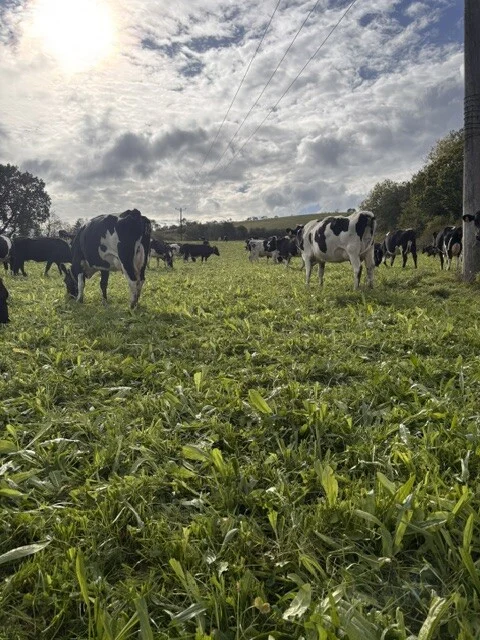
The contemporary perception of agriculture often struggles to reconcile the romanticized image of the pastoral landscape with the high-stakes, data-driven, and multifaceted industrial reality of modern food production. For the modern dairy farmer, the profession has evolved into a complex hybrid of biology, mechanical engineering, veterinary science, and public relations. This shift is particularly evident as the industry navigates a volatile climate, stringent regulatory health standards, and a growing consumer demand for transparency. By examining the daily operations of a typical organic dairy unit, one gains a clearer understanding of the logistical rigor required to maintain a sustainable food supply chain.
A Chronology of Operational Challenges
The month of October serves as a microcosm of the agricultural year, highlighting the precarious balance farmers maintain between biological rhythms and environmental unpredictability.
On October 7, the primary concern shifted toward nutritional management. As daylight hours dwindle and temperatures drop, grass growth rates fluctuate, necessitating a delicate balance between field availability and caloric intake. In dairy science, managing a "grass budget" is a precise exercise in inventory management; cows must consume a specific amount of dry matter to maintain milk yield, yet they lack the capacity to graze with the efficiency of a precision-fed automated system. This constant problem-solving is the hallmark of the industry, where biological variables require daily, if not hourly, adjustments.
By October 9, the farm reached a significant operational milestone: the successful completion of a bovine tuberculosis (TB) test. TB remains one of the most critical threats to the UK cattle industry, necessitating rigorous, mandatory testing protocols enforced by government veterinary agencies. The testing of over 600 animals is not merely a bureaucratic hurdle; it is a high-pressure logistical event. The coordination required to process hundreds of head of cattle—ensuring animal welfare, worker safety, and clinical accuracy—represents a major investment in labor and emotional energy. A "clear" result is not just a health status; it is an essential clearance that allows for the continued movement of stock and the maintenance of organic certification.
On October 12, the focus shifted from the farm gate to the public sphere. Participation in forums such as the New Scientist Live event underscores a growing trend: farmers are increasingly acting as ambassadors for their industry. As the public becomes more disconnected from the provenance of their food, the role of the farmer in providing empirical, evidence-based education regarding animal welfare and land stewardship has become a vital component of the job description.
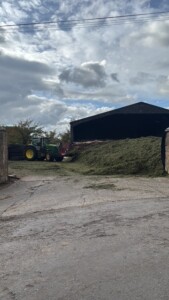
The culmination of the month’s physical labor occurred on October 18, with the completion of the silage harvest. Silage—fermented, high-moisture stored fodder—is the cornerstone of winter dairy feeding. Processing 300 acres requires an immense mobilization of machinery, fuel, and human capital. Given that the nutritional quality of winter milk depends almost entirely on the quality of the preserved summer forage, the harvest is a time-sensitive race against the British climate. The successful "pitting" of this forage marks the transition from the growth season to the winter maintenance phase.
The Science of Animal Welfare and Winter Housing
As October draws to a close, the focus turns to the transition to winter housing, a critical period for both animal health and environmental protection. Contrary to common misconceptions, housing is not a strategy of confinement but a necessity of land management. During the winter months, high rainfall levels in temperate climates can lead to "poaching"—the compaction and destruction of soil structure by livestock hooves. By housing cattle, farmers protect the soil’s carbon sequestration potential and drainage capacity.
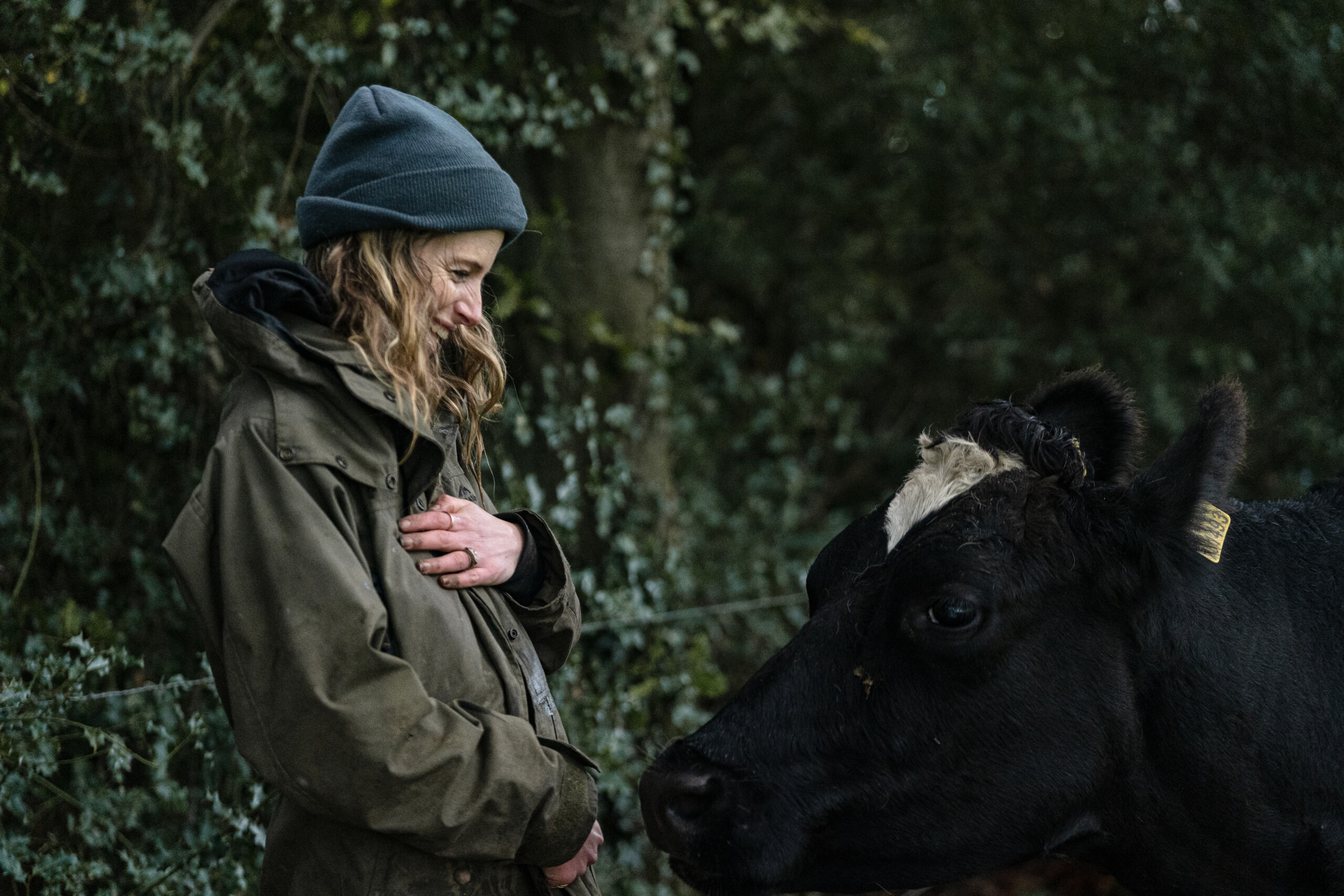
Inside the housing units, dairy cows are provided with cubicles, which serve as individual resting zones. Dairy science research consistently shows that providing comfortable, dry bedding is directly correlated with reduced mastitis rates and improved milk quality. Cows are, as noted, creatures of extreme habit. The internal layout of the barn, the timing of milking, and the consistency of the diet are designed to accommodate the bovine preference for routine. When cows deviate from their established patterns—such as changing their preferred sleeping cubicle or arriving at the parlor out of sequence—it often acts as a leading indicator of health issues, allowing farmers to intervene before a condition becomes systemic.
Supporting Data and Industry Context
The logistics described reflect broader trends within the agricultural sector. According to the Department for Environment, Food and Rural Affairs (DEFRA), the dairy industry remains one of the most significant sectors in British agriculture, contributing billions to the national economy. However, the operational overheads are rising.
- Animal Health Costs: The burden of mandatory disease testing, such as the aforementioned TB protocols, remains a primary expenditure for dairy units. The emotional and financial toll of a positive test result can be catastrophic for a family-run farm, often resulting in the culling of entire herds.
- Forage Economics: The rising cost of fertilizers and machinery fuel has made self-sufficiency in feed production—such as the 300-acre silage operation mentioned—essential for financial viability. Farmers who rely heavily on imported feed are increasingly vulnerable to global commodity price fluctuations.
- Public Engagement: Data from agricultural outreach programs suggests that consumer interest in the "farm-to-fork" journey has reached record highs. However, this interest is often met with misinformation regarding ethical standards. The proactive approach taken by modern farmers to invite the public into their processes is a strategic response to these knowledge gaps.
Broader Implications for Sustainable Food Systems
The daily cycle of a dairy farmer reveals a profound tension: the need to produce a high-demand, low-margin commodity while simultaneously acting as a custodian of the landscape. The transition toward organic practices, as seen in this diary, involves a greater reliance on natural nutrient cycling and preventative animal health measures.
The integration of technology, from weather forecasting tools that dictate harvest timing to the physiological monitoring of herd behavior, highlights the shift toward "Precision Agriculture." This data-driven approach is not merely about increasing yields; it is about efficiency. By optimizing the amount of feed, water, and space per animal, farmers can lower the carbon footprint per liter of milk produced.
Furthermore, the emphasis on soil health and the careful management of grazing land indicates that modern dairy farming is increasingly aligned with environmental conservation goals. The ability to manage the herd’s movement to promote biodiversity and prevent erosion is a specialized skill set that is rarely captured in the final price of a grocery-store milk carton.
Conclusion
The role of the farmer is no longer defined by a single set of skills. It is an amalgamation of animal husbandry, logistical management, environmental science, and education. As the industry moves into the winter months, the focus remains on the foundational elements of the trade: maintaining animal health, securing the food supply, and ensuring that the land remains productive for future seasons. The diary entries from October serve as a testament to the fact that while the methods of farming may evolve through technology and changing regulations, the core demand—the dedication to the welfare of the animal and the stewardship of the land—remains constant. The challenge moving forward lies in reconciling these operational realities with the broader socioeconomic demands of a public increasingly removed from the primary source of its nutrition.








0 Komentar
Sampaikan opini dan diskusi yang membangun dengan bahasa yang santun.
No Comments Yet
Be the first to share your thoughts on this story.