
The global pursuit of longevity has increasingly turned its focus toward the Mediterranean basin, a region long studied by epidemiologists, nutritionists, and public health officials for its remarkably high concentrations of centenarians and low rates of diet- and lifestyle-related chronic illnesses. While popular culture frequently reduces the Mediterranean phenomenon to a specific dietary prescription involving olive oil, fresh produce, and seafood, comprehensive scientific inquiry reveals a far more complex reality. True longevity in these communities is not merely a product of isolated nutritional choices, but rather a holistic ecosystem encompassing plant-heavy nutrition, organic everyday movement, profound social interconnectedness, and intentional rest.
As healthcare systems worldwide grapple with an epidemiological shift toward chronic conditions—such as cardiovascular disease, metabolic syndrome, and neurodegenerative disorders—public health researchers are taking a closer look at the multifaceted blueprint of traditional Mediterranean life. By examining the interplay of diet, community architecture, and physical activity, experts are identifying actionable paradigms that can be integrated into modern, fast-paced societies to combat the rising tide of age-related frailty and cognitive decline.
The Nutritional Science Behind the Mediterranean Diet
Tomato Risotto with Frizzled Red Onions
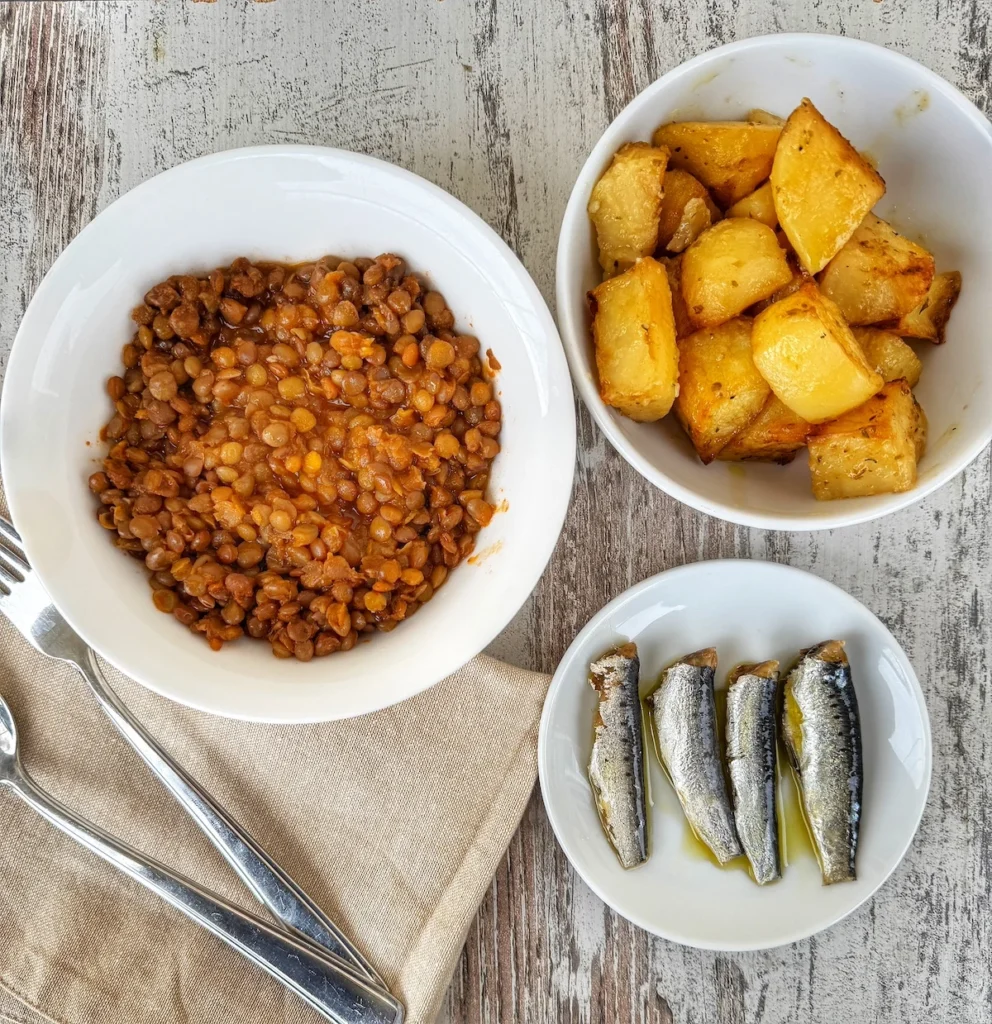
At the core of the longevity equation is one of the most thoroughly investigated dietary frameworks in modern medical history. The authentic Mediterranean diet is fundamentally plant-forward, diverging significantly from Western dietary patterns that prioritize animal protein and highly processed carbohydrates. Within traditional Mediterranean culinary traditions, vegetables, wild greens, legumes, whole grains, and fresh fruits frequently serve as the primary course rather than mere side dishes.
This dietary abundance provides a dense matrix of micronutrients and phytochemicals, most notably powerful antioxidants. Ingredients such as leafy greens, aromatic herbs, seasonal fruits, and extra virgin olive oil are rich in polyphenols and monounsaturated fats. These bioactive compounds play a critical role in mitigating oxidative stress and systemic inflammation, both of which are primary drivers of cellular aging and chronic pathology. Furthermore, regular consumption of fatty fish—such as sardines, mackerel, and anchovies—supplies essential omega-3 fatty acids, which support cardiovascular integrity and cognitive function.
Extensive clinical studies and longitudinal cohorts have consistently demonstrated that adherence to this dietary pattern significantly reduces the incidence of cardiovascular disease, type 2 diabetes, and certain forms of cancer. More recent neurological research underscores its protective effects against age-related cognitive decline, including Alzheimer’s disease and vascular dementia. By preserving neurovascular health and reducing systemic inflammation, the traditional Mediterranean diet promotes not just a longer lifespan, but a compressed period of morbidity, ensuring that advanced age is characterized by vitality rather than prolonged frailty.
The Architecture of Longevity: The Power of Social Connection
While the nutritional components of the Mediterranean lifestyle receive substantial scientific attention, sociologists and public health experts emphasize that human connection is an equally vital pillar of regional longevity. In many traditional Mediterranean societies, social cohesion is woven into the very fabric of daily existence, operating on a level that counteracts the modern epidemic of isolation and loneliness.
Research consistently correlates robust social networks with enhanced psychological well-being, reduced cortisol levels, and lower overall mortality rates. In communities across Greece, Southern Italy, and various Mediterranean islands, individuals maintain deep-seated ties not only within immediate and extended family units but also across the broader civic landscape. These bonds are frequently reinforced through shared cultural practices, religious institutions, and community organizations dedicated to collective goals.
Anthropologists frequently point to the concept of "third places"—environments distinct from home and the workplace where individuals gather to converse, unwind, and build mutual trust. In Mediterranean villages and urban neighborhoods, these spaces manifest as local coffee shops, traditional markets, open-air squares, and religious gathering sites. These accessible communal hubs foster a profound sense of belonging and mutual support, acting as a psychological buffer against life stressors and contributing significantly to the emotional resilience observed among older populations in these regions.
Organic Movement and the Elimination of Sedentary Habits
Physical activity in longevity hotspots rarely resembles the structured, often isolated routines of modern fitness centers, such as high-intensity interval training or treadmill running. Instead, physical exertion in traditional Mediterranean communities is organic, utilitarian, and woven seamlessly into the fabric of everyday life. This phenomenon, often described by public health researchers as "incidental" or "lifestyle" movement, ensures that physical activity is sustained across the entire lifespan without requiring conscious, strenuous intervention.
Daily routines in these regions typically involve a high volume of low-intensity, functional movement. Residents routinely walk to local markets, run household errands on foot, tend to gardens, harvest seasonal crops, and engage in rigorous manual housework. This continuous, low-impact activity helps maintain muscular strength, joint mobility, and cardiovascular endurance well into advanced age.
Maintaining physical mobility is of paramount importance for older adults. Mobility directly influences self-efficacy, independence, and the capacity for meaningful social interaction. When elderly individuals remain physically capable of navigating their environment independently, they are far more likely to participate in community life, maintain social ties, and experience a sustained sense of productivity and purpose. By eliminating prolonged bouts of sedentary behavior—a hallmark of contemporary office-bound societies—traditional Mediterranean lifestyles protect against sarcopenia, metabolic dysfunction, and functional decline.
Implications for Modern Public Health and Clinical Practice
As the global burden of chronic, non-communicable diseases continues to strain healthcare infrastructure, public health agencies are increasingly looking toward lifestyle medicine interventions inspired by traditional models. The convergence of nutritional science, sociological observation, and kinesiology in Mediterranean research offers a compelling framework for future health policy and clinical guidance.
Translating these insights into contemporary urban settings presents unique challenges, as modern infrastructure often encourages sedentary behavior, dietary reliance on ultra-processed foods, and social fragmentation. However, public health nutritionists and lifestyle medicine specialists argue that individuals can successfully adapt core principles of the Mediterranean lifestyle through deliberate environmental and behavioral modifications.
Strategic interventions include prioritizing whole, plant-based foods while reducing reliance on refined sugars and processed meats; incorporating functional, low-intensity movement into daily schedules, such as active commuting or gardening; and intentionally cultivating community ties by engaging with local groups, volunteering, or establishing regular social routines outside the workplace. Clinical trials and population health studies suggest that even incremental, sustainable shifts toward these traditional behaviors can yield measurable improvements in biomarkers of aging, metabolic health, and overall life expectancy.
Ultimately, the enduring lesson of the Mediterranean longevity model is that health is systemic and holistic. By recognizing the powerful synergy between nutrient-dense foods, purposeful daily movement, and deep interpersonal connections, modern societies can begin to redesign both personal habits and public environments to support longer, healthier, and more connected lives.









0 Komentar
Sampaikan opini dan diskusi yang membangun dengan bahasa yang santun.
Belum Ada Komentar
Jadilah yang pertama memberikan tanggapan mengenai berita ini.