
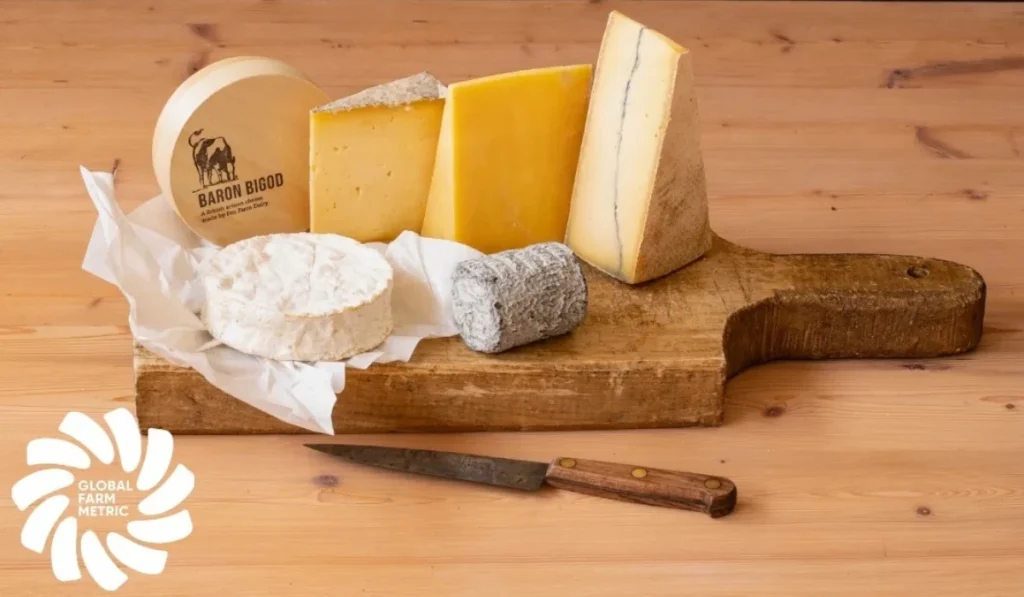
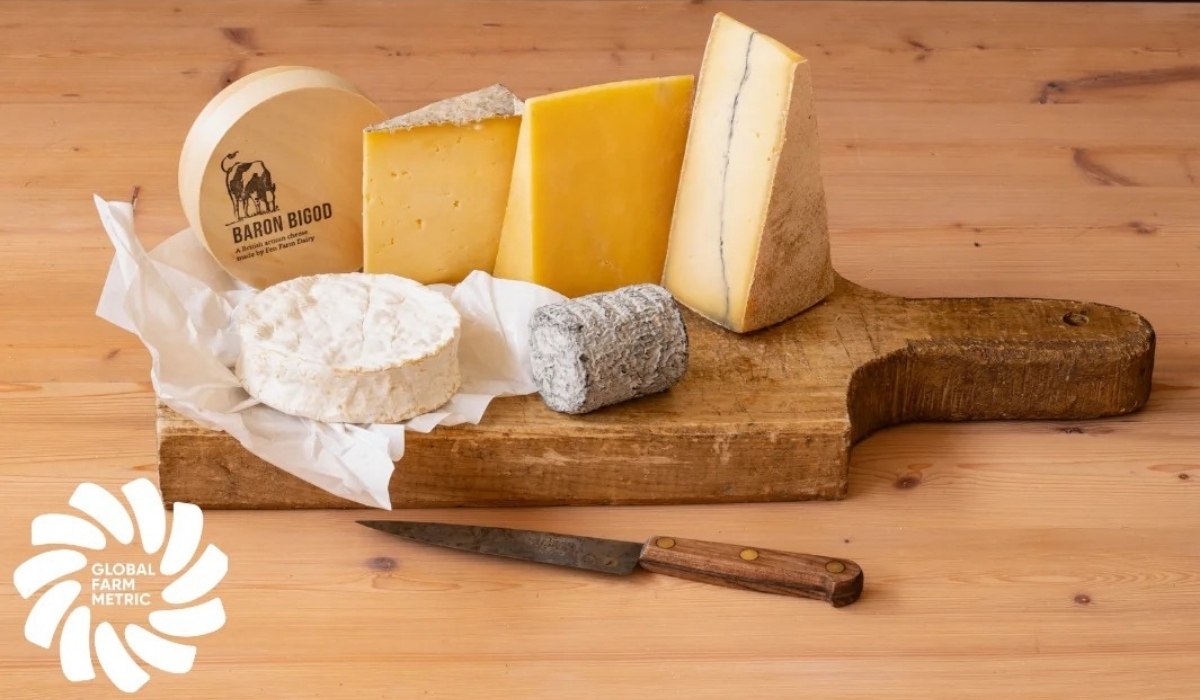
For nearly five decades, the reputation of Neal’s Yard Dairy (NYD) has been anchored in the sensory experience of artisanal cheese, prioritizing flavor profiles and the character of farmhouse production. However, as consumer expectations shift toward radical transparency and environmental accountability, the London-based supplier has embarked on a sophisticated, data-driven initiative to quantify the ecological and social footprint of its supply chain. By partnering with the Sustainable Food Trust (SFT), NYD has concluded a groundbreaking trial of the Global Farm Metric (GFM), an assessment framework designed to move beyond singular sustainability indicators toward a comprehensive, systems-based evaluation of agricultural practices.
The Evolution of Sustainable Procurement
The collaboration between NYD and the SFT originated from informal, long-term dialogues between NYD leadership and Patrick Holden, founder of the Sustainable Food Trust. These discussions, often held at Holden’s own farm in Wales, centered on a shared frustration with the industry’s tendency to reduce farm sustainability to isolated metrics—most commonly greenhouse gas (GHG) emissions or soil carbon levels.
By early 2025, this dialogue transitioned into a formal pilot project. NYD invited every farmhouse cheesemaker in its supply network—producers who manage their own livestock—to undergo the GFM assessment. The objective was to create a standardized yet nuanced baseline for understanding how these farms contribute to biodiversity, community resilience, and economic stability. Twelve cheesemakers committed to the process, dedicating months to granular data collection and collaborative feedback loops that helped refine the GFM framework itself.
The Global Farm Metric Framework
Unlike conventional sustainability audits, the GFM evaluates farming systems across twelve interconnected pillars. These include, but are not limited to, soil health, water management, animal welfare, public goods delivery, and socio-economic governance. The rationale for this approach is that a farm is an integrated ecosystem; for instance, the positive impact of a farm’s hedgerows on local biodiversity cannot be effectively measured without simultaneously considering the economic viability of the business that maintains them.
To ensure academic and practical rigor, the trial benefited from the expertise of Sara Hall, a farmer and PhD researcher at the University of Bristol. Hall’s involvement allowed for a more granular interpretation of the collected data, bridging the gap between raw figures and the practical realities of daily dairy management.
Chronology of the Trial
- 2023–2024: Conceptual development and alignment between NYD leadership and the SFT.
- Early 2025: Official invitation sent to NYD-affiliated farmhouse cheesemakers.
- Mid-2025: Twelve farms initiate the GFM assessment, working alongside the GFM team and researchers.
- Late 2025: Data synthesis and benchmarking against external control groups.
- Summer 2026: Launch of the Global Farm Metric cheese selection at NYD retail locations.
- September 2026: Expansion of the initiative via the "Cheese of the Month" series, featuring participant stories.
Data Analysis and Benchmarking
The trial yielded significant insights when compared against broader datasets. The GFM team compared the twelve participating farms against a control cohort of seventy-one mixed-use farms and a secondary University of Bristol study group consisting of twenty-two dairy farms.
The findings revealed that the NYD-affiliated producers generally outperformed the control groups in categories such as "Public Goods Delivery" and "Nature." While the results are encouraging, the project leadership cautioned against creating a "league table" of farmers. The data demonstrated that farming is inherently localized; a farm operating on marginal upland pastures requires different management strategies than one on lowland grassland. Consequently, the team found that numerical ranking often obscured the qualitative success of a farm’s specific environmental strategy.
Challenges in Communicating Sustainability
One of the most profound takeaways from the study was the realization that "sustainability" cannot be effectively communicated through a simplified score. When NYD surveyed its customer base, it found that while shoppers were deeply invested in the ethics of production, they were susceptible to the pitfalls of oversimplification.
NYD management noted that reducing complex farming data to a "high or low" score risked misrepresenting the reality of agricultural systems. Instead, they concluded that communicating sustainability requires "judgement as much as data." The project reinforced that a farm’s trajectory—its commitment to improving biodiversity or animal welfare over time—is as vital as its current statistical performance.
Implications for the Artisanal Food Industry
The implications of this study extend beyond the walls of the cheese shop. By attempting to quantify the "hidden" value of small-scale agriculture, NYD is providing a template for how retailers can interact with their supply chains. The trial proves that it is possible to gather rigorous data without imposing an undue administrative burden on small-scale producers.
In response to the trial’s findings, NYD has opted to streamline its future monitoring efforts. Rather than demanding exhaustive, recurring assessments, the company is now exploring the implementation of a few "genuinely meaningful" indicators that can track progress without exhausting the time of busy farmers. This pivot highlights a shift in industry philosophy: from data-collection-for-compliance toward data-driven stewardship.
Broader Impact and Consumer Engagement
To bridge the gap between complex metric data and the consumer experience, NYD has implemented a signposting system. Starting in the summer of 2026, customers visiting NYD’s physical and digital storefronts will see the GFM logo associated with participating cheesemakers. This branding serves as an entry point for deeper storytelling, allowing consumers to filter their purchases based on the trial participation of the farms.
The initiative has successfully fostered a culture of transparency, encouraging shoppers to engage with the stories behind their food. It has also empowered the cheesemakers themselves, providing them with a third-party, standardized analysis of their own operational strengths and vulnerabilities.
A New Standard for Retailer-Producer Relations
The partnership between Neal’s Yard Dairy and the Sustainable Food Trust represents a departure from traditional supply chain management. By treating the farm as a complex, living system rather than a factory producing a single commodity, they have established a precedent for how the food industry can address its most pressing ethical and ecological challenges.
As the retail sector faces mounting pressure to address climate change and habitat loss, the GFM trial suggests that the solution lies in a hybrid approach: using robust, multi-dimensional metrics to inform, but not replace, the nuanced human relationships that have long defined artisanal production. The project has not provided a panacea for the complexities of modern farming, but it has provided a vocabulary with which to discuss them honestly.
For the industry, the next phase will be the scaling of these metrics. If the GFM can be successfully applied to other sectors of food production—such as cereal grains or viticulture—it could offer a universal language for sustainable commerce. For now, Neal’s Yard Dairy continues to prioritize the integrity of the product, but with a new, evidence-based confidence in the health and vitality of the pastures from which their cheese originates. The journey, according to the team at NYD, is only beginning; the goal is to maintain the richness of the craft while ensuring that the farming systems of today can support the ecological stability of tomorrow.







0 Komentar
Sampaikan opini dan diskusi yang membangun dengan bahasa yang santun.
Belum Ada Komentar
Jadilah yang pertama memberikan tanggapan mengenai berita ini.