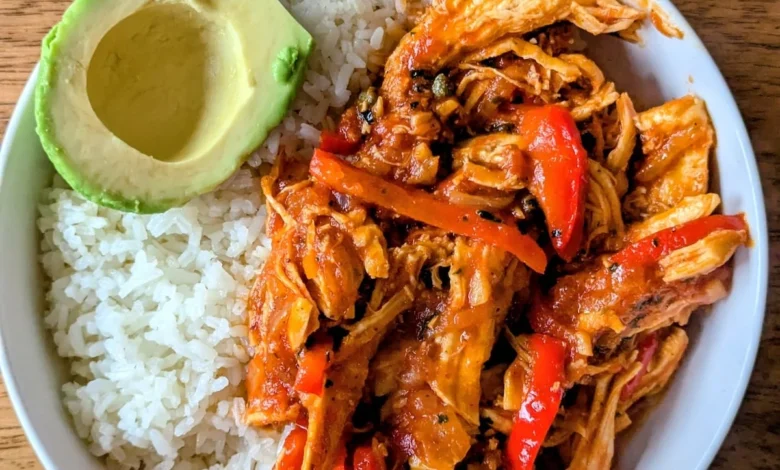
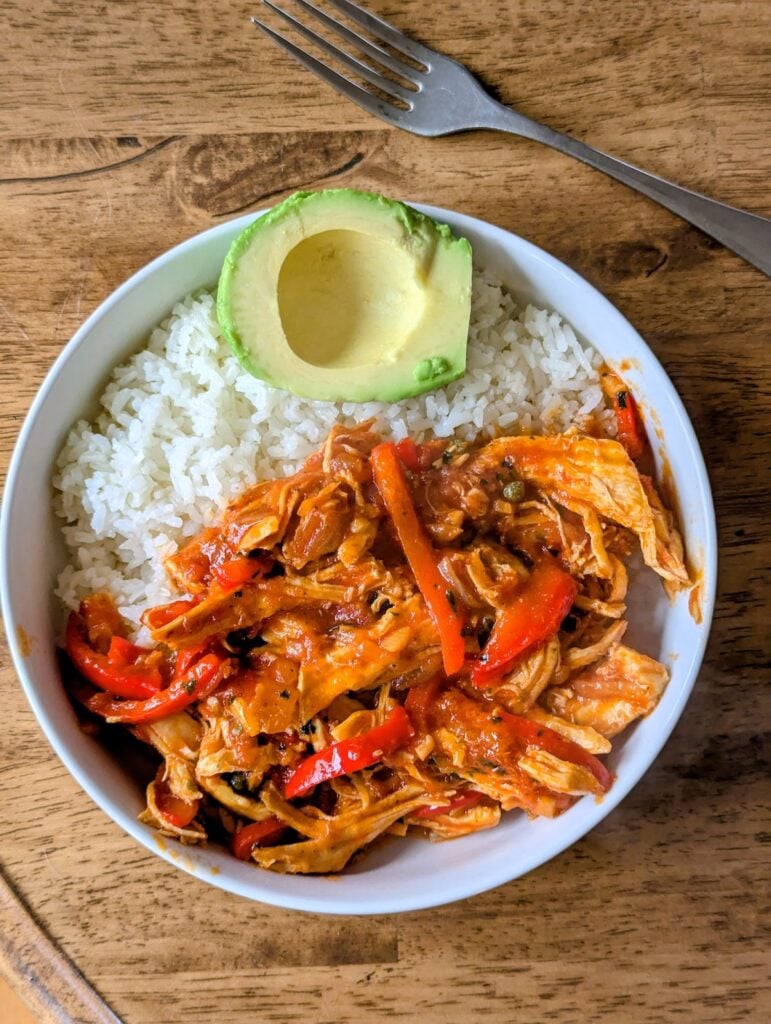
The traditional dish known as Ropa Vieja—a Spanish term literally translating to "old clothes"—has long served as a centerpiece of Caribbean and Latin American gastronomy. Historically, the dish is characterized by shredded flank steak slow-cooked in a vibrant, tomato-based sofrito. However, contemporary culinary shifts and a growing demand for efficiency in home kitchens have led to the popularization of a lighter, more time-efficient alternative: Chicken Ropa Vieja. This adaptation not only maintains the complex flavor profile of the original but also significantly reduces preparation time, addressing the needs of modern, time-constrained households.
The Historical Context of Ropa Vieja
The origins of Ropa Vieja are deeply rooted in Sephardic Jewish traditions in the Iberian Peninsula. Legend suggests that the dish was born from necessity, as impoverished families would shred leftover meats and simmer them with vegetables to create a hearty, stew-like meal. Over centuries, the recipe migrated to the Caribbean, particularly Cuba, where it became a national treasure. In Colombia and other parts of South America, the preparation evolved to reflect local agricultural staples, often incorporating ingredients like bell peppers, onions, tomatoes, and various regional spices.
The transition to chicken as the primary protein represents a significant departure from the classic beef-heavy tradition. While the foundational flavor profile—relying on the aromatics of garlic, cumin, and bell peppers—remains consistent, the use of chicken allows for a leaner macronutrient profile and a more accessible cooking process.
Comparative Analysis: Preparation and Efficiency
A key driver behind the adoption of the chicken variation is the stark difference in preparation logistics. Traditional beef Ropa Vieja often requires hours of simmering to break down the connective tissues in tough cuts of meat like flank or skirt steak to achieve the desired "shredded" texture.
In contrast, chicken breast or thigh meat offers a significantly faster cooking window. Data indicates that while beef versions can require upwards of three to four hours for proper tenderization, the chicken alternative can be brought to completion in under 60 minutes. This efficiency is increasingly vital for modern demographics, where the average time spent on meal preparation has declined due to professional and family-related pressures. The chicken-based iteration effectively bridges the gap between traditional culinary heritage and the realities of a fast-paced, 21st-century lifestyle.
Nutritional Profile and Dietary Implications
From a nutritional perspective, substituting beef with chicken provides a notable shift in caloric and fat intake. A standard serving of chicken Ropa Vieja typically contains approximately 227 calories, a figure that is generally lower than beef-based equivalents, which are often marbled with higher levels of saturated fat.
Nutritionists have noted that the inclusion of lean poultry, combined with the traditional base of peppers and onions, provides a balanced intake of essential vitamins and minerals, particularly Vitamin C and Vitamin A, derived from the bell peppers and tomato-based sauce. The dish is also inherently versatile; health-conscious consumers have begun pairing the shredded protein with non-traditional starches such as zucchini noodles, spaghetti squash, or cauliflower rice, further lowering the glycemic index of the meal.

Culinary Methodology: The Process
The preparation of Chicken Ropa Vieja follows a structured, two-phase process: the initial poaching or stewing of the poultry, followed by the integration of the flavor base.
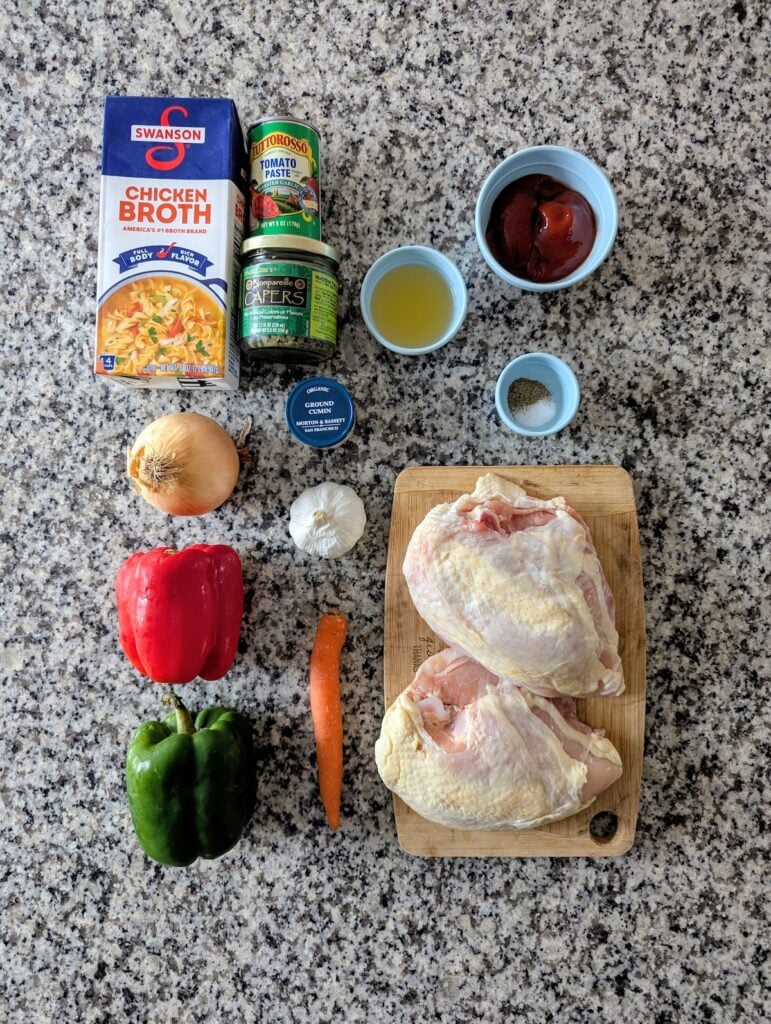
- The Poaching Phase: The chicken is simmered in water or broth until cooked through. This process ensures the meat remains succulent and retains enough moisture to be easily shredded.
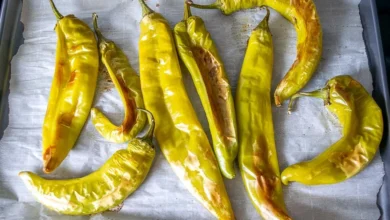
- The Sofrito Integration: The "soul" of the dish, the sofrito, is prepared by sautéing onions, garlic, and colorful bell peppers. These ingredients are foundational to Latin American cooking, providing a depth of flavor that is essential to the final product.
- The Emulsification: Once the chicken is shredded and added to the sofrito, it is allowed to simmer, allowing the fibers of the meat to absorb the liquid and seasonings, resulting in the characteristic "tattered" look that gives the dish its name.
Cultural and Economic Impact
The rise of such simplified versions of traditional dishes highlights a broader trend in global food consumption: the democratization of heritage recipes. By making these dishes more accessible through reduced cooking times and readily available ingredients, home cooks are more likely to pass down cultural traditions to the next generation.
Furthermore, the economic impact of shifting to chicken is not negligible. Chicken remains one of the most affordable and widely available protein sources globally, making the dish a staple for low-to-middle-income families who wish to maintain traditional diets without the higher costs associated with prime beef cuts.
Expert Perspectives on Culinary Modernization
Culinary historians observe that the "Chicken Ropa Vieja" phenomenon is not an erasure of tradition, but a continuation of it. Food anthropologist Dr. Elena Rodriguez notes, "The essence of Ropa Vieja has never been the specific type of protein, but the technique of slow-simmering and shredding meat within an aromatic, vegetable-rich base. By adapting the protein, home cooks are exercising the same ingenuity that created the dish in the first place: making the best of available resources to provide a nutritious, comforting meal."
Future Trends and Sustainability
As the global food landscape moves toward more sustainable practices, the trend toward poultry consumption is likely to persist. Poultry production generally carries a lower environmental footprint compared to cattle farming, which has seen increased scrutiny due to its high carbon and water usage. As consumers become more environmentally aware, dishes that prioritize chicken over beef are likely to see sustained interest and integration into mainstream cookbooks and digital media platforms.
Conclusion: A Legacy Reimagined
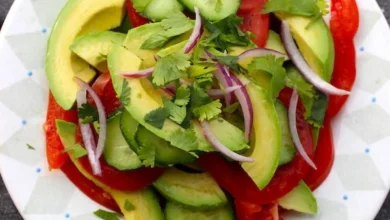
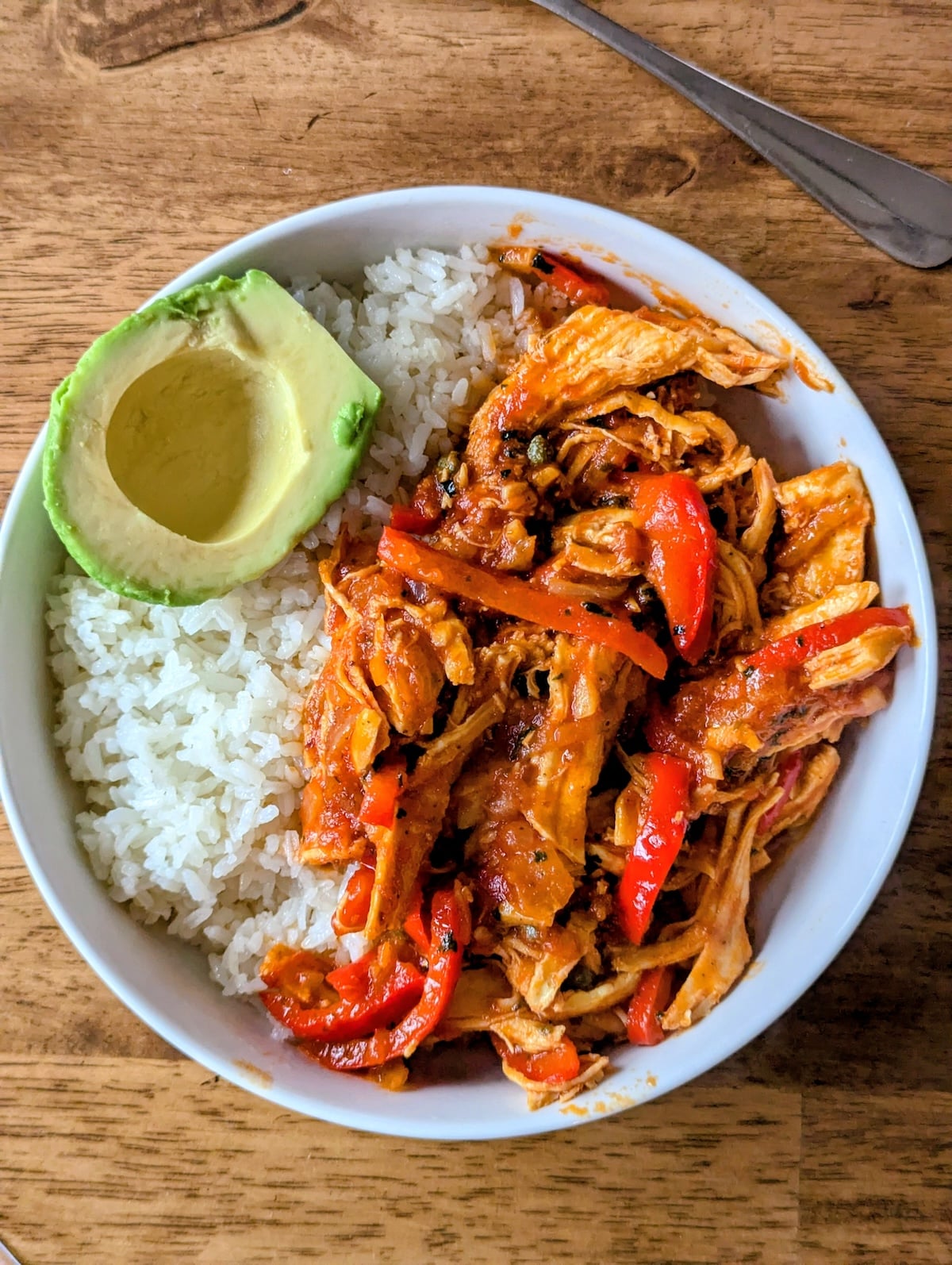
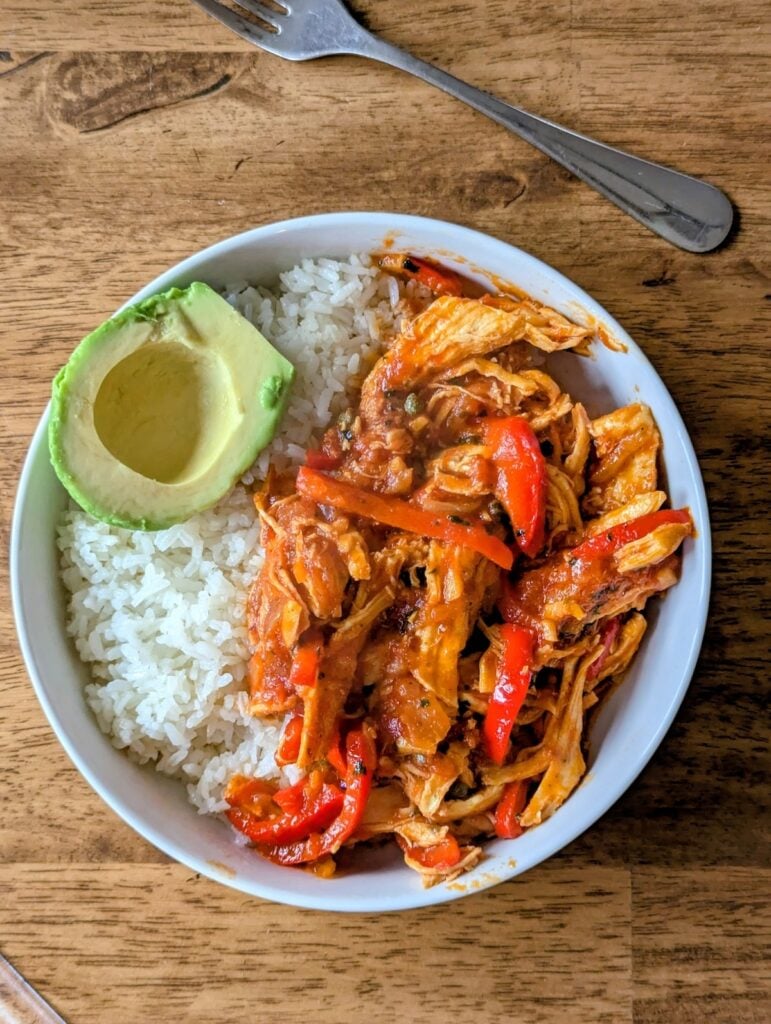
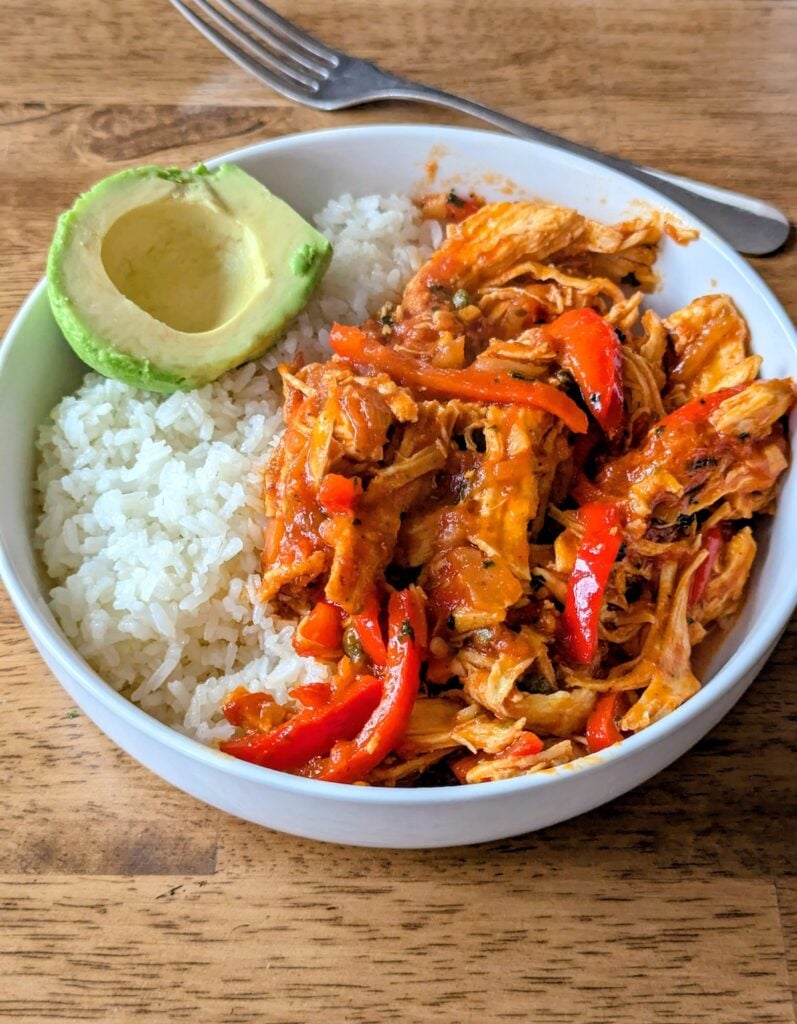
The transition of Ropa Vieja from a beef-centric historical dish to a versatile, chicken-based modern staple serves as a case study in culinary evolution. By maintaining the integrity of the seasoning and the preparation technique while updating the core ingredient for speed and health, the dish remains relevant to contemporary dining needs. Whether served over traditional white rice with a side of avocado or adapted for modern dietary preferences, Chicken Ropa Vieja stands as a testament to the adaptability of Latin American cuisine in a changing world.