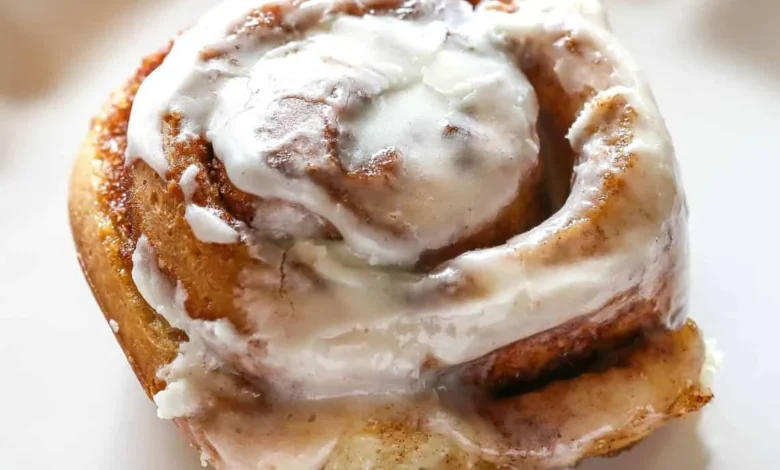
The Evolution of the Commercial Cinnamon Roll
The history of the cinnamon roll is deeply rooted in Northern European baking traditions, specifically the Swedish kanelbulle. However, the modern iteration recognized globally today was popularized by the commercial success of the Cinnabon chain, which opened its first location in the SeaTac Mall in Seattle, Washington, in 1985. The chain’s specific formulation—utilizing high-gluten flour for a pillowy texture and a specific blend of Makara cinnamon—set a new industry standard.
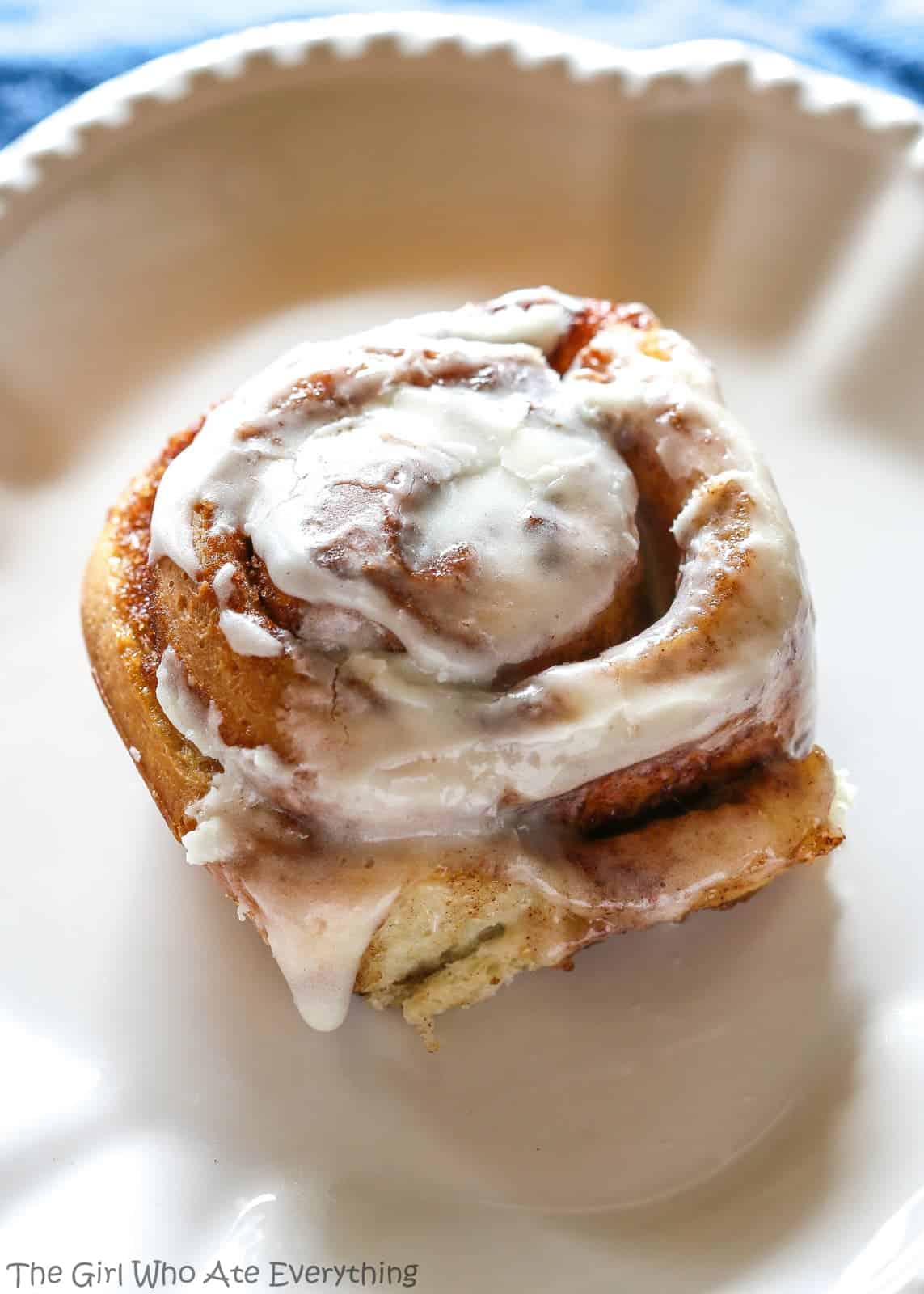
The "copycat" phenomenon began in the early 2000s, driven by an increasing interest in food science and home economics. Home cooks began reverse-engineering the commercial product, focusing on three specific pillars: the dough’s elasticity, the density of the cinnamon-sugar filling, and the chemical composition of the icing, which requires a specific ratio of cream cheese to powdered sugar to achieve the correct melting point upon contact with a warm roll.
Culinary Chronology and Preparation Methodology
The process of creating these rolls at home involves a multi-stage fermentation process that mirrors industrial bakery standards. The chronology of preparation typically spans 12 to 24 hours, depending on the desired flavor profile.
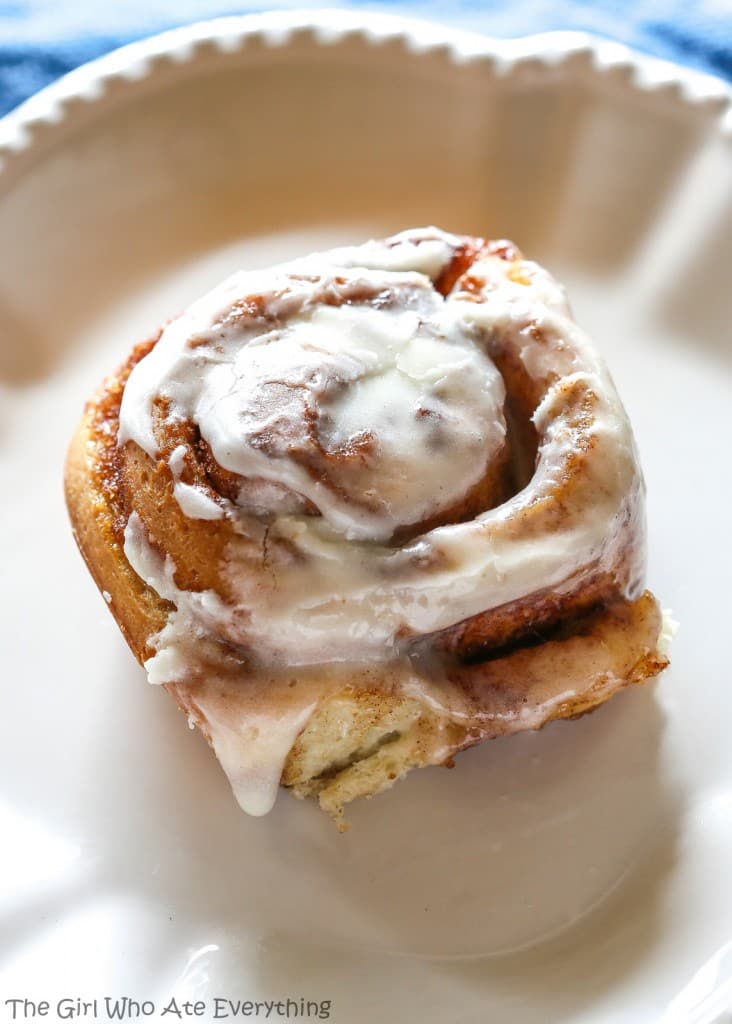
- Dough Development: The process begins with the activation of yeast, followed by the incorporation of high-fat dairy and flour. This stage requires resting periods to allow for gluten development, which provides the necessary structure to hold the heavy filling.
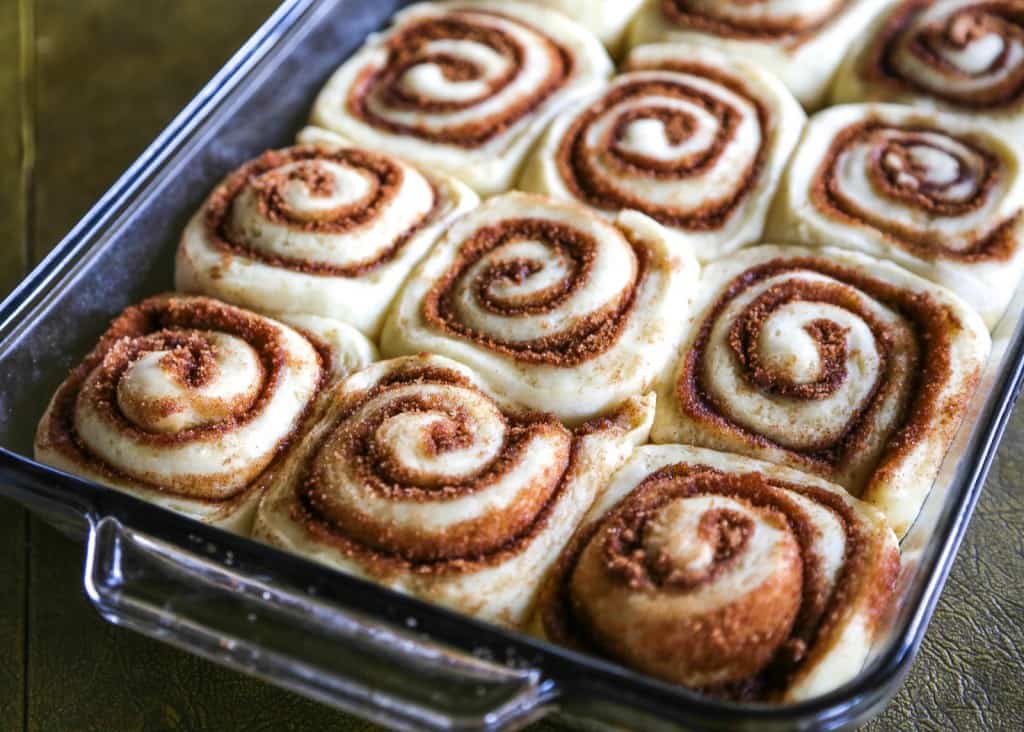
- Lamination and Filling: The application of the cinnamon-sugar mixture is the critical step that defines the product’s identity. Commercial standards dictate a specific thickness of the filling to ensure it remains suspended within the spiral rather than melting out completely during the baking process.
- Fermentation: Modern home-baking techniques have evolved to include overnight cold-proofing. By placing the shaped rolls in the refrigerator, bakers can slow the yeast activity, which enhances the development of organic acids, resulting in a more complex, nuanced flavor profile that is often missing from mass-produced, rapid-rise commercial items.
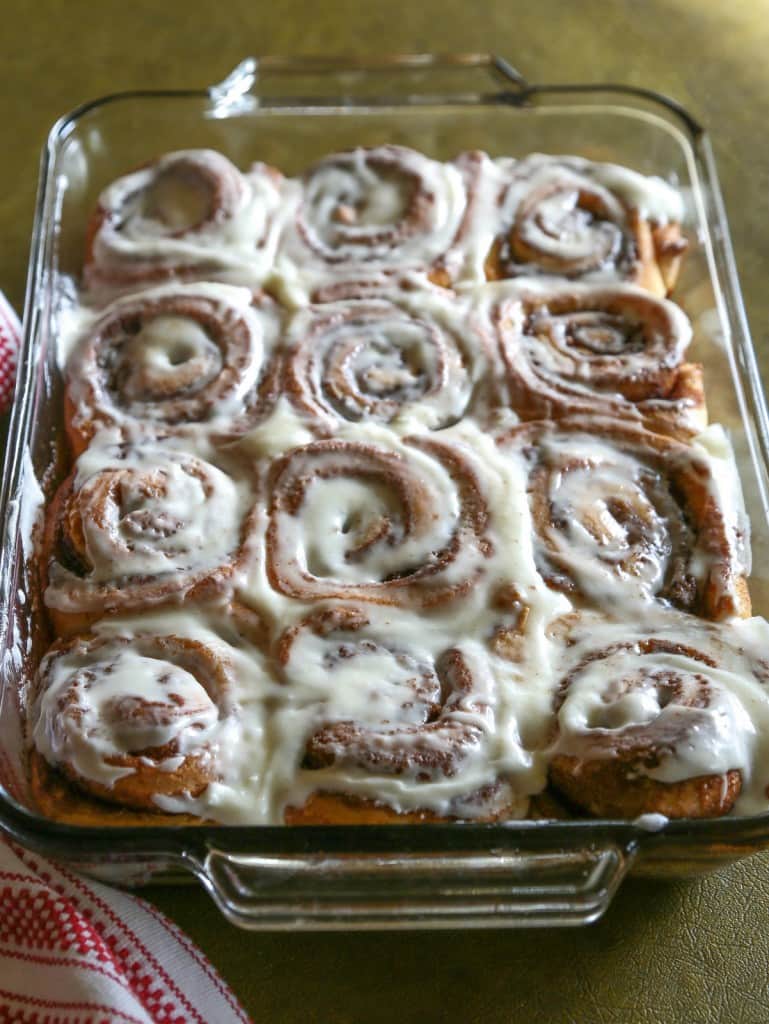
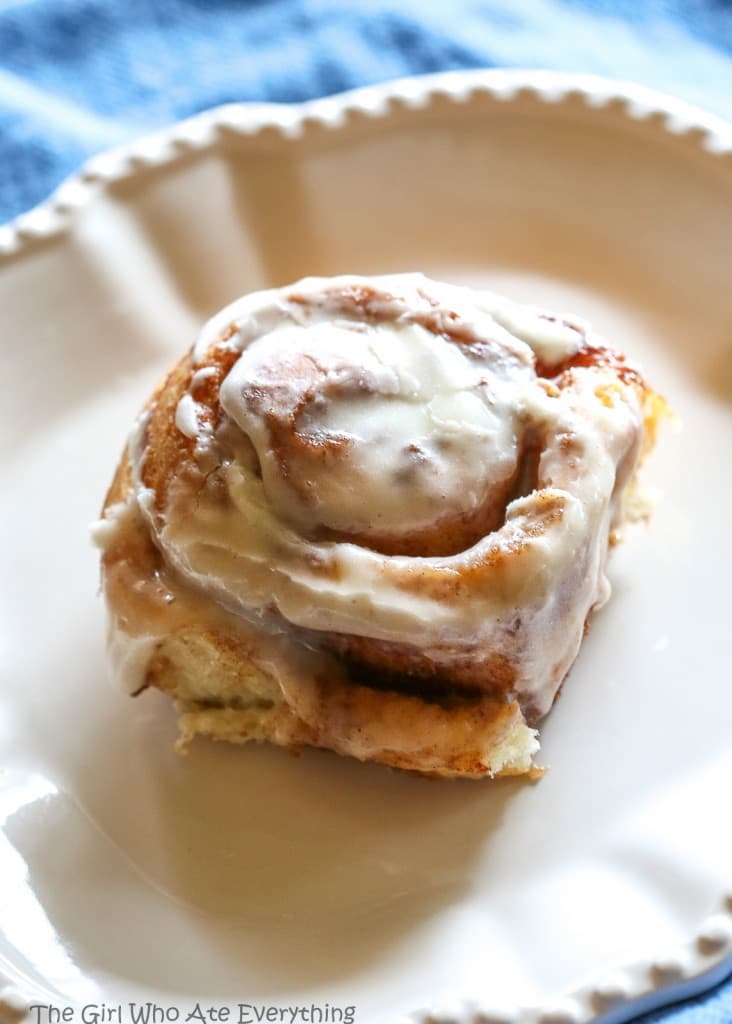
- The Thermal Finishing Process: A widely adopted technique in the preparation of these rolls is the staged application of frosting. By applying a portion of the icing while the rolls are at peak thermal heat (immediately upon removal from the oven), the icing liquefies and permeates the inner layers of the pastry. A secondary application once the rolls reach room temperature creates the signature opaque, decorative glaze.
Supporting Data and Nutritional Profile
From a nutritional standpoint, the standard homemade roll of this size is a calorie-dense product. Analysis of a single serving—defined as one standard roll—reveals an energy content of approximately 511 kilocalories. The macronutrient breakdown is dominated by carbohydrates, at 83 grams per unit, with 47 grams attributed to simple sugars. The fat content, largely derived from butter and cream cheese, sits at 16 grams, with 10 grams being saturated fat.
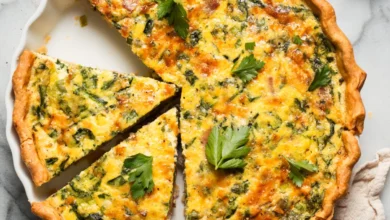
These metrics are consistent with high-sugar, high-carbohydrate breakfast pastries. Because of this, the trend in home preparation has shifted toward balancing these meals with savory accompaniments, such as protein-rich egg casseroles, to mitigate the glycemic impact of a breakfast composed solely of simple sugars.
Economic and Cultural Implications
The rise of the "Copycat Cinnabon" recipe is a byproduct of the "do-it-yourself" (DIY) culture that accelerated during the early digital era of food blogging. It represents a shift in consumer behavior where individuals seek to replicate the "premium" experience of a retail product without the retail cost.
Economically, this trend has impacted the retail bakery sector. While chains like Cinnabon continue to thrive on convenience and brand recognition, the proliferation of high-quality, at-home recipes has forced these companies to differentiate themselves through proprietary ingredient sourcing. For instance, Cinnabon’s insistence on using cinnamon sourced from specific regions in Indonesia is a strategic move to prevent exact flavor replication.
Furthermore, the social significance of these rolls cannot be overlooked. The act of preparing the dough the night before and baking it during holiday mornings has become a ritualistic element of family celebrations. This emotional connection to the food item is a primary driver of the recipe’s longevity. Unlike other food trends that fade within a few years, the cinnamon roll has maintained consistent popularity, supported by search data and social media engagement during the months of November and December.
Expert Analysis on Ingredient Variables
Baking experts emphasize that the "cinnamon level" is the most contentious variable in these recipes. Commercial versions often utilize 2.5 tablespoons of ground cinnamon per dozen rolls. While this creates a bold, aromatic profile, it can also lead to a grainy texture if the sugar-to-cinnamon ratio is not correctly calibrated. Culinary professionals suggest that for those who find the intense spice profile overwhelming, reducing the cinnamon to 1 tablespoon allows for a more subtle, balanced pastry.
The quality of the yeast and the temperature of the butter are the two most cited factors in "recipe failure" among home bakers. Yeast that is not properly proofed will result in a dense, bread-like roll, whereas butter that is too warm during the rolling process will cause the filling to slide out of the pastry layers. These technical requirements have led to an increase in the availability of "baking science" resources online, further professionalizing the home kitchen environment.
Storage and Logistics
The logistical management of these rolls is essential for maintaining product quality. Once baked, the shelf life is limited by the moisture content of the icing and the starch retrogradation of the dough.

- Room Temperature: Stable for 48 to 72 hours if stored in an airtight container to prevent moisture loss.
- Refrigeration: Extends shelf life to 5 days, though it may result in a firmer texture that requires reheating to regain the desired soft crumb.
- Freezing: The industry standard for long-term storage, allowing the rolls to remain viable for up to three months. Experts recommend freezing the rolls before the final icing application to ensure that, upon thawing and reheating, the glaze remains fresh and aesthetically appealing.
Broader Impact on the Breakfast Industry
The sustained popularity of these recipes suggests a permanent change in how consumers view "special occasion" breakfasts. The intersection of convenience—via overnight proofing—and the desire for a luxury, restaurant-quality product has created a robust sub-sector in the home-cooking industry.
As food technology continues to evolve, we may see more innovations in home baking, such as the use of air fryers for smaller batches or the development of specialized flours that mimic the texture of commercial brioche doughs more closely. However, the fundamental appeal of the cinnamon roll—a combination of heat, sugar, fat, and spice—remains constant. Whether prepared in a professional facility or a home kitchen, the product serves as a case study in how simple ingredients, when combined with specific technical methods, can achieve a lasting impact on consumer habits and culinary traditions. The transition from a mall-based luxury to a homemade holiday staple confirms that the value of such recipes lies not just in their taste, but in the process of creation itself.