
Creamy Ham And Cheese Quiche

Creamy Ham and Cheese Quiche: A Comprehensive Guide to Baking Perfection
The classic quiche Lorraine, a venerable staple of French cuisine, finds a comforting and approachable iteration in the creamy ham and cheese quiche. This dish transcends mere sustenance, offering a velvety texture, a savory aroma, and a deeply satisfying flavor profile. Its versatility makes it ideal for a leisurely brunch, a light supper, or a packed lunch, and its relatively straightforward preparation belies its sophisticated presentation. The cornerstone of any successful quiche is a flaky, golden-brown crust, acting as the perfect vessel for the rich, custardy filling. Achieving this requires attention to detail at every stage, from selecting the right ingredients to mastering the baking process. This article will delve into the intricacies of creating an exceptional creamy ham and cheese quiche, covering everything from crust construction and filling formulation to baking techniques and troubleshooting common pitfalls. Understanding the science behind emulsification, protein coagulation, and gluten development will empower home cooks to elevate their quiche-making from merely good to truly outstanding.
The foundation of a superior quiche is its crust. A pre-made pie crust can offer convenience, but for optimal flavor and texture, a homemade pastry is highly recommended. The key to a tender, flaky crust lies in keeping the fat cold and minimizing gluten development. All-purpose flour serves as the structural base, while cold, unsalted butter, cut into small pieces, provides the flakiness. Shortening can be added for extra tenderness, though many purists prefer the flavor of butter alone. A pinch of salt enhances the overall taste. The fat, whether butter or shortening, should be cut into the flour until the mixture resembles coarse crumbs with some pea-sized pieces of fat remaining. These larger pieces of fat will melt during baking, creating steam pockets that separate the layers of dough, resulting in that coveted flaky texture. Ice water is crucial for bringing the dough together. It activates the gluten minimally and keeps the fat cold. The dough should be mixed just until it comes together, avoiding overworking, which would lead to a tough crust. Once formed into a disc, the dough needs to be chilled for at least 30 minutes to allow the gluten to relax and the fat to firm up. This chilling period also prevents shrinkage during blind baking.
Blind baking is an essential step for any quiche to ensure the bottom crust is fully cooked and not soggy. This involves pre-baking the crust before adding the wet filling. After chilling and rolling out the dough to fit a 9-inch pie plate, the edges should be crimped decoratively. The bottom of the crust should be pricked with a fork to allow steam to escape, preventing puffing. The crust is then lined with parchment paper and filled with pie weights, dried beans, or rice. Baking at a moderate temperature, typically around 375°F (190°C), for 15-20 minutes will partially cook the crust. The weights are then removed, and the crust is baked for another 5-10 minutes until it is lightly golden. This pre-baking stage creates a barrier, preventing the moist quiche filling from directly soaking into the uncooked dough. For an even more robust barrier, some recipes suggest brushing the bottom of the par-baked crust with a thin layer of egg white and returning it to the oven for a minute or two before adding the filling. This creates a slightly impermeable seal.
The filling is where the creamy ham and cheese quiche truly shines. The eggs form the base of the custard, providing structure and richness. A ratio of one large egg per roughly half a cup of liquid is a good starting point, but for a truly creamy quiche, a higher proportion of eggs to liquid is often used. Cream or half-and-half contributes significantly to the luxurious texture. Whole milk can be used as a lighter alternative, but the resulting quiche will be less rich. A combination of heavy cream and whole milk often strikes a desirable balance between richness and lightness. The star ingredients are, of course, the ham and cheese. Diced cooked ham, preferably a good quality country ham or smoked ham, provides a savory depth. Avoid overly processed ham that can be watery. Shredded cheese melts beautifully and distributes evenly. A sharp cheddar cheese is a classic choice, offering a robust flavor that stands up to the cream and ham. Gruyère adds a nutty, slightly sweet complexity. A blend of cheddar and Gruyère is often an excellent compromise, marrying the best of both worlds. Other cheeses like Swiss, provolone, or even a touch of Parmesan can be incorporated for nuanced flavor.
Seasoning is critical to bringing all the elements of the quiche together. Salt and freshly ground black pepper are fundamental. A pinch of nutmeg is a traditional addition to custards and quiches, subtly enhancing the dairy flavors without being overpowering. Some cooks also add a touch of Dijon mustard, which provides a tangy counterpoint to the richness of the filling and a subtle boost of savory flavor. Fresh herbs like chives or parsley can be added for a burst of freshness and color. If using fresh herbs, they should be finely chopped and added towards the end of the filling preparation. The ham and cheese themselves contribute saltiness, so it’s important to taste the filling mixture before adding too much additional salt. The eggs should be lightly beaten, not vigorously whisked, to avoid incorporating too much air, which can lead to a foamy texture. The cream and milk are then gently stirred in, followed by the ham, cheese, and seasonings.
Assembling the quiche involves carefully pouring the prepared filling into the pre-baked crust. It’s important not to overfill the crust, as the filling will expand slightly during baking. The ideal fill level is just below the crimped edge of the crust. The quiche is then baked in a preheated oven, typically at 350°F (175°C). The baking time will vary depending on the oven and the depth of the quiche, but it generally ranges from 40 to 50 minutes. The quiche is done when the edges are set and the center is just barely jiggly. A knife inserted near the center should come out clean. Overbaking can result in a rubbery texture and a sunken center. Conversely, underbaking will leave the center unset and the quiche may collapse as it cools. Monitoring the quiche’s appearance and texture is key. A slightly underbaked quiche can often finish cooking as it rests.
The resting period after baking is as crucial as the baking itself. Allowing the quiche to cool for at least 10-15 minutes before slicing permits the custard to fully set and firm up. This prevents the filling from oozing out when cut, ensuring clean slices. While quiche can be enjoyed warm or at room temperature, some find its flavors meld and deepen as it cools further. If reheating is necessary, it can be done gently in a low oven or microwave, taking care not to overcook it.
Troubleshooting common quiche issues can significantly improve future baking endeavors. A soggy bottom crust is often the result of insufficient blind baking or a crust that wasn’t pricked adequately. Overworking the dough can lead to a tough, dense crust. A curdled filling might indicate the eggs were overcooked or the mixture was heated too quickly. This can sometimes be remedied by straining the filling, though it may affect texture. A sunken center is typically caused by underbaking or by opening the oven door too frequently during the baking process. It can also occur if the filling was too wet. If a quiche has a sunken center, it can sometimes be disguised by topping it with fresh herbs or a dollop of sour cream.
Variations on the creamy ham and cheese quiche abound, allowing for personalization and culinary exploration. The type of cheese can be swapped out for different flavor profiles. Adding sautéed onions, mushrooms, or spinach can introduce additional layers of flavor and texture. A pinch of cayenne pepper can provide a subtle kick. For a brunch-specific twist, a sprinkle of crispy bacon bits can be added alongside the ham. Experimentation with different types of mustard, such as whole-grain or honey mustard, can also yield interesting results. The key is to maintain a balanced ratio of eggs, dairy, and solid ingredients to ensure the custard sets properly.
Nutritionally, a creamy ham and cheese quiche is a relatively rich dish, providing protein from the eggs and ham, calcium from the cheese, and carbohydrates from the crust. It can be made lighter by using reduced-fat milk and cheese, and by opting for a thinner crust or serving it without a crust. However, the indulgence of a truly creamy quiche lies in its full-fat ingredients, making it a delightful treat rather than a daily staple.
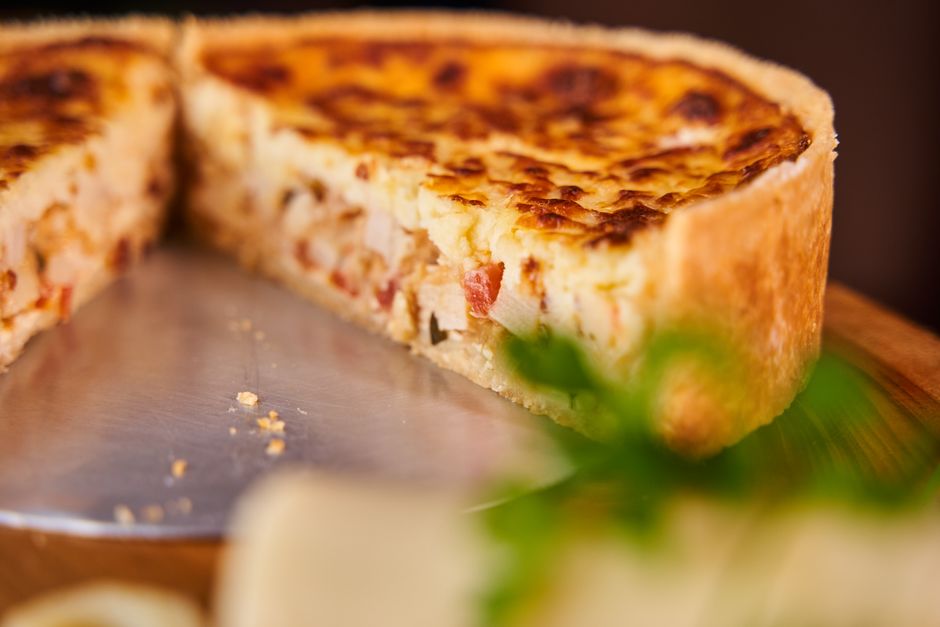
The visual appeal of a quiche is undeniable. A perfectly baked quiche boasts a golden-brown, flaky crust encasing a smooth, vibrant yellow filling studded with golden ham and melted cheese. Garnished with fresh chives or parsley, it presents a rustic yet elegant centerpiece for any meal. The aroma that wafts from the oven as it bakes is an invitation to comfort and satisfaction.
In conclusion, the creamy ham and cheese quiche is more than just a recipe; it’s an achievable culinary masterpiece that offers immense satisfaction. By understanding the fundamental principles of pastry making, custard preparation, and baking techniques, home cooks can consistently produce a quiche that is both visually appealing and exquisitely delicious. From the selection of high-quality ingredients to the meticulous execution of each step, every element contributes to the final, sublime result. The classic combination of savory ham and sharp cheese encased in a velvety custard, all cradled by a tender, flaky crust, ensures that this quiche will remain a beloved dish for generations to come, a testament to the enduring appeal of simple, well-executed comfort food. The ability to adapt and personalize the recipe further cements its status as a versatile and rewarding culinary endeavor.


