
Instant Pot Chicken Noodle Soup

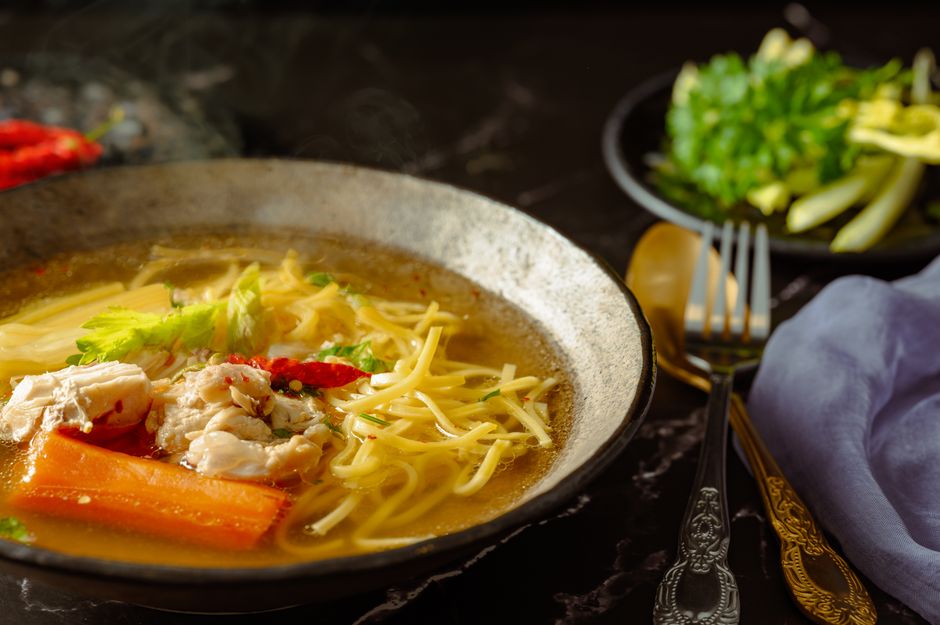
Instant Pot Chicken Noodle Soup: A Deep Dive into the Ultimate Comfort Food Recipe
Instant Pot chicken noodle soup represents a culinary triumph, offering a quick, flavorful, and incredibly satisfying rendition of a beloved classic. This one-pot wonder harnesses the power of pressure cooking to transform humble ingredients into a soul-warming broth brimming with tender chicken, perfectly cooked noodles, and a medley of vegetables. The speed and efficiency of the Instant Pot make it an ideal solution for busy weeknights or when a comforting meal is needed in a flash. Gone are the days of hours-long simmering; with this recipe, a rich and deeply flavored soup is achievable in a fraction of the time, without compromising on taste or texture. The beauty of this method lies in its ability to infuse flavors deeply and cook ingredients to perfection under pressure, ensuring every spoonful is a testament to simple, delicious cooking.
The foundational elements of exceptional chicken noodle soup are the broth, the chicken, the noodles, and the aromatics. In the Instant Pot, the broth development is accelerated. Utilizing high-quality chicken (bone-in thighs are excellent for flavor and tenderness) along with a robust mirepoix (onion, celery, carrots) lays the groundwork for a deeply savory base. The pressure cooking environment locks in moisture and concentrates these flavors, creating a liquid gold that forms the heart of the soup. The chicken, cooked directly in this flavorful broth, becomes incredibly tender and easily shreddable. The noodles, added towards the end of the cooking process, absorb the delicious soup, becoming soft yet retaining a pleasant bite. The integration of vegetables provides essential nutrients, color, and textural contrast, rounding out a balanced and nourishing meal.
Choosing the Right Ingredients for Instant Pot Chicken Noodle Soup
The success of your Instant Pot chicken noodle soup hinges on careful ingredient selection. For the chicken, opt for bone-in, skin-on chicken thighs. The bones contribute significantly to the richness of the broth through collagen and marrow, while the skin renders fat, adding depth of flavor and a desirable mouthfeel. While boneless, skinless breasts can be used, they tend to be leaner and can dry out more easily under pressure. If using breasts, consider slightly reducing the cooking time or ensuring they are not overcooked. A whole chicken, cut into pieces, is another excellent option for a more traditional, richer broth.
The mirepoix is crucial. Use fresh, firm onions (yellow or white are standard), crisp celery stalks, and vibrant carrots. These vegetables, when sautéed before pressure cooking, develop a sweeter, more complex flavor profile through the Maillard reaction. Consider adding garlic, minced finely, to further enhance the aromatic base. A classic chicken noodle soup often includes herbs like bay leaves and thyme, which infuse the broth with subtle, earthy notes. Fresh parsley and dill are excellent additions for finishing, providing a bright, herbaceous lift.
For the noodles, egg noodles are the traditional choice for their ability to hold up well in soup and absorb flavor. Wide or medium egg noodles are generally preferred. Alternatively, you can use other pasta shapes like ditalini, elbow macaroni, or even gluten-free pasta alternatives, adjusting cooking times as needed. It is vital to add the noodles towards the end of the cooking process or even after the pressure cooking cycle to prevent them from becoming mushy.
The liquid base for the soup is paramount. High-quality chicken broth or stock is essential. Low-sodium options allow for better control over the final seasoning. Water can be used in conjunction with chicken bouillon or chicken base for a more budget-friendly option, but be mindful of the sodium content in pre-made bases. A splash of white wine or lemon juice added during the sautéing stage can also contribute to the complexity of the broth.
The Instant Pot Process: Step-by-Step Guide to Flavorful Soup
The Instant Pot streamlines the chicken noodle soup-making process. Begin by setting your Instant Pot to the "Sauté" function. Add a tablespoon or two of high-heat cooking oil, such as olive oil or avocado oil. Once the oil is shimmering, add your chopped mirepoix: one large chopped onion, two to three chopped celery stalks, and two to three chopped carrots. Sauté for approximately 5-7 minutes, stirring occasionally, until the vegetables begin to soften and develop a slight golden hue. This step is critical for developing deep flavor. Add minced garlic during the last minute of sautéing, being careful not to burn it.
Next, deglaze the pot by pouring in a splash of chicken broth or white wine and scraping up any browned bits stuck to the bottom of the inner pot. These browned bits are packed with flavor and will contribute significantly to the richness of your soup.
Add your chicken pieces to the pot, ensuring they are submerged as much as possible in the vegetables. Pour in enough chicken broth to cover the chicken and vegetables, usually around 6-8 cups, depending on the size of your Instant Pot and the desired soup consistency. Add your dried herbs, such as bay leaves and sprigs of thyme. Season generously with salt and freshly ground black pepper.
Secure the lid of the Instant Pot, ensuring the steam release valve is set to the "Sealing" position. Select the "Manual" or "Pressure Cook" setting and set the timer for 10 minutes on High Pressure. Once the cooking cycle is complete, allow for a natural pressure release (NPR) for at least 5 minutes. This gentle release allows the chicken to finish cooking gently and prevents the soup from splattering. After 5 minutes of NPR, carefully perform a quick release (QR) of any remaining pressure.
Once the lid is safely removed, carefully lift out the cooked chicken pieces and place them on a cutting board. Using two forks, shred the chicken into bite-sized pieces. Remove and discard the bay leaves and thyme sprigs.
Now, it’s time to add the noodles. If your Instant Pot has a "Sauté" function, you can switch back to it. Bring the soup to a gentle simmer. Add your chosen noodles and cook according to package directions, typically 5-8 minutes, or until al dente. Stir occasionally to prevent sticking. If you prefer not to risk overcooking noodles in the pot, you can cook them separately according to package directions and add them to individual bowls when serving. This is a safer bet for perfectly cooked noodles every time.
Taste the soup and adjust seasonings as needed. You may need to add more salt, pepper, or even a pinch of red pepper flakes for a touch of heat. Stir in fresh chopped parsley and/or dill just before serving.
Variations and Customizations for Instant Pot Chicken Noodle Soup
While the classic recipe is a triumph, the beauty of Instant Pot chicken noodle soup lies in its adaptability. For a heartier soup, consider adding other vegetables like peas, corn, or diced potatoes during the last 5 minutes of sautéing before pressure cooking. Alternatively, frozen peas can be stirred in after the pressure cooking cycle.
To amplify the chicken flavor, you can use a combination of chicken thighs and breasts, or even add a chicken carcass to the pot during the pressure cooking phase for an even richer broth. For a creamier soup, stir in a splash of heavy cream or a swirl of full-fat coconut milk at the end of the cooking process. A tablespoon of nutritional yeast can add a subtle cheesy depth for those looking to explore vegan or dairy-free flavor profiles, though it won’t replicate a creamy texture.
For those seeking a gluten-free chicken noodle soup, opt for gluten-free pasta. Many rice-based or lentil-based pasta varieties hold up well in soups. Alternatively, omit the noodles altogether and double the amount of vegetables for a satisfying, broth-heavy meal. You can also thicken the soup by mashing some of the cooked vegetables against the side of the pot or by creating a slurry of cornstarch or arrowroot powder with a little cold water and stirring it into the simmering soup.
Herb variations are endless. Rosemary, sage, or marjoram can be added for different aromatic profiles. A pinch of smoked paprika can introduce a subtle smokiness, while a dash of turmeric can lend a beautiful golden hue and earthy undertones. For a spicier kick, consider adding a whole jalapeño (seeds removed for less heat) during the pressure cooking, or a pinch of cayenne pepper.
Troubleshooting Common Instant Pot Chicken Noodle Soup Issues
One common issue is overcooked noodles. To avoid this, always add noodles towards the end of the cooking cycle. If you are pressure cooking the noodles, err on the side of undercooking them, as they will continue to soften in the hot broth. Cooking noodles separately and adding them to individual bowls is the most foolproof method for perfectly textured noodles.
Another potential problem is a bland broth. This can often be attributed to using water instead of broth, or not properly sautéing the aromatics. Ensure you are using good quality chicken broth and don’t skip the sautéing step. Deglazing the pot after sautéing is also critical for capturing all the flavorful browned bits.
A soup that is too thin can be remedied by a few methods. You can increase the sauté time at the end to allow some of the liquid to evaporate. Alternatively, you can create a cornstarch or arrowroot slurry as mentioned earlier. Mashing some of the cooked vegetables against the side of the pot can also help thicken the soup naturally.
If your chicken is dry, it’s likely due to using boneless, skinless breasts or overcooking. Using bone-in, skin-on thighs and adhering to the recommended cooking time will yield the most tender results. If you accidentally overcook the chicken, you can still salvage the soup by shredding it and stirring it back into the flavorful broth, where it will absorb moisture.
Finally, insufficient seasoning is a frequent culprit for less-than-stellar soup. Always taste and adjust salt and pepper at the end of cooking. Fresh herbs added at the very end also contribute a significant flavor boost that can elevate a soup from good to great.
Nutritional Benefits and Serving Suggestions
Instant Pot chicken noodle soup is more than just a comforting meal; it’s also a nutritional powerhouse. The chicken provides lean protein, essential for muscle repair and satiety. The vegetables contribute vital vitamins, minerals, and fiber. Carrots are rich in beta-carotene, which the body converts to vitamin A, important for vision and immune function. Celery offers electrolytes and hydration. Onions and garlic contain beneficial antioxidants. The broth itself can be hydrating and can provide electrolytes, especially when made from bone-in chicken.
For serving, a classic chicken noodle soup is often enjoyed as a standalone meal. However, it pairs beautifully with crusty bread for dipping, a simple side salad, or a grilled cheese sandwich for a truly comforting feast. Garnishes like fresh parsley, dill, chives, or a squeeze of lemon juice can add brightness and a personalized touch. A dollop of sour cream or a sprinkle of Parmesan cheese can also be added for extra richness, depending on dietary preferences.
The Enduring Appeal of Chicken Noodle Soup
The enduring appeal of chicken noodle soup lies in its universal comfort. It’s a dish that evokes warmth, nostalgia, and a sense of well-being. The Instant Pot version democratizes this classic, making it accessible to even the most time-constrained home cook. The rich broth, tender chicken, and satisfying noodles create a harmonious blend of textures and flavors that appeal to a wide range of palates. This recipe is not just about a quick meal; it’s about capturing the essence of home cooking and delivering a bowl of pure comfort, efficiently and deliciously, whenever it’s needed most. Its versatility ensures it can be a regular staple in any kitchen, adapting to individual tastes and ingredient availability with ease. The simplicity of its core components, when expertly combined through the power of the Instant Pot, results in a dish that is both profoundly satisfying and remarkably easy to prepare.


