
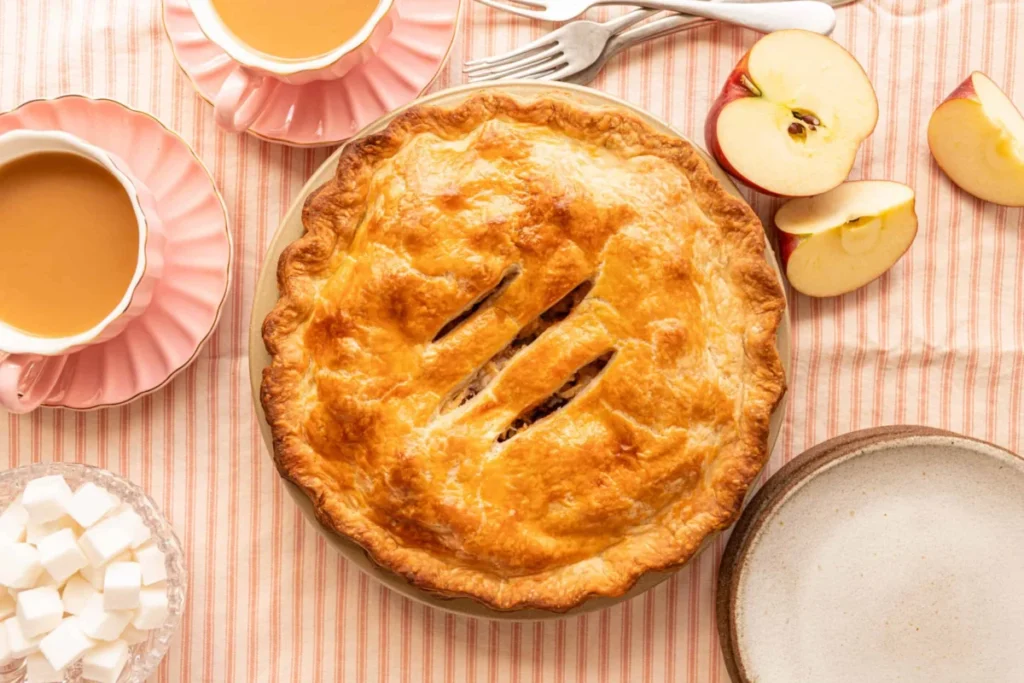
The tradition of the American holiday pie has remained largely static for generations, anchored by standard recipes for pumpkin, pecan, and classic apple. However, recent trends in home baking and professional pastry arts have begun to favor "elevated classics"—recipes that maintain the structural integrity of traditional desserts while introducing unexpected flavor profiles. One such innovation gaining traction in the culinary landscape is the Double Crust Toffee Apple Pie, a sophisticated variation on the conventional fruit-filled pastry. This dish combines the structural reliability of a traditional double-crust pie with the complex, buttery notes of toffee, reflecting a broader shift in consumer preferences toward desserts that offer varied textures and deeper, more nuanced flavor profiles.
The Anatomy of the Toffee-Apple Integration
At its core, the Double Crust Toffee Apple Pie functions as a bridge between two distinct confectionery traditions: the tart, fruit-forward profile of a standard orchard pie and the rich, caramelized sugar profile of English toffee. The culinary mechanism behind this success lies in the thermodynamics of the baking process. When bits of solid toffee—typically composed of high-fat butter and caramelized sugar—are incorporated into the apple filling, they do not merely add sweetness. As the internal temperature of the pie reaches approximately 190°F to 200°F during the bake, the toffee undergoes a phase transition.
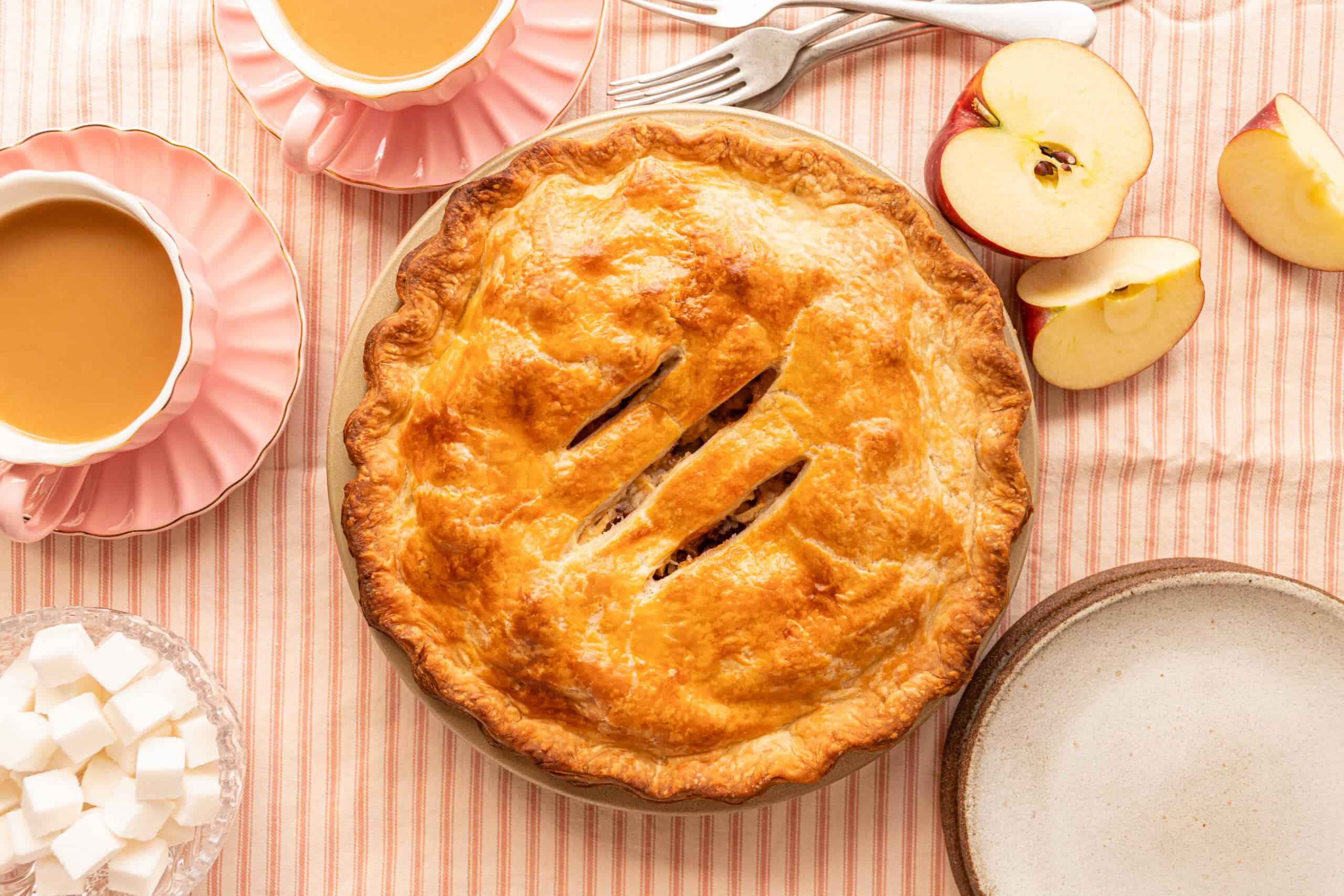
Unlike caramel, which is often hydrated with cream and remains in a semi-liquid state, the anhydrous nature of toffee allows it to melt into the apple juices while maintaining a distinct, chewy, or sometimes crunchy texture depending on the size of the inclusions. This creates a "pockets of intensity" effect, where the acidity of the apples (typically sourced from varieties like Granny Smith, Fuji, or Cosmic Crisp) is tempered by the alkaline, buttery notes of the toffee. This balance is critical; culinary experts note that the inclusion of toffee significantly alters the Maillard reaction within the filling, resulting in a deeper, mahogany-colored syrup that binds the fruit pieces together more effectively than standard flour- or starch-based thickeners alone.
The Ultimate Guide to Baking Salted Caramel Apple Pie Bars: Evolution of a Modern Dessert Classic
Chronological Development and Holiday Context
The rise of the toffee-apple variation aligns with the modern evolution of Thanksgiving and Christmas dessert menus. Historically, the "big three" holiday pies have dominated tables for nearly a century. However, market research from culinary publications suggests that since 2020, there has been a marked increase in the demand for "twist" recipes—dishes that are recognizable enough to be comfortable for traditionalists but unique enough to serve as a conversation piece.
The timeline for the emergence of this specific trend can be traced to the broader artisanal baking movement. While apple-praline and pecan-crust variations have existed in Southern American cuisine for decades, the direct integration of store-bought, high-quality toffee bits into the filling represents a democratization of complex pastry techniques. By utilizing standardized ingredients like Heath toffee bits, home bakers can achieve a consistent result that mimics professional-grade pastry shop offerings. This shift toward "achievable luxury" in home baking has been bolstered by social media trends and the increased accessibility of baking science information, allowing amateur bakers to understand the specific role of fat content and sugar crystallization in their holiday centerpieces.

Technical Specifications for Optimal Results
Professional bakers emphasize that the success of a double-crust pie relies heavily on the management of lipids. The incorporation of toffee adds a variable of sugar content, which can cause premature burning if the crust is not properly managed. The recommended protocol involves a high-fat butter crust, often utilizing the "grated butter" method. By freezing the butter and using a large-hole grater, the baker ensures that the fat remains in small, solid particles throughout the mixing process. Upon entering the oven, these particles evaporate to create steam, resulting in the characteristic flakiness required to support a heavy, dense filling.
The filling itself requires a precise balance. Because toffee introduces additional sugar, the standard amount of white or brown sugar in the apple mixture must be reduced by approximately 15% to 20% to prevent the pie from becoming cloying. Furthermore, the selection of apples is paramount. Varieties that are high in pectin and possess a firm cellular structure, such as the Cosmic Crisp or the classic Golden Delicious, are preferred. These apples resist the "applesauce" effect that occurs when fruit breaks down too quickly under the heat required to bake a double-crust pie.
Broader Economic and Cultural Implications
The popularity of this variation has broader implications for the seasonal baking industry. As retail interest in specialized baking ingredients—such as premium toffee, high-butterfat European-style butters, and heritage apple varieties—grows during the fourth quarter, grocery retailers have adapted their seasonal displays accordingly. The "toffee-apple" movement is not merely a recipe change; it is an economic driver for the baking aisle.

From a cultural standpoint, this recipe represents the hybridity of modern American foodways. It acknowledges the influence of the British-inspired toffee tradition while remaining firmly planted in the American apple-pie-as-patriotism ethos. Sociologists of food note that such variations are indicative of a society that is becoming more experimental with its comfort foods. When a dish like this is served at a major holiday event, it satisfies the psychological need for continuity (it is, after all, still an apple pie) while providing the novelty that modern consumers increasingly seek.
Best Practices for Preparation and Storage
The logistics of holiday hosting often require a strict production schedule. A common inquiry regarding this specific pie is its shelf-stability and preparation window. Unlike custard-based pies, which require strict refrigeration due to dairy content, the high sugar content in a toffee-apple pie acts as a preservative. According to food safety guidelines, the pie can safely remain at room temperature, provided it is loosely covered, for up to 48 hours.
For those managing a multi-course holiday meal, the ability to prepare the pie in advance is a significant advantage. The crust can be prepared and frozen for up to one month, and the fully assembled, unbaked pie can also be frozen. When baking from a frozen state, industry experts recommend adding 15 to 20 minutes to the total bake time, ensuring the crust sets before the filling reaches a boil. The final product is best served at a temperature of approximately 95°F to 100°F. This specific temperature range allows the toffee to achieve a "molten" consistency without losing its structural integrity, providing the ideal mouthfeel that separates a premium pie from a standard supermarket alternative.

Future Trajectories in Holiday Pastry
Looking ahead, the Double Crust Toffee Apple Pie serves as a benchmark for future dessert innovations. As climate change continues to impact apple harvests and the availability of specific varieties, the reliance on high-flavor, low-moisture additions like toffee may become even more common. By manipulating the filling with candy-based inclusions, bakers can salvage apples that might otherwise be considered "lesser" for baking, effectively increasing the resilience of the holiday pie tradition against agricultural fluctuations.
The transition from a simple fruit pie to a complex, multi-textured dessert like the Toffee Apple Pie signifies a maturing of the home-baking palate. It represents an era where the home kitchen functions as a laboratory for taste, blending historical tradition with contemporary culinary flair. Whether served at Thanksgiving, Christmas, or a Tuesday evening in late autumn, the dish remains a testament to the versatility of the apple—a fruit that, when paired with the right amount of buttery, caramelized sugar, continues to define the American dessert experience.




0 Komentar
Sampaikan opini dan diskusi yang membangun dengan bahasa yang santun.
No Comments Yet
Be the first to share your thoughts on this story.