Easy Chicken Katsu with Caviar: A Modern Fusion of Culinary Tradition and Luxury

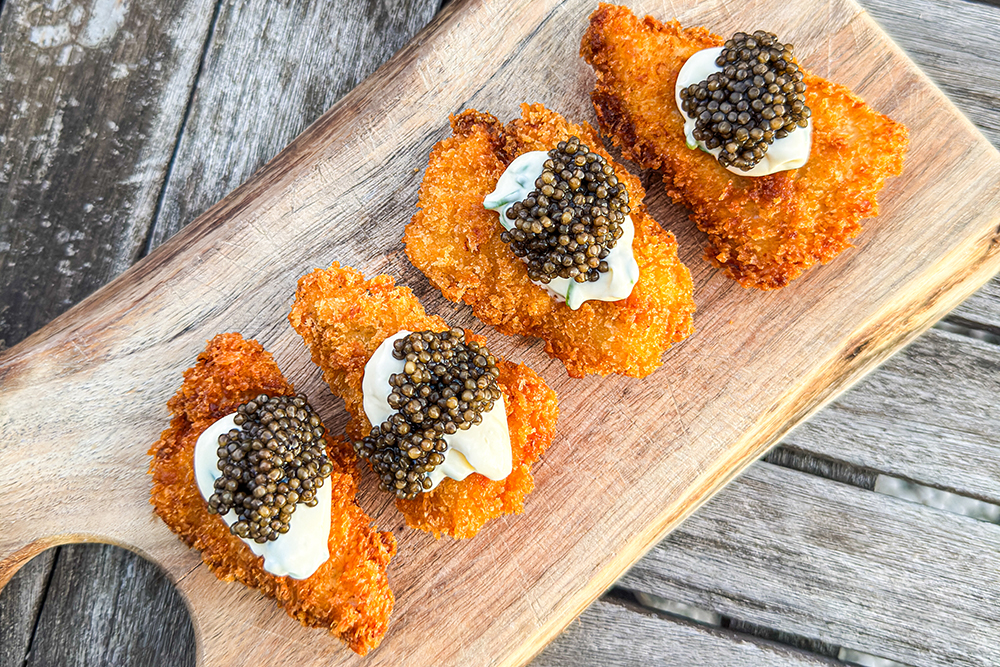
The evolution of modern gastronomy has consistently favored the juxtaposition of high and low culinary cultures, a trend recently exemplified by the emergence of chicken katsu topped with caviar. While traditional Japanese katsu—a breaded, deep-fried cutlet—has long been a staple of comfort food, the integration of premium roe represents a shift in contemporary home cooking. This fusion dish bridges the gap between the accessible, crunchy textures of street food and the refined, briny elegance associated with fine dining, offering a unique sensory profile that has gained traction among culinary enthusiasts seeking to elevate standard home-cooked meals.
The Historical Context of Katsu and Caviar
To understand the significance of this dish, one must consider the historical trajectories of its primary components. Tonkatsu, the pork-based progenitor of modern chicken katsu, emerged in Japan during the late 19th century as part of the "yoshoku" movement, which adapted Western-style fried meats to the Japanese palate. Over the decades, chicken katsu became a quintessential comfort food, prized for its golden, airy panko crust and succulent interior.
Conversely, caviar—the salt-cured roe of the sturgeon—has historically occupied the upper echelons of the global luxury food market. Traditionally served on blinis or buttered toast points, its role in modern fusion cuisine is to provide a saline, "umami-rich" finish that cuts through the richness of fats. By replacing the traditional heavy tonkatsu sauce with a dollop of crème fraîche and a spoonful of caviar, chefs and home cooks alike are recontextualizing the katsu from a heavy main course to an hors d’oeuvre or a sophisticated appetizer.

Chronology of Culinary Fusion
The rise of such high-low culinary pairings can be traced to the broader "gastropub" movement of the early 2010s, which prioritized creative ingredient combinations over strict adherence to culinary tradition. The specific pairing of fried poultry with roe gained visibility as social media platforms began highlighting "elevated comfort food."
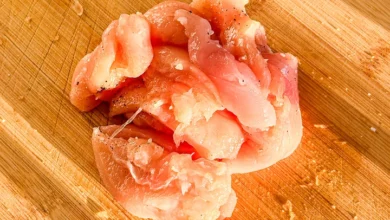
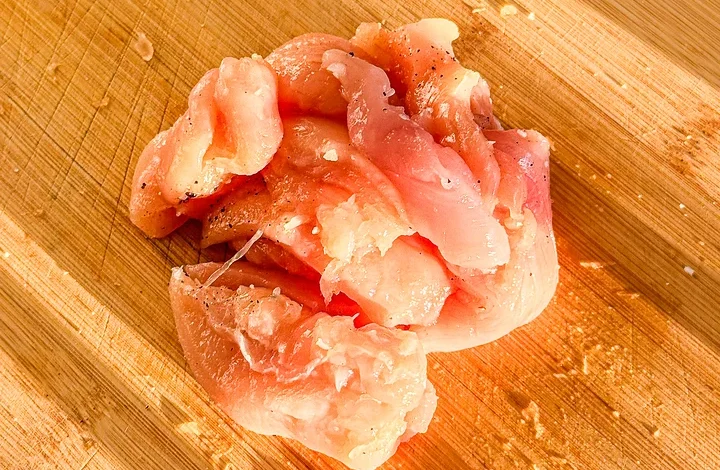
Culinary experts note that the preparation process for this specific iteration of chicken katsu involves several technical refinements designed to ensure the dish remains balanced. The process begins with the preparation of chicken tenders, which are seasoned to provide a savory foundation. The breading technique is critical: the use of panko breadcrumbs, specifically when treated with a small amount of water to prevent over-browning, ensures a light, airy crust that provides the necessary structural integrity to support the delicate topping of crème fraîche and caviar.

Technical Specifications and Preparation Data
For those attempting this dish in a home environment, adherence to specific temperature and timing metrics is essential for achieving professional-grade results.
- Temperature Control: The oil for frying should be maintained between 170°C and 180°C (340°F–355°F). Maintaining this range is vital; if the temperature drops below 170°C, the panko absorbs excess oil, leading to a greasy finish. If it exceeds 180°C, the exterior browns too quickly, leaving the interior undercooked.
- Breading Integrity: The standard flour-egg-panko sequence is used, though the addition of mirin to the egg wash adds a subtle sweetness that harmonizes with the briny profile of the caviar.
- Resting Phase: After frying, the chicken must rest on a wire rack for at least two to three minutes. This allows residual heat to finish cooking the center while ensuring the crust remains crisp through the evaporation of steam.
The Science of the Flavor Profile
The success of this dish lies in the interplay of contrasting elements. The "mouthfeel" is defined by the immediate crunch of the fried panko, followed by the soft, cooling temperature of the crème fraîche, and finally the "pop" of the caviar beads.

From a chemical perspective, the salt in the caviar acts as a flavor enhancer for the chicken, while the fat in the crème fraîche mitigates the acidity and salinity of the roe. This creates a rounded flavor profile that satisfies the human palate’s craving for both salt and fat, often referred to as the "bliss point." Nutritionists observe that while this dish is indulgent, the use of chicken tenders rather than fattier cuts of meat helps maintain a caloric balance, provided the frying oil is managed correctly to prevent excessive absorption.
Broader Implications for Home Cooking
The popularity of chicken katsu with caviar reflects a growing consumer trend toward "affordable luxury." As inflation impacts the cost of dining out, home cooks are increasingly seeking ways to replicate restaurant-style experiences. Incorporating a luxury item like caviar into a relatively inexpensive dish like chicken katsu allows individuals to host high-end dinner parties without the prohibitive costs of a full-service catering operation.

Furthermore, this trend has implications for the seafood industry. As the demand for sustainable, farm-raised caviar increases, producers are finding new markets beyond the traditional white-tablecloth establishments. The casualization of caviar—making it a topping for everything from potato chips to fried chicken—broadens the demographic reach of a product once reserved for the ultra-wealthy.
Expert Perspectives on Fusion
Food critics have noted that while some fusion experiments fail due to clashing flavor profiles, this particular combination succeeds because of its simplicity. By restricting the ingredient list to the chicken, the base, and the toppings, the dish avoids the "clutter" that often characterizes failed fusion experiments.

"The beauty of this dish is its restraint," says one culinary analyst. "It respects the history of the katsu while acknowledging that modern diners appreciate textures and flavors that provide a high-contrast experience."
Final Considerations for Preparation
When selecting ingredients, the quality of the caviar is the most significant variable. While top-tier Beluga or Osetra is often cited, many chefs argue that more robust, earthy varieties of sturgeon or even high-quality salmon roe can provide a more pronounced flavor that stands up to the fried chicken.

Serving suggestions emphasize the importance of beverage pairing. Because of the salt content in the caviar and the fat in the fried coating, a high-acid, dry sparkling wine or Champagne is the industry-standard recommendation. The bubbles and acidity effectively "cleanse" the palate between bites, ensuring that each mouthful of the chicken katsu remains as distinct and satisfying as the first.
In conclusion, the emergence of chicken katsu with caviar is more than a fleeting food trend; it is a testament to the versatility of Japanese culinary techniques and the ongoing global interest in redefining traditional comfort foods. Whether prepared for a festive gathering or a quiet, experimental dinner, the dish offers a unique opportunity to explore the boundaries of taste and texture in the domestic kitchen. As home cooking continues to evolve, we can expect to see more of these "high-low" pairings that prioritize both accessibility and a sense of occasion.