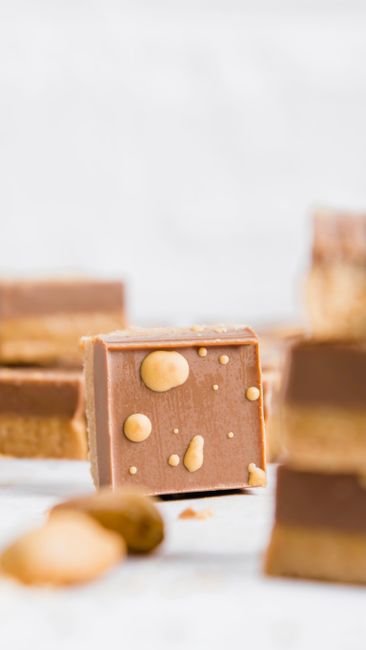
Grandmas Creamy Peanut Butter Fudge
Grandma’s Creamy Peanut Butter Fudge: The Ultimate Recipe and Guide
The quintessential comfort food, Grandma’s creamy peanut butter fudge, represents a cherished culinary tradition. This iconic sweet treat, characterized by its unbelievably smooth texture and rich, nutty flavor, evokes nostalgia for many and serves as a timeless dessert. Unlike many contemporary recipes that prioritize speed and convenience, Grandma’s method often involves a careful balance of ingredients and precise cooking techniques, ensuring a superior, melt-in-your-mouth result. Understanding the science behind fudge making, particularly the crystallization of sugar, is key to achieving this beloved creamy consistency. This article will delve deep into the secrets of Grandma’s creamy peanut butter fudge, providing a comprehensive recipe, detailed explanations, troubleshooting tips, and ideas for variations, all optimized for search engines to help you find and master this classic.
The Core Ingredients: Foundation of Flavor and Texture
At its heart, Grandma’s creamy peanut butter fudge relies on a simple yet potent combination of high-quality ingredients. The success of the fudge hinges on the purity and freshness of these components.
- Sugar: Granulated white sugar is the backbone of fudge. It provides sweetness and, more crucially, the crystalline structure that, when controlled, creates the smooth texture. The type of sugar (granulated vs. powdered) and its particle size significantly impact the final fudge. Standard granulated sugar is ideal here, as it needs to dissolve fully during the cooking process.
- Butter: Unsalted butter is preferred for its pure flavor and the control it offers over salt content. The fat in butter contributes to the richness, creaminess, and smooth mouthfeel of the fudge. High-fat content butter will yield a richer fudge.
- Milk or Cream: This dairy component adds moisture, richness, and helps to dissolve the sugar. Whole milk is often used, but heavy cream can elevate the decadence, resulting in an even more luxurious texture. The fat content in cream contributes to smoothness. Evaporated milk is another popular choice, as its pre-cooked nature can sometimes contribute to a more stable fudge.
- Peanut Butter: The star of the show. Smooth, creamy peanut butter is essential for achieving a uniformly smooth fudge. Natural peanut butter, while offering a purer peanut flavor, can sometimes separate or contain sugar crystals that disrupt the fudge’s texture. Opt for a commercially prepared creamy peanut butter for optimal results. The type of peanut butter (e.g., salted vs. unsalted, standard vs. reduced fat) will impact the flavor profile and texture.
- Vanilla Extract: A flavor enhancer that rounds out the peanut butter and sugar notes. Pure vanilla extract is superior to imitation for a more authentic and complex flavor.
- Salt: Crucial for balancing the sweetness and amplifying the peanut butter flavor. The amount of salt should be adjusted based on whether you are using salted or unsalted butter and your personal preference.
The Science of Smoothness: Sugar Crystallization and Fudge Texture
Achieving a truly creamy fudge is a masterclass in controlling sugar crystallization. Fudge is a supersaturated sugar solution that, as it cools, crystallizes into tiny, uniform crystals. If these crystals are too large, the fudge will be gritty. If they are too small and form an amorphous solid, the fudge will be hard. Grandma’s method, often involving careful boiling to a specific temperature and then controlled cooling, manipulates this process.
The process involves:
- Dissolving the Sugar: Heat is applied to melt the sugar and dissolve it completely in the liquid (milk or cream). This creates a clear syrup.
- Boiling to the Soft-Ball Stage: The syrup is then boiled without stirring to a precise temperature, typically around 234-240°F (112-116°C). This temperature is known as the "soft-ball stage." At this temperature, when a small amount of the syrup is dropped into cold water, it forms a soft, pliable ball. This boiling evaporates excess water, concentrating the sugar to the point where it will crystallize upon cooling.
- Controlled Cooling and Agitation: This is the most critical step for creamy fudge. Once the correct temperature is reached, the mixture is removed from the heat and allowed to cool undisturbed to around 110°F (43°C). During this cooling phase, microscopic sugar crystals begin to form. At this point, vigorous stirring or beating commences. This agitation breaks down larger sugar crystals into smaller, more uniform ones, resulting in a smooth, creamy texture. If the fudge is stirred too early, too much crystallization will occur prematurely, leading to a grainy texture. If it is not stirred enough, larger crystals will form, also resulting in graininess.
- Incorporating Peanut Butter and Other Flavorings: The peanut butter, vanilla, and any additional flavorings are typically added after the sugar syrup has reached the desired temperature and has begun to cool. This prevents the peanut butter from burning or affecting the sugar crystallization process during the high-heat cooking stage.
Grandma’s Classic Creamy Peanut Butter Fudge Recipe
This recipe aims to replicate the nostalgic, velvety texture and rich peanut butter flavor of traditional homemade fudge.
Yields: Approximately 2 pounds
Prep time: 15 minutes
Cook time: 15-20 minutes
Cooling time: 2-3 hours
Ingredients:
- 3 cups granulated white sugar
- 3/4 cup unsalted butter, cut into pieces
- 2/3 cup evaporated milk (or whole milk/heavy cream for extra richness)
- 1 teaspoon vanilla extract
- 1.5 cups creamy peanut butter (standard commercial brand, not natural)
- 1/4 teaspoon salt (adjust to taste, especially if using salted butter)
Equipment:
- Heavy-bottomed saucepan (at least 3-quart capacity)
- Candy thermometer
- 8×8 inch or 9×9 inch baking pan
- Parchment paper
- Wooden spoon or heatproof spatula
- Measuring cups and spoons
Instructions:
- Prepare the Pan: Grease the baking pan generously with butter or non-stick cooking spray. Line the pan with parchment paper, leaving an overhang on the sides. This will make it easier to lift the fudge out once it has set.
- Combine Initial Ingredients: In the heavy-bottomed saucepan, combine the granulated sugar, butter, and evaporated milk (or chosen dairy).
- Cook the Syrup: Place the saucepan over medium heat. Stir constantly until the butter is melted and the sugar is completely dissolved. It is crucial that all sugar crystals are dissolved before proceeding to prevent graininess.
- Boil to Temperature: Clip the candy thermometer to the side of the pan, ensuring the bulb does not touch the bottom of the pan. Increase the heat to medium-high and bring the mixture to a rolling boil. Do not stir from this point onwards. Allow the mixture to boil gently until it reaches the soft-ball stage, which is 234-240°F (112-116°C). This usually takes 10-15 minutes.
- Cool the Mixture: Once the target temperature is reached, immediately remove the saucepan from the heat. Let the mixture cool undisturbed for approximately 10-15 minutes, or until the temperature drops to around 110°F (43°C). You can gauge this by touching the outside of the pan; it should be warm but not hot enough to burn your hand.
- Add Peanut Butter and Flavorings: Carefully add the creamy peanut butter, vanilla extract, and salt to the cooled sugar mixture.
- Beat and Crystallize: Begin stirring the mixture vigorously with a wooden spoon or heatproof spatula. Continue beating and stirring for 5-10 minutes, or until the fudge starts to lose its glossy sheen and begins to thicken and lose its fluidity. The mixture will become dull and start to pull away from the sides of the pan. This is the crucial stage where small sugar crystals form.
- Pour and Set: Quickly pour the fudge into the prepared baking pan. Spread it evenly with your spatula.
- Cool and Cut: Allow the fudge to cool completely at room temperature for at least 2-3 hours, or until firm. Do not refrigerate, as this can make the fudge too hard.
- Cut and Serve: Once completely set, use the parchment paper overhang to lift the fudge out of the pan. Place it on a cutting board and cut it into 1-inch squares using a sharp knife.
Troubleshooting Common Fudge Problems
Even with the best intentions, fudge making can sometimes present challenges. Here are some common issues and their solutions:
- Gritty Fudge:
- Cause: Undissolved sugar crystals or large sugar crystals formed during cooling.
- Solution: Ensure sugar is fully dissolved before boiling. Stir vigorously during the cooling and beating stage to promote small crystal formation. Avoid scraping the sides or bottom of the pan when the fudge is cooking, as these areas may contain undissolved sugar.
- Hard Fudge:
- Cause: Cooked to too high a temperature (beyond the soft-ball stage), or not enough liquid was present.
- Solution: Use an accurate candy thermometer. Ensure you are measuring ingredients precisely. If it’s slightly too hard, you can try gently re-melting a small piece with a tablespoon of milk or cream and re-cooling, but this is often unsuccessful.
- Soft or Runny Fudge:
- Cause: Not cooked to a high enough temperature (below the soft-ball stage), or too much liquid was present.
- Solution: Ensure your candy thermometer is calibrated correctly. Cook to the specified temperature. If it’s too soft, you can try to re-boil, but this risks further crystallization. It might be best to accept it as a softer, more "sauce-like" fudge.
- Oily Fudge:
- Cause: Too much butter or fat from the peanut butter separating.
- Solution: Use the specified amount of butter. For peanut butter, a standard creamy variety with added emulsifiers tends to be more stable than natural peanut butter.
- Dark or Burnt Flavor:
- Cause: Overheating the sugar mixture or cooking for too long.
- Solution: Use medium heat and monitor the temperature closely. Do not walk away from the stove while the fudge is cooking.
Variations and Enhancements for Your Grandma’s Fudge
While the classic creamy peanut butter fudge is sublime on its own, there are numerous ways to customize it to your liking.
- Chocolate Swirl Fudge: Melt 4-6 ounces of semi-sweet chocolate and swirl it into the fudge just before pouring it into the pan.
- Crunchy Peanut Butter Fudge: For those who enjoy texture, use crunchy peanut butter. The texture will be less uniformly creamy but equally delicious.
- Peanut Butter Cup Fudge: Fold in chopped peanut butter cups (mini or regular) during the beating stage for an extra layer of flavor and texture.
- Maple Peanut Butter Fudge: Replace some of the milk/cream with maple syrup for a distinct maple-nutty flavor. Adjust sugar accordingly if needed.
- Sea Salt Caramel Peanut Butter Fudge: Drizzle with a homemade or store-bought sea salt caramel sauce just before it sets.
- White Chocolate Peanut Butter Fudge: Melt white chocolate and add it in the beating stage along with the peanut butter.
- Spiced Peanut Butter Fudge: Add a pinch of cinnamon or nutmeg for a warm, spiced note.
SEO Considerations for "Grandma’s Creamy Peanut Butter Fudge"
To ensure this valuable recipe and information is discoverable by those searching for it, specific SEO strategies have been employed throughout this article.
- Keyword Inclusion: The primary keyword phrase, "Grandma’s creamy peanut butter fudge," is strategically placed in the title, headings, and throughout the body of the text. Variations like "creamy peanut butter fudge recipe," "best peanut butter fudge," and "old-fashioned fudge" are also integrated naturally.
- Long-Tail Keywords: Phrases like "how to make creamy peanut butter fudge," "troubleshooting fudge texture," and "best ingredients for homemade fudge" are addressed to capture more specific searches.
- Structured Data: While not directly implementable in plain text, using clear headings (H1, H2, H3), bullet points, and numbered lists helps search engines understand the content hierarchy and makes it more readable for users. This is a foundational element of good SEO.
- Comprehensive Content: The article aims to be a one-stop resource, covering ingredients, science, recipe, troubleshooting, and variations. This depth of information signals authority and usefulness to search engines.
- Readability: The language is clear and concise, avoiding jargon where possible, making it accessible to a wide audience. Short paragraphs and sentences enhance readability, a factor search engines consider.
- Intent Fulfillment: The article directly answers the user’s likely intent when searching for "Grandma’s creamy peanut butter fudge" – to find a recipe, understand how to make it successfully, and troubleshoot potential issues.
Conclusion
Mastering Grandma’s creamy peanut butter fudge is a rewarding culinary achievement. It’s a testament to the enduring appeal of simple, well-executed recipes. By understanding the fundamental ingredients, the science of sugar crystallization, and following a precise method, you can recreate this beloved treat in your own kitchen. Whether you stick to the classic or explore the suggested variations, the rich, smooth, and decadent taste of homemade creamy peanut butter fudge is sure to become a family favorite, just as it has for generations. This comprehensive guide provides the knowledge and the recipe to embark on your fudge-making journey with confidence, ensuring delicious results that will be savored and shared.