Creamy Garlic And Herb Butter Sauce
Creamy Garlic and Herb Butter Sauce: A Versatile Culinary Staple
This article explores the intricacies of crafting a superior creamy garlic and herb butter sauce, a foundational recipe for elevating a wide array of dishes. We will delve into ingredient selection, optimal preparation techniques, and explore its extensive culinary applications, positioning this sauce as an indispensable tool in both home kitchens and professional settings. Understanding the nuanced interplay of fat, acid, aromatics, and emulsification is key to achieving a rich, flavorful, and stable sauce. This comprehensive guide aims to equip cooks with the knowledge to master this classic, ensuring consistently delicious results.
The cornerstone of an exceptional creamy garlic and herb butter sauce lies in the quality of its ingredients. Butter, the very essence of the sauce, should ideally be unsalted European-style butter with a higher fat content (around 82-84%). This contributes to a richer flavor and a smoother texture, as the reduced water content promotes better emulsification. Salted butter can be used, but it necessitates careful adjustment of added salt to avoid over-salting. Garlic, the aromatic backbone, requires fresh cloves for the most potent and vibrant flavor. Pre-minced or jarred garlic often lacks the pungency and sweetness of freshly prepared garlic. Herbs are crucial for adding complexity and freshness. A classic blend often includes parsley, chives, and thyme, but variations can incorporate rosemary, tarragon, or dill, depending on the desired flavor profile. Fresh herbs are paramount; dried herbs, while convenient, lack the bright, nuanced aromatics of their fresh counterparts and should be used sparingly if at all. For creaminess, heavy cream (whipping cream) is the standard. Its high fat content (36% or more) provides body and richness without curdling easily. Lighter creams or milk can be used, but they will result in a thinner sauce and require more careful heat management to prevent separation. The acid component, typically lemon juice or white wine, is vital for balancing the richness of the butter and cream, cutting through the fat, and enhancing the overall flavor. A good quality dry white wine, such as Sauvignon Blanc or Pinot Grigio, adds a subtle depth and acidity that complements the garlic and herbs beautifully.
The preparation of creamy garlic and herb butter sauce can be approached through several methods, each yielding slightly different results and requiring specific techniques. The foundational step for any method involves preparing the aromatics. Garlic should be finely minced or crushed to maximize surface area and release its essential oils. If a milder garlic flavor is desired, the garlic can be gently sautéed in butter or oil before adding other ingredients, which mellows its pungency. For a more intense garlic punch, raw minced garlic can be incorporated, but care must be taken to avoid burning it. Fresh herbs should be washed, dried thoroughly, and finely chopped. Stems of more robust herbs like thyme or rosemary can be removed. Parsley and chives, being more delicate, benefit from finer chopping.
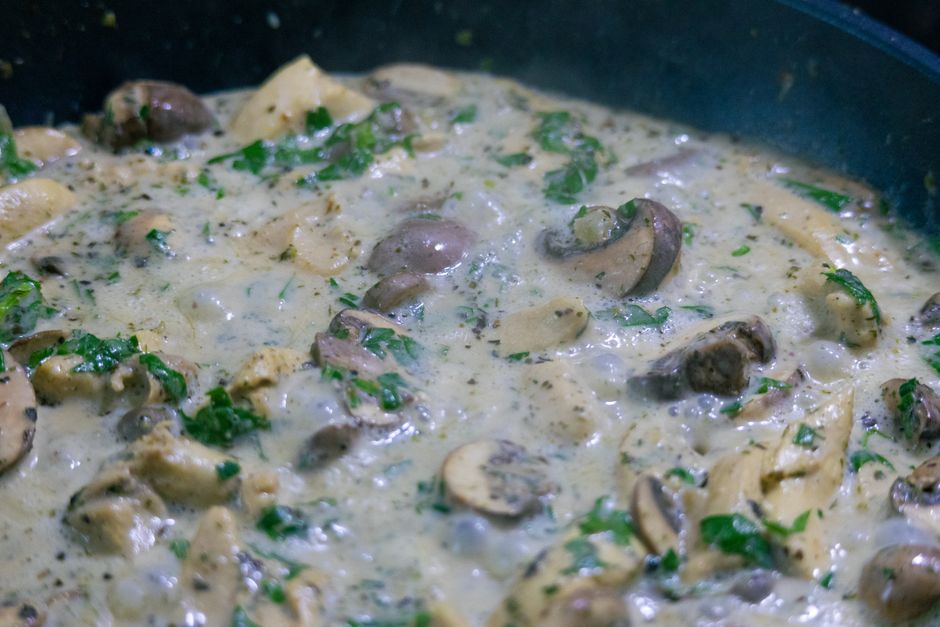
One common method involves a direct emulsification in a pan. This usually begins by melting butter over medium-low heat. Once melted, minced garlic is added and sautéed gently until fragrant and lightly golden, taking care not to brown or burn it, as burnt garlic imparts a bitter taste. Next, the cream is introduced, and the mixture is brought to a gentle simmer. The key here is to maintain a low, consistent heat to allow the cream to thicken slightly without boiling vigorously, which can cause it to split. As the cream begins to thicken, the acid (lemon juice or wine) is stirred in, followed by the chopped fresh herbs. Seasoning with salt and freshly ground black pepper is done to taste, with adjustments made after all other ingredients are incorporated. This method is relatively quick and straightforward, ideal for immediate use.
Another effective technique involves creating a beurre blanc base and then enriching it with cream and herbs. A beurre blanc is essentially an emulsified sauce made from a reduction of white wine and vinegar, whisked vigorously with cold cubes of butter. This creates a stable, glossy emulsion. Once the beurre blanc is achieved, heavy cream is gently stirred in, along with the sautéed garlic and fresh herbs. This method often results in a more refined and stable sauce, as the initial beurre blanc provides a robust emulsification. The reduction of wine and vinegar concentrates their flavors and acidity, providing a strong counterpoint to the richness of the butter and cream.
A third approach utilizes a roux, though this is less common for a creamy garlic and herb butter sauce where the richness primarily comes from butter and cream. However, a very light roux made with butter and flour can be used to thicken the sauce more substantially if a thicker consistency is desired. The roux is cooked briefly to eliminate the raw flour taste, then the liquid (white wine or broth, followed by cream) is gradually whisked in to create a smooth béchamel-like base. Sautéed garlic and herbs are then incorporated. This method offers greater control over sauce thickness but can sometimes yield a less intensely buttery flavor compared to direct emulsification.
Regardless of the chosen method, the principle of emulsification is paramount. Emulsification is the process of dispersing one liquid into another immiscible liquid, such as oil (from butter) and water (from cream and wine). Heat, agitation (whisking), and the presence of emulsifying agents (lecithin in egg yolks, though not typically used here, and the fat globules themselves) facilitate this process. Gentle, consistent heat is crucial to prevent the fat and water components from separating. Overheating can cause the proteins in the cream to denature, leading to a grainy or broken sauce. Adding acidic ingredients too early or in too large quantities can also destabilize the emulsion. Therefore, acids are generally added towards the end of the cooking process, once the sauce has begun to thicken.
The garlic and herb components should be incorporated with care. Sautéing the garlic gently in butter caramelizes its sugars, developing sweetness and reducing its raw bite. Over-sautéing, however, leads to bitterness. Fresh herbs should be added towards the end of cooking to preserve their vibrant color and fresh flavor. Wilting them in the heat is acceptable, but prolonged simmering can diminish their potency. The balance of garlic and herbs is subjective but critical. A strong garlic flavor can overpower delicate herbs, while too few herbs will leave the sauce tasting one-dimensional. Experimentation with different herb ratios and garlic intensity is encouraged.
Seasoning is the final frontier in perfecting creamy garlic and herb butter sauce. Salt is essential for enhancing all the other flavors. It should be added incrementally and tasted throughout the process. Freshly ground black pepper provides a subtle warmth and complexity. A pinch of red pepper flakes can introduce a touch of heat, which can be a welcome counterpoint to the richness. Some chefs advocate for a tiny pinch of sugar to further balance the acidity and round out the flavors, particularly if using a drier wine.
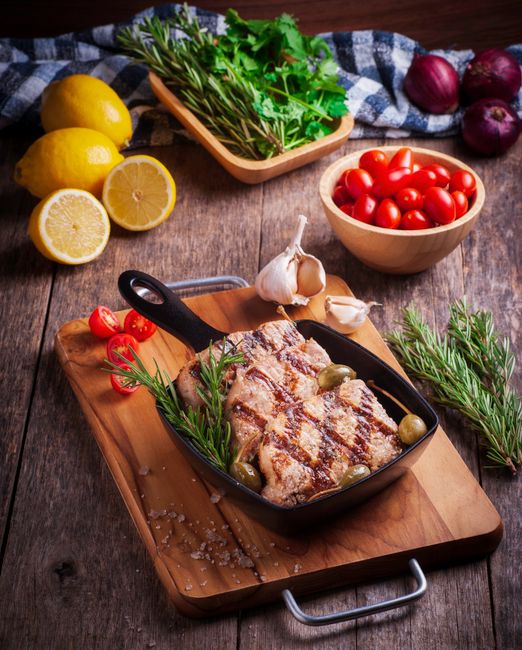
The versatility of creamy garlic and herb butter sauce is where its true culinary power lies. It serves as an exceptional sauce for a multitude of proteins. Pan-seared chicken breasts, pork chops, or lamb chops benefit immensely from a generous ladle of this sauce. The richness of the butter and cream complements the savory notes of the meat, while the garlic and herbs provide aromatic depth. For seafood, it’s a natural pairing. Scallops, shrimp, and white fish like cod or sole are transformed when bathed in this luxurious sauce. The delicate flavor of the seafood is enhanced rather than overwhelmed, creating an elegant dish.
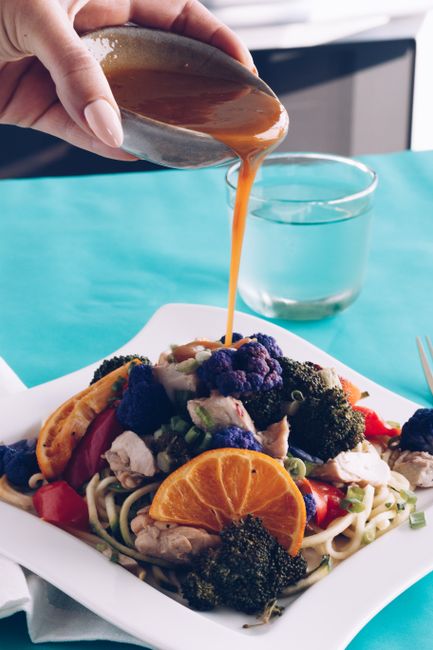
Vegetables are also prime candidates for this sauce. Asparagus, broccoli, green beans, and roasted root vegetables all find a delicious partner in creamy garlic and herb butter sauce. The sauce coats the vegetables, adding moisture, richness, and a burst of flavor. It can also be used to bind cooked vegetables together, creating a cohesive and flavorful side dish. Imagine roasted Brussels sprouts tossed in this sauce, or steamed broccoli florets swimming in its creamy goodness.
Pasta dishes are a natural fit for this sauce. While not a traditional tomato-based sauce, it can be used to coat fettuccine, linguine, or penne, creating a luxurious, creamy pasta. Adding cooked chicken, shrimp, or sautéed mushrooms to a pasta base with this sauce results in a complete and satisfying meal. It can also be used as a finishing sauce for homemade ravioli or tortellini, adding a sophisticated touch.
Beyond simple plating, creamy garlic and herb butter sauce can be a foundation for more complex dishes. It can be used as a base for gratins, adding a creamy, savory element to layered potato or vegetable dishes. It can be stirred into risottos, enriching their creamy texture and infusing them with garlic and herb notes. It can also be used as a dipping sauce for bread, creating a decadent appetizer. For baked goods, it can add a savory dimension to focaccia or herb breads.
When considering variations, the herb profile can be significantly altered. For a Mediterranean twist, consider incorporating fresh oregano, basil, and a touch of lemon zest. For a more robust, earthy flavor, a combination of rosemary, thyme, and sage can be used. Tarragon offers a subtle anise note, perfect for pairing with chicken or fish. Dill, with its fresh, slightly tangy profile, is excellent with salmon or shrimp. The addition of a splash of white wine vinegar or sherry vinegar can provide a tangier, more piquant sauce. A touch of Dijon mustard can also add a subtle sharpness and emulsifying power.
Storage and reheating are important considerations for this sauce. Once cooled, it can be stored in an airtight container in the refrigerator for 2-3 days. Reheating should be done gently over low heat, stirring constantly. Adding a splash of fresh cream or milk can help to re-emulsify the sauce if it has separated slightly during storage. Overheating during reheating can still lead to separation, so low and slow is the mantra. Freezing is generally not recommended as the emulsification can break down, resulting in a grainy texture upon thawing.
In conclusion, creamy garlic and herb butter sauce is a culinary marvel, celebrated for its rich flavor, velvety texture, and unparalleled versatility. Mastering its preparation involves a deep understanding of ingredient quality, precise cooking techniques, and the principles of emulsification. By paying close attention to detail, from the selection of butter to the final seasoning, cooks can consistently produce a sauce that elevates a vast spectrum of dishes, transforming ordinary ingredients into extraordinary culinary experiences. Its adaptability to various flavor profiles and its ability to complement a wide range of proteins, vegetables, and starches solidify its status as an essential component of any well-rounded culinary repertoire.