
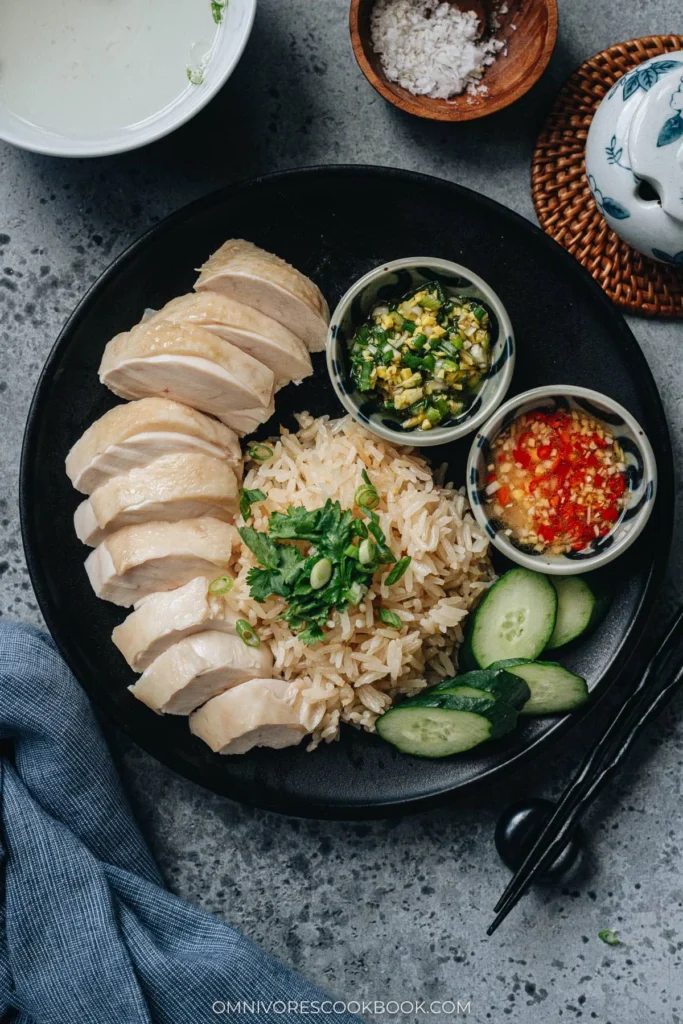
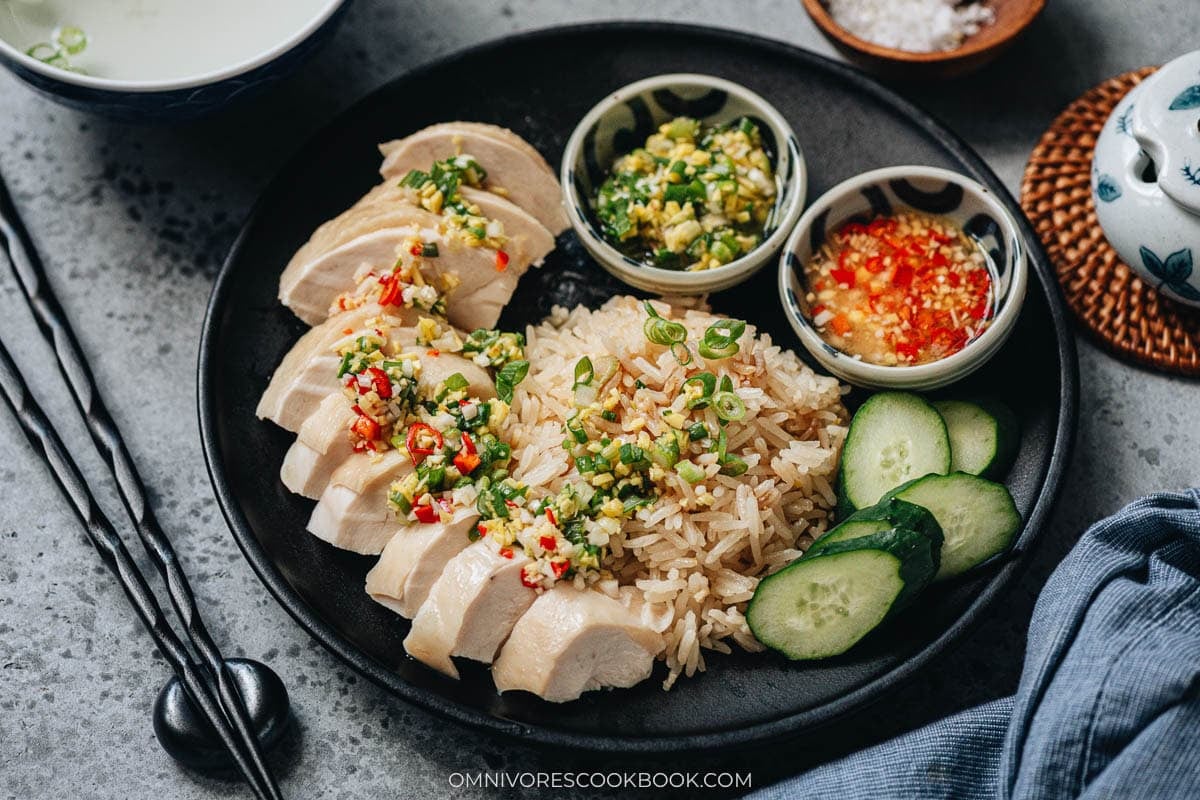
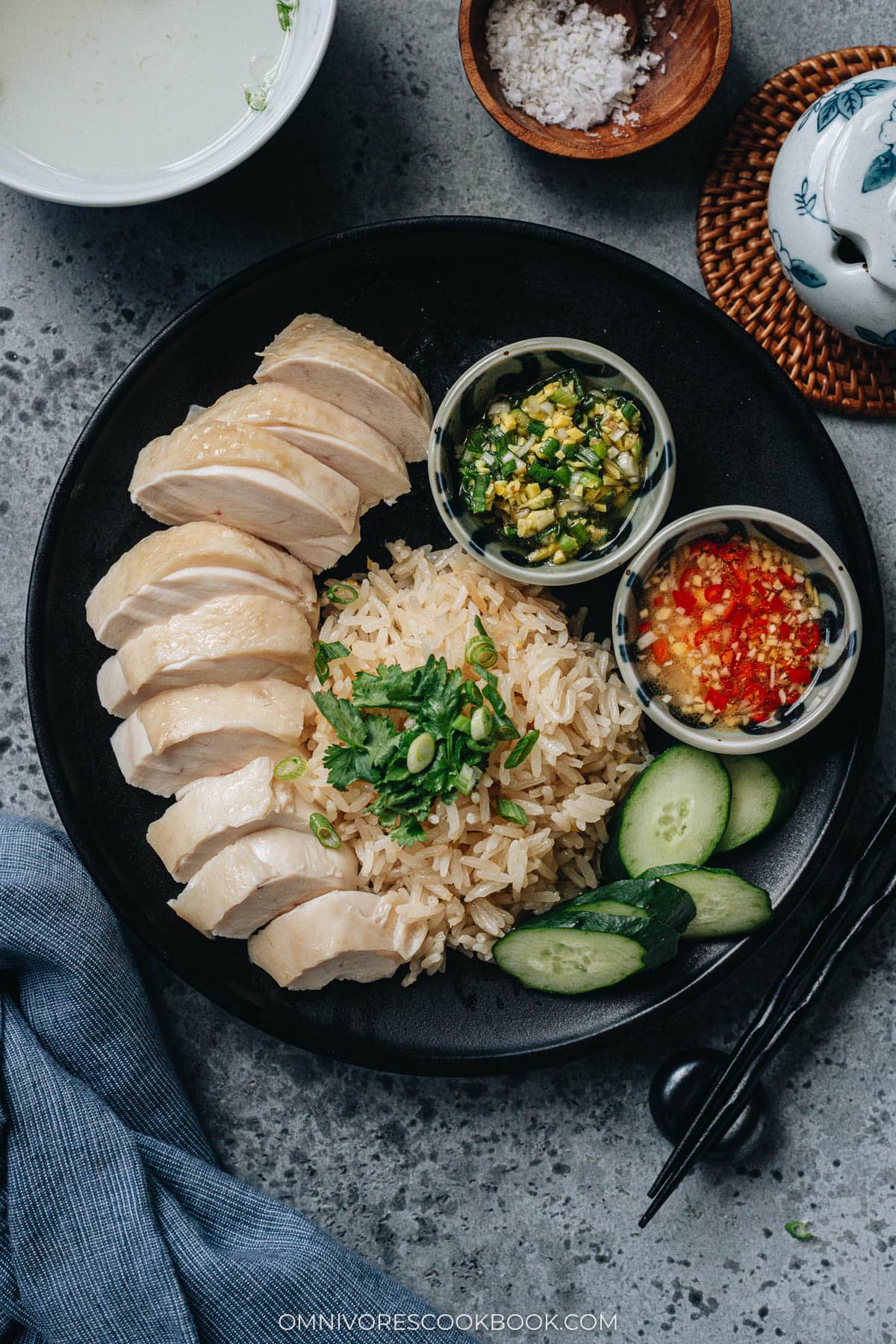
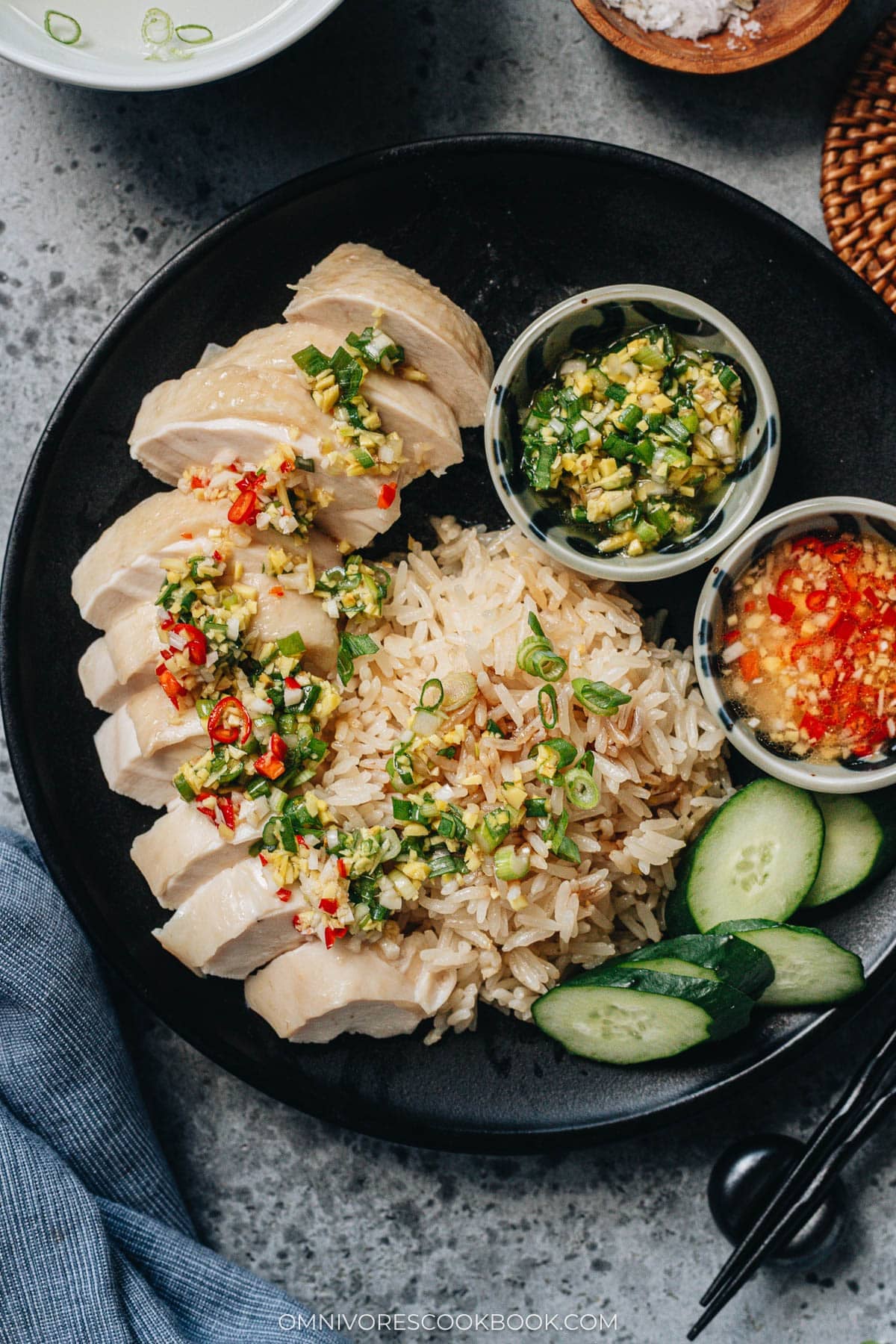
Hainanese chicken rice, a dish of humble origins that evolved into a celebrated cultural anchor across Southeast Asia, represents a masterclass in culinary precision. The dish pairs impeccably poached chicken with rice infused with rendered poultry fat, ginger, and garlic, accompanied by a dynamic trio of dipping sauces: a sharp chili blend, a verdant ginger-scallion oil, and sweet dark soy sauce. While its flavor profile is deceptively clean and mild, the execution demands rigorous attention to technique, making the quality of every component paramount.
Historical Origins and Regional Evolution
The dish traces its lineage to Wenchang, a city in China’s Hainan province, where locals traditionally prepared a specific breed of bony, free-range chicken served with plain, oily rice. Immigrants from Hainan brought the recipe to Nanyang—modern-day Singapore and Malaysia—during the 19th and early 20th centuries.
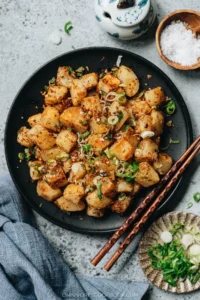
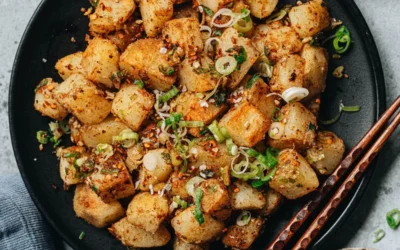
Chinese Sauteed Potato Cumin Chili Home Fries Offer A Fresh Twist On Classic Breakfast Fare
As the diaspora settled in Southeast Asia, local adaptation transformed the dish. In Singapore, where it has attained the status of a national dish, chefs refined the poaching method to ensure a silky skin texture and tender meat, while developing specialized accompaniments tailored to tropical palates. Today, the dish is a staple of hawker centers, high-end dining establishments, and home kitchens alike, serving as a culinary bridge between Chinese heritage and Southeast Asian identity.
Culinary Techniques: Precision in Poaching and Brining
Achieving restaurant-quality Hainanese chicken rice at home requires adherence to specific culinary science principles, particularly regarding temperature control and protein preparation.
Dry Brining
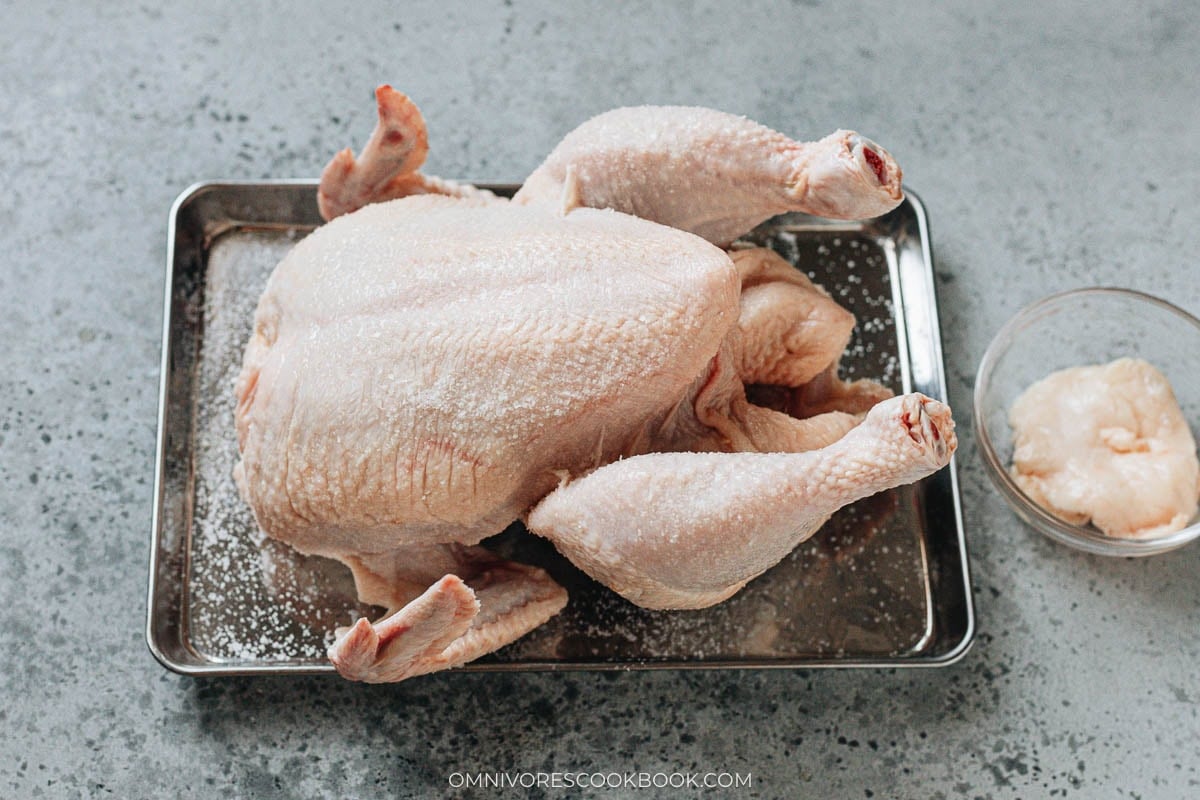
Culinary experts recommend a dry-brining process, ideally allowing a salted whole chicken or bone-in pieces to rest uncovered in a refrigerator overnight. This allows sodium ions to penetrate the muscle tissue, denaturing proteins to retain moisture during cooking and ensuring even seasoning throughout the meat rather than just on the surface.
Gentle Poaching
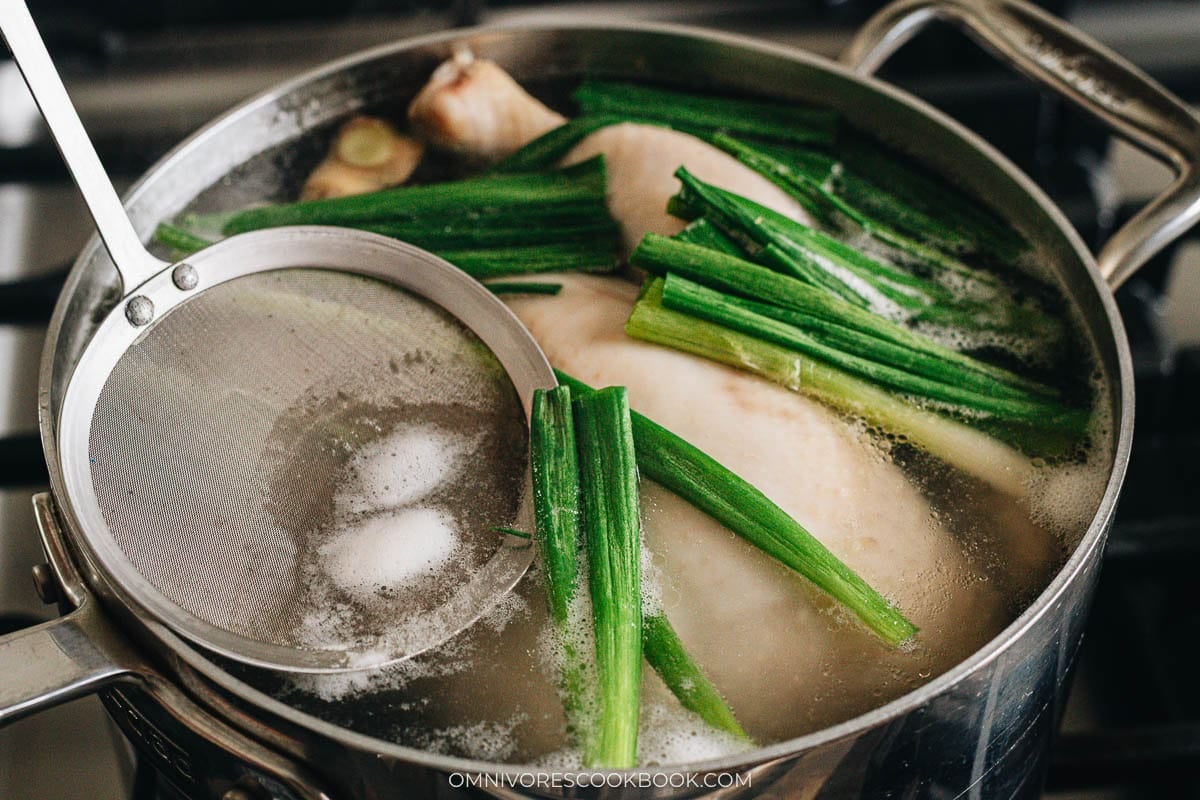
The cornerstone of the dish is the poaching technique. Rapid boiling forces moisture out of poultry fibers, resulting in a tough and dry texture. Maintaining the poaching liquid at a bare simmer—just below the boiling point—guarantees that the collagen breaks down gently while keeping the muscle tissue succulent.
Temperature Verification
Professional kitchens rely on immediate-read digital thermometers rather than arbitrary time limits. Pulling the chicken precisely when the thickest part of the thigh registers 165°F (74°C), followed by an immediate ice-water bath, halts residual cooking and locks in juices while setting the gelatinous skin.
The Components of a Complete Meal
A traditional serving of Hainanese chicken rice comprises several distinct elements, each requiring specific preparation methods:
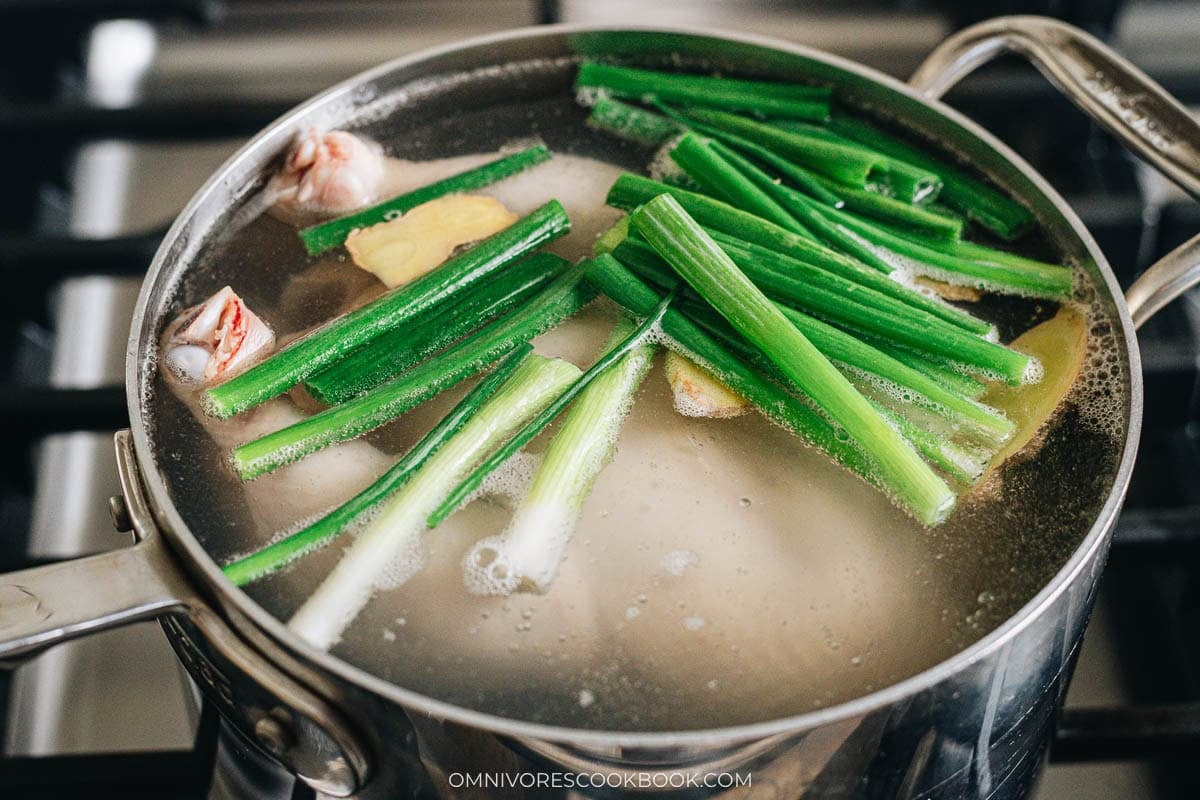
- The Chicken: Typically a 3- to 4-pound bird, gently poached with scallions and ginger, then coated lightly with sesame oil post-chill to prevent drying and impart aroma. Bone-in, skin-on pieces such as thighs and drumsticks serve as a manageable alternative for home cooks.
- The Rice: Jasmine rice is thoroughly rinsed to remove excess surface starch, ensuring separate, fluffy grains. The grains are then toasted in rendered chicken fat alongside minced garlic and ginger before being cooked in rich chicken broth.
- The Sauces:
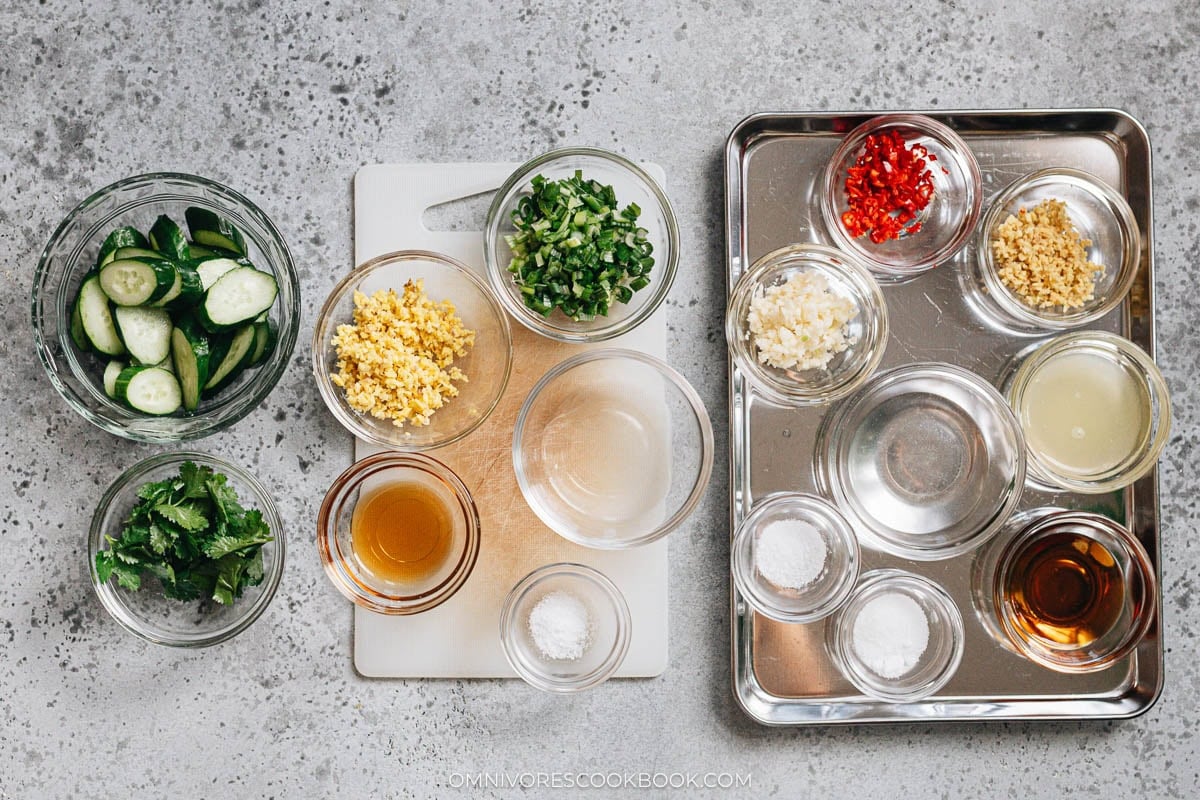
- Chili Sauce: A bright, pungent blend of red bird’s eye chilies, garlic, ginger, lime juice, and a splash of poaching broth, offering acidity and heat.
- Ginger Scallion Sauce: Finely minced aromatics combined with warm broth, salt, and sesame oil for a savory finish.
- Sweet Soy Sauce: A thick, caramelized condiment providing a balance of sweetness and umami.
- Accompaniments: Sliced Persian or English cucumbers provide a crisp, refreshing textural contrast, while a clear, simmered chicken broth garnished with scallions is served on the side.
Cultural Impact and Global Adaptations
The global spread of Hainanese chicken rice reflects the broader mobility of Asian diaspora cuisine. Once confined to specific regional enclaves, the dish has gained traction in international metropolitan food scenes, driven by food tourism and the global popularity of Singaporean hawker culture, which was inscribed on the UNESCO Representative List of the Intangible Cultural Heritage of Humanity in 2020.
Food historians and culinary analysts note that the enduring appeal of Hainanese chicken rice lies in its minimalist presentation. Because the ingredients are simple, flaws in preparation cannot be masked by heavy sauces or aggressive spices. This transparency of technique has inspired generations of chefs to continually refine the recipe, balancing historical authenticity with modern home-cooking conveniences such as rice cookers and accessible cuts of meat.
As home cooks increasingly seek out comforting, authentic dishes that rely on foundational culinary skills rather than processed shortcuts, updated iterations of Hainanese chicken rice continue to bridge cultures, preserving a centuries-old heritage for modern tables worldwide.



0 Komentar
Sampaikan opini dan diskusi yang membangun dengan bahasa yang santun.
Belum Ada Komentar
Jadilah yang pertama memberikan tanggapan mengenai berita ini.