
As the calendar approaches October 31, the intersection of culinary tradition and festive preparation becomes a significant focus for households across North America. Halloween, rooted in the ancient Celtic festival of Samhain and transformed over centuries into a secular celebration of communal engagement, has evolved into a multi-billion-dollar industry. Recent market analysis from the National Retail Federation indicates that consumer spending on Halloween-related goods—including candy, costumes, and decorations—is expected to reach record highs this year, with food and candy accounting for a substantial portion of the total expenditure. For home cooks, this period necessitates a strategic approach to menu planning that balances efficiency, thematic creativity, and time management.
The Evolution of Halloween Gastronomy
Historically, Halloween treats were tethered to the harvest season, utilizing ingredients like apples, pumpkins, and corn. In the contemporary era, the focus has shifted toward visual storytelling through food. Professional chefs and home cooks alike now emphasize "themed aesthetics," where common dessert formats like bark, cookies, and pastry-wrapped appetizers are re-engineered to reflect traditional spooky motifs.
Data from the food industry suggests that "interactive" or "activity-based" snacks—such as those requiring assembly by children—have seen a 15% increase in popularity over the last decade. This trend aligns with the broader movement of "experience-based dining," where the process of food preparation serves as a component of the social event itself. Whether for school parties, trick-or-treat gatherings, or domestic movie screenings, the modern host must synthesize the convenience of "make-ahead" recipes with the demand for thematic flair.
54 Best Strawberry Dessert Recipes
Strategic Planning and Chronology of Preparations
Successful event planning for October 31 requires a tiered timeline. Culinary experts recommend a three-phase preparation schedule to mitigate stress and ensure food quality:
Phase 1: The Foundation (Two Weeks Prior)
Focus on shelf-stable ingredients and non-perishable decorations. This includes sourcing specialty baking supplies, non-perishable candies, and planning the menu for complex items that require freezing.
Phase 2: The Production (Three to Five Days Prior)
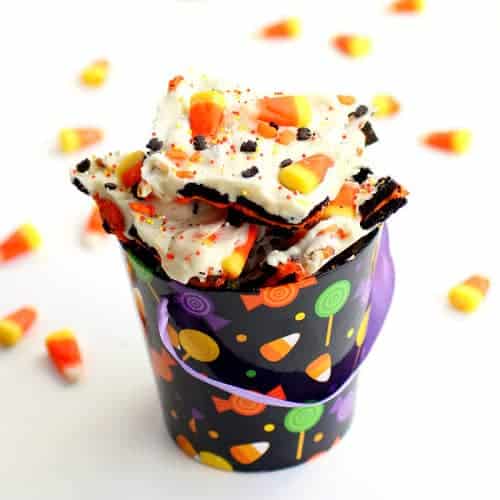
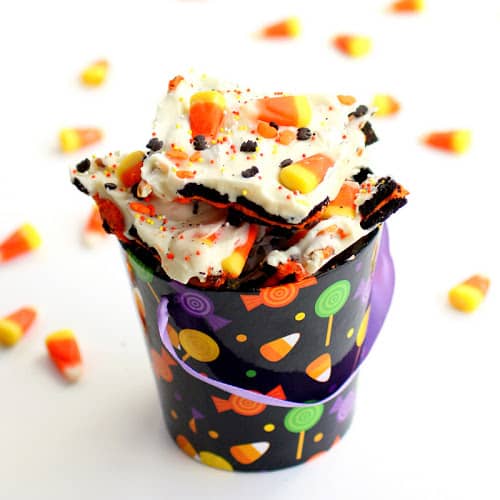
This phase is dedicated to items that benefit from aging or can be refrigerated without loss of texture. Items such as cookie doughs, specialized sugar cookies, and complex dessert barks fall into this category. Research indicates that chocolate-based desserts, such as candy corn-infused bark, maintain optimal quality when stored in controlled, cool environments for up to 72 hours before service.
Phase 3: The Assembly (24 Hours Prior)
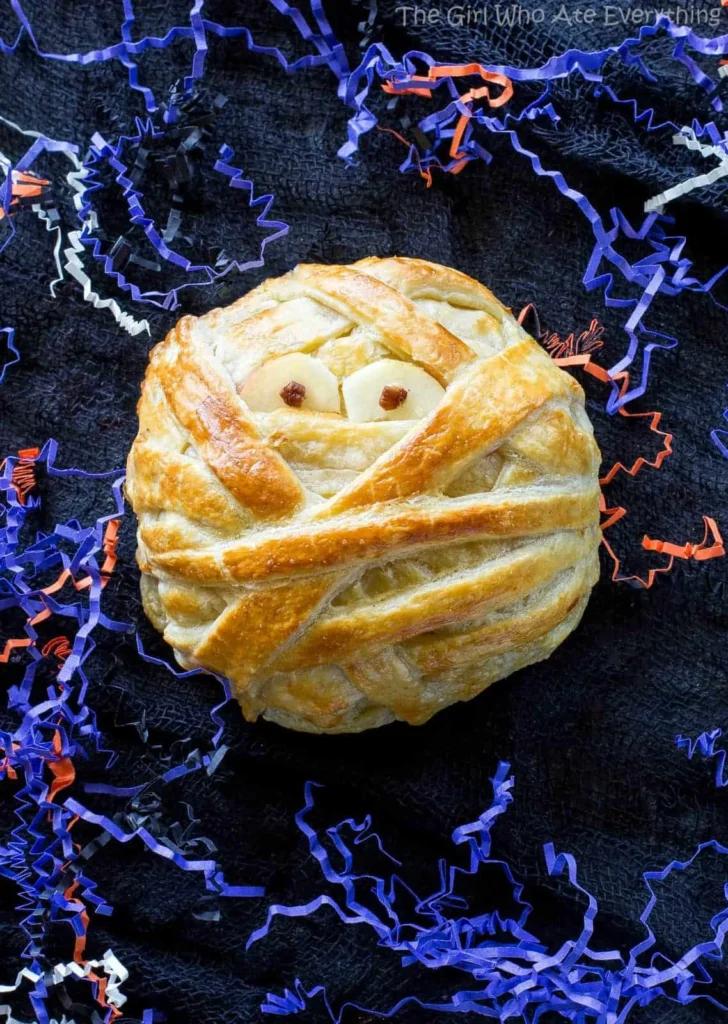
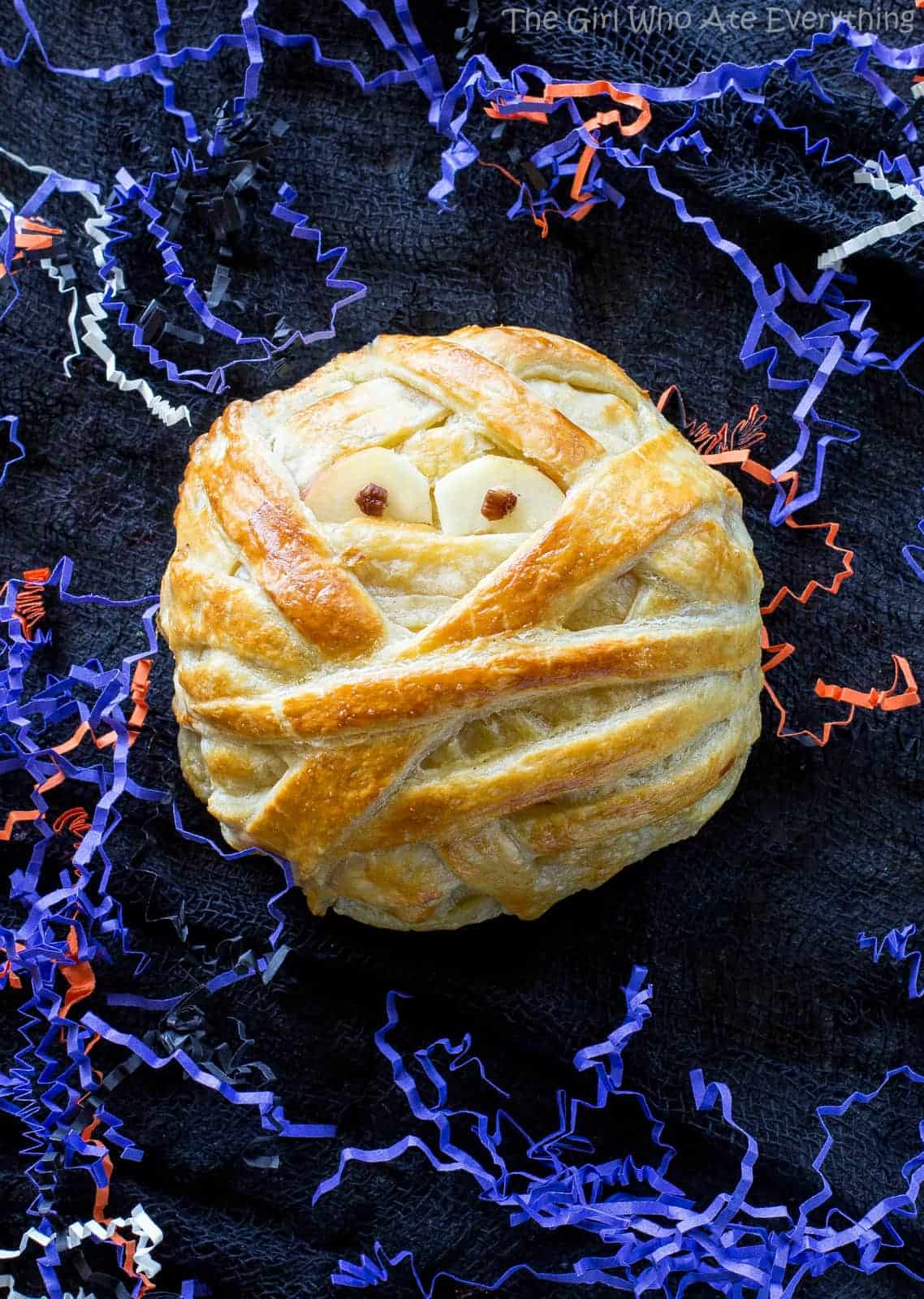
The final phase focuses on high-moisture items, such as savory appetizers (e.g., puff pastry-wrapped brie) or main courses like themed shepherd’s pie. By deferring the final bake until the day of the event, hosts ensure the integrity of the pastry and the temperature of the protein, which are critical factors in the safety and palatability of party foods.
Nutritional and Economic Implications
While Halloween is frequently associated with high sugar intake, there is a noted shift toward integrating savory, nutrient-dense options into party menus. The incorporation of baked brie or protein-heavy shepherd’s pie reflects an attempt by hosts to balance the caloric load of the holiday.
From an economic perspective, the surge in demand for seasonal baking ingredients often results in price fluctuations in the retail sector. Supply chain analysts note that retailers frequently bundle items—such as puff pastry, seasonal cheeses, and specialty toppings—to capitalize on the demand for complex, "homemade" presentations. For the consumer, this requires a disciplined approach to grocery procurement to avoid unnecessary expenditures on specialty items that see limited use throughout the remainder of the year.
Thematic Culinary Techniques
The methodology behind creating "spooky" food involves manipulating common culinary techniques to achieve a desired visual effect. For instance, the use of puff pastry to mimic the appearance of a mummy is a popular application of structural baking. By layering dough in strips and utilizing elements like olives or pimentos for eyes, the host creates a narrative element within the dish.
Similarly, the "Dracula denture" concept—a combination of cookies, marshmallows, and almond slices—demonstrates the use of texture contrast to create a sensory experience. Such techniques are not merely cosmetic; they are effective tools for engagement in social settings. According to consumer psychologists, food that possesses an unconventional appearance triggers higher levels of communal interaction and conversation, thereby enhancing the overall success of the social gathering.

Broader Impact on Domestic Social Patterns
The practice of hosting Halloween-themed events has significant implications for domestic social patterns. As communal neighborhood gatherings become more structured, the food served acts as a primary catalyst for social cohesion. The rise of themed dinner parties, featuring items like "spooky" shepherd’s pie, indicates a transition away from traditional, candy-only events toward a more holistic dining experience.
Industry professionals observe that this trend is supported by the increasing accessibility of recipe databases and video tutorials, which have democratized complex culinary techniques. Where once intricate food art was the domain of professional caterers, it is now a standard expectation for private hosts. This democratization of the culinary arts has fostered a culture of "home-kitchen excellence," where the domestic host is measured not just by the taste of their food, but by the thematic coherence and visual presentation of the meal.
Safety and Quality Standards
When preparing food for larger groups or school-aged children, adherence to food safety protocols remains paramount. Even with "fun" or "spooky" recipes, the fundamental rules of temperature control and cross-contamination prevention must be observed. For items like baked brie, which contain high-fat dairy, maintaining proper refrigeration until the moment of service is critical to preventing bacterial growth. Similarly, when involving children in the assembly of treats, sanitization practices must be strictly enforced.
Experts emphasize that the focus on aesthetics should never supersede food safety. As the demand for elaborate Halloween spreads grows, so too does the importance of consumer education regarding the safe handling of ingredients. The use of pre-packaged, shelf-stable components is often recommended for those with limited time, as it minimizes the risks associated with raw ingredient handling and prolonged prep times.
Conclusion
As October 31 approaches, the successful orchestration of Halloween festivities rests on a foundation of logistical preparation and creative execution. By breaking down the daunting task of holiday catering into manageable phases and prioritizing both visual impact and culinary safety, hosts can effectively manage the demands of the season. The integration of traditional fall flavors with innovative, thematic presentations continues to define the modern Halloween experience, reflecting a broader trend of creativity and communal engagement that characterizes the autumn months. Whether through the simplicity of a ten-minute dessert or the complexity of a curated dinner party, the focus remains on the capacity for food to serve as a bridge for connection and celebration in an increasingly fast-paced society.



0 Komentar
Sampaikan opini dan diskusi yang membangun dengan bahasa yang santun.
No Comments Yet
Be the first to share your thoughts on this story.