

The COVID-19 pandemic delivered an unprecedented shock to the global hospitality industry, forcing millions of establishments to make severe cutbacks just to survive. As mandated shutdowns, dwindling foot traffic, and mounting debt threatened to permanently close countless doors, a traditional industry built on notoriously thin profit margins was pushed to the brink of collapse. For decades, the standard operating model of the American restaurant relied heavily on low wages, grueling hours, nonexistent benefits, and a high-turnover culture. However, as the public health crisis subsided into a prolonged labor shortage—with the Bureau of Labor Statistics reporting hundreds of thousands of unfilled jobs compared to pre-pandemic baselines—forward-thinking operators recognized that returning to the old, dysfunctional status quo was no longer viable.
Amid widespread uncertainty and the persistent threat of closure, a growing cohort of independent restaurant owners chose a radically counterintuitive path: instead of slashing budgets, they invested heavily in their people. By raising base wages, offering comprehensive health care, implementing paid time off, and rethinking daily operations, these restaurateurs are proving that prioritizing employee well-being is not just a moral imperative, but a remarkably sound business strategy.

The Gamble That Saved Bell’s: A Case Study in Los Alamos
The transformation of Bell’s, a French-inspired bistro located in the small California town of Los Alamos, offers a prime example of this paradigm shift. In June 2020, following a mandatory two-month pause on indoor dining, co-owners Greg and Daisy Ryan faced the same existential dread haunting operators nationwide. While many competitors pivoted exclusively to takeout, embraced retail models, or closed indefinitely, the Ryans decided to allocate a substantial portion of their remaining capital directly toward their workforce.
The couple hiked average wages to $27 an hour and introduced comprehensive perks, including fully paid health care coverage and 80 hours of paid time off. To finance these structural enhancements without operating at an unsustainable loss, the Ryans completely overhauled their business model. Through meticulous financial planning—analyzing hard costs like real estate against flexible expenses like food and labor—they consulted with industry veterans from the Union Square Hospitality Group and the Thomas Keller Restaurant Group. Their solution was simple yet effective: replacing an à la carte menu with a consistent, pre-fixe dinner format.
Initially priced at $65 for five courses with an included 20 percent service fee in lieu of tipping, the pre-fixe model guaranteed a predictable break-even point while eliminating the volatility of food costs and tipping disparities. As inflationary pressures mounted, the menu adjusted to $75 per person by October 2021, supported by profitable add-ons such as wine, caviar, and artisanal bread.
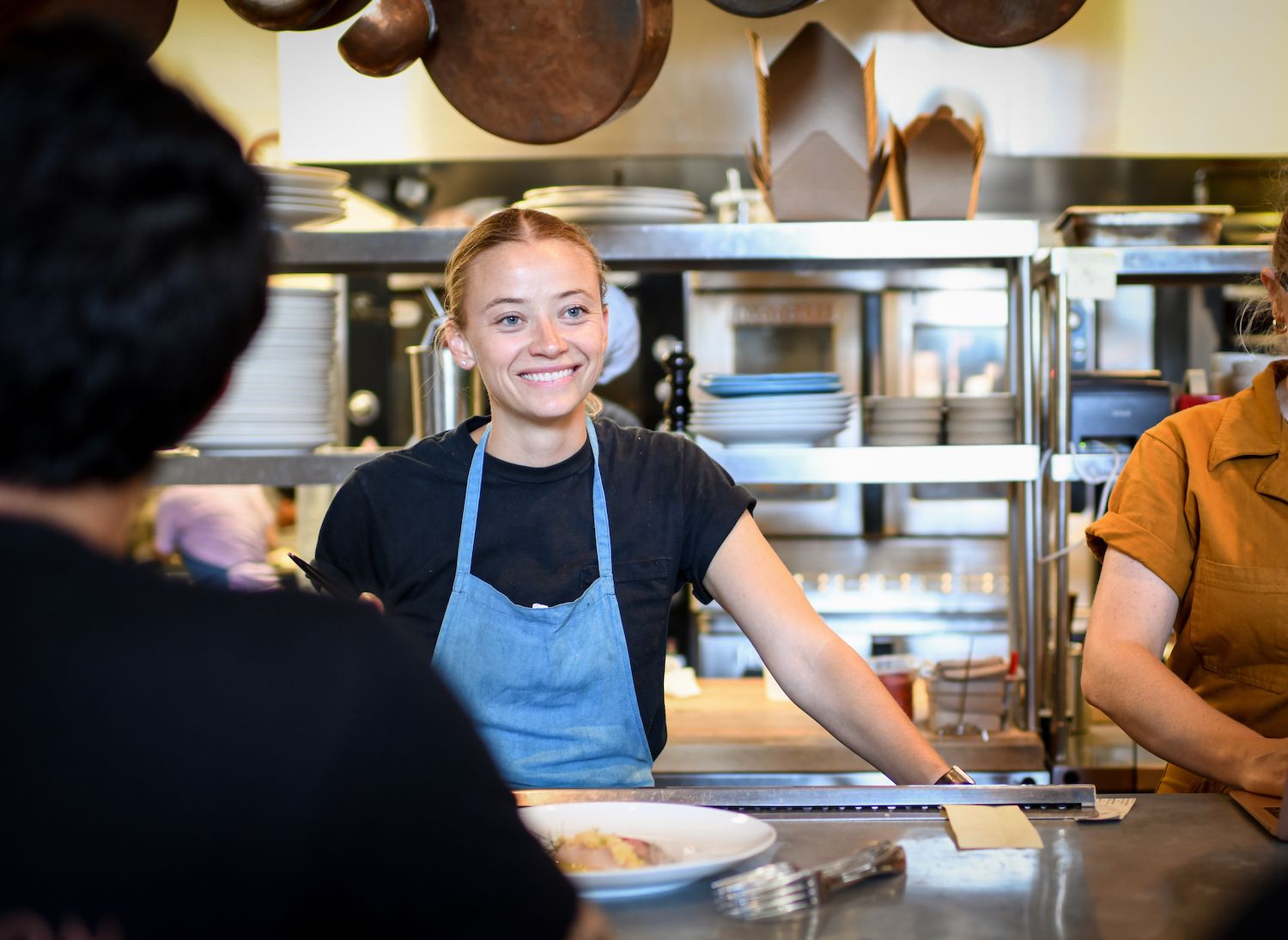
The financial and operational results proved astonishing. Prior to the pandemic in 2019, Bell’s cleared roughly $1 million in annual revenue. By 2021, despite ongoing public health challenges, revenue surged to approximately $3 million, while staff retention soared above 95 percent. The Ryans attribute part of this success to early strategic advantages—such as purchasing their commercial building to lock in real estate costs and securing federal relief through Paycheck Protection Program (PPP) loans and Economic Injury Disaster Loans (EIDL)—yet the core driver remains their unwavering commitment to employee investment.
Rethinking Labor: Innovations Across California and Beyond
The success experienced at Bell’s is part of a broader, nationwide movement among independent operators seeking sustainable alternatives to high-turnover models. In Oakland, California, the natural wine bar and restaurant Daytrip has implemented similarly progressive labor practices despite operating on a tighter financial shoestring. Co-owner Stella Dennig estimated that employee compensation accounts for 40 to 48 percent of the restaurant’s total outlays on a healthy week—well above the conventional industry standard of 30 percent.
Daytrip bolsters starting base wages of $16 to $18 an hour—slightly higher than Oakland’s statutory minimum wage—with a pooled 20 percent service fee distributed evenly among hourly staff. Additionally, the establishment provides quarterly financial workshops and a scaling health care stipend of up to $300 a month for full-time employees. To offset these elevated labor costs and support diverse revenue streams, Daytrip has diversified its offerings through curated beverage clubs, nighttime natural wine pop-ups, and prospective daytime coffee and pastry services. By generating continuous micro-revenues outside of traditional sit-down dinner hours, the business maintains financial stability while keeping labor metrics manageable.

Similar innovations are taking root on the East Coast. In Troy, New York, Tim Taney, co-owner of the burger restaurant Slidin’ Dirty, expanded employee benefits to include company-covered health insurance and wellness memberships. Within a year, staff retention spiked dramatically, with only a single employee departing during that period. Taney noted that the substantial upfront investment was largely offset by the dramatic reduction in hidden operational expenses, such as the estimated $500 monthly cost of training new hires.
Meanwhile, in Washington, D.C., restaurant group Knead Hospitality + Design initiated a six-month pilot program at its Mi Vida and Succotash National Harbor locations. Co-founder Jason Berry transitioned managers and chefs from traditional five-day, 11- to 12-hour onsite workweeks to compressed four-day, 12-hour shifts, allowing administrative tasks like scheduling and menu planning to be completed remotely. Although the schedule adjustment required hiring additional management personnel, Berry projects that drastically improved retention will neutralize steep recruitment commissions—which typically run 15 percent of a new hire’s annual salary—while preserving vital institutional knowledge among kitchen staff.
The Human Impact: Dignity and Institutional Retention
For frontline hospitality workers, these structural reforms represent a profound departure from the historical precarity of restaurant labor. Micah Fendley, a career server with two decades of industry experience, received health insurance for the first time through his employment at Bell’s. The inclusion of comprehensive medical coverage, coupled with paid winter breaks, fundamentally transformed his relationship with his profession.
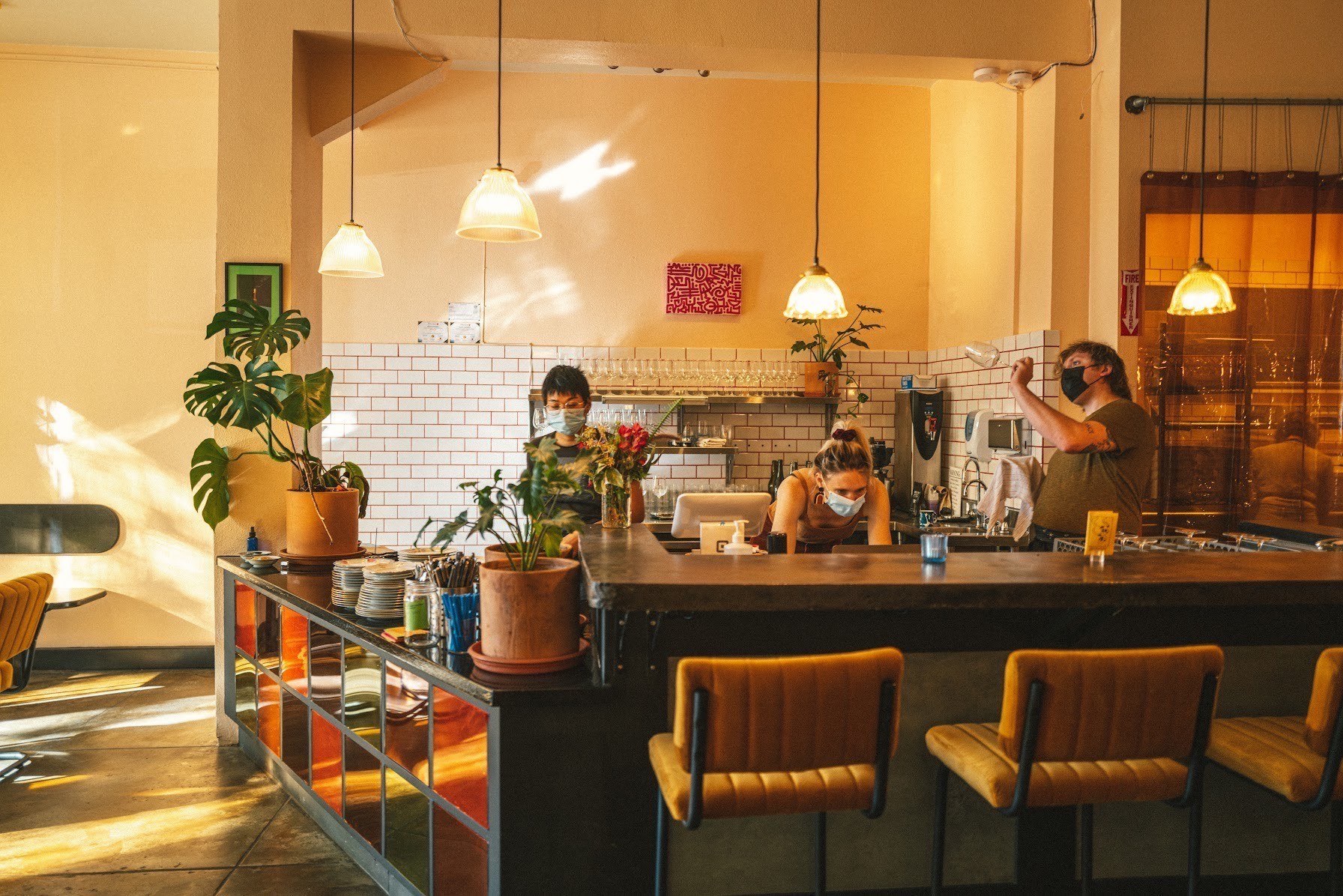
"I’m proud more than anything that I have a job that respects me enough that pays for my health insurance," Fendley remarked, noting that returning from a well-rested vacation dramatically elevated his daily performance and mental clarity.
Experts emphasize that improving retention and workplace culture does not always require massive capital outlays. Anne McBride, vice president of programs at the James Beard Foundation, points to organizational research indicating that a primary driver of industry attrition is the historical lack of clear career progression pathways within restaurants. By formalizing structured frameworks for professional advancement, skill acquisition, and wage growth, operators can successfully transform transient food service jobs into sustainable, long-term careers without necessarily upending their underlying financial models.
Broader Implications for the Future of American Dining
As the American economy continues to navigate post-pandemic realities, the restaurants pioneering these progressive labor models are establishing a new benchmark for the entire hospitality sector. While systemic challenges—including rising food costs, supply chain volatility, and legislative shifts regarding service charges and taxes—continue to test operators, the empirical evidence gathered over the past several years suggests a clear path forward.

When independent restaurants treat their workforces as invaluable human assets rather than expendable commodities, the resulting decrease in turnover, boost in service quality, and stabilization of operational costs frequently outweighs the initial financial outlay. For pioneers like Greg and Daisy Ryan, the journey is far from complete, with upcoming plans to introduce comprehensive retirement matching programs and expanded vision and dental coverage. Ultimately, these industry leaders are demonstrating that a more equitable, humane approach to restaurant management is not merely an idealistic goal, but a proven blueprint for long-term commercial viability in a modern economy.









0 Komentar
Sampaikan opini dan diskusi yang membangun dengan bahasa yang santun.
No Comments Yet
Be the first to share your thoughts on this story.