
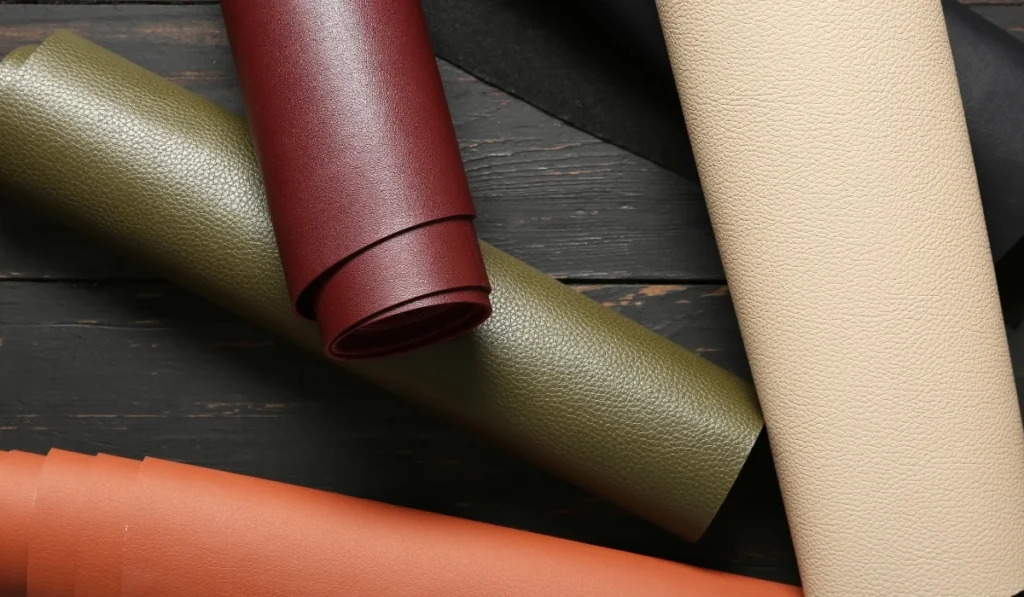
The British leather industry, once a cornerstone of the nation’s manufacturing heritage, underwent a precipitous decline over the past three decades. As global supply chains shifted toward lower-cost production hubs in Asia and South America, and as synthetic alternatives—often derived from fossil fuels—flooded the market, the UK’s network of tanneries and processing facilities began to shutter. Today, the sector stands at a critical juncture, caught between the obsolescence of its industrial past and a burgeoning interest in sustainable, traceable, and high-quality artisanal production.
The Anatomy of a Collapse: From Global Hub to Landfill
Historically, the UK was a world leader in leather production, capitalizing on a robust domestic livestock sector. However, the economic landscape shifted in the late 20th century. Trade liberalization and the rise of "fast fashion" incentivized brands to pursue cheaper raw materials, often sourced from regions with less stringent environmental and labor regulations. As demand for British hides plummeted, the infrastructure required to process them followed suit.
For the modern British farmer, this decline has resulted in a logistical and financial burden. Without a local market for hides, these byproducts of the meat industry are increasingly treated as waste. Statistics indicate that a significant percentage of UK cattle hides are now shredded, processed through anaerobic digesters for energy, or relegated to landfills. This represents not only an economic loss but a missed opportunity for a circular economy.
The decline of the tannery sector has also exacerbated the fragility of the UK’s local abattoir network. Abattoirs serve as the essential link between the farm gate and the finished product. When local slaughterhouses close—often due to the loss of secondary revenue streams like hides—farmers are forced to transport livestock over greater distances, increasing costs, adding to the carbon footprint of meat production, and raising legitimate animal welfare concerns regarding transit times.
A Timeline of Transformation
The trajectory of British leather can be viewed through several distinct phases:
- 1970s–1990s: The peak of the domestic industry, supported by a dense network of local tanneries and a steady demand for high-quality, locally sourced leather goods.
- 2000s–2015: The "Synthetic Shift." The rapid growth of polyurethane and polyester-based "vegan leathers" drastically undercut the price of natural hides. Many legacy tanneries declared insolvency.
- 2016–2022: Growing scrutiny of the fashion industry’s environmental impact. Consumers began to question the longevity and chemical composition of plastic-based materials, creating a niche market for "slow fashion."
- 2023–2026: The emergence of "Pasture-Based" initiatives. Organizations like British Pasture Leather (BPL) and collaborations with luxury houses such as Mulberry have begun to formalize a new model based on traceability and environmental stewardship.
The Sustainability Paradox: Conventional vs. Craft
The debate surrounding the sustainability of leather is complex. Academic research published in ACS Sustainable Chemistry and Engineering has underscored the significant environmental footprint of global mass-produced leather, noting that emissions per kilogram of bovine leather can exceed those of synthetic alternatives by a factor of twelve. These figures are primarily driven by the energy-intensive nature of industrial tanning, which frequently relies on chromium salts and large-scale water consumption.
However, advocates for a domestic revival argue that this data lacks nuance when applied to the British context. The argument for "pasture-based" leather hinges on three pillars:
- Circular Utility: Utilizing hides that would otherwise be discarded converts a waste product into a high-value asset, improving the economic viability of the farm.
- Vegetable Tanning: By returning to traditional tanning methods—using tannins extracted from bark and plant matter—tanneries can eliminate the toxic chromium runoff associated with industrial processes.
- Traceability: Modern initiatives offer "farm-to-product" transparency. When consumers can trace a leather handbag back to a specific herd grazing on species-rich, biodiverse grasslands, the ethical and environmental profile of the product changes entirely.
Industry Perspectives and the Role of Luxury
The involvement of luxury brands is arguably the most significant driver of this shift. Luxury houses, facing increasing pressure from investors and consumers to decarbonize their supply chains, are finding that the "Made in Britain" label carries both marketing power and ESG (Environmental, Social, and Governance) credibility.
Mulberry’s partnership with BPL represents a strategic move to secure high-quality, ethically sourced materials while insulating the brand from the volatility of global commodity markets. By investing in local supply chains, these brands are not merely purchasing a material; they are participating in the revitalization of a rural ecosystem.
Farmer Andy Rumming of Wiltshire, who has pivoted toward on-farm workshops and leather production, suggests that the future of the industry lies in education. "By allowing people to see the process—from the pasture to the finished shoe—we bridge the gap between the consumer and the land," he notes. This sentiment reflects a broader movement to re-localize production and restore value to agricultural byproducts.
The Measurement Gap: The Global Farm Metric
If the revival of British leather is to be more than a boutique trend, it requires a standardized framework for verification. The Global Farm Metric (GFM) has emerged as a critical tool in this endeavor. Unlike traditional audits that focus solely on production volume, the GFM assesses the holistic health of a farm, including biodiversity, soil carbon, and social impact.
For the leather industry, this framework provides the "robust proof" required to justify higher price points. By demonstrating that a specific hide originated from a farm that enhances, rather than degrades, its local ecosystem, brands can provide consumers with the assurance they require. This shift from volume-based purchasing to value-based sourcing is likely to be the catalyst for the sector’s long-term survival.
Economic and Environmental Implications
The revitalization of the British leather sector has broader implications for food security and rural resilience. A functioning, profitable abattoir and tanning network supports a decentralized food system. When farmers can rely on a secondary income stream from hides, the viability of small-to-medium-sized farms improves, preventing the consolidation of land and supporting rural employment.
Moreover, the environmental impact of this model stands in stark contrast to the global status quo. Livestock grazing on regenerative, species-rich pastures sequester carbon and support local pollinators, offering a stark alternative to the deforestation and chemical-heavy practices that dominate the global leather trade.
Conclusion: A Future Built on Legacy
The revival of British leather is not an attempt to return to the industrial scale of the 20th century, but rather an effort to carve out a sustainable, high-value niche in the 21st. The challenge remains the price disparity; as long as synthetic alternatives are artificially cheap due to externalized environmental costs, natural, traceable leather will remain a premium product.
Yet, as scrutiny over supply chain ethics intensifies, the narrative is shifting. The transition from a "waste-to-landfill" mindset to one of "value-from-the-landscape" represents a fundamental change in how we perceive the relationship between fashion, farming, and the environment. Whether this movement remains a niche pursuit for luxury houses or scales to influence a wider market depends on the continued integration of rigorous, data-backed standards and the unwavering demand for transparency from the modern consumer.
As the industry stands in 2026, the path forward appears clear: success will not be measured by the speed of production, but by the integrity of the process. In the intersection of centuries-old craftsmanship and modern sustainability metrics, the British leather industry may have found its only viable path to survival.







0 Komentar
Sampaikan opini dan diskusi yang membangun dengan bahasa yang santun.
No Comments Yet
Be the first to share your thoughts on this story.