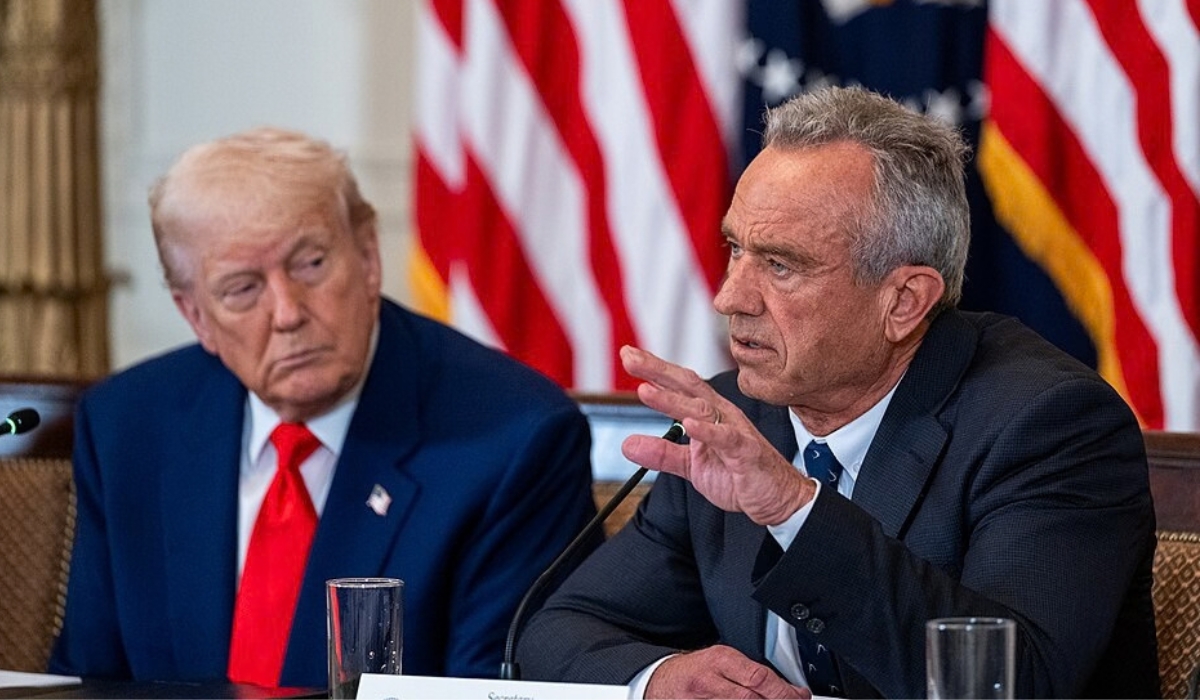
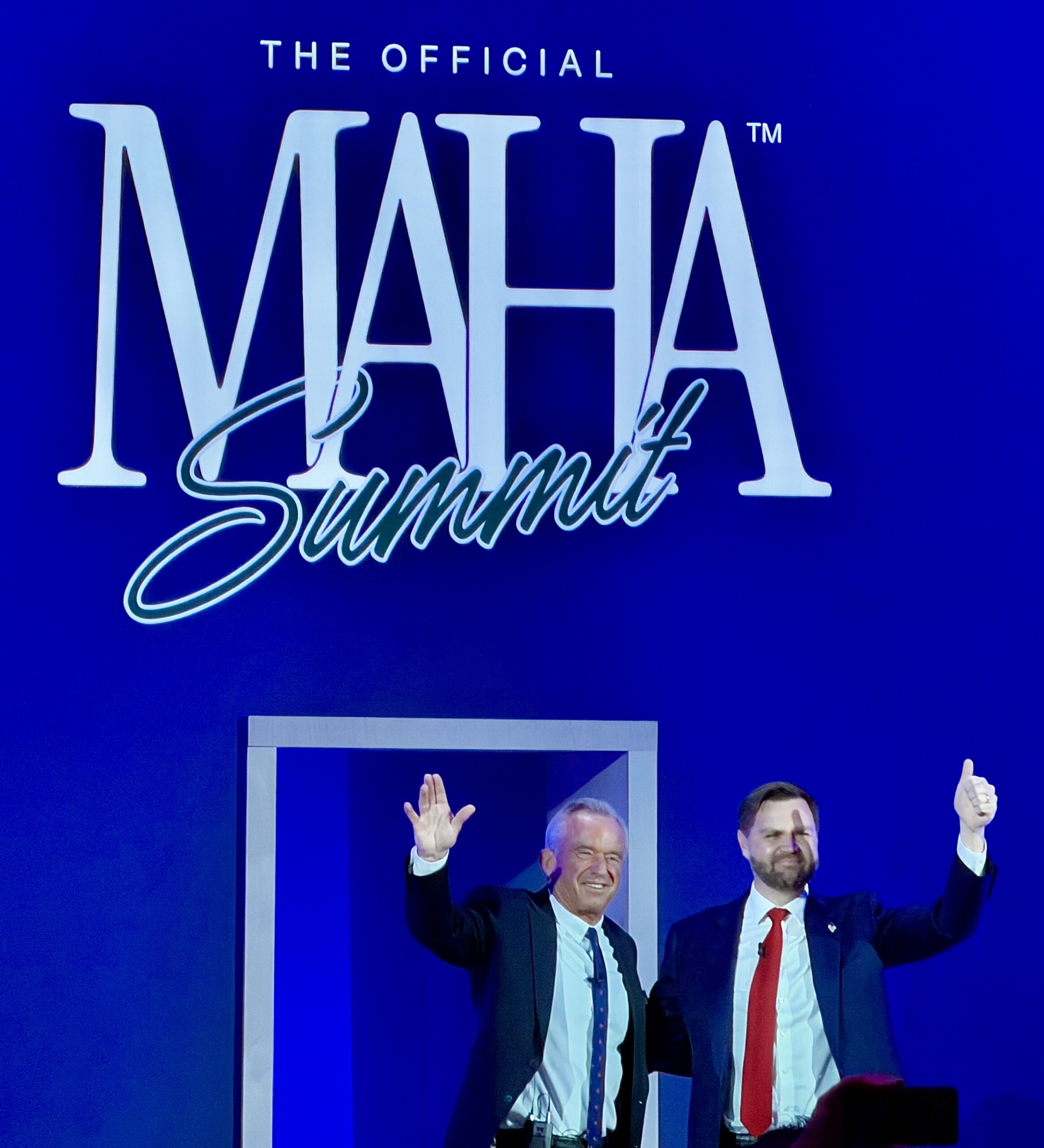
The intersection of public health and national agricultural policy has historically been a peripheral concern in American presidential campaigns. However, the 2024 election cycle marked a definitive shift in this paradigm. Central to this transformation was the emergence of the "Make America Healthy Again" (MAHA) movement, spearheaded by Robert F. Kennedy Jr. during his independent presidential bid. The movement effectively bridged the gap between fringe environmental concerns and the core political base of the "Make America Great Again" (MAGA) agenda, thrusting issues such as ultra-processed foods, agricultural toxicity, and metabolic health into the center of the national discourse.
When Kennedy suspended his independent campaign in August 2024 to endorse Donald Trump, he brought with him a specific policy platform that prioritized the overhaul of the American food system. For many observers, this alignment suggested that the incoming administration would prioritize a significant reduction in the use of synthetic herbicides and a pivot toward more regenerative farming practices. Yet, as the administration reaches the midpoint of its term, the reality of governance has proven to be a complex exercise in balancing competing political narratives: public health advocacy versus the entrenched interests of industrial agricultural security.
The Evolution of the MAHA-MAGA Nexus
The MAHA movement was predicated on the premise that the American cardiovascular crisis is inextricably linked to the food system. By framing chronic disease as a byproduct of systemic agricultural practices, Kennedy successfully tapped into a growing populist sentiment that the government had failed to protect citizens from environmental toxins. However, the MAGA framework introduced a conflicting priority: national resilience.
Under the current administration’s interpretation of national security, the United States must reduce its reliance on foreign imports—not just in terms of energy and technology, but in the inputs required for agricultural production. This has led to an ideological paradox. While MAHA advocates for the reduction of agrochemicals to improve public health, the MAGA agenda views the domestic production of these very chemicals as a strategic necessity. Consequently, policy decisions over the last two years have frequently prioritized the preservation of the existing industrial agricultural model, often at the expense of the health-centric goals that initially galvanized the MAHA base.
Chronology of a Policy Pivot: The Dicamba and Glyphosate Cases
To understand the current state of US food policy, one must examine the trajectory of two critical herbicides: dicamba and glyphosate.
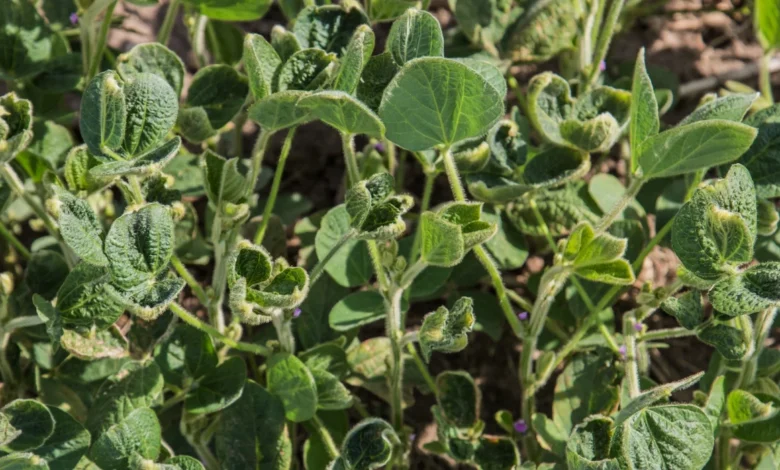
In early 2024, the federal judicial system dealt a significant blow to the status quo. A federal court ruling effectively halted the widespread use of dicamba, citing evidence that the Environmental Protection Agency (EPA) had significantly underestimated the risks associated with its volatility. Dicamba’s tendency to "drift" from the target crops onto neighboring fields—causing extensive damage to non-resistant vegetation—had created a decade of litigation and rural instability. At the time, the decision was hailed by environmental groups and independent farmers as a landmark victory for ecological safety.
However, the reversal of this momentum was swift. By 2026, the EPA, operating under the current administration, issued new registrations for dicamba-tolerant cotton and soybean crops. The administration justified this move by citing "tighter safeguards," such as temperature restrictions and buffer zones. Critics, including the Center for Food Safety, argued that these measures were insufficient, characterizing the decision as a capitulation to corporate interests rather than a scientific policy shift.
The trajectory of glyphosate—the world’s most widely used herbicide—further solidified the administration’s pivot toward an industrial-centric policy. In February 2026, the White House invoked the Defense Production Act (DPA) to shield the domestic production of glyphosate. By declaring the chemical a component of "national security," the administration effectively insulated the primary input of the American industrial farming machine from regulatory scrutiny. This move was explicitly linked to reducing trade dependence on China, which remains a primary supplier of the precursor chemicals required to manufacture glyphosate.
Supporting Data and Economic Context
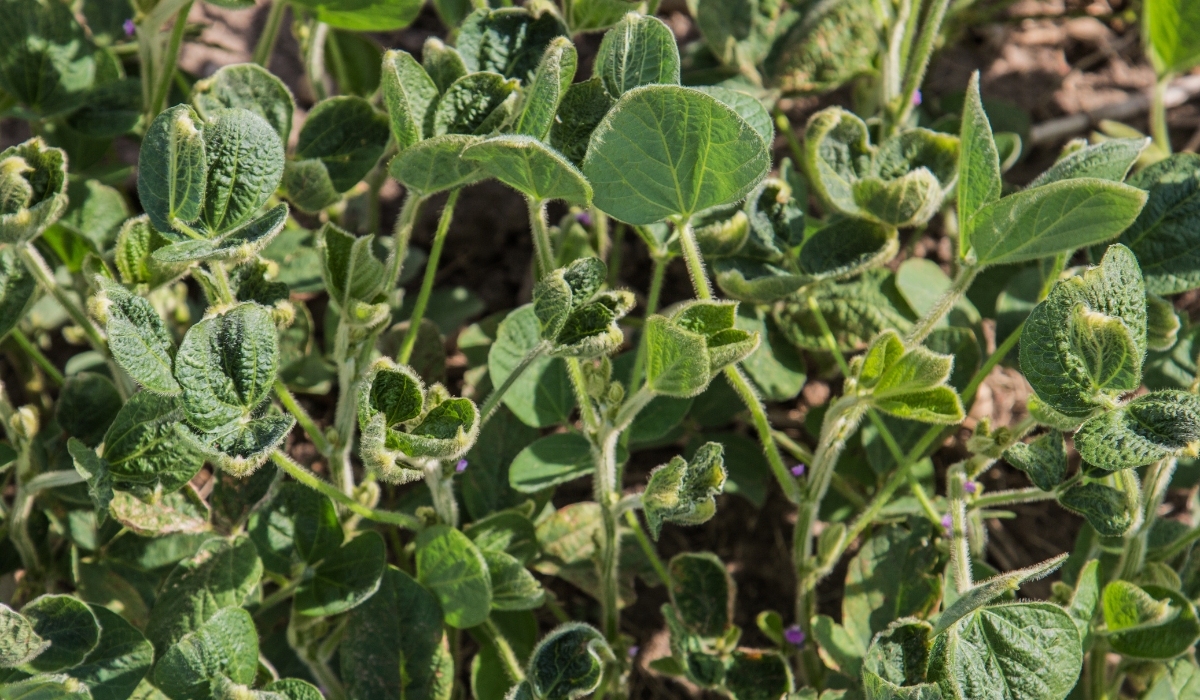
The reliance on these herbicides is not merely a matter of convenience; it is the backbone of the current American commodity crop system. According to the U.S. Geological Survey (USGS), tens of millions of hectares of corn, soybeans, and cotton are treated with these chemicals annually. This system of monoculture—growing the same crop over vast areas—creates a high-input, high-output cycle.
Data from the USDA suggests that industrial monocultures are highly efficient in terms of yield per acre under stable conditions. However, the economic reliance on these systems creates a "pesticide treadmill." As weeds develop resistance to herbicides like glyphosate and dicamba, farmers are forced to apply higher volumes or use more potent, complex mixtures.
From an economic standpoint, the administration’s focus on domestic production is designed to protect a multi-billion dollar sector. The agrochemical industry contributes significantly to rural employment and export balances. By securing the supply chain against foreign volatility, the administration is attempting to insulate the domestic food supply from global shocks. However, this strategy ignores the long-term systemic risk: the degradation of soil health and the potential for a catastrophic collapse of monoculture systems in the face of climate-induced environmental stressors.
Official Responses and Stakeholder Reactions
The reaction from the scientific and agricultural communities has been polarized. Supporters of the administration’s approach argue that "food security is national security." From this perspective, any disruption to the herbicide supply chain would lead to lower yields, higher food prices, and increased dependence on international markets, which they deem an unacceptable risk in a period of global instability.
Conversely, the MAHA base, which provided a significant boost to the administration’s populist credibility, has expressed growing disillusionment. Activists who believed that Kennedy’s appointment would signal a transformation of the EPA have found themselves sidelined. The consensus among these groups is that the "health" component of the administration’s platform has been subordinated to traditional industrial lobbying.
"The Trump administration has once again betrayed farmers and poisoned the environment to pad corporate pesticide profits," stated George Kimbrell of the Center for Food Safety following the 2026 dicamba re-approval. Such sentiments highlight a growing divide within the administration’s coalition: those who prioritize long-term metabolic and ecological health, and those who prioritize immediate, traditional economic output.
Broader Implications: Resilience vs. Productivity
The core of the issue lies in the definition of "resilience." The current administration defines it as the ability to maintain the status quo through self-sufficiency. In this view, the ability to manufacture herbicides domestically ensures that the American farming sector can continue to operate regardless of global supply chain disruptions.
However, ecological and food systems experts argue that this definition is fundamentally flawed. A truly resilient system, they contend, is one that does not require chemical inputs to suppress natural biodiversity. Monocultures are inherently fragile because they lack the natural ecological controls—such as predators, varied root systems, and nutrient diversity—that buffer against pests and climate fluctuations.
As the world faces "supercharged" weather events, including intense drought cycles and extreme precipitation, the reliance on a chemical-dependent monoculture model may prove to be a liability rather than an asset. The systemic shocks likely to occur in the coming decade—whether through climate change, emerging pathogens, or resource scarcity—will not be mitigated by more chemicals, but rather by more robust, diversified biological systems.
Conclusion: A Paradigm Shift Deferred
The first half of the Trump administration has demonstrated that while the language of public health has been successfully integrated into the national political lexicon, the structural mechanisms of the American food system remain largely unchanged. The prioritization of industrial chemical production as a matter of national security suggests that the administration has chosen to reinforce the existing, high-input paradigm rather than dismantle it.
Whether the administration will return to the original goals of the MAHA movement in the latter half of its term remains an open question. However, the current trajectory suggests that for the foreseeable future, the "health" of the American food system will continue to be measured in terms of caloric output and supply chain security, rather than the long-term vitality of the soil, the environment, or the public. The promise of a new era for American health currently sits at a crossroads, caught between the desire for genuine systemic change and the perceived necessity of maintaining a status quo that has defined American agriculture for over half a century.