
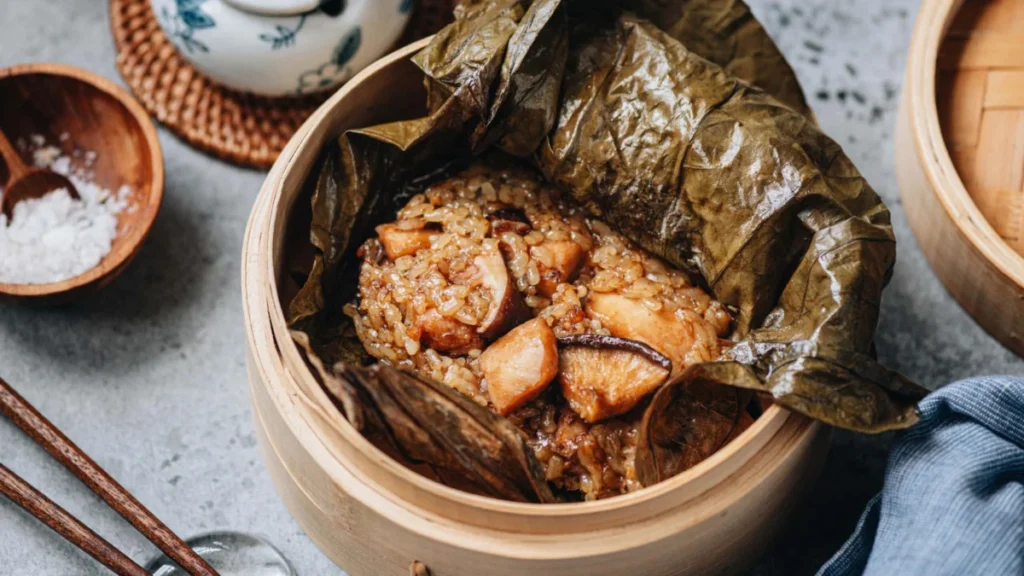
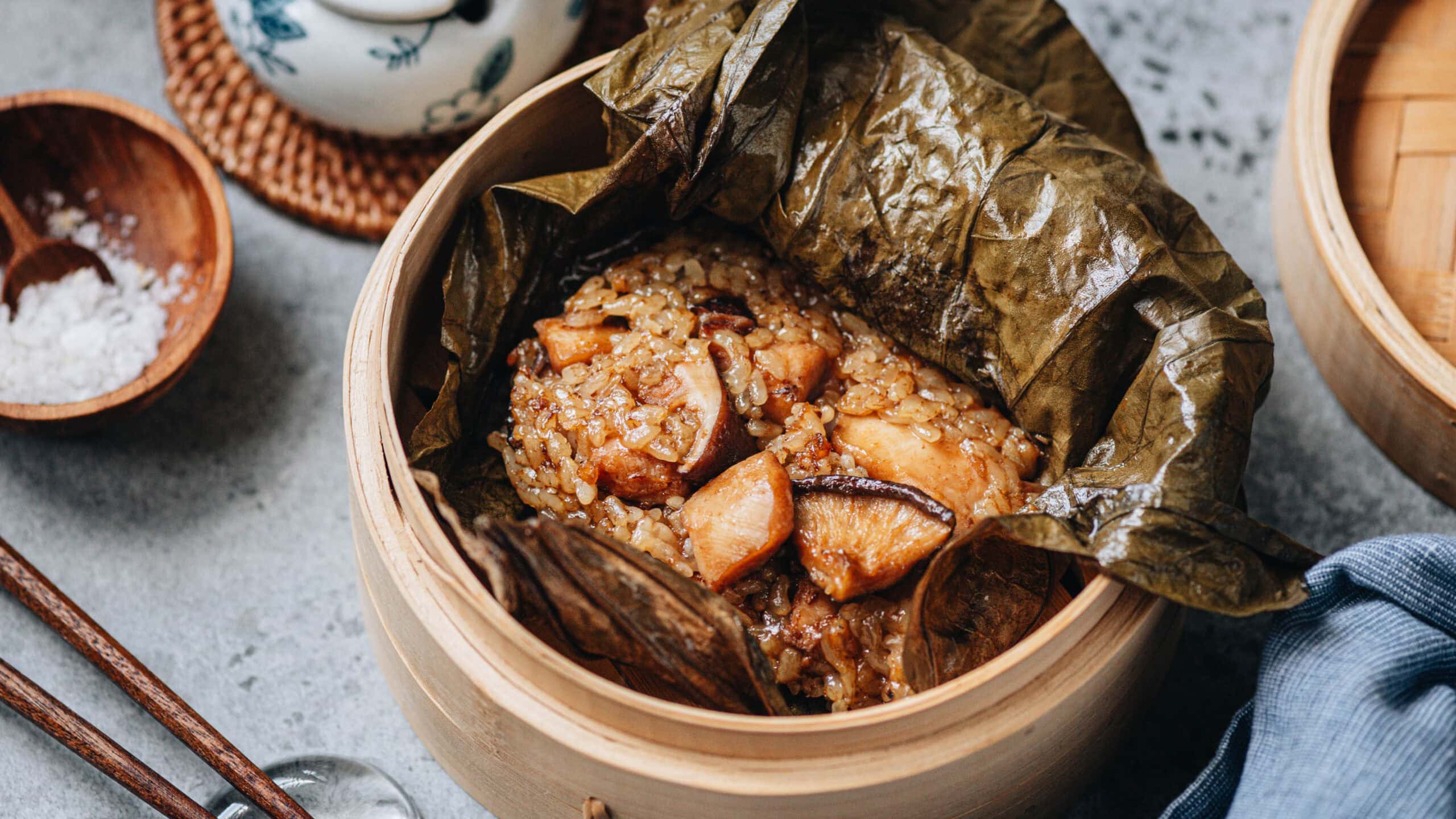
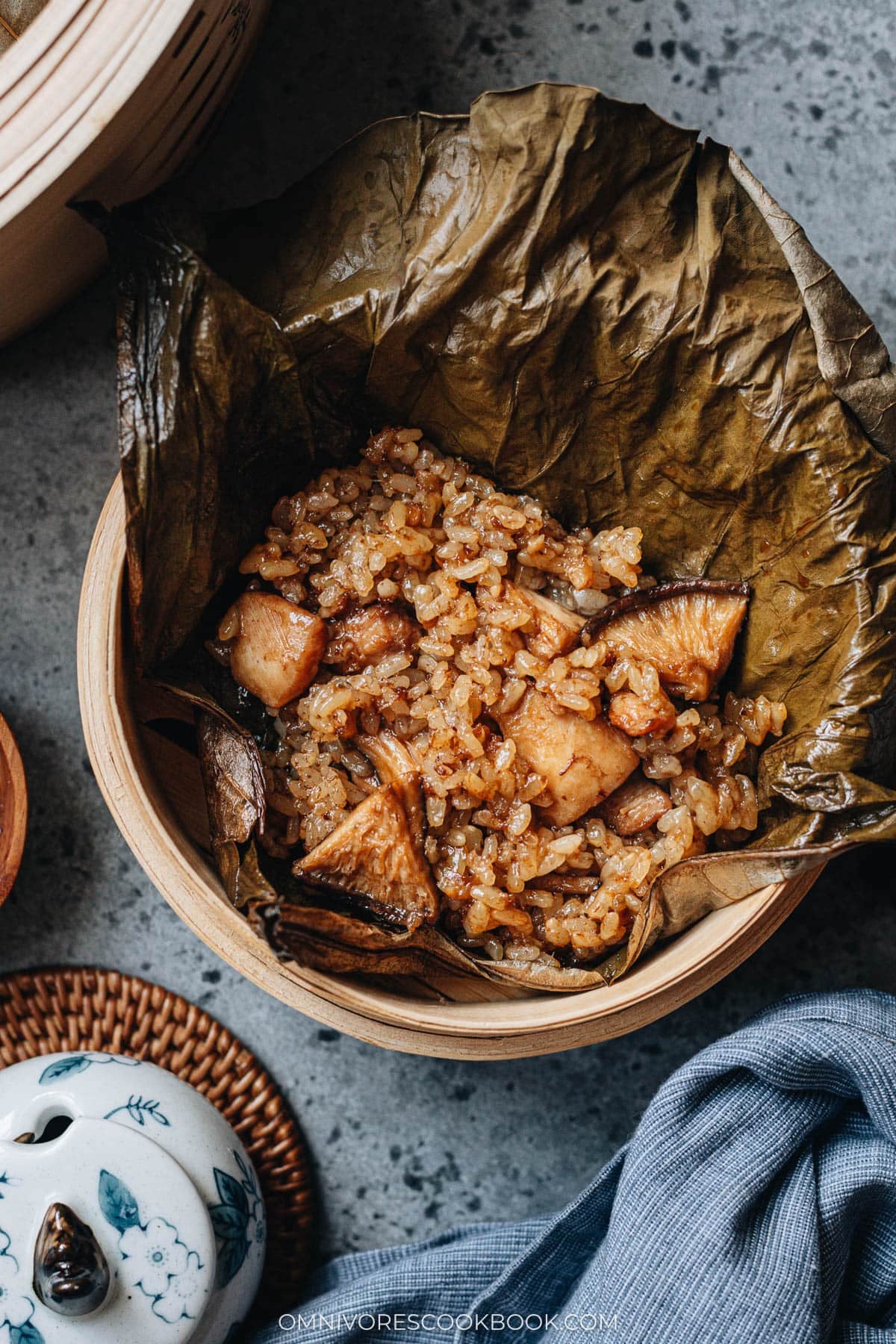
The global culinary community continues to embrace traditional regional Chinese gastronomy, placing dishes like Lo Mai Gai—the quintessential Cantonese dim sum parcel of glutinous rice and seasoned chicken wrapped in a lotus leaf—at the forefront of modern home cooking trends. As culinary enthusiasts increasingly seek authentic, hands-on cooking projects, this classic dim sum staple has transitioned from teahouse carts to international domestic kitchens, offering a masterclass in flavor infusion, textural contrast, and heritage preservation.
Historical Context and Cultural Significance of Dim Sum Parcels
Steamed glutinous rice parcels wrapped in leaves represent an ancient culinary technique deeply rooted in Southern Chinese and Southeast Asian foodways. Historically, wrap-cooking utilizing bamboo, banana, or lotus leaves served as a practical method of food preservation and portable nutrition. In the context of Cantonese cuisine, Lo Mai Gai emerged as a cornerstone of the traditional yum cha (tea-drinking) experience, which gained widespread popularity during the late Qing Dynasty in Guangzhou teahouses.
Originally designed as a substantial and hearty offering to anchor the lighter, tea-accompanying pastries, Lo Mai Gai utilized accessible, nutrient-dense ingredients. Over decades of diaspora, Cantonese culinary traditions expanded globally, introducing dishes like Lo Mai Gai, shu mai, and black bean sauce ribs to North American and European markets via bustling dim sum halls. In contemporary culinary culture, replicating these labor-intensive restaurant items at home has evolved into a rewarding weekend project, bridging generational knowledge gaps and satisfying a growing appetite for authentic ethnic cuisine.
Anatomy of the Dish: Ingredients and Flavor Architecture
The structural and sensory profile of Lo Mai Gai relies on a precise synergy of specific ingredients, each contributing to the final parcel’s distinct aroma, moisture content, and umami depth.
-
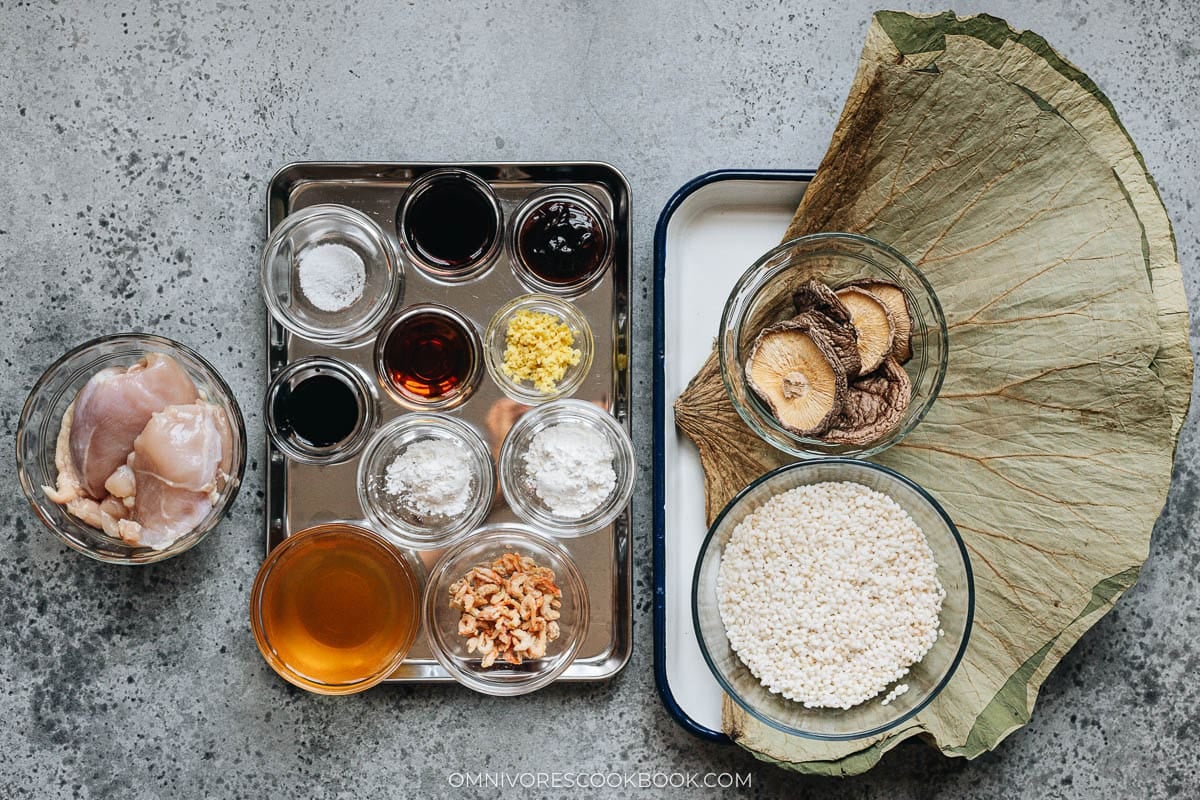
Glutinous Rice (Sticky Rice): Unlike standard long-grain white rice, glutinous rice contains high levels of amylopectin starch, yielding a uniquely soft, chewy, and cohesive texture upon steaming. Culinary experts differentiate between short-grain varieties—such as Japanese mochi rice—and long-grain varieties commonly sourced from Thailand or Southern China. This distinction dictates preparation timelines, as short-grain rice typically requires a two-hour soak, whereas long-grain variants demand four to five hours to ensure even hydration and prevent a hard core after steaming.
-
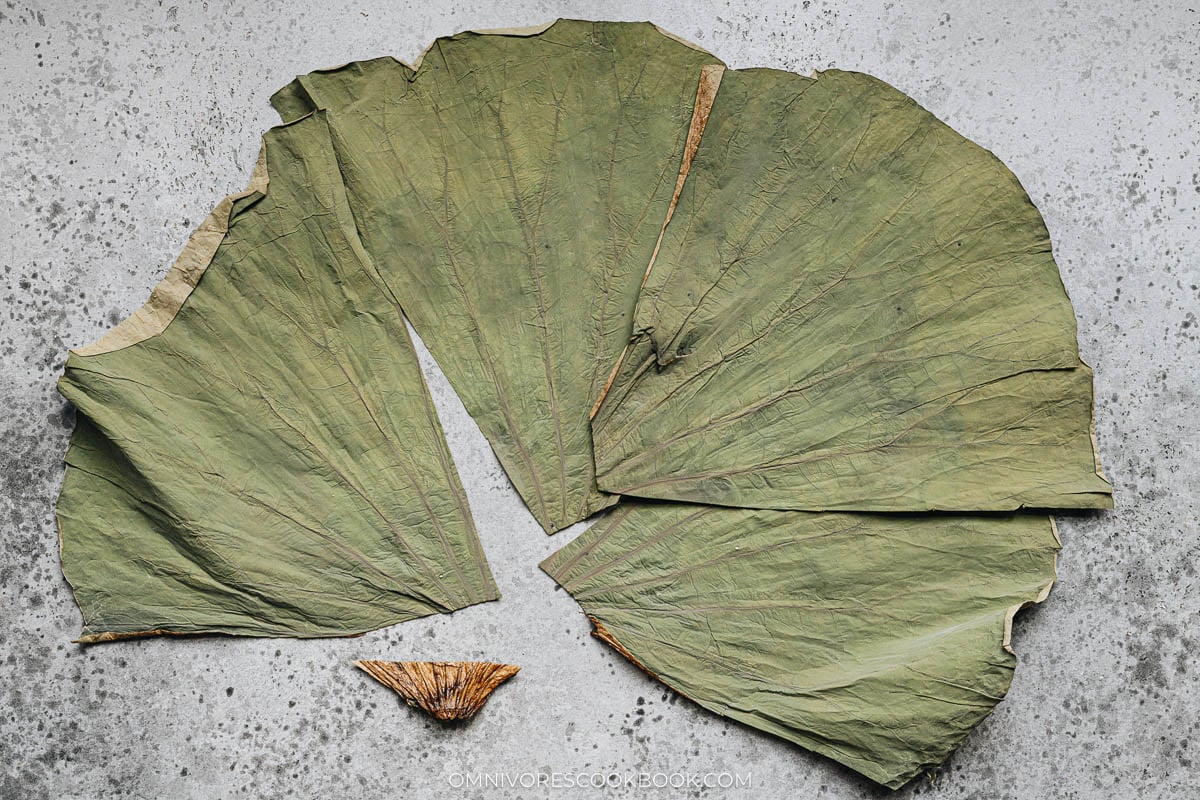
Dried Lotus Leaves: Procured from specialty Asian markets or international retailers, dried lotus leaves impart an unmistakable, subtle, earthy, and tea-like aroma to the rice as it steams under pressure. While alternatives like parchment paper can be substituted structurally, they lack the botanical compounds that characterize authentic Lo Mai Gai.
-
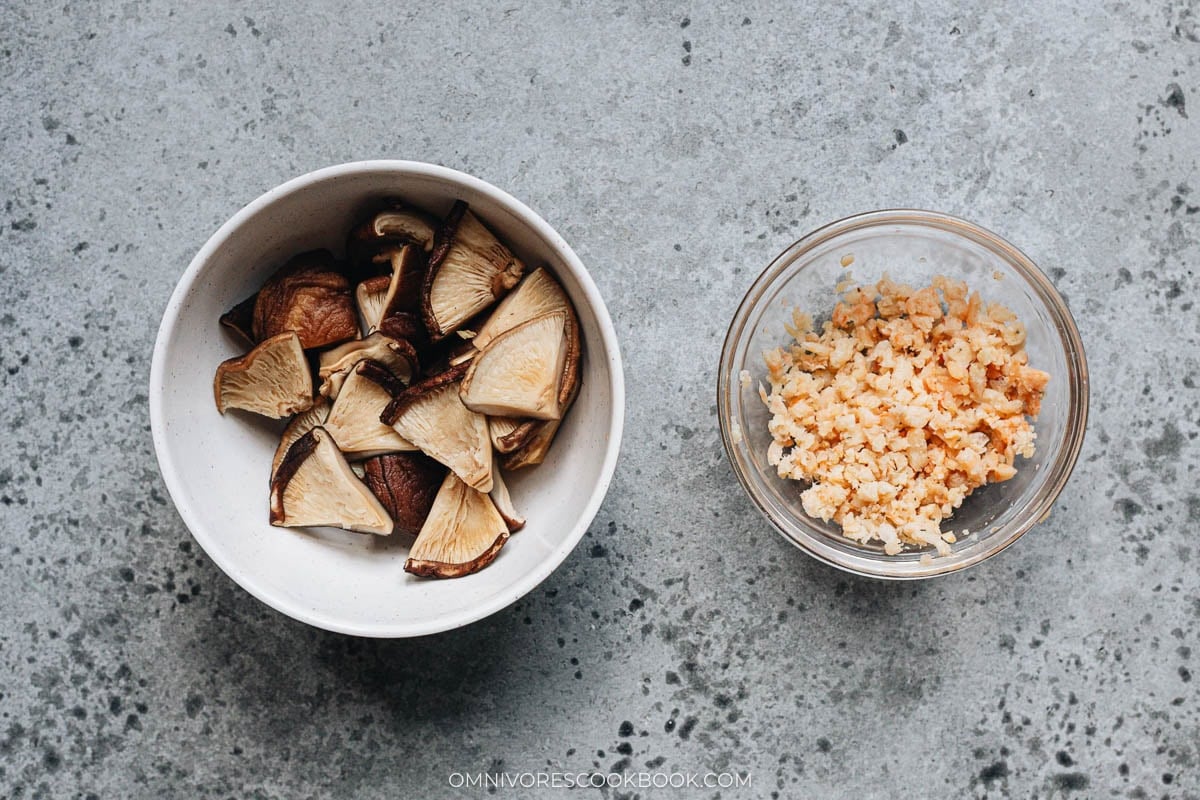
Proteins and Aromatics: Traditional fillings center on tender cuts of boneless, skinless chicken thighs, which maintain juiciness under prolonged heat better than lean breast meat. This is complemented by rehydrated dried shiitake mushrooms and dried shrimp, both of which undergo a preliminary stir-fry to neutralize overly pungent notes and release concentrated umami compounds.
-
The Marinade and Braising Sauce: A foundational blend of light and dark soy sauce, Shaoxing rice wine, oyster sauce, ginger, and a cornstarch slurry creates a rich, viscous sauce. As the parcels steam, the glutinous rice absorbs this liquid matrix, ensuring the interior remains intensely savory and moist from the center to the outer edges.
Step-by-Step Methodology: Preparation and Assembly
Crafting authentic Lo Mai Gai requires a methodical approach divided into distinct phases: hydration, filling preparation, wrapping, and steaming.
Hydration and Pre-Treatment:
The process begins with thorough rinsing of the glutinous rice to eliminate surface starches, followed by prolonged water immersion. Concurrently, dried lotus leaves, shiitake mushrooms, and dried shrimp are rehydrated in separate vessels for a minimum of two hours. Once softened, the mushroom stems are discarded, the caps are quartered, and the shrimp are finely minced.
Filling and Braising:
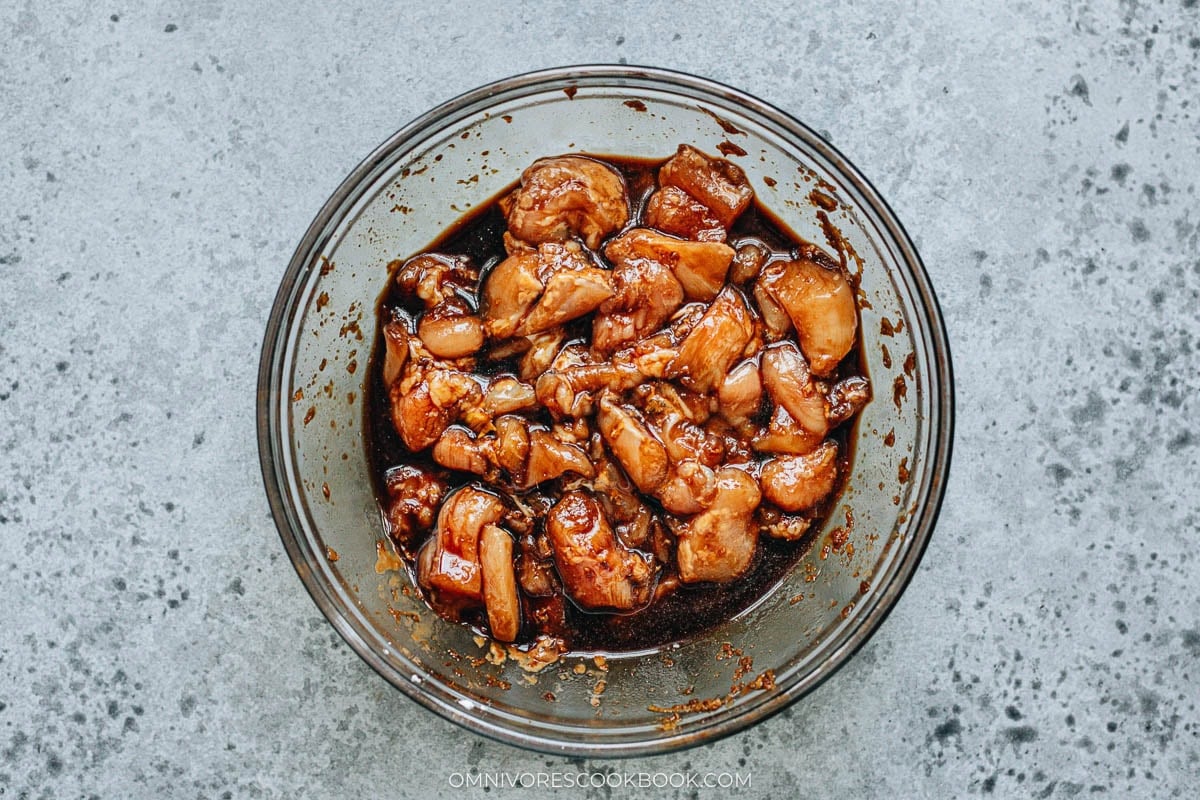
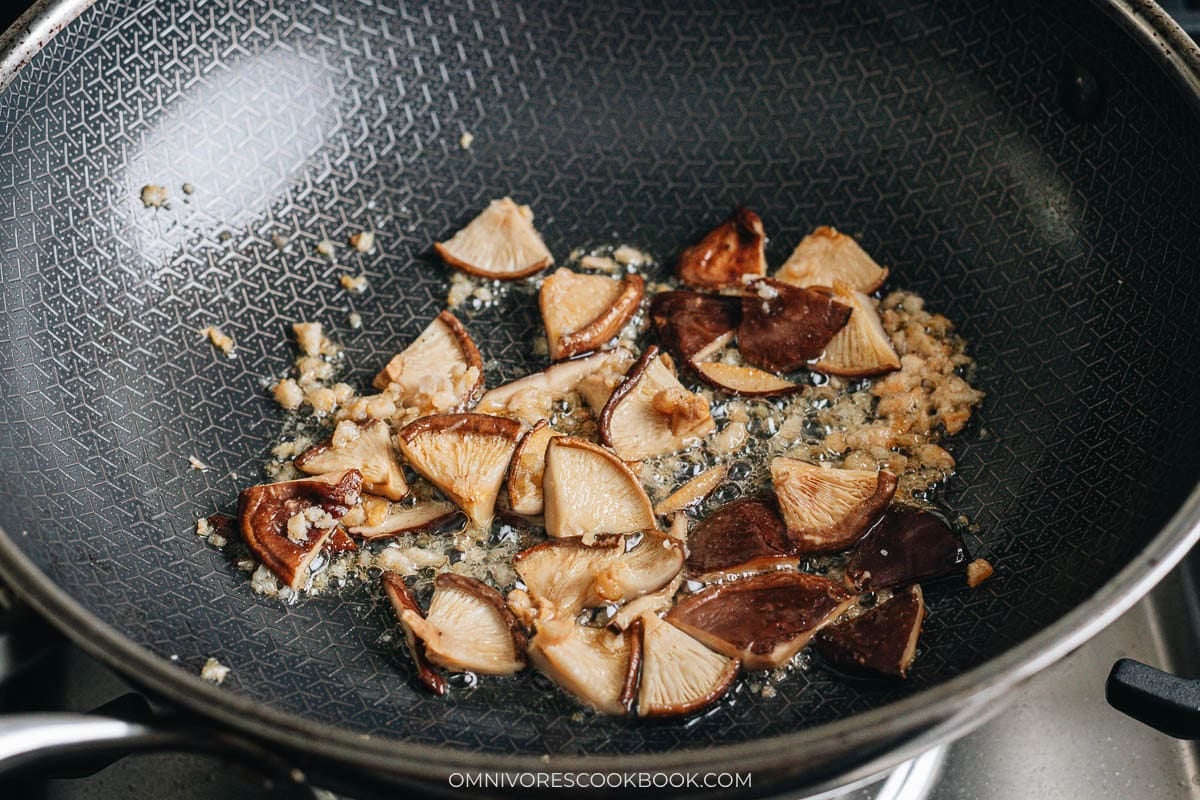
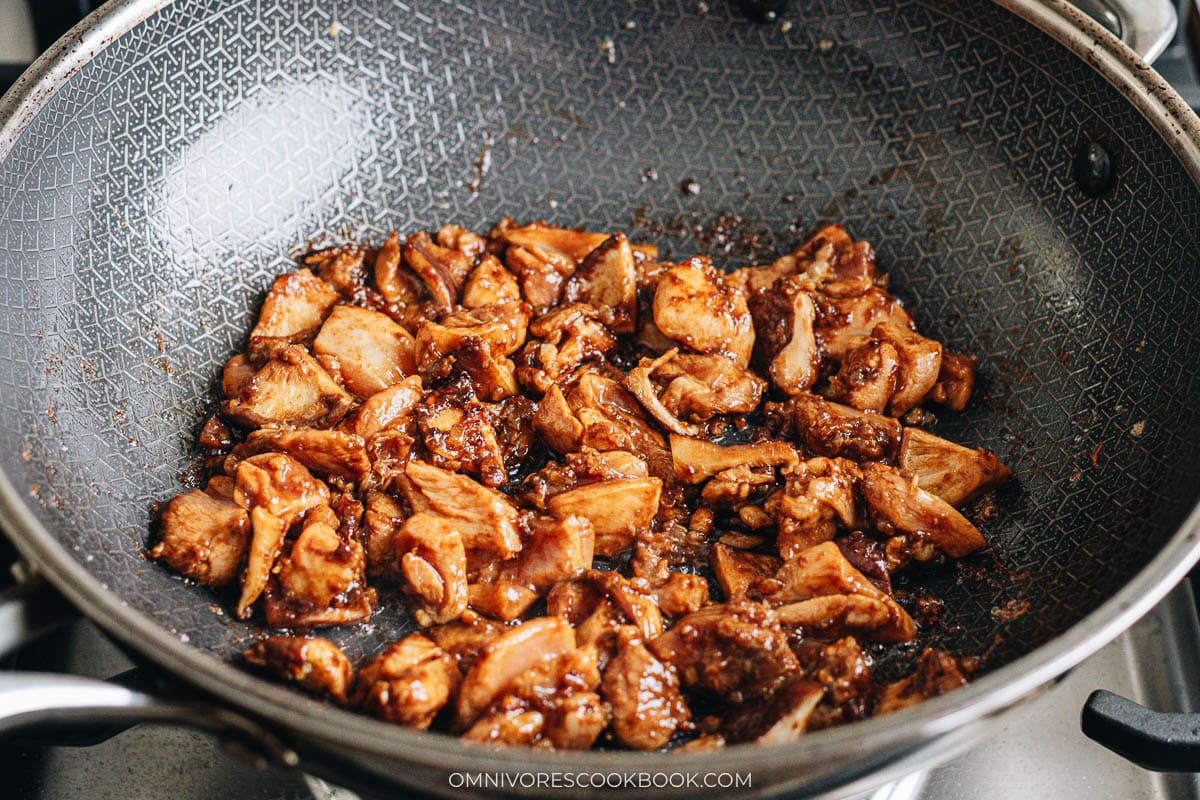
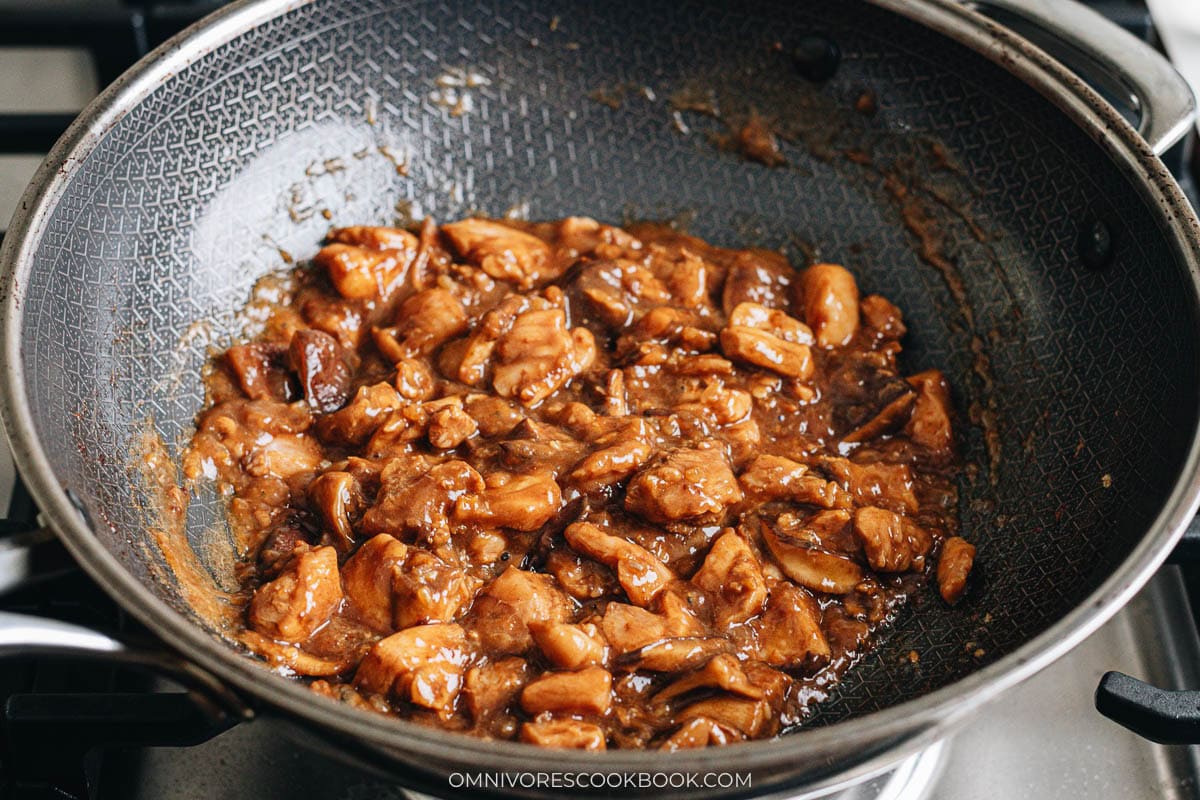
Chicken thighs are cut into uniform, bite-sized portions and marinated with soy sauces, oyster sauce, Shaoxing wine, ginger, salt, and cornstarch for at least one hour to tenderize the meat. The aromatics—mushrooms and shrimp—are flash-fried in a wok until lightly browned, followed by the addition of the marinated chicken and a chicken broth-cornstarch mixture. The resulting filling is brought to a simmer until thickened, then set aside to cool completely.
Mixing and Parcel Construction:
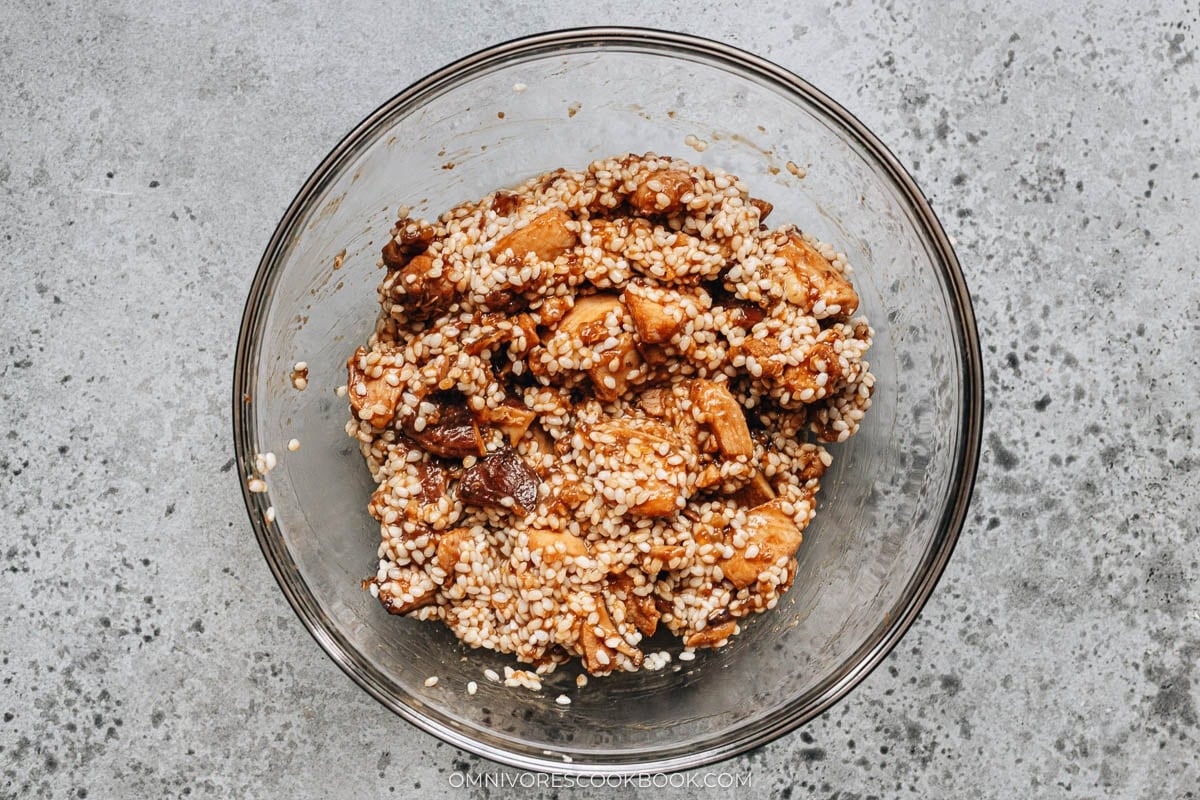
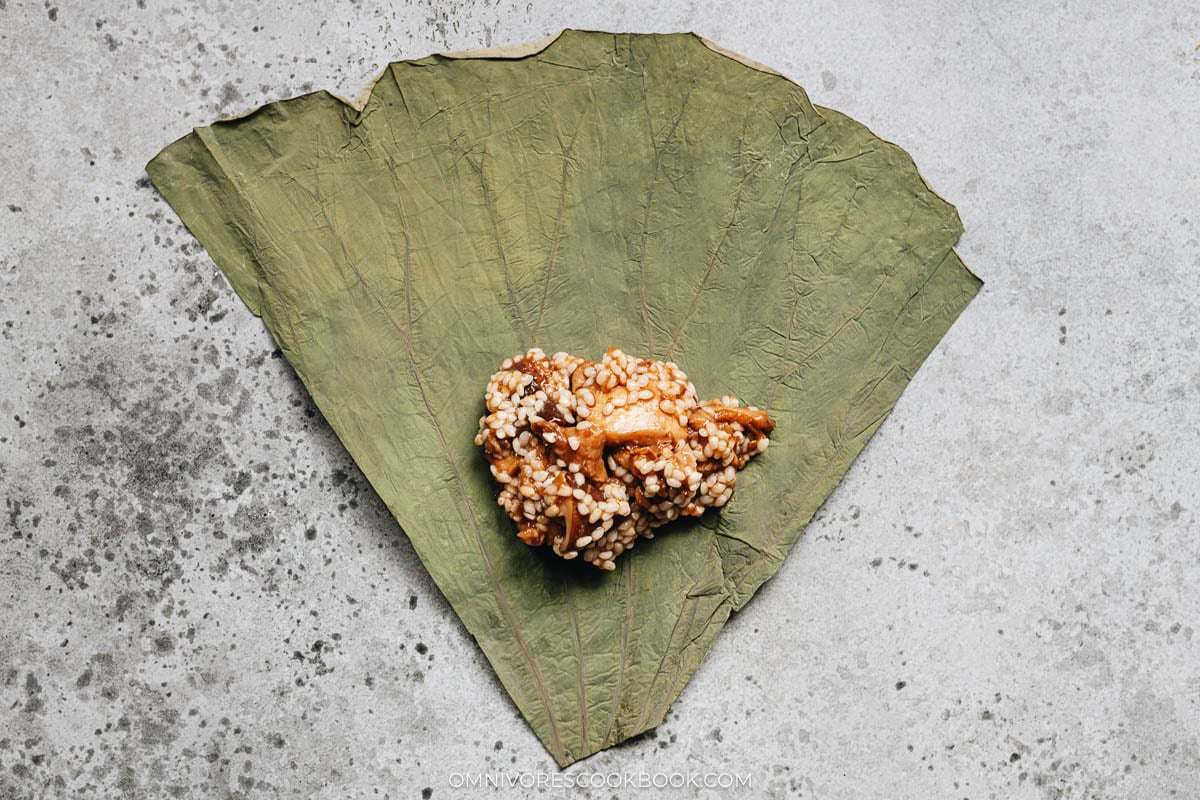
The soaked glutinous rice must be meticulously drained in a colander to prevent excess surface moisture from diluting the braising sauce. The cooled chicken filling and its residual sauce are folded directly into the rice, ensuring every grain is coated. Lotus leaves are trimmed into manageable fan-shaped sections. Standardized portions—typically weighing approximately 90 grams each—are mounded onto the lower third of each leaf. The assembler folds the bottom over the filling, tucks the sides inward, and rolls the parcel tightly to guarantee a secure seal.
Steaming and Quality Control:
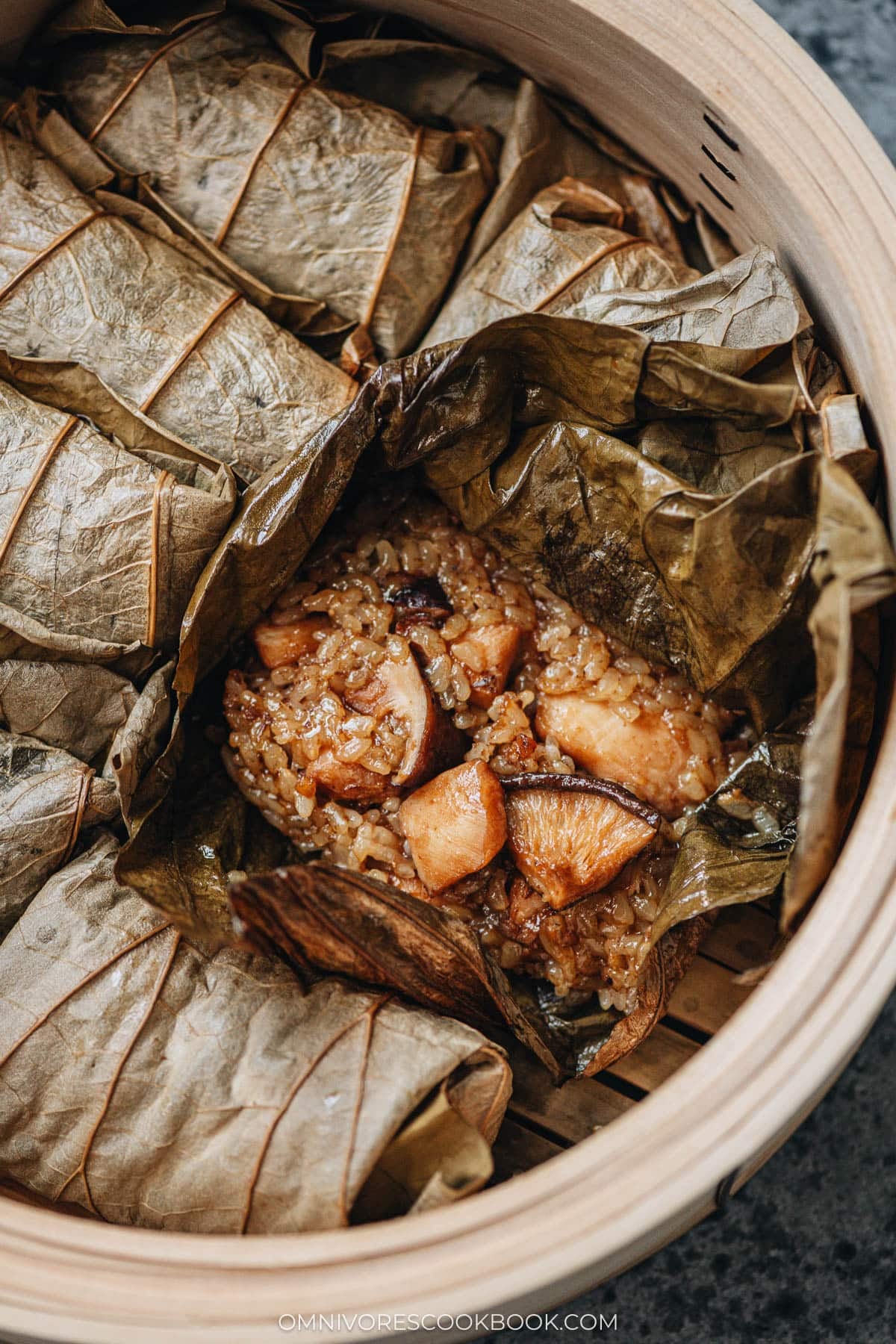
The wrapped parcels are arranged seam-side down in bamboo or metal steamers. Cooking requires a steady, gentle boil over medium heat for precisely one hour. Culinary specialists emphasize maintaining a consistent steam temperature rather than a violent rolling boil, which risks boiling the water dry before the interior rice achieves optimal tenderness.
Culinary Analysis: Nutritional Implications and Practical Adaptations
From a nutritional and logistical standpoint, Lo Mai Gai offers significant versatility. Because glutinous rice is naturally gluten-free and rich in complex carbohydrates, the dish provides sustained energy, though its dense starch content warrants mindful portion control.
Furthermore, the recipe’s inherent flexibility allows for regional and personal variations. Standard restaurant-style iterations frequently incorporate diced Chinese sausage (lup cheong) for added sweetness or a half-section of salted duck egg yolk nestled at the center of the filling to provide a rich, savory contrast. For those restricted by dietary preferences or ingredient availability, modern adaptations successfully substitute vegetarian proteins, such as firm tofu or textured vegetable protein, while retaining the foundational aromatics of soy, ginger, and mushroom.
Storage, Freezing, and Reheating Protocols
One of the primary advantages of preparing Lo Mai Gai in domestic kitchens is its exceptional adaptability to batch cooking and freezing. Fully assembled and steamed parcels can be stored in airtight containers within refrigeration units for three to four days, or extended up to three months via commercial or residential freezing.
Food safety and quality guidelines recommend thawing frozen parcels overnight in a refrigerator before reheating. Re-steaming over boiling water for 15 to 20 minutes restores the original moisture and soft, chewy texture of the sticky rice. Alternatively, microwave reheating—utilizing a covered container with a splash of water—serves as a rapid alternative for time-constrained consumers without severely compromising the structural integrity of the dish.
Broader Impact on Modern Home Gastronomy
The rising popularity of intricate dim sum recipes like Lo Mai Gai highlights a broader shift in consumer behavior toward mindful, artisanal cooking. As urban populations seek comfort and connection through traditional foodways, mastering complex techniques that were once exclusive to professional dim sum kitchens empowers home cooks to explore global culinary heritage. Through careful attention to ingredient sourcing, precise hydration techniques, and traditional wrapping methods, home cooks can successfully replicate a cornerstone of Cantonese gastronomy, ensuring these historic culinary arts continue to thrive across diverse modern households.



0 Komentar
Sampaikan opini dan diskusi yang membangun dengan bahasa yang santun.
No Comments Yet
Be the first to share your thoughts on this story.