
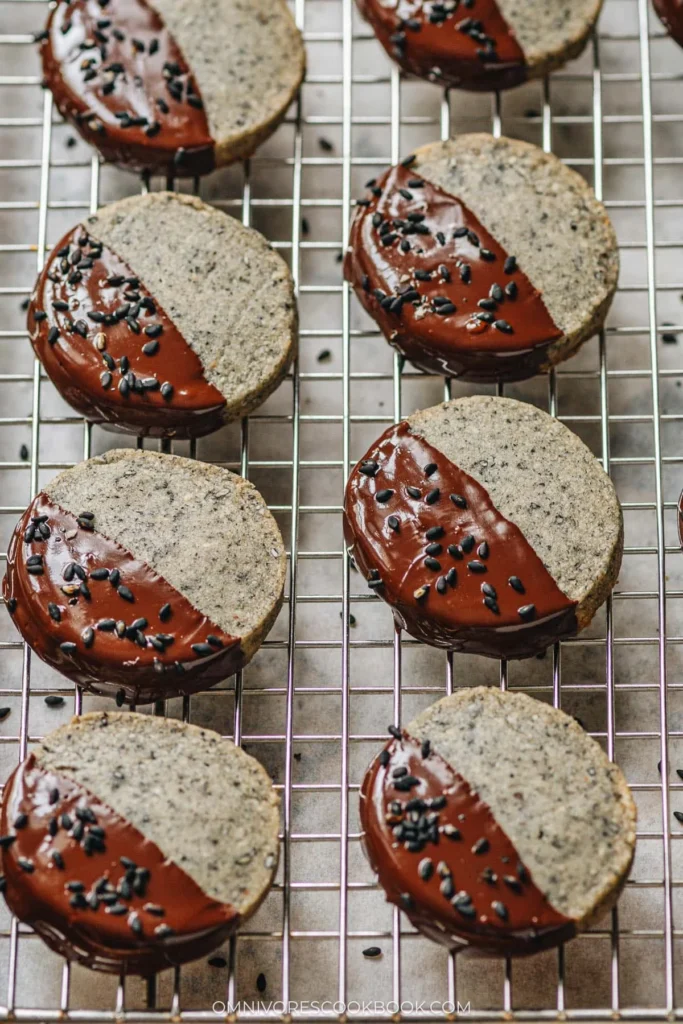
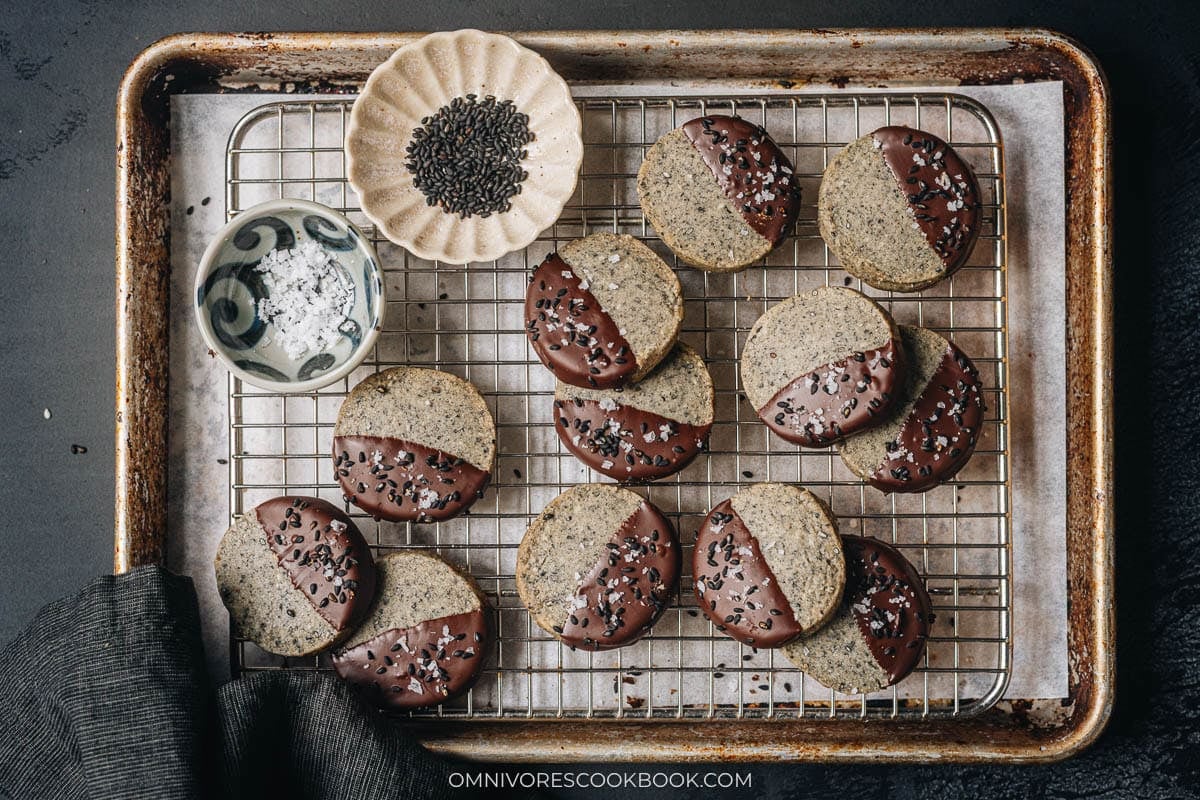
The culinary landscape of contemporary home baking has increasingly embraced cross-cultural flavor profiles, with traditional Western pastry techniques intersecting with distinctly Asian ingredients. Among the latest developments in this space is the emergence of black sesame shortbread cookies half-dipped in dark chocolate, a recipe that merges the rich, nutty profile of toasted East Asian black sesame seeds with the buttery, crumbly mechanics of classic Scottish shortbread. This fusion pastry has gained notable traction among artisanal bakers and holiday gift-makers seeking sophisticated alternatives to traditional sugar cookies.
Background Context and Culinary Evolution
Sesame has long occupied a foundational role in Chinese and broader East Asian baking, valued for its aromatic qualities and robust flavor. However, integrating whole or ground black sesame into high-fat, low-moisture structural doughs like shortbread presents distinct technical challenges. Culinary developers note that achieving the proper balance requires precise control over fat ratios and grinding textures to prevent the sesame seeds from releasing excess oils, which can compromise the structural integrity of the cookie.
Traditional Winter Melon Stir Fry Brings Umami-Rich Chinese Home Cooking to Modern Kitchens
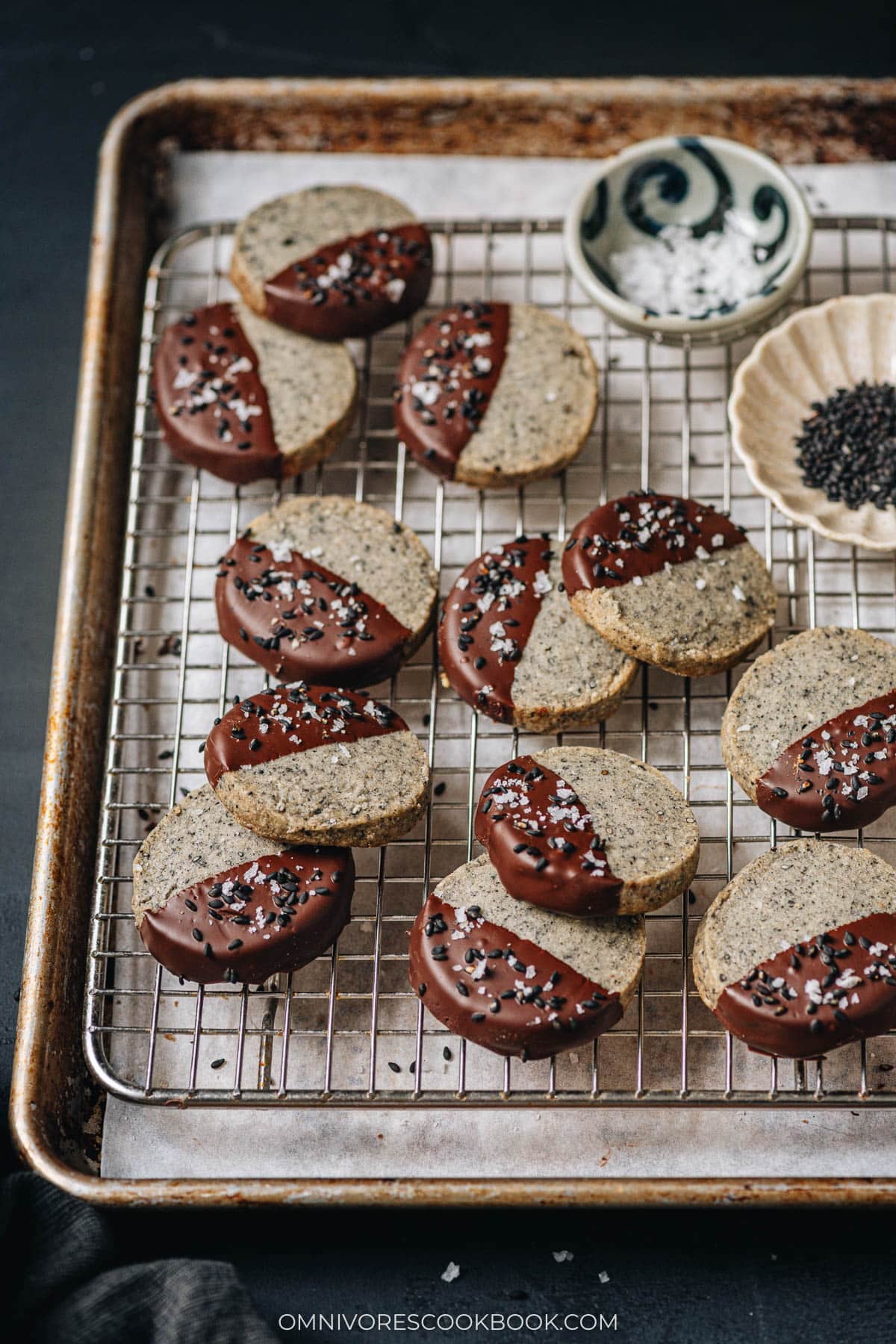
The popularity of black sesame in Western-facing artisanal bakeries has grown steadily over the past decade, driven by consumer demand for complex, less-sweet flavor profiles. The addition of a dark chocolate coating introduces a measured bitterness that counteracts the natural richness of both the butter and the toasted seeds. According to contemporary pastry trends, this flavor pairing satisfies a growing market preference for confections that balance savory, bitter, and sweet notes rather than relying exclusively on high sugar content.
Chronology of Preparation and Technical Execution
The production of black sesame shortbread follows a structured culinary timeline designed to maximize flavor extraction while ensuring structural stability during baking.
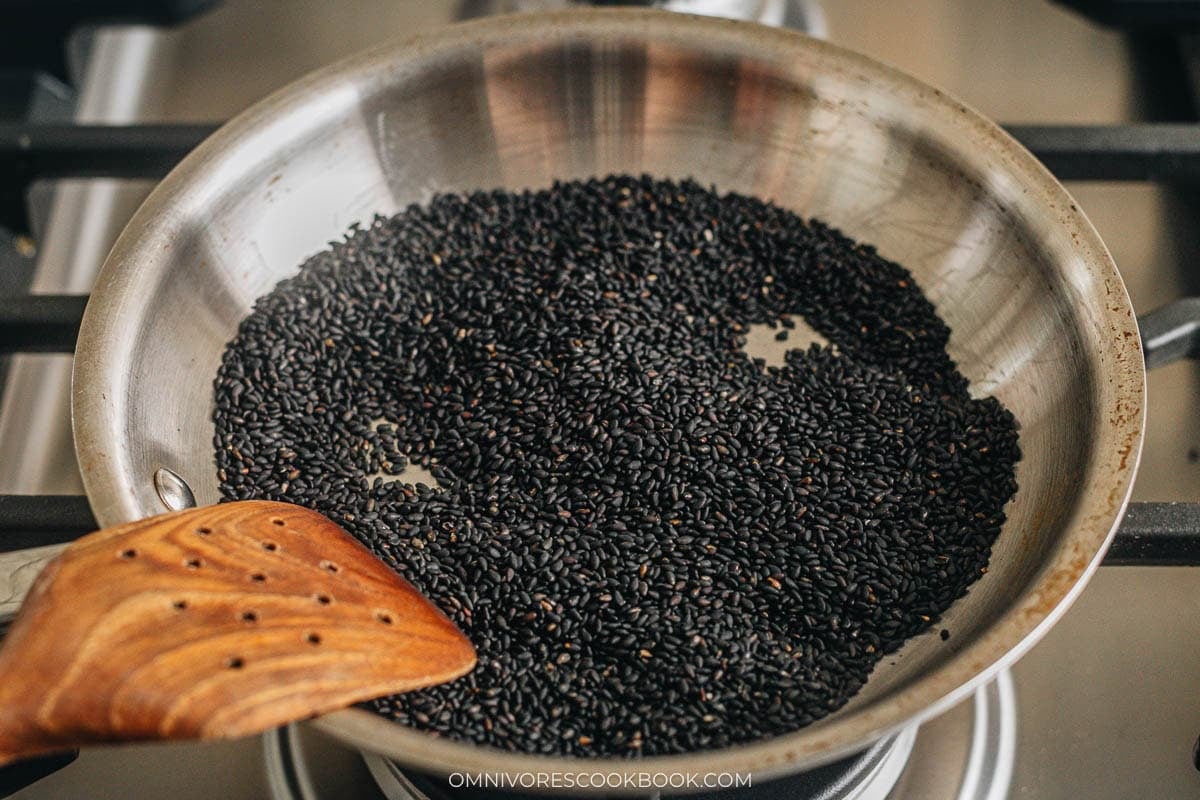
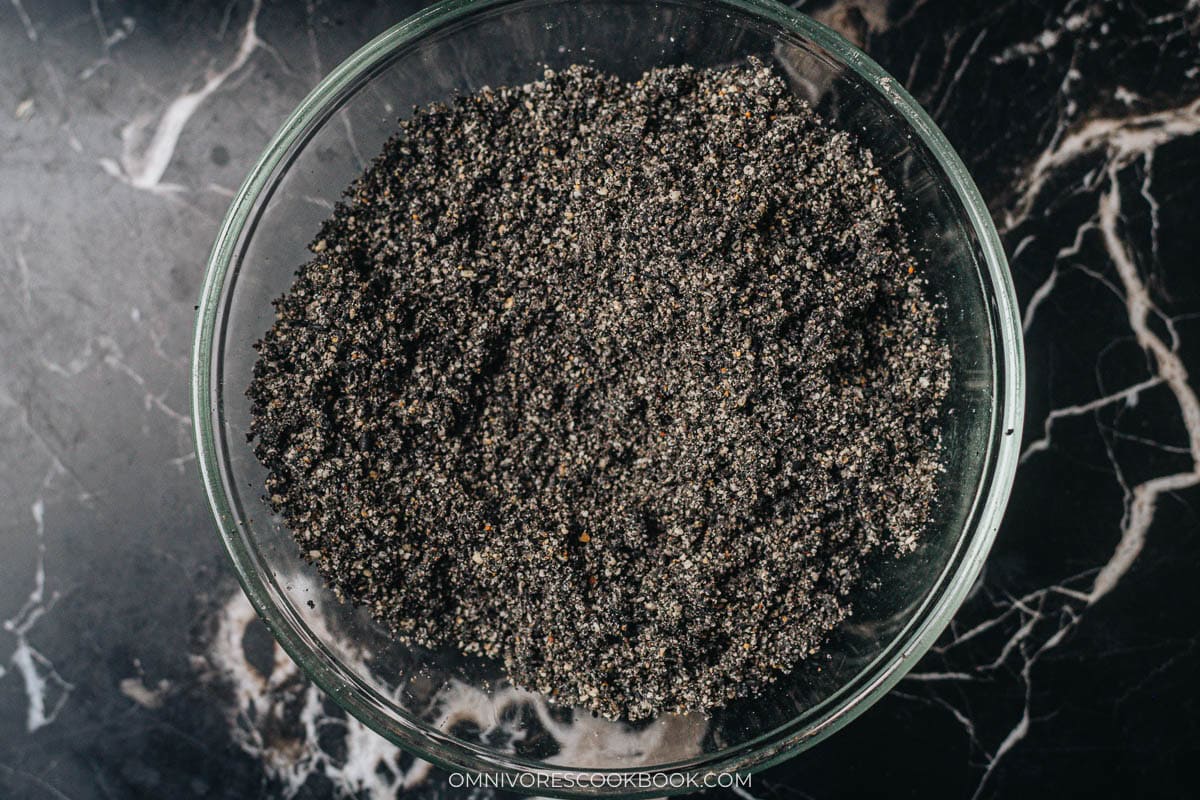
The process begins with the dry-toasting of black sesame seeds over medium heat for approximately two to three minutes until aromatic. This step is critical for activating the volatile oils responsible for the seed’s signature nutty profile. Once toasted, the seeds are cooled and processed using a blender or mortar and pestle to a coarse, sandy consistency. Culinary experts emphasize that avoiding a fine powder or paste prevents premature oil release, which would alter the shortbread’s delicate crumb.
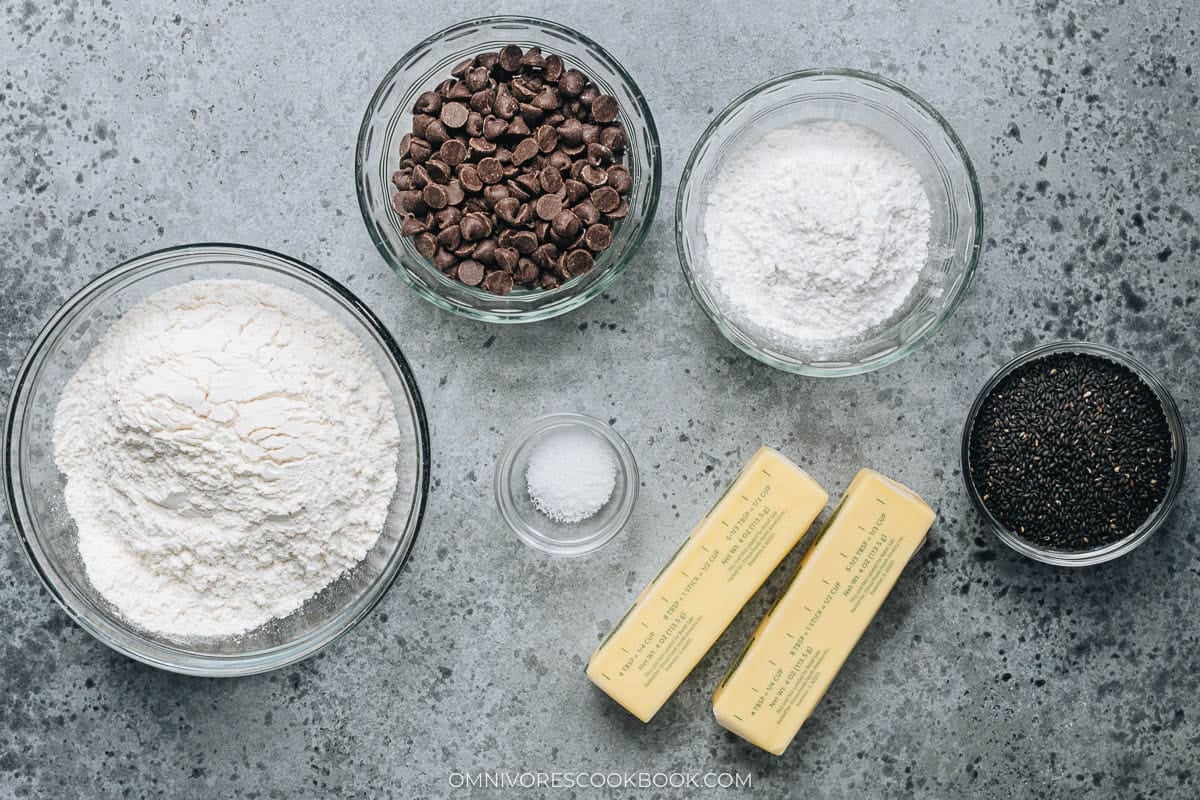
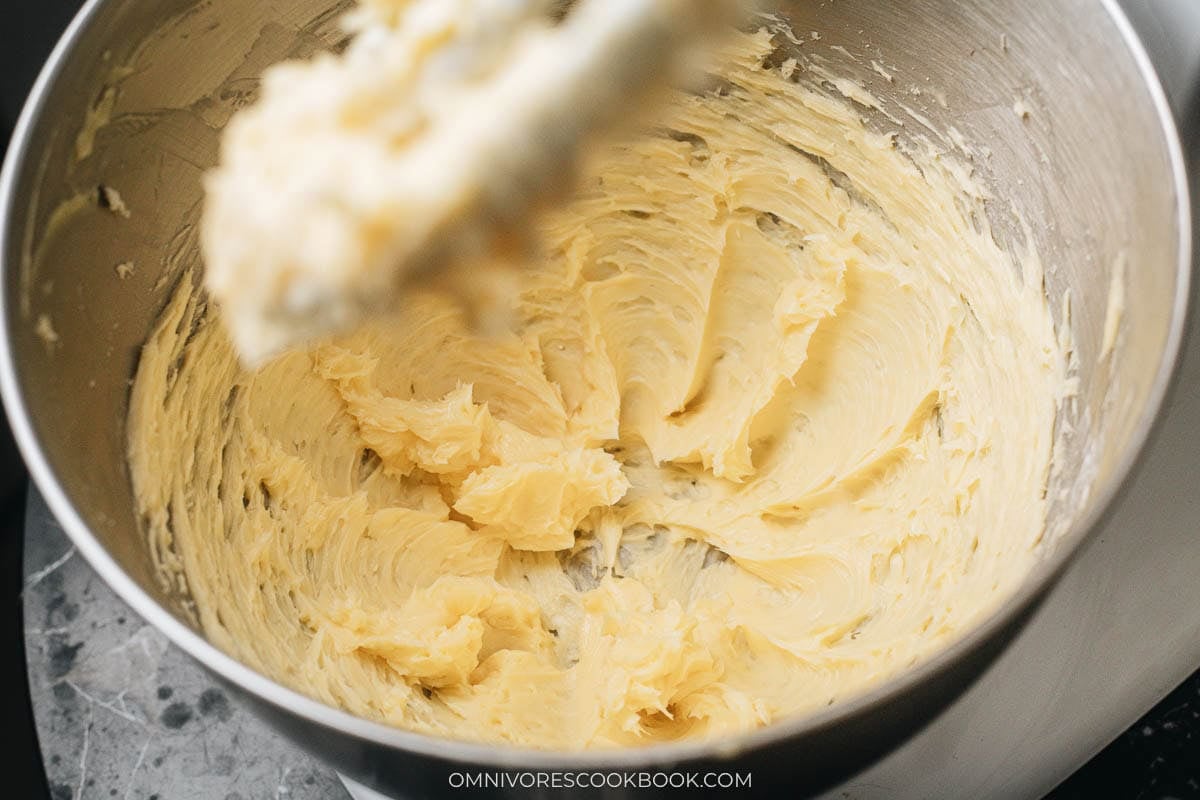
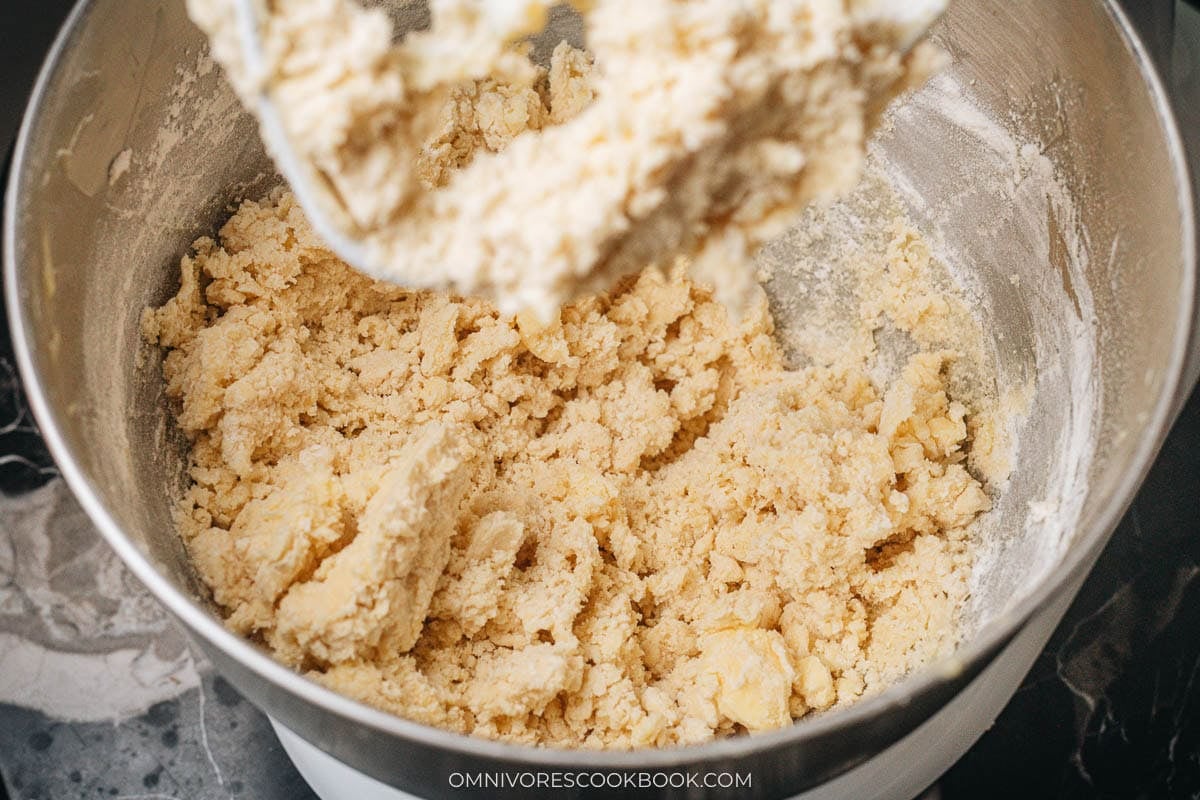
The dough assembly utilizes the creaming method, combining softened unsalted butter and powdered sugar until light and aerated. Powdered sugar is preferred over granulated alternatives for shortbread applications because it dissolves seamlessly into the fat, yielding a finer crumb and crisper edges without residual graininess. All-purpose flour is subsequently incorporated in stages to avoid overworking the gluten, followed by the addition of the cooled, ground sesame and kosher salt.
Following mixing, the dough is divided and shaped into cylindrical logs—typically measuring eight inches in length and one and a half inches in diameter—before undergoing a mandatory refrigeration period of at least two hours. This chilling phase firms the butter, allowing the logs to be sliced cleanly into uniform quarter-inch rounds without deforming.
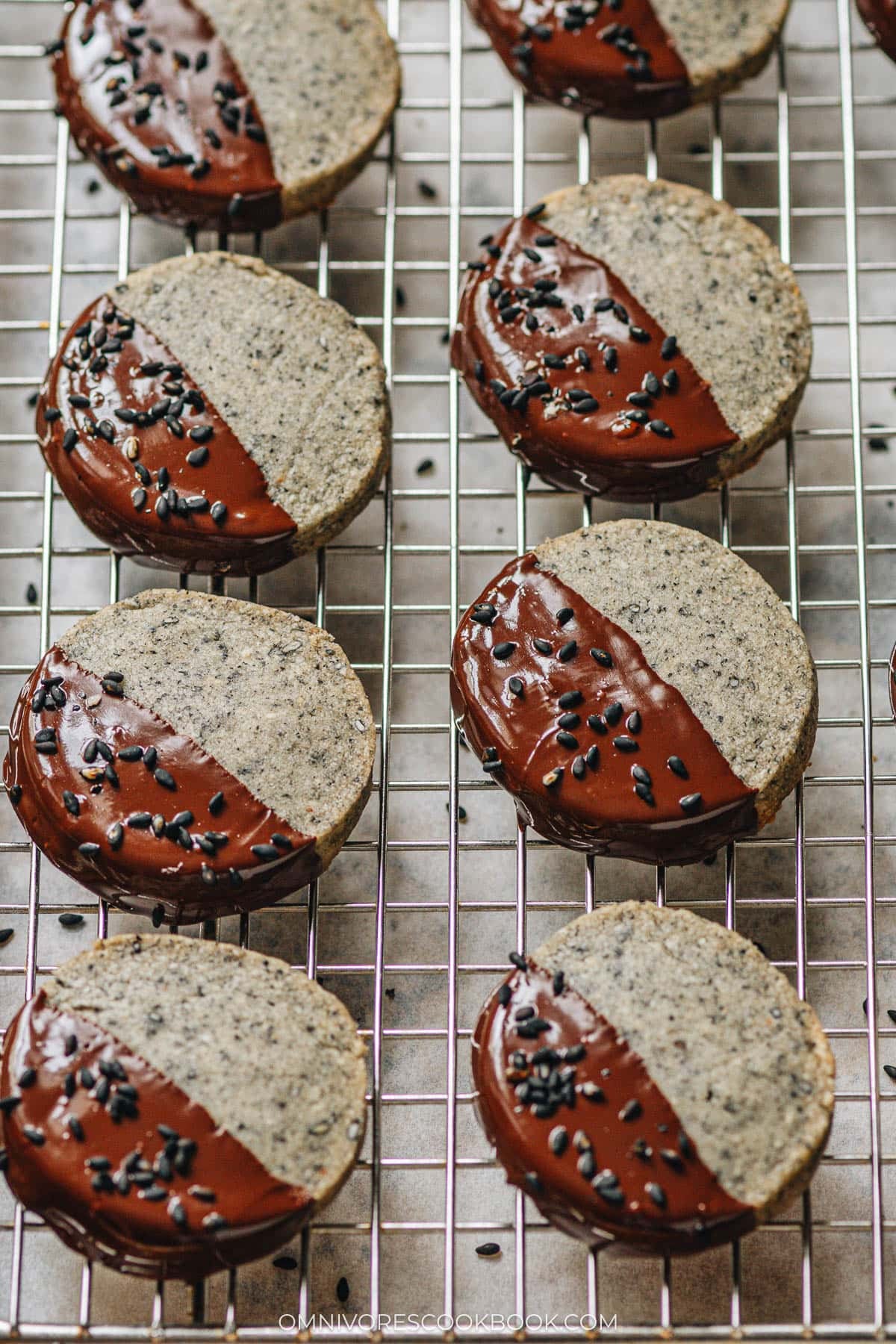
Baking occurs at 350°F (176°C) for 15 to 17 minutes, concluding when the edges achieve a pale golden hue. Post-baking cooling is an essential structural step; cookies must reach room temperature before undergoing the chocolate-dipping phase to prevent the chocolate from seizing or melting unevenly. The final presentation involves dipping one half of each cooled cookie into melted dark chocolate, followed by strategic garnishing with additional black sesame seeds and a finishing scatter of flaky sea salt applied while the chocolate surface remains tacky.
Supporting Data and Nutritional Profile
From a nutritional and logistical perspective, the recipe yields approximately 40 servings per batch, making it an efficient option for high-volume holiday gifting or large gatherings. Standard nutritional analysis per single-cookie serving indicates an average profile of 126 kilocalories, 14 grams of carbohydrates, 2 grams of protein, and 7 grams of fat (including 4 grams of saturated fat). The inclusion of black sesame contributes minor amounts of dietary fiber, calcium, and iron, aligning with consumer interest in functional ingredients incorporated into indulgent baked goods.
Storage and advance preparation protocols further enhance the practicality of the recipe. Unbaked shaped logs can be stored securely wrapped in refrigeration for up to four days or frozen for up to three months, allowing home bakers to manage preparation timelines effectively ahead of the holiday season. Once baked and coated, the cookies maintain optimal quality when stored in airtight containers at cool room temperatures for approximately one week.
Industry Analysis and Broader Market Implications
The rising prominence of artisanal items like black sesame shortbread reflects a broader shift in consumer gifting habits, particularly during festive periods. Market observers note an increasing consumer preference for handmade, aesthetically refined food gifts that offer distinctive flavor profiles over mass-produced confectionery alternatives.
Furthermore, the adaptability of the recipe—spanning raw dough storage, versatile pairing options with ice cream or tea, and straightforward decoration techniques—highlights a growing demand for accessible yet sophisticated home baking projects. As global flavor integration continues to shape modern culinary arts, preparations that successfully bridge regional ingredients with classic baking science are expected to remain staple offerings in both independent bakeries and domestic kitchens.



0 Komentar
Sampaikan opini dan diskusi yang membangun dengan bahasa yang santun.
No Comments Yet
Be the first to share your thoughts on this story.