
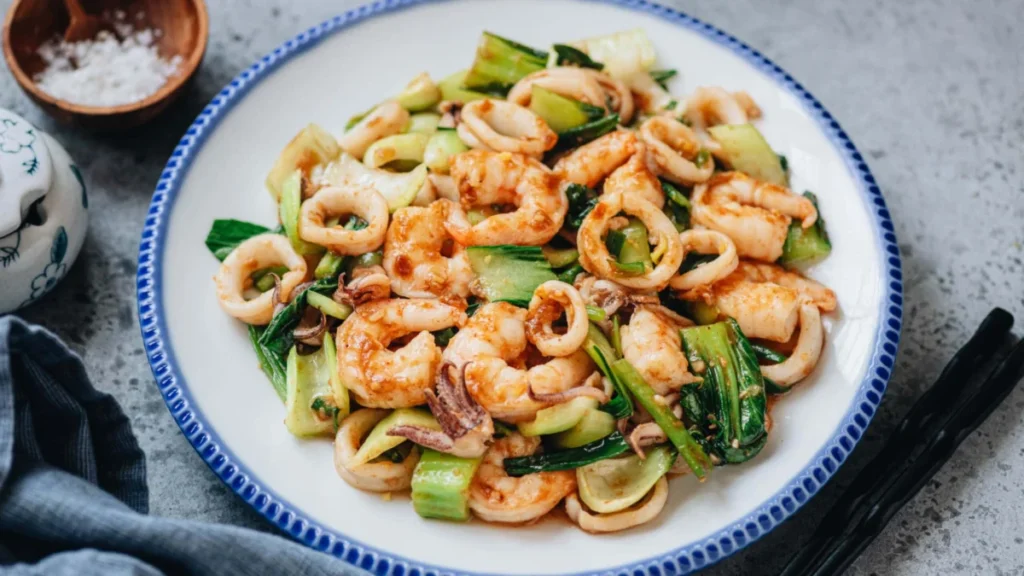
The culinary landscape of Southern China and Taiwan has long celebrated complex, savory condiments capable of transforming simple proteins and vegetables into intricate gastronomic experiences. Among these pantry staples, shacha sauce—frequently characterized as Chinese barbecue sauce—holds a prominent position. Distinguished by its rich profile of dried seafood, garlic, shallots, and chili oils, shacha sauce provides the foundational umami for a growing number of contemporary home-cooked Asian dishes, most notably exemplified by the versatile shacha seafood stir-fry.
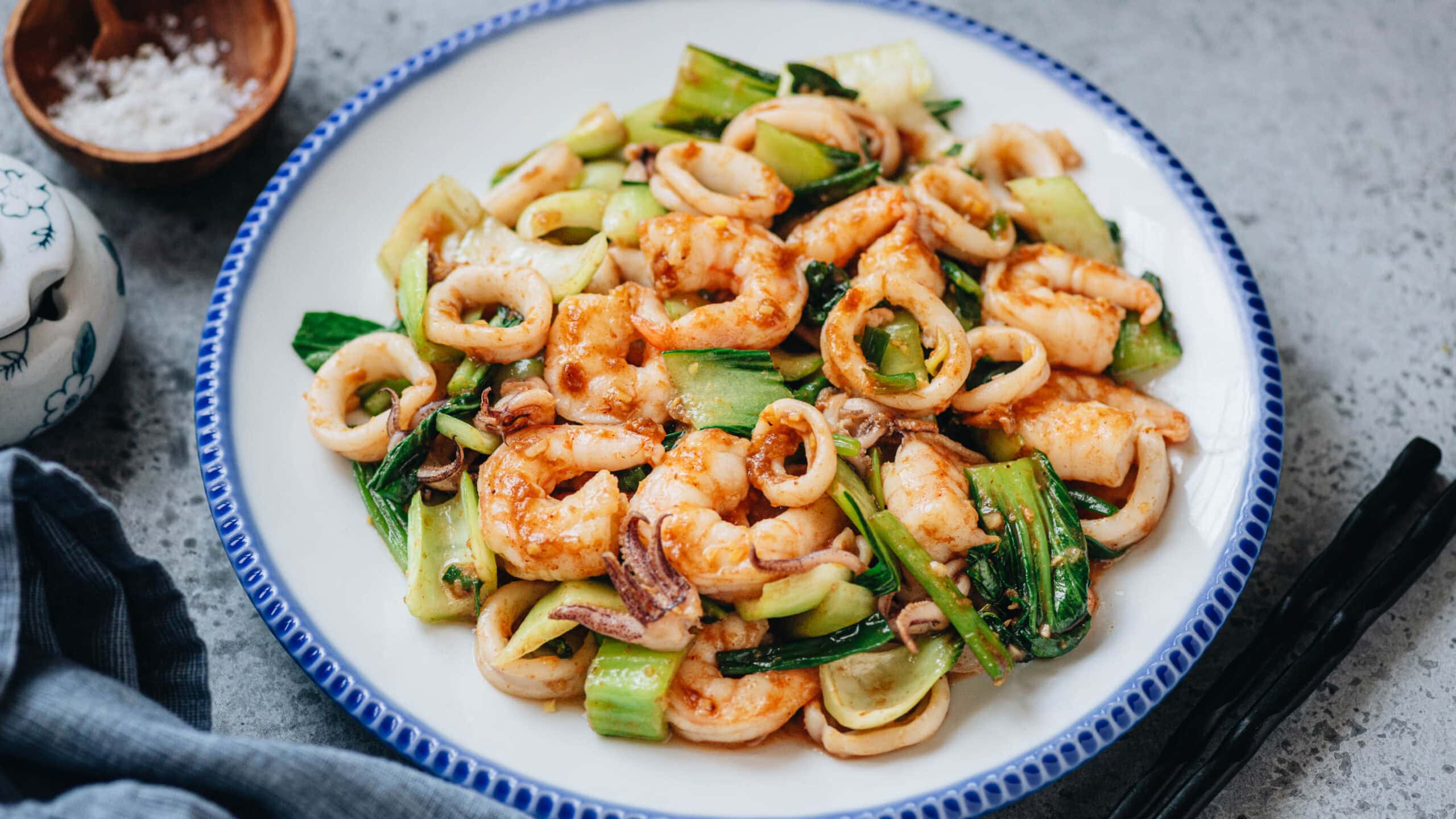
Understanding Shacha Sauce: Origins and Flavor Profile
Shacha sauce is deeply rooted in the culinary traditions of Chaoshan (Teochew) in Guangdong, Southern China, and has become equally ubiquitous in Taiwanese cuisine. Historically adapted from Southeast Asian satay influences, the condiment evolved to suit local palates by replacing peanut-heavy bases with a pungent, seafood-forward mixture.
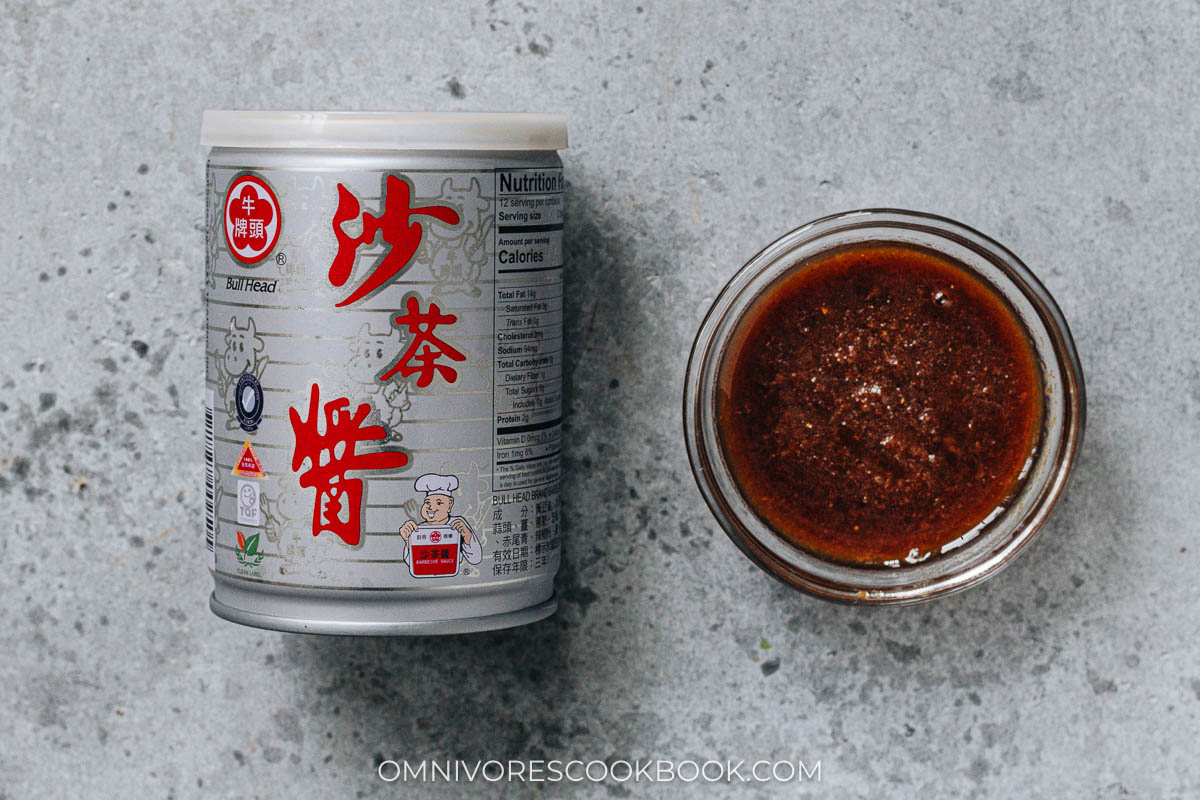
Despite its common English moniker, "Chinese barbecue sauce," culinary experts emphasize that shacha bears virtually no resemblance to Western barbecue sauces. It is decidedly savory rather than sweet, carrying an intense fragrance derived from dried fish, dried shrimp, garlic, shallots, and brilliant red chili oil. This concentrated flavor matrix allows home cooks to bypass lengthy lists of individual seasonings, utilizing a single spoonful to achieve profound depth.
"Shacha sauce is an indispensable shortcut for authentic flavor," notes culinary documentation of regional Chinese ingredients. "Because the sauce itself contains the foundational aromatics and umami, it streamlines the cooking process without sacrificing the complex layers traditionally associated with wok-cooked meals."
Nutritional Profile and Dietary Considerations
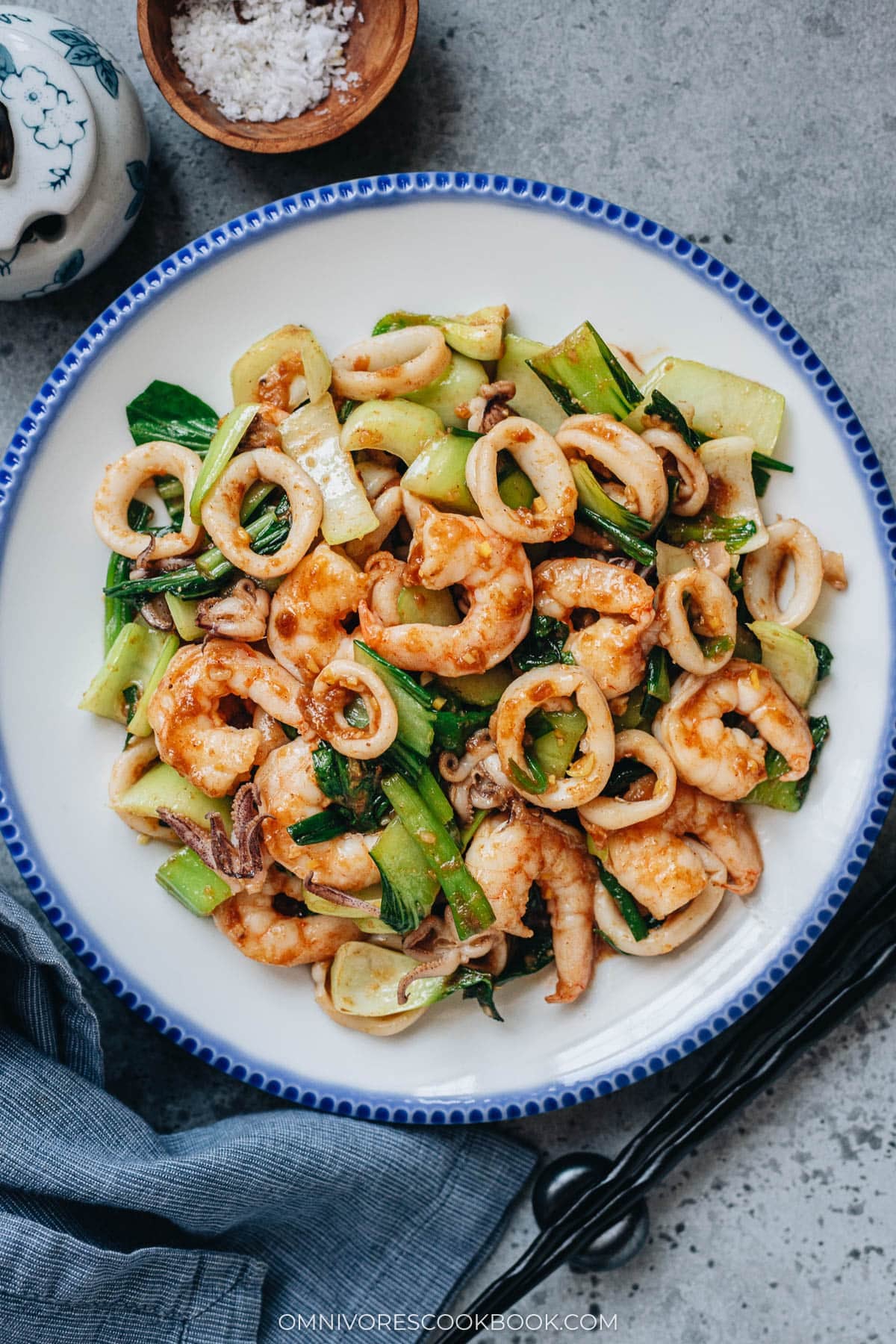
For health-conscious consumers and busy families seeking nutrient-dense weeknight dinners, seafood stir-fries integrated with traditional Asian condiments offer a favorable macronutrient balance. A standard serving of shacha seafood stir-fry—incorporating protein-rich shrimp and squid alongside fiber-dense bok choy—delivers an estimated 254 calories, 27 grams of protein, and only 9 grams of fat.
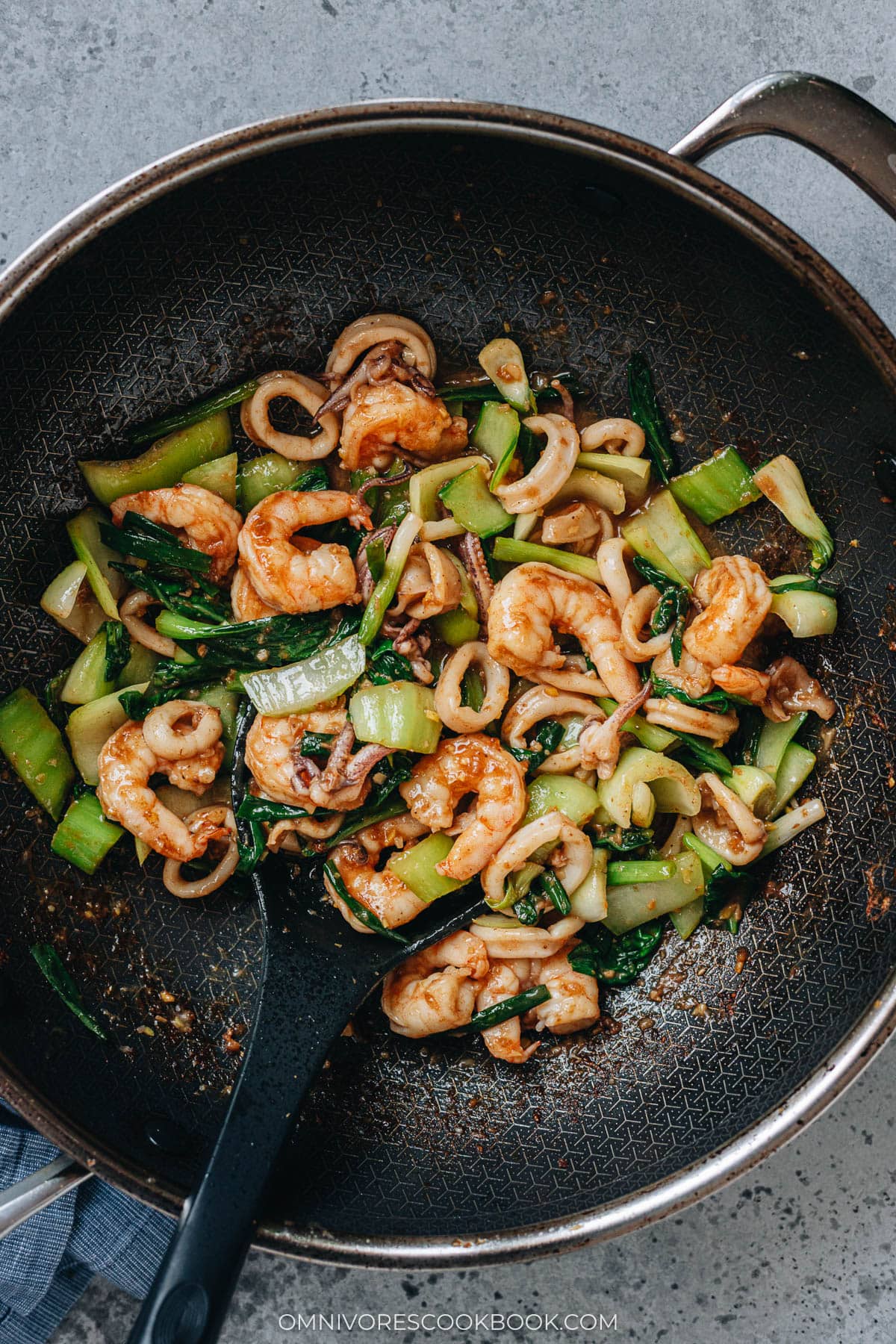
Furthermore, the inclusion of dark leafy greens like bok choy contributes substantial micronutrients, including high concentrations of Vitamin A, Vitamin C, and calcium. However, nutritionists advise monitoring sodium intake, as commercial shacha sauces and soy sauces inherently contribute to higher sodium levels, registering approximately 714 milligrams per serving in standard preparations.
The Culinary Methodology: Precision Cooking for Seafood
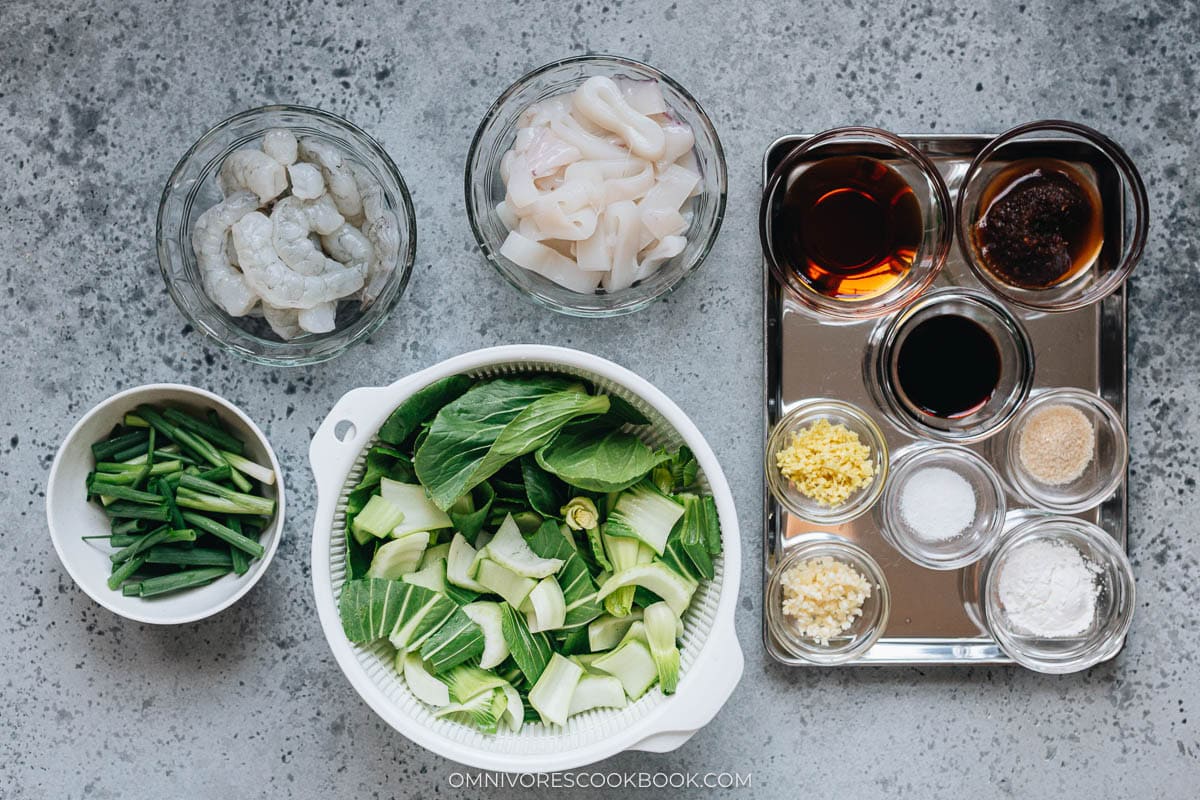
Executing a successful seafood stir-fry requires strict adherence to temperature control and timing. Because marine proteins such as shrimp and squid are prone to toughness and rubbery textures when subjected to prolonged heat, professional techniques dictate a multi-step cooking process.
The step-by-step chronology for optimal results involves:
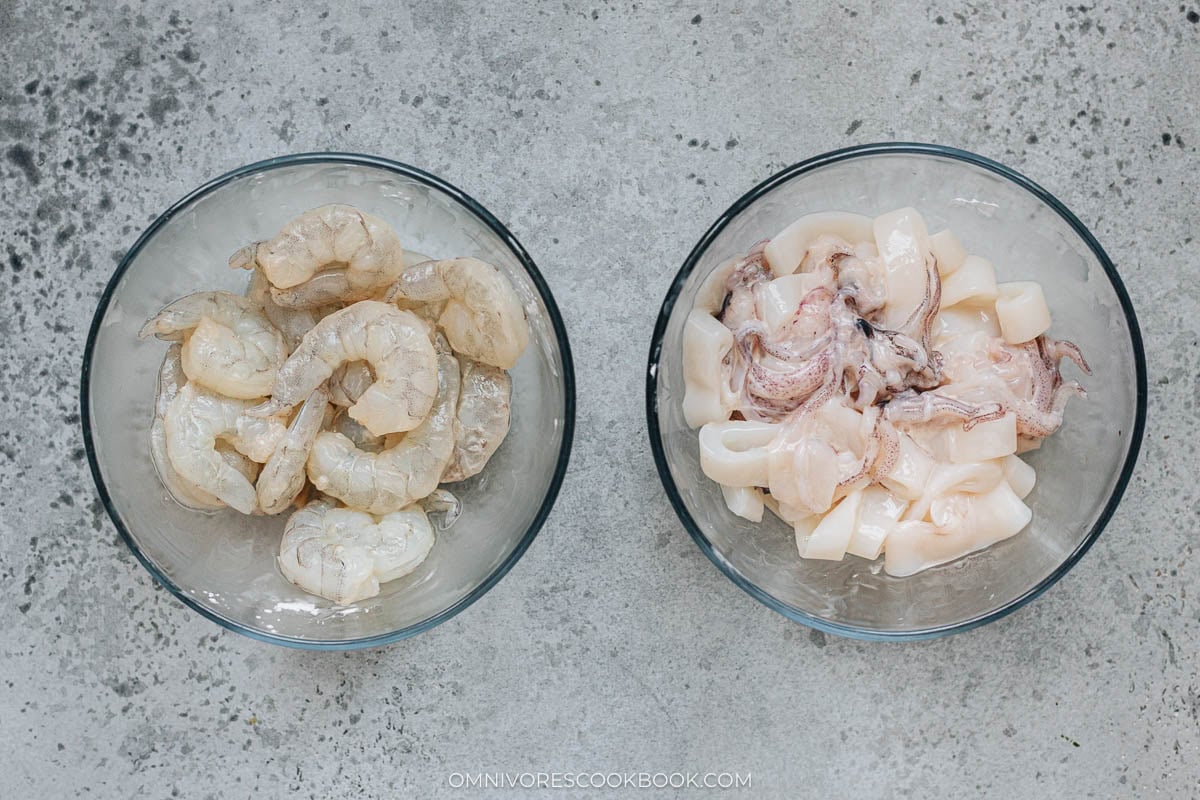
- Preparation and Marination: Proteins are partitioned. Shrimp and squid are seasoned separately with Shaoxing rice wine, a pinch of kosher salt, and cornstarch. This method, known in Chinese cooking as "velveting," seals in moisture and protects the delicate proteins during high-heat exposure.
- Independent Searing: To prevent overcooking and avoid overcrowding the wok, shrimp and squid are seared individually over high heat for brief intervals—approximately 30 seconds for shrimp and one minute for squid—before being removed from the pan.
- Aromatics and Vegetables: Garlic, ginger, and scallions are bloomed in the wok to release essential oils, followed by the systematic addition of bok choy, prioritizing the denser white stems ahead of the tender green leaves.
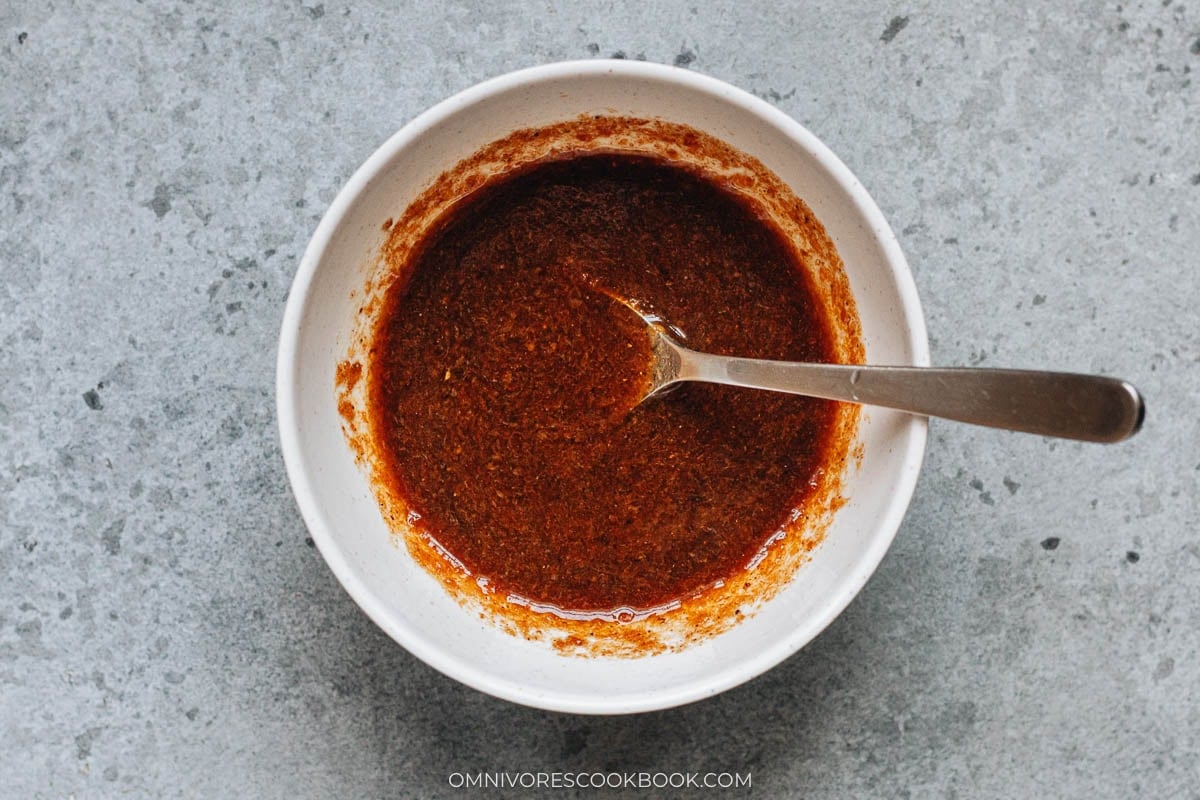
- Final Emulsion: The shacha sauce base—comprising shacha paste, light soy sauce, a touch of sugar, and additional Shaoxing wine—is introduced to the wok, brought to a rapid boil, and immediately reunited with the reserved seafood just long enough to coat the ingredients evenly.
Broader Culinary Implications and Accessibility
The rising popularity of regional Chinese condiments in Western domestic kitchens reflects a broader globalization of retail food markets. Ingredients that were once exclusively found in specialized Asian supermarkets are now widely accessible through mainstream grocery chains and online e-commerce platforms. This accessibility encourages culinary experimentation, allowing home cooks to replicate authentic restaurant-quality dishes efficiently.
Industry analysts observe that pantry shortcuts like shacha sauce align directly with modern consumer demands for convenient yet authentic home-prepared meals. By bridging the gap between traditional techniques and modern time constraints, dishes like the shacha seafood stir-fry illustrate how heritage flavors continue to adapt to contemporary lifestyles.




0 Komentar
Sampaikan opini dan diskusi yang membangun dengan bahasa yang santun.
Belum Ada Komentar
Jadilah yang pertama memberikan tanggapan mengenai berita ini.