
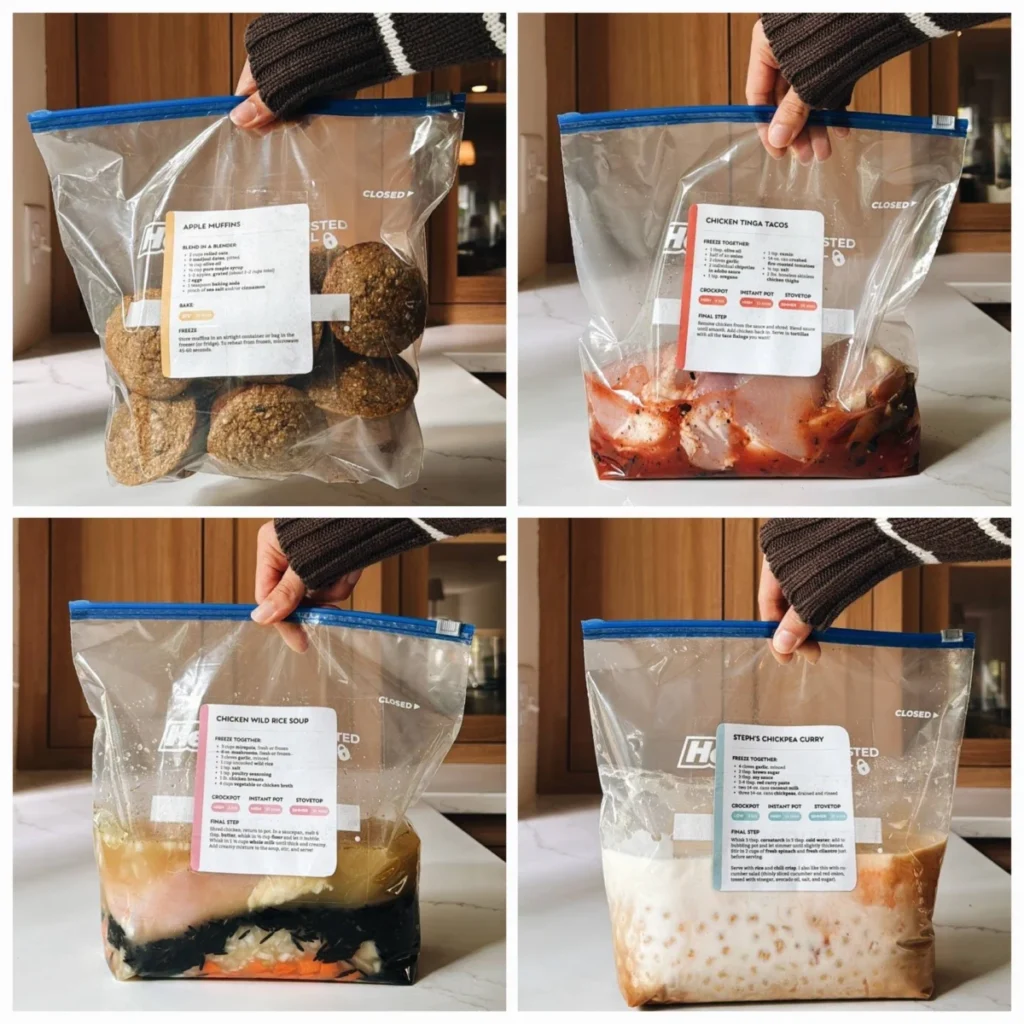
As autumn arrives and households transition back to demanding schedules, the perennial challenge of providing nutritious, home-cooked evening meals has taken center stage for working families. In response to these seasonal time constraints, culinary professionals and home economists have increasingly advocated for batch-cooking and freezer-meal preparation as an efficient strategy to reclaim time, reduce household expenditures, and maintain dietary quality during high-stress periods.
The practice of assembling and freezing raw or semi-prepared ingredients in advance has evolved from a niche frugal-living trend into a mainstream culinary management technique. Recent culinary guides and family management platforms highlight that dedicating just one hour per month to component assembly can significantly alleviate the cognitive load associated with daily meal planning. By utilizing standardized storage bags, pre-measured ingredients, and adaptable multi-appliance cooking instructions, households can streamline both their grocery procurement processes and their nightly kitchen operations.
Background and Context of Batch Meal Prepping
Monster Cookie Bars
The modern resurgence of the freezer-meal system is rooted in broader socioeconomic shifts. With rising food inflation and increasingly compressed daily schedules, consumers are actively seeking ways to minimize food waste and avoid the financial drain of last-minute takeout orders. Historically, batch cooking was associated with preparing large quantities of a single cooked dish—often resulting in flavor fatigue. However, contemporary meal-prepping methodology focuses on freezing raw ingredients together in marinades or sauces. This allows the food to cook fresh from a thawed or frozen state, preserving texture and flavor while eliminating the monotony of repeated leftovers.
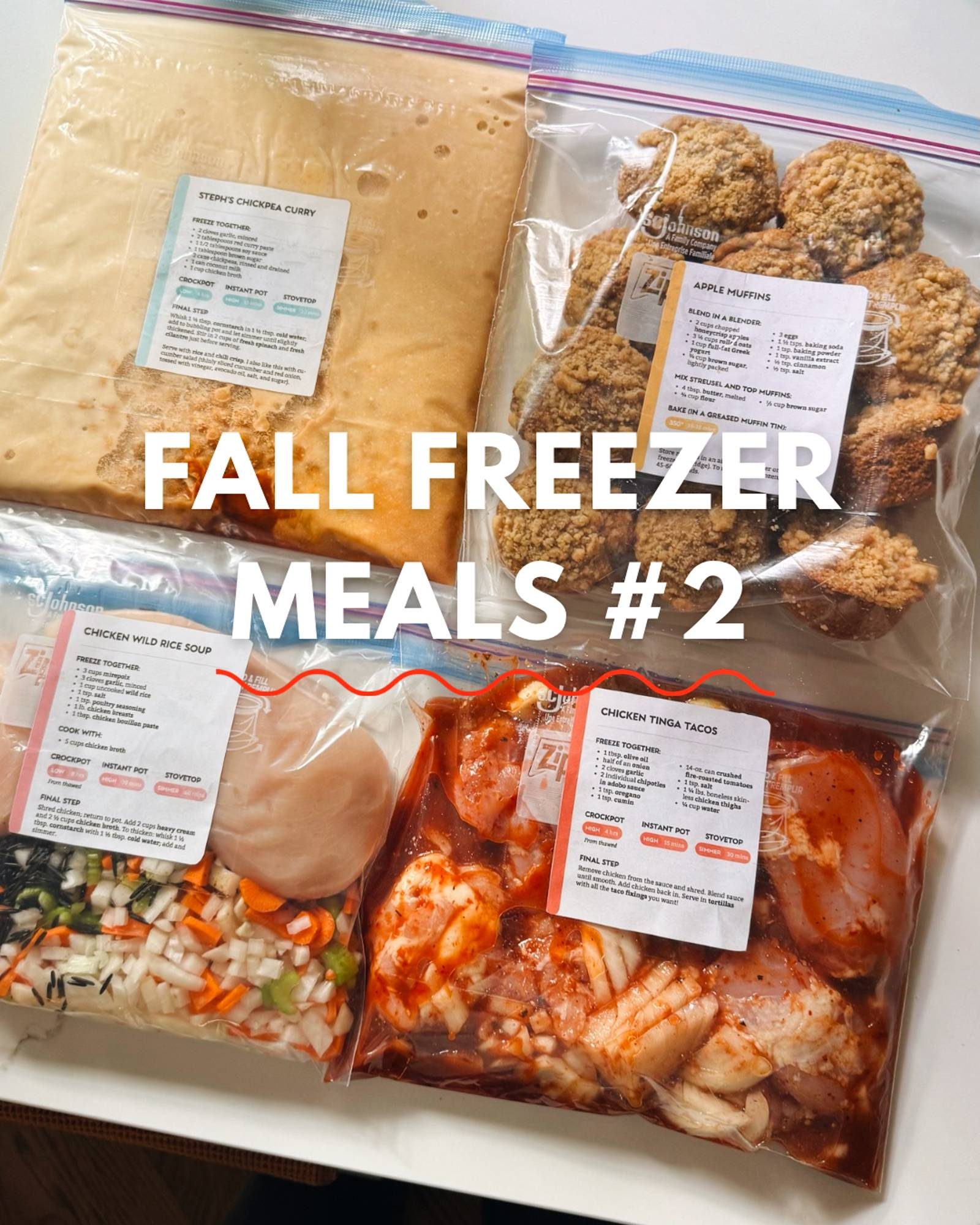
Culinary educators note that the integration of modern kitchen appliances—specifically the slow cooker and the pressure cooker—has been vital to this evolution. Meals designed for advanced freezing now frequently feature cross-platform compatibility, offering distinct cooking parameters for slow cookers, pressure cookers, and traditional stovetops. This versatility ensures that unexpected schedule changes do not disrupt the household’s evening routine.
Detailed Overview of Selected Autumn Menu Items
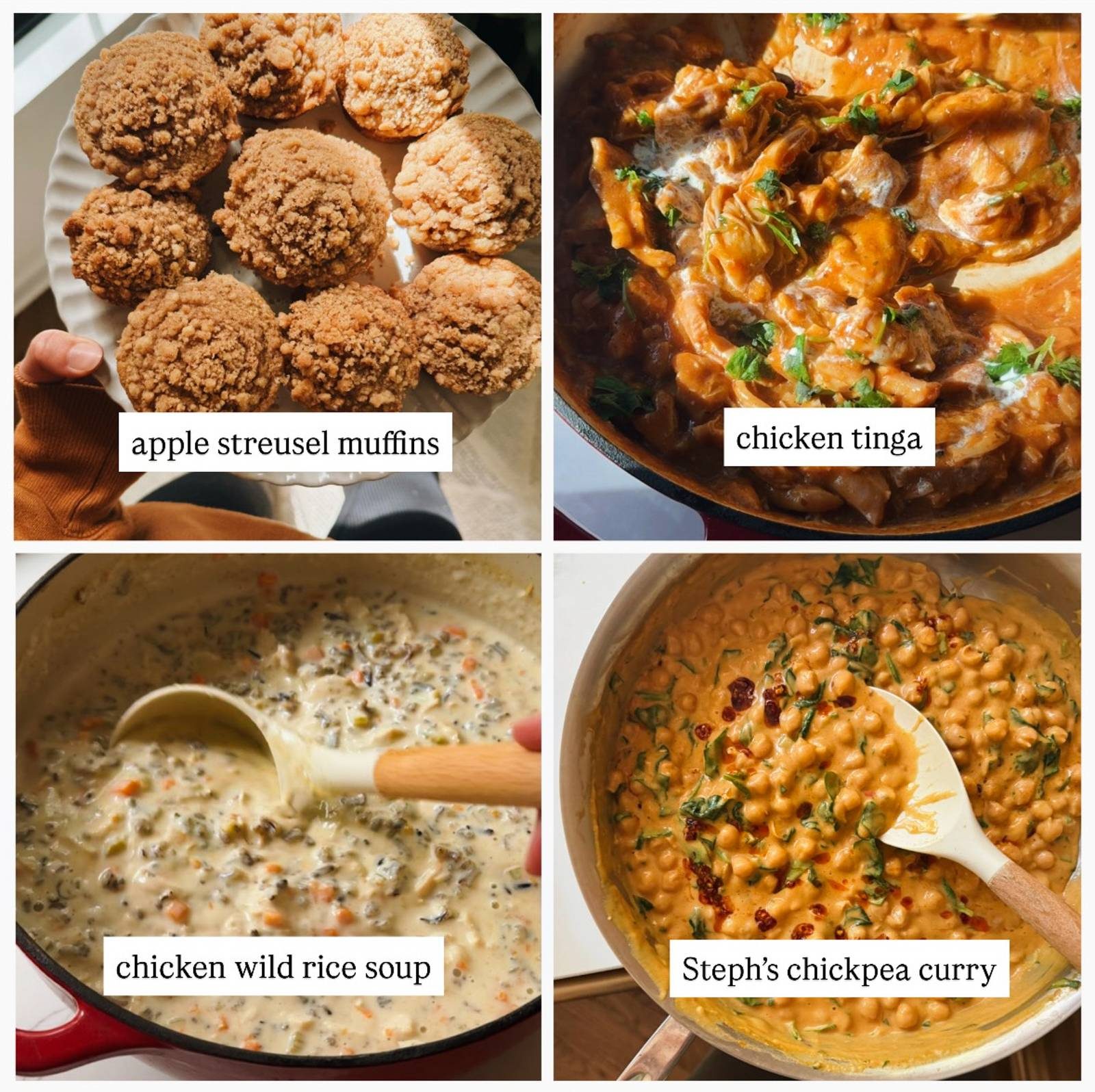
To illustrate the practical application of this system, culinary planners have curated specific seasonal menus designed around autumn flavor profiles and nutritional density. The featured menu encompasses a balance of proteins, complex carbohydrates, and seasonal produce, designed to yield efficient portions for families of varying sizes.
Apple Streusel Muffins
Designed to yield 16 to 18 individual portions, the breakfast and snack category of the autumn menu emphasizes portability and ease of reheating.

- Preparation Protocol: Batter components are blended together, while the streusel topping—consisting of melted butter, brown sugar, and flour—is mixed separately into small crumbles.
- Baking and Preservation: The batter is distributed into greased muffin tins, topped with the streusel mixture, and baked. Finished muffins are stored in airtight containers within the freezer. Reheating requires approximately 45 to 60 seconds in a microwave from a frozen state.
Chicken Tinga Tacos
Offering a yield of four servings, this savory Mexican-inspired dish utilizes flavor-forward ingredients that intensify when stored together.
- Preparation and Freezing: Core ingredients are combined directly within a freezer-safe storage bag and frozen simultaneously.
- Cooking Parameters:
- Crockpot: High setting for four hours (utilizing thawed ingredients).
- Instant Pot: High pressure for 15 minutes (utilizing frozen ingredients).
- Stovetop: Simmered for 30 minutes (utilizing frozen ingredients).
- Finalization: Post-cooking, the chicken is removed and shredded, while the remaining sauce is blended until smooth. The shredded meat is reintroduced to the sauce and served within tortillas alongside standard accompaniments.
Chicken Wild Rice Soup
Engineered to yield a larger volume of approximately 10 servings, this heartier soup option is tailored for cooler weather conditions.
- Preparation and Freezing: Ingredients are sealed together in a preservation bag for long-term storage.
- Cooking Parameters: Five cups of chicken broth are introduced immediately prior to the cooking cycle.
- Crockpot: Low setting for eight hours (thawed ingredients).
- Instant Pot: High pressure for 30 minutes (frozen ingredients).
- Stovetop: Simmered for 60 minutes (frozen ingredients).
- Finalization: The chicken is shredded and returned to the vessel. To achieve the desired richness, one to two cups of heavy cream and additional broth are incorporated. A slurry of cornstarch and cold water is whisked in and simmered to achieve the necessary viscosity.
Steph’s Chickpea Curry
Providing four servings, this plant-based option introduces international spices and legumes into the monthly rotation.
- Preparation and Freezing: Legumes, aromatics, and foundational spices are consolidated into a single storage unit for freezing.
- Cooking Parameters:
- Crockpot: Low setting for four hours (frozen ingredients).
- Instant Pot: High pressure for 13 minutes (frozen ingredients).
- Stovetop: Simmered for 20 minutes (frozen ingredients).
- Finalization: A cornstarch and cold-water slurry is incorporated into the bubbling mixture to achieve thickening. Fresh spinach and cilantro are folded in immediately prior to service. The dish is typically presented alongside steamed rice, chili crisp, and a vinegar-based cucumber and red onion salad.
Operational Logistics: Labeling and Grocery Procurement
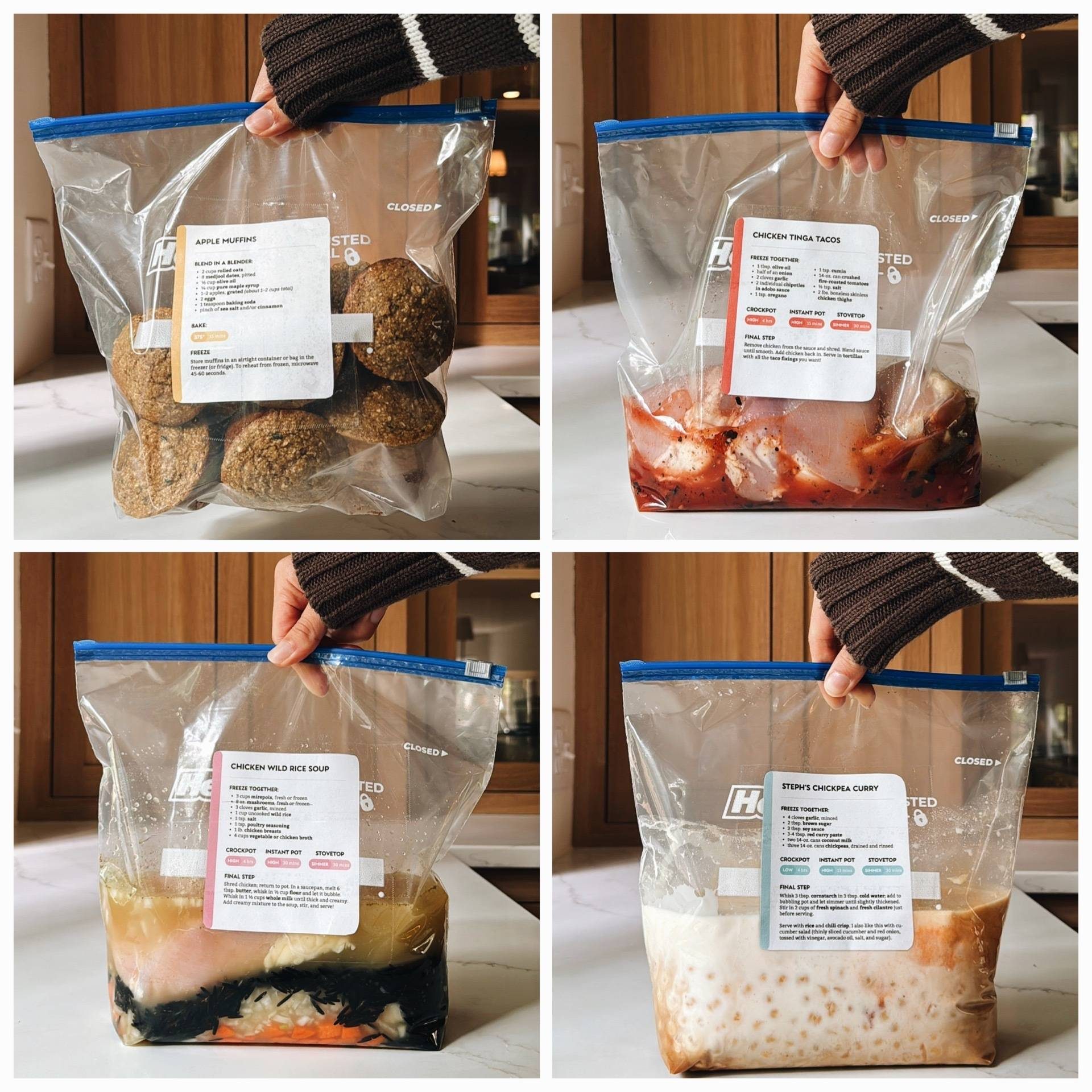
A critical administrative element of successful batch meal preparation is the elimination of decision fatigue at the point of cooking. To achieve this, culinary organizers emphasize the integration of standardized print-out materials, including comprehensive grocery lists and dedicated bag labels.
By attaching detailed recipe cards directly to individual storage bags during the initial prep session, cooks eliminate the need to reference digital devices or cookbooks during execution. This analog approach ensures that precise liquid ratios—such as the specific addition of chicken broth or thickening agents required at the finalization stage—are readily visible, reducing preparation errors and streamlining kitchen workflow.
Broader Economic and Nutritional Implications
The adoption of structured monthly freezer-meal systems carries notable implications for both household economies and public health outcomes. From a financial perspective, bulk purchasing of foundational ingredients—such as root vegetables, legumes, and bulk cuts of poultry—significantly lowers the cost per serving compared to ad-hoc daily grocery shopping. Furthermore, pre-planning meals drastically curbs the reliance on commercial convenience foods and restaurant delivery services, which frequently carry higher financial costs and less nutritional transparency.
From a nutritional standpoint, home-prepped freezing techniques allow consumers to retain control over sodium levels, oil types, and the inclusion of fresh produce. Unlike commercially manufactured frozen meals, which often rely on chemical preservatives and sodium compounds to maintain shelf life during extended industrial storage, home-assembled freezer meals utilize basic vacuum-sealing or standard freezer-bag storage methods over shorter monthly cycles.
As consumer interest in domestic efficiency continues to grow, industry analysts anticipate an ongoing rise in instructional content, specialized storage accessories, and appliance adaptations designed to support the home batch-cooking market. For the average household navigating the demands of the autumn season, systematic meal prep offers a practical, structured pathway toward culinary organization and stress reduction.






0 Komentar
Sampaikan opini dan diskusi yang membangun dengan bahasa yang santun.
No Comments Yet
Be the first to share your thoughts on this story.