
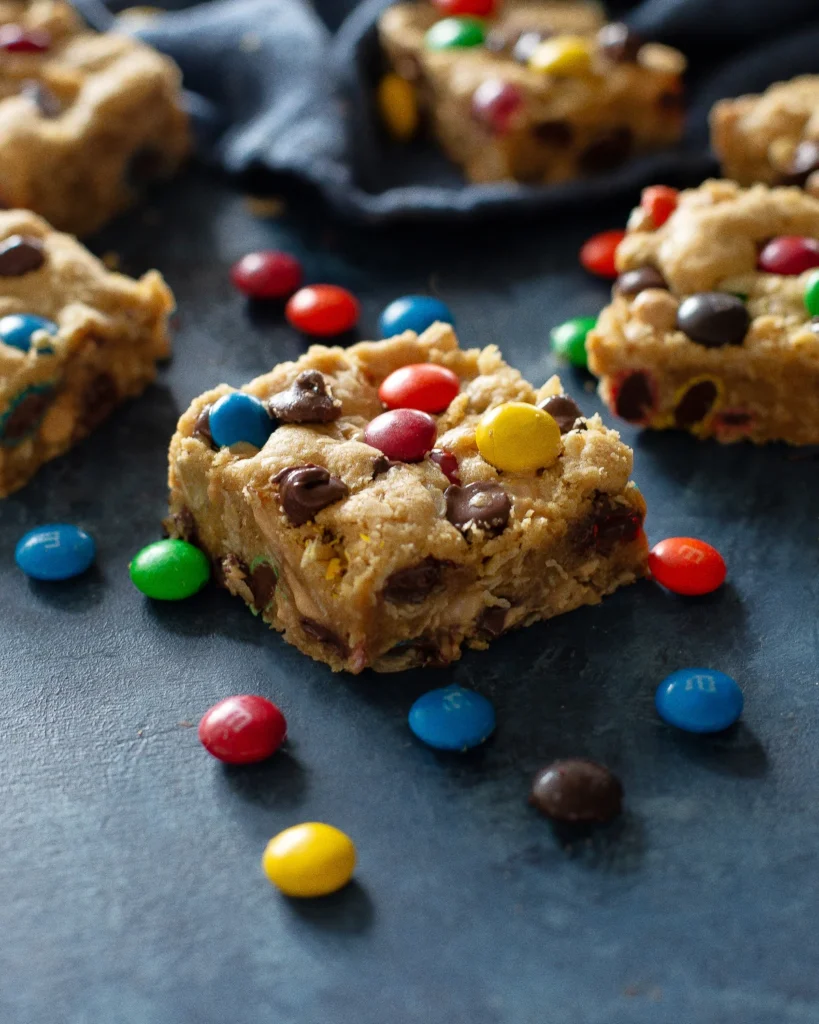
The Origins and Culinary Evolution of Monster Cookies
The term "monster cookie" entered the American lexicon in the mid-20th century, emerging primarily from Midwestern kitchens. Traditionally, these cookies were characterized by their absence of wheat flour in some early iterations, though modern recipes almost universally incorporate flour to provide structural integrity. The primary innovation of the monster cookie was its "everything but the kitchen sink" philosophy, which sought to combine disparate pantry staples into a single, hearty treat.
Historically, the preparation of monster cookies was a multi-stage process involving significant manual labor: creaming large quantities of butter and sugar, folding in oats and peanut butter, manually incorporating chips and candies, and scooping individual rounds onto baking sheets. This process necessitated multiple oven rotations, often requiring over an hour of active kitchen time to produce a substantial batch. The transition to the "bar" format represents a significant optimization of these labor-intensive steps. By pressing the dough into a single vessel, the requirement for individual scooping and rolling is eliminated, reducing the prep time by approximately 40% while ensuring a uniform thickness across the entire batch.
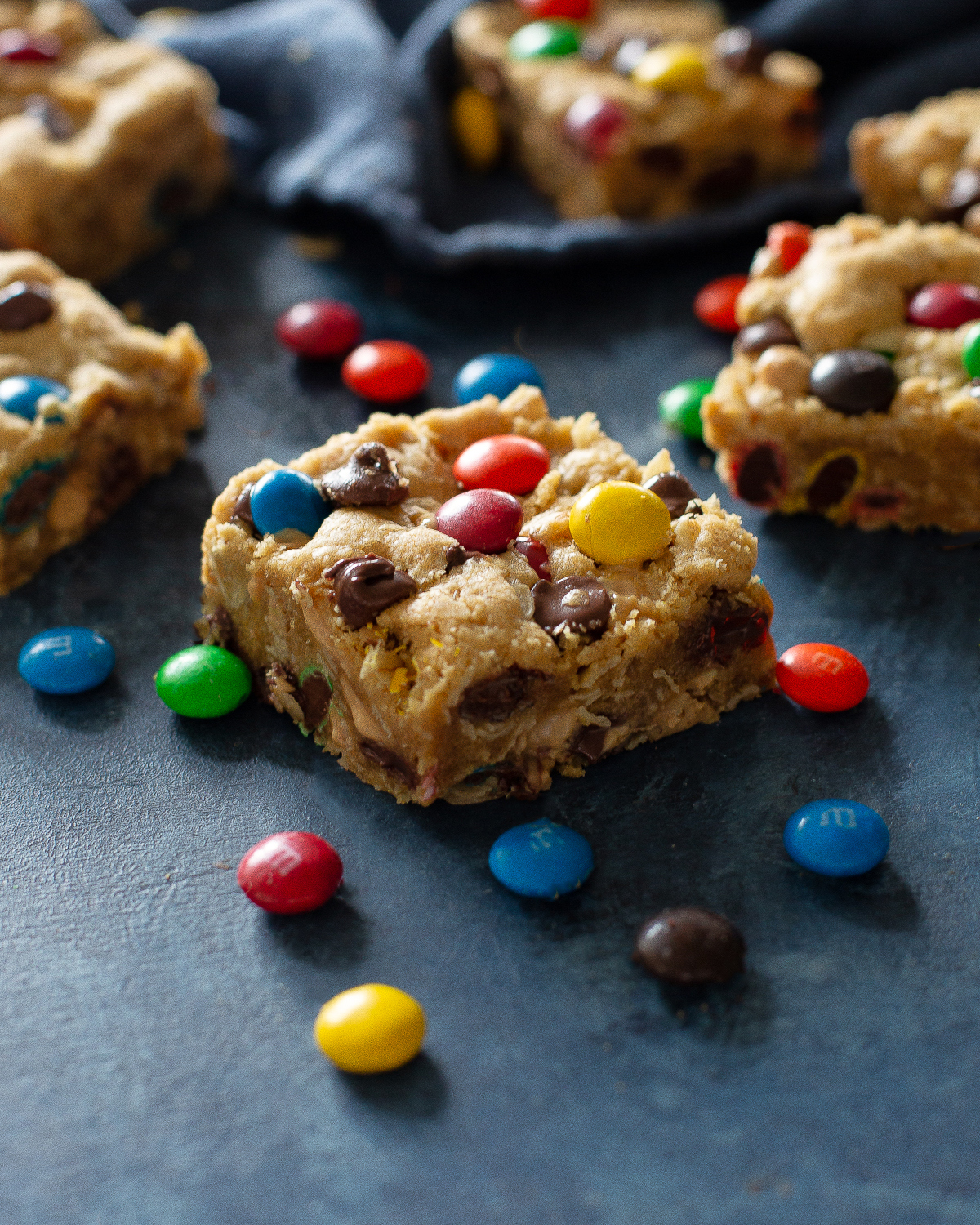
Technical Composition and Ingredients
The structural success of a Monster Cookie Bar relies on the precise calibration of fat, protein, and starch. A high-quality bar must balance the richness of peanut butter with the structural support of rolled oats. Culinary experts note that the inclusion of an extra egg yolk is a critical technical modification in modern versions of this recipe. The additional yolk provides extra lecithin and fat, which prevents the bars from drying out during the extended baking time required for a 9×13 pan.
The ingredient profile generally includes:
- Binder: Large eggs and extra yolks.
- Fat Source: Creamy peanut butter (commercial brands are preferred over natural varieties due to the stability of emulsifiers).
- Structural Base: Old-fashioned rolled oats, which provide a chewy, rustic texture.
- Flavor Profiles: A blend of semi-sweet chocolate chips and peanut butter chips to provide a multi-layered flavor experience.
- Leavening: A carefully measured ratio of baking soda, which interacts with the acidity in the brown sugar to create the necessary lift.
One of the most essential aspects of the recipe’s success is the use of sea salt. Because the combination of peanut butter chips, chocolate chips, and M&Ms creates a high sugar-to-protein ratio, salt serves as a necessary flavor antagonist, preventing the final product from becoming cloying or overly aggressive on the palate.
Optimized Baking Chronology and Methodology
The production of Monster Cookie Bars follows a streamlined, five-step chronological process designed for high-volume output.
- Preparation and Emulsification: The process begins by creaming the butter, peanut butter, and sugars. This stage is critical; the aeration of the fats determines the eventual crumb structure.
- Incorporation of Wet and Dry Elements: Eggs and vanilla extract are integrated, followed by the dry ingredients. The order of operations ensures that the oats are sufficiently coated, which prevents them from absorbing too much moisture and becoming soggy.
- The "Folding" Stage: The inclusions—chocolate chips, peanut butter chips, and M&Ms—are folded in last. This prevents the colors of the M&Ms from bleeding into the dough and keeps the structural integrity of the chips intact.
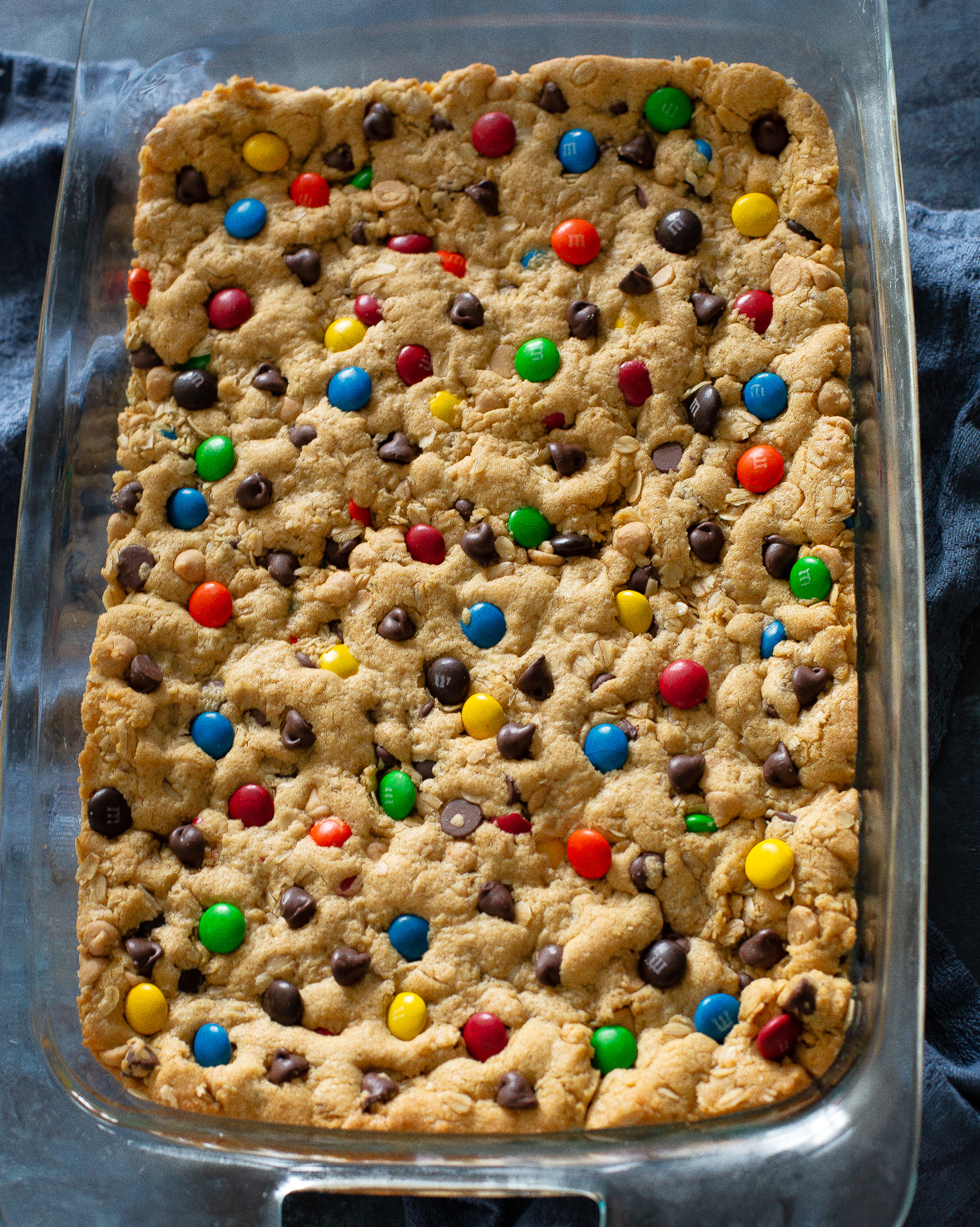
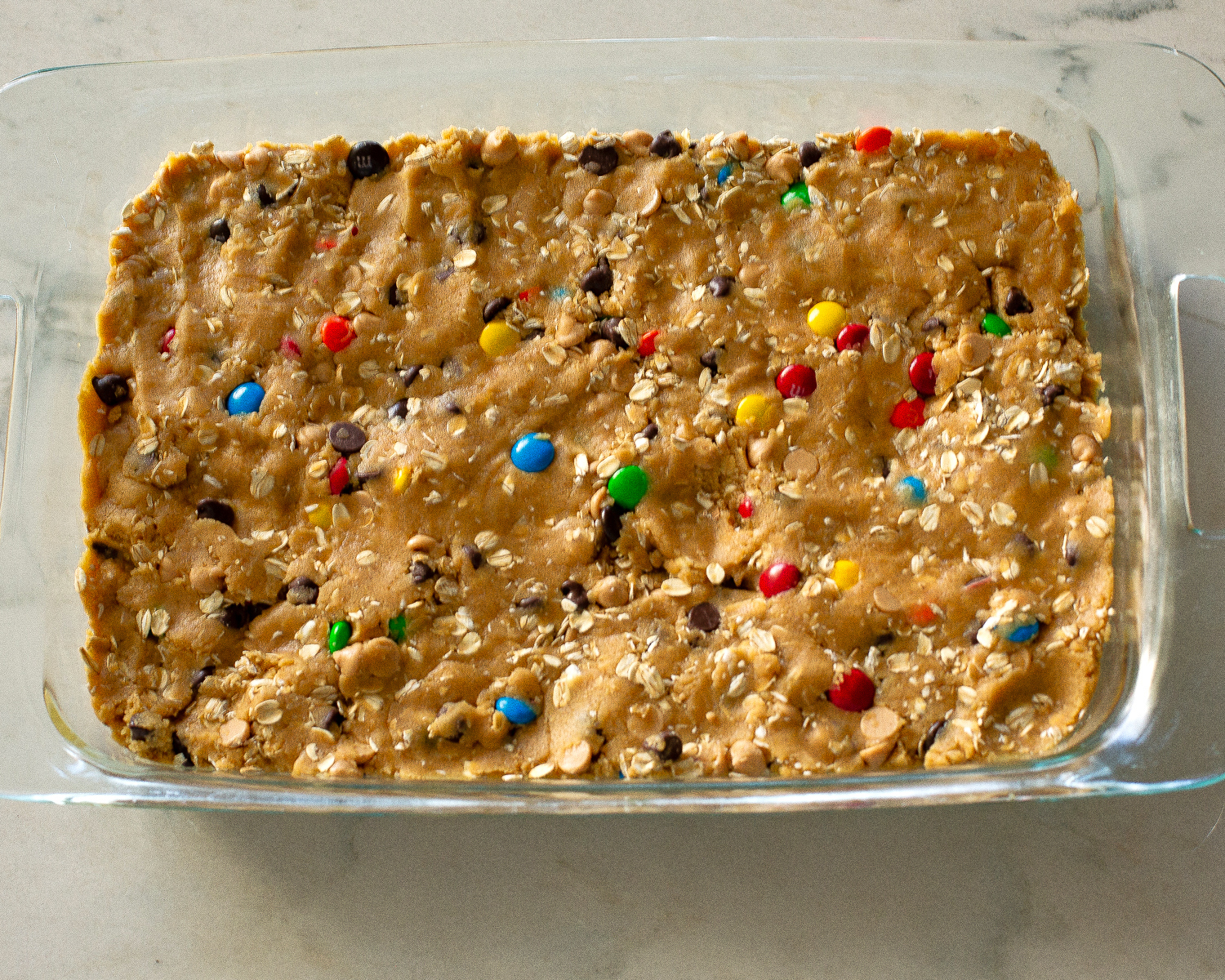
- Thermal Processing: The dough is pressed into a greased 9×13 pan. Unlike individual cookies, which rely on convection to spread, these bars are baked at a moderate temperature—typically 350°F (175°C)—for 20 to 22 minutes.
- Tempering and Setting: The bars must be removed from the oven while the center remains slightly under-baked in appearance. This is a crucial thermodynamic detail: the residual heat within the dense mass of the bar continues to cook the center while the bars rest. If the bars appear fully set in the oven, they will likely become brittle and over-baked upon cooling.
Industry Perspectives on Sheet-Pan Desserts
Market analysts observing the home-baking sector suggest that the rise of "bar-style" recipes is directly linked to the changing demographics of the modern household. With consumers increasingly seeking efficient, batch-cookable solutions for large events, schools, and office gatherings, the Monster Cookie Bar has become a standard.
"The shift toward efficiency is not merely about speed; it is about consistency," says an independent culinary consultant. "When you bake two dozen individual cookies, you have twenty-four chances for a cookie to burn on the edges or remain raw in the middle. With a single pan, the thermal mass is distributed evenly, provided the baker adheres to the cooling process. It is a more forgiving method for the amateur baker."
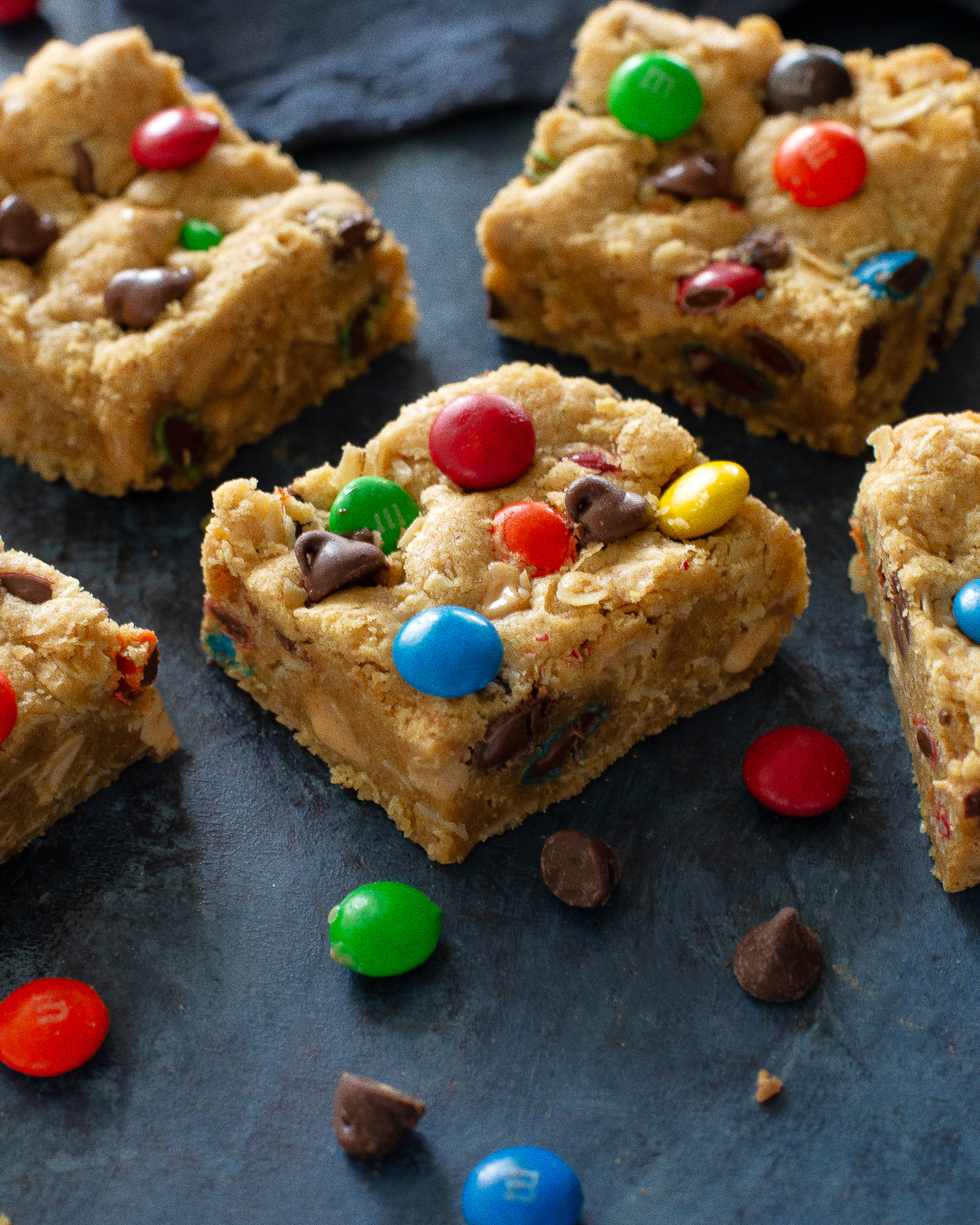
Furthermore, the stability of these bars makes them ideal for transport. Unlike delicate drop cookies, which can crumble or lose their shape during transit, the high-density, high-protein structure of a Monster Cookie Bar allows for easy storage and distribution, maintaining its textural integrity for up to four days at room temperature.
Broader Impact and Nutritional Context
From a broader culinary perspective, these bars represent the "accessible gourmet" movement. They utilize pantry-stable ingredients—oats, sugar, shelf-stable peanut butter, and mass-market chocolate—to create a product that mimics the quality of a commercial bakery.
While the nutritional profile is undeniably high in caloric density due to the sugar and lipid content, the presence of rolled oats provides a source of fiber that is absent in traditional flour-based brownies or blondies. This slight nutritional benefit is often cited by home cooks as a rationale for choosing this recipe over other dessert options for children or social gatherings.
Storage and Preservation Protocols
For home cooks seeking to maximize the longevity of their desserts, the storage of Monster Cookie Bars follows specific industrial-grade best practices. To preserve the chewiness:
- Airtight Environment: The bars must be placed in a sealed container once fully cooled to room temperature. Moisture loss is the primary enemy of the desired texture.
- Freezing: For long-term storage, the bars can be individually wrapped in plastic film and stored in a freezer-safe bag for up to three months. This does not degrade the quality of the chocolate or the texture of the oats.
- Temperature Sensitivity: It is advised to avoid storing these bars in direct sunlight or near heat sources, as the chocolate components and peanut butter chips have low melting points and can compromise the visual appeal of the final product.
In conclusion, the Monster Cookie Bar stands as a testament to the effectiveness of culinary optimization. By re-engineering a classic, labor-intensive recipe into a consolidated pan-baked format, the modern baker has created a versatile, consistent, and highly efficient dessert that remains firmly rooted in the tradition of American home baking. Whether served at community events or prepared for household enjoyment, the dish continues to demonstrate the enduring popularity of the classic peanut-butter-oat-chocolate combination.






0 Komentar
Sampaikan opini dan diskusi yang membangun dengan bahasa yang santun.
No Comments Yet
Be the first to share your thoughts on this story.