
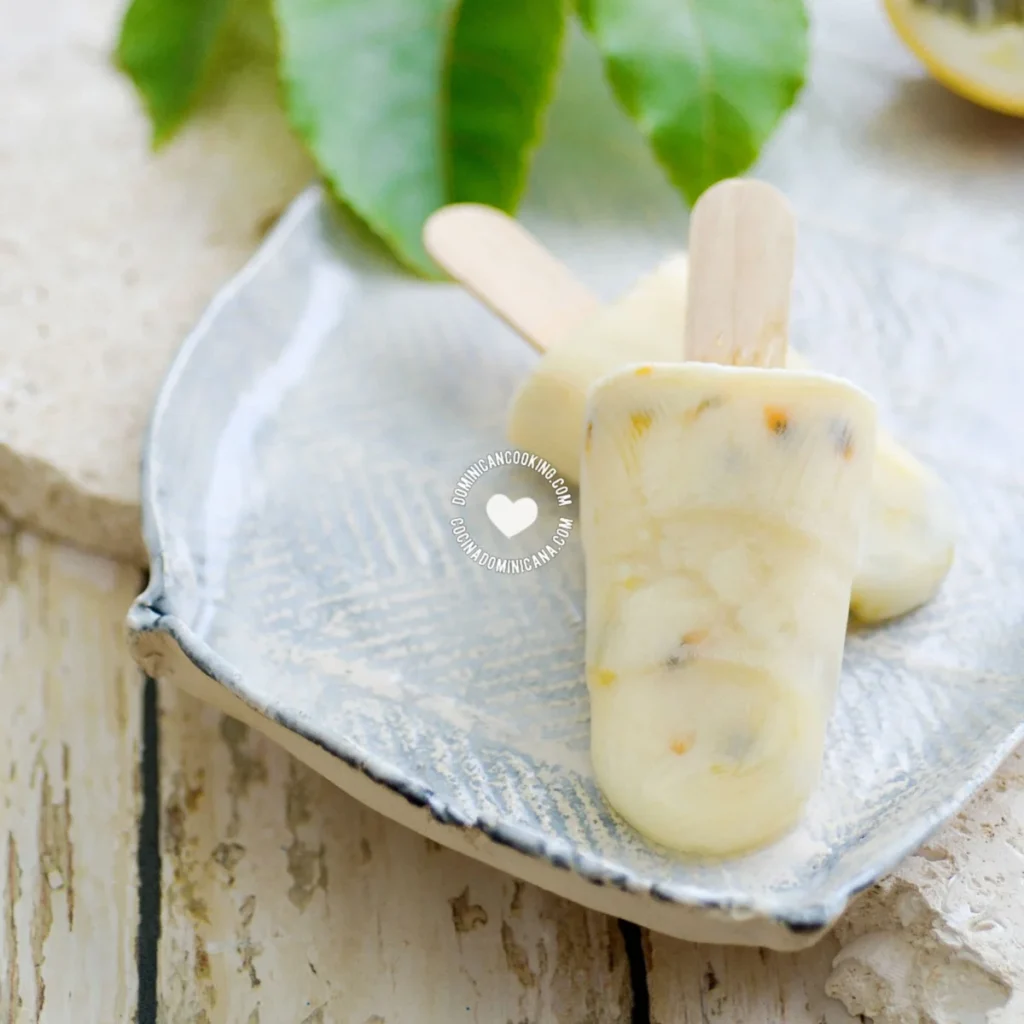
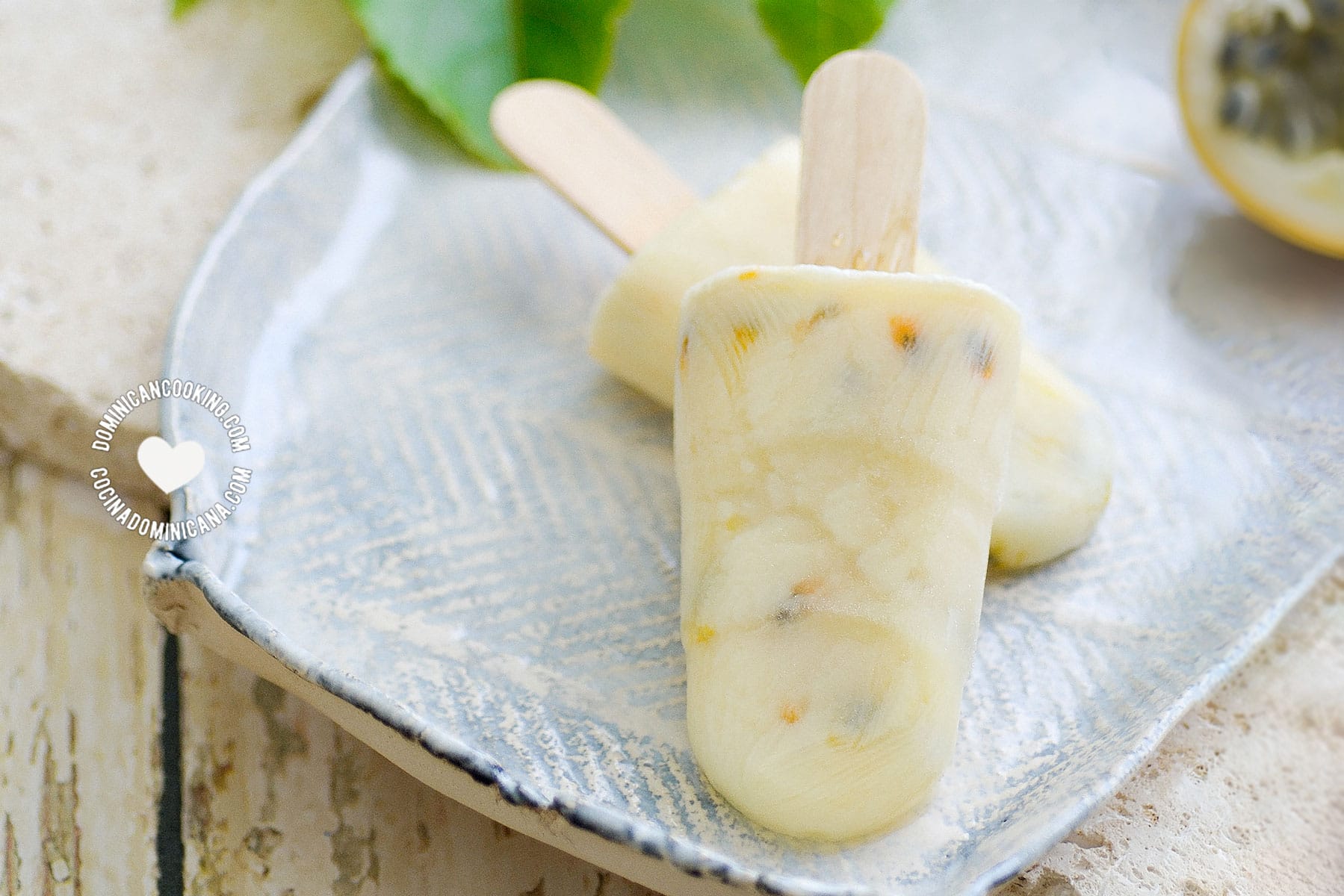
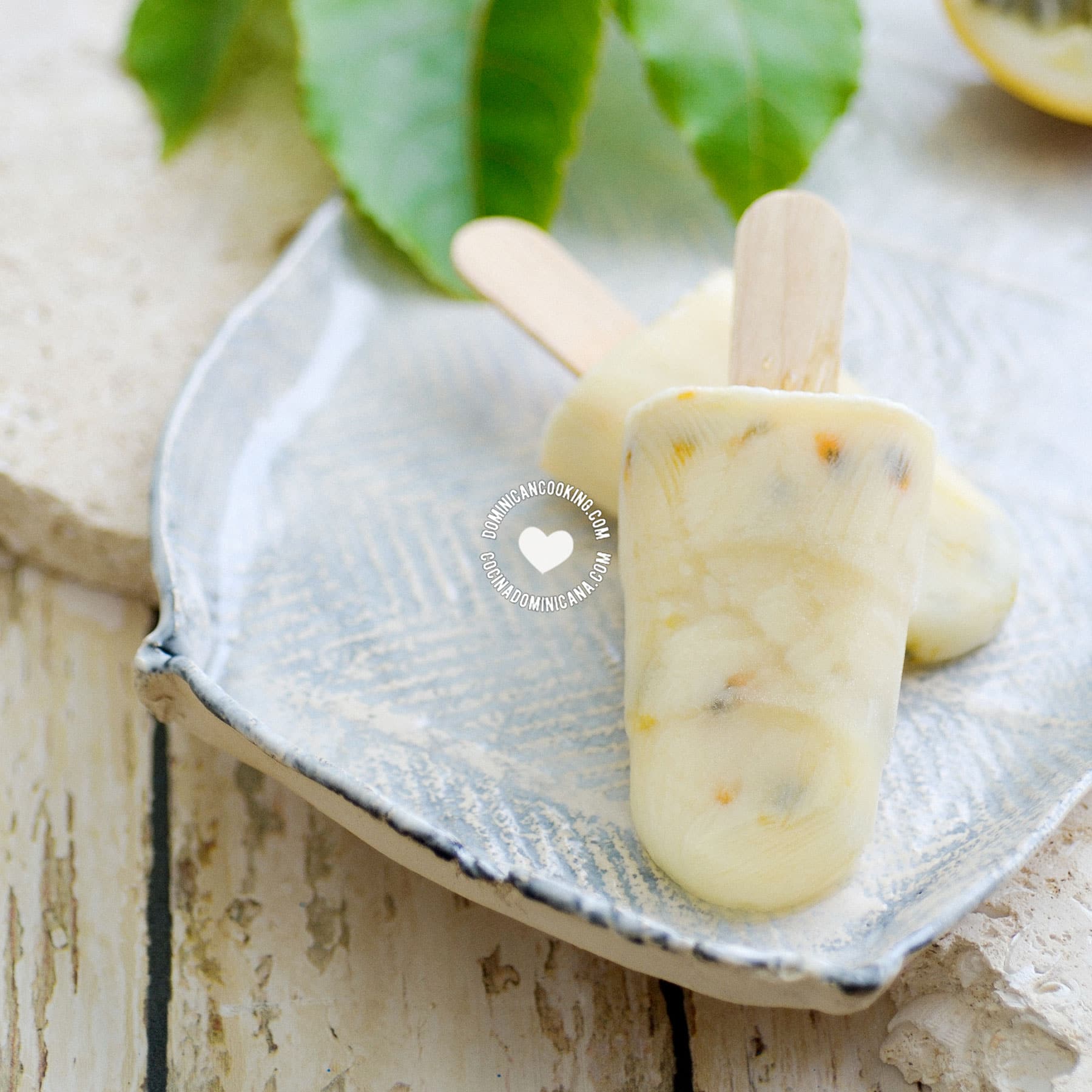
Beat the relentless summer heat with a sophisticated yet traditional frozen treat that bridges Caribbean heritage and modern culinary innovation: the Paleta de Chinola con leche, commonly known as the milk and passion fruit popsicle. Developed by culinary researcher and recipe creator Clara Gonzalez, this frozen dessert reinterprets the beloved Dominican beverage Morir Soñando into a portable, refreshing format designed to combat rising seasonal temperatures. As global temperatures climb and consumers increasingly seek authentic, culturally rich comfort foods, this artisanal popsicle offers both historical depth and a balanced flavor profile that marries tropical acidity with rich dairy creaminess.
Main Facts and Culinary Background
The foundational concept behind the Paleta de Chinola con leche draws inspiration from Morir Soñando—translating literally to "to die dreaming"—a classic Dominican beverage traditionally crafted by blending cold milk with fresh citrus juices, most commonly sweet orange. However, this specific iteration substitutes standard citrus with chinola, the Caribbean Spanish term for passion fruit (Passiflora edulis).
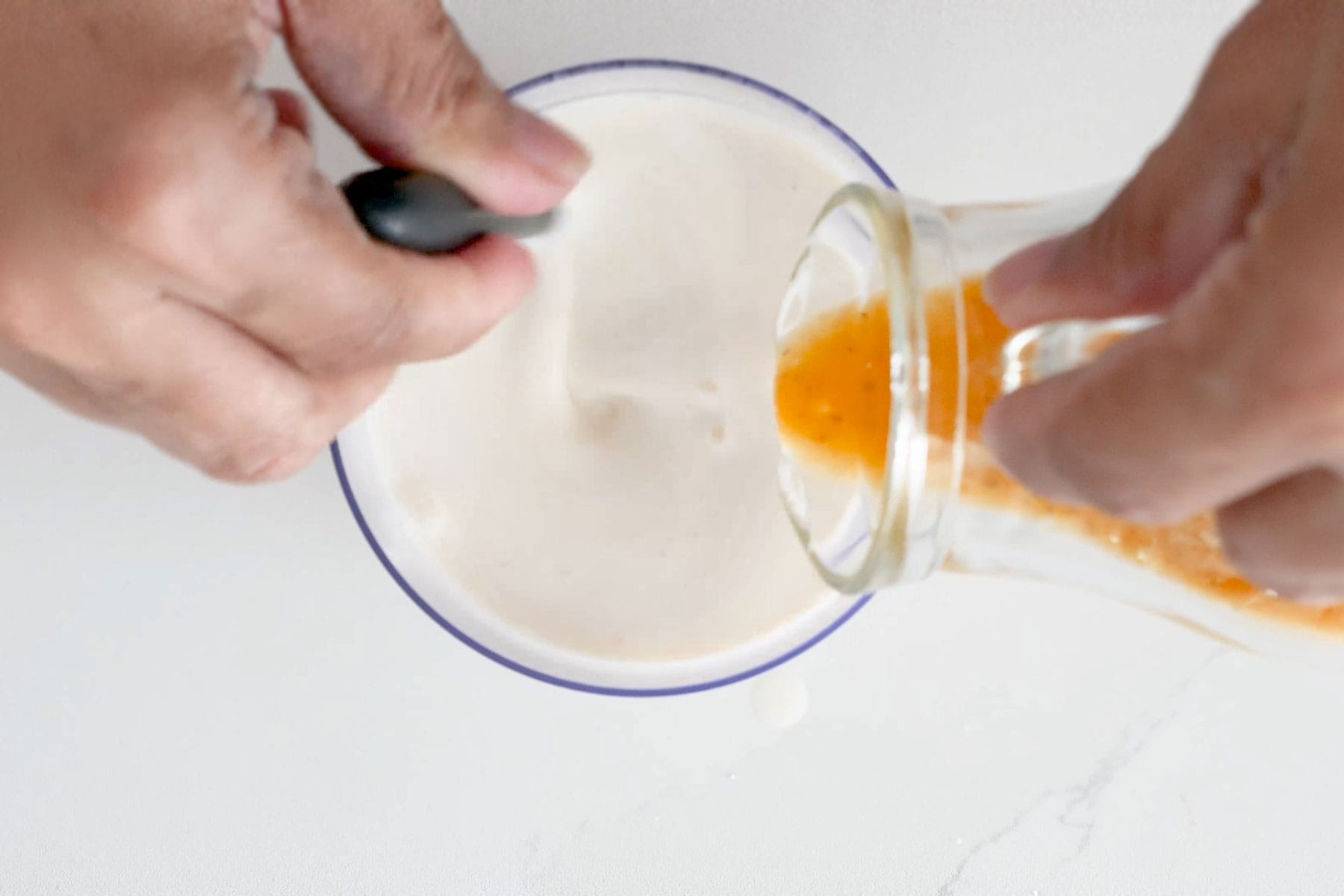
While passion fruit is botanically classified as a berry rather than a citrus fruit, its pronounced tartness and aromatic profile make it an ideal substitute for traditional acidic juices. When combined with milk, the high acidity of the passion fruit juice threatens to curdle the dairy if not handled with precise culinary technique. Gonzalez’s recipe navigates this chemical reaction by carefully calibrating the proportions of chilled ingredients, resulting in a stable, velvety texture that balances the bright, tropical punch of the fruit with the soothing roundness of milk.

At 211 kilocalories per serving, the popsicle delivers a measured energy intake, featuring 49 grams of carbohydrates and 5 grams of protein, alongside significant micronutrients such as 154 milligrams of calcium and 11.8 milligrams of vitamin C. The formulation caters to modern dietary trends favoring whole-fruit ingredients and traditional preservation methods over heavily processed industrial snacks.
Chronology and Recipe Development
The historical trajectory of Morir Soñando dates back generations in the Dominican Republic, where street vendors and households alike relied on the combination of fresh local citrus and imported or locally sourced dairy to provide instant relief from tropical humidity. Adapting this beverage format into a frozen paleta represents a contemporary evolution within Caribbean gastronomy, reflecting a broader Latin American artisanal popsicle movement that gained significant momentum throughout the 2010s and 2020s.
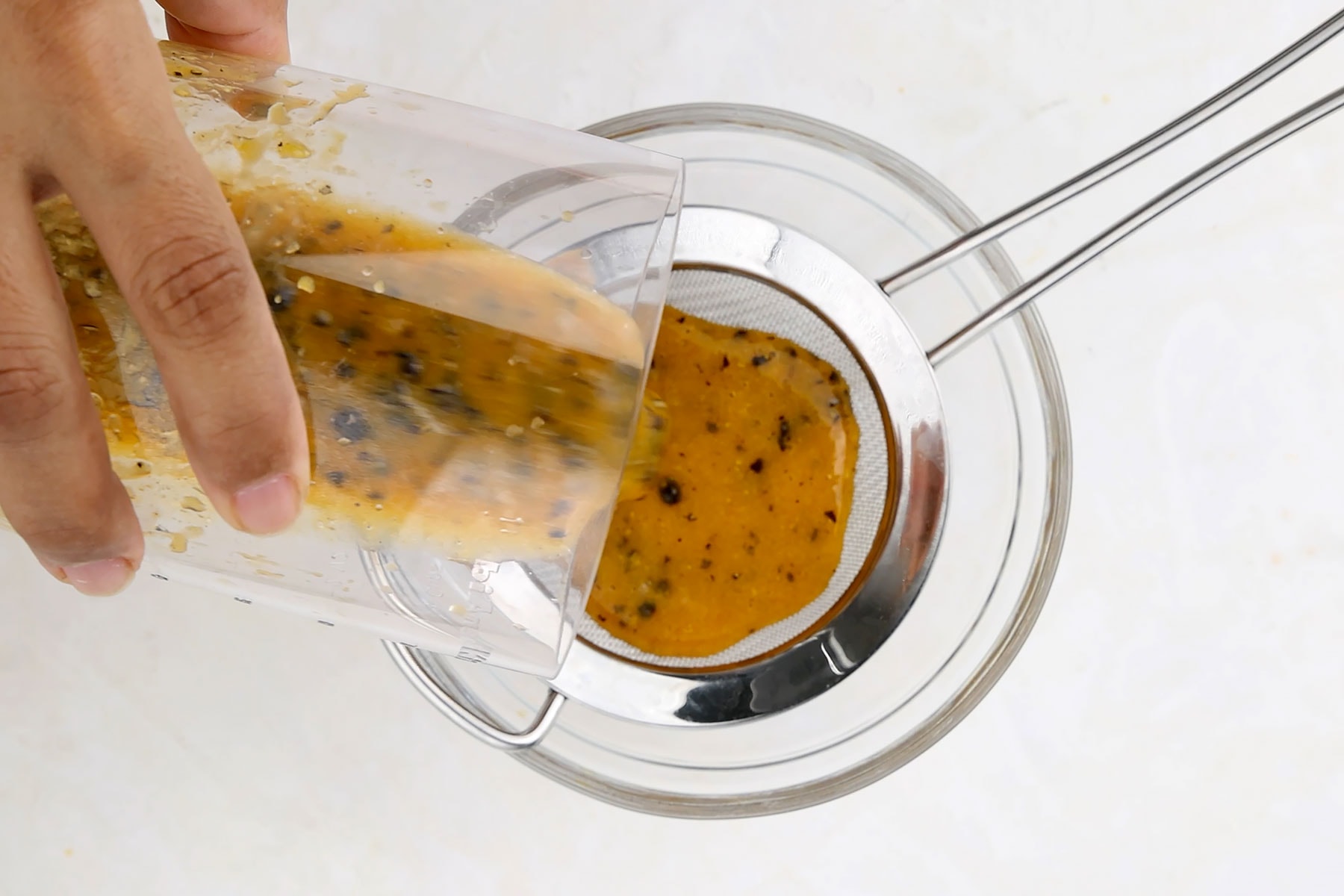
The preparation timeline for the Paleta de Chinola con leche requires approximately one hour and fifteen minutes of dedicated preparation and chilling time before the mixture is transferred to molds for freezing.
- Chilling Phase: The foundational dairy and extracted passion fruit juices must be rigorously chilled independently prior to combination. This step is critical in slowing down the immediate curdling reaction triggered when acid meets dairy proteins.
- Mixing Phase: The ingredients are gently incorporated under controlled temperature conditions to ensure a homogenous emulsion without breaking the milk fat.
- Freezing Phase: The blended liquid is poured into specialized popsicle molds, inserted with wooden sticks, and placed into industrial or domestic freezers for several hours until fully solidified.
- Serving Phase: Once set, the paletas are demolded and served immediately to retain their structural integrity in warm weather environments.
Supporting Data and Nutritional Profile
Understanding the nutritional composition of traditional Latin American frozen treats provides consumers with transparent dietary data. Below is the detailed nutritional breakdown per single-serving unit (1 gram serving size reference baseline, standardized for a 6-serving yield):
- Calories: 211 kcal
- Total Carbohydrates: 49 g
- Dietary Fiber: 4 g
- Sugars: 44 g
- Total Fat: 1 g
- Saturated Fat: 1 g
- Cholesterol: 2 mg
- Sodium: 63 mg
- Potassium: 328 mg
- Protein: 5 g
- Vitamin A: 750 IU
- Vitamin C: 11.8 mg
- Calcium: 154 mg
- Iron: 0.7 mg
The inclusion of natural passion fruit pulp contributes notably to the dietary fiber and potassium levels, distinguishing the recipe from artificially flavored commercial alternatives that rely primarily on synthetic additives and high-fructose corn syrup.
Industry Implications and Cultural Impact
The introduction and proliferation of regional twists on classic beverages highlight a growing global appreciation for Caribbean flavors. Culinary experts note that items like the passion fruit morir soñando paleta serve as cultural ambassadors, introducing diasporic ingredients to wider international audiences through accessible formats like ice pops.
Furthermore, the formulation addresses ongoing shifts in consumer behavior. Modern food markets demonstrate robust growth in demand for functional, fruit-forward desserts that offer both nostalgic comfort and authentic cultural provenance. By utilizing fresh chinola, recipe developers support agricultural supply chains tied to tropical fruit growers, fostering sustainable economic linkages between local farming cooperatives and home cooks.
As culinary platforms continue to document and preserve traditional recipes from the Caribbean basin, innovations like Clara Gonzalez’s milk and passion fruit popsicles ensure that historic flavor combinations adapt successfully to contemporary palates and modern lifestyle needs.



0 Komentar
Sampaikan opini dan diskusi yang membangun dengan bahasa yang santun.
Belum Ada Komentar
Jadilah yang pertama memberikan tanggapan mengenai berita ini.