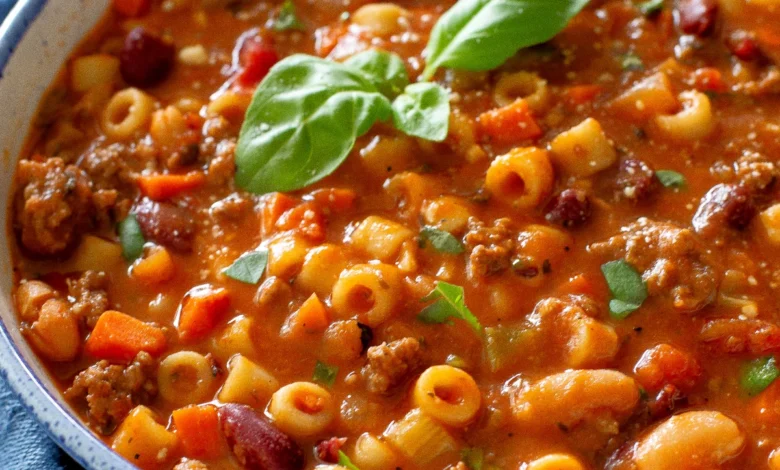
The dish is characterized by its foundational components: a robust, beef-based tomato broth, ground beef, two distinct varieties of legumes—typically kidney and Great Northern beans—and small-format pasta such as ditalini. Unlike thinner, broth-heavy Italian soups, the modern interpretation of Pasta e Fagioli often leans toward a thicker, stew-like consistency, providing a comprehensive meal that delivers significant caloric density and nutritional value.
Historical Context and Culinary Evolution
The etymology of the dish is straightforward, with the name directly translating from Italian dialects to "pasta and beans." Historically, the dish emerged in the rural regions of Italy as a quintessential "cucina povera" (peasant cooking) creation. During periods of economic hardship, families relied on ingredients that were inexpensive, shelf-stable, and highly satiating. Legumes provided essential plant-based protein, while pasta offered carbohydrates for energy, and seasonal vegetables added necessary vitamins.
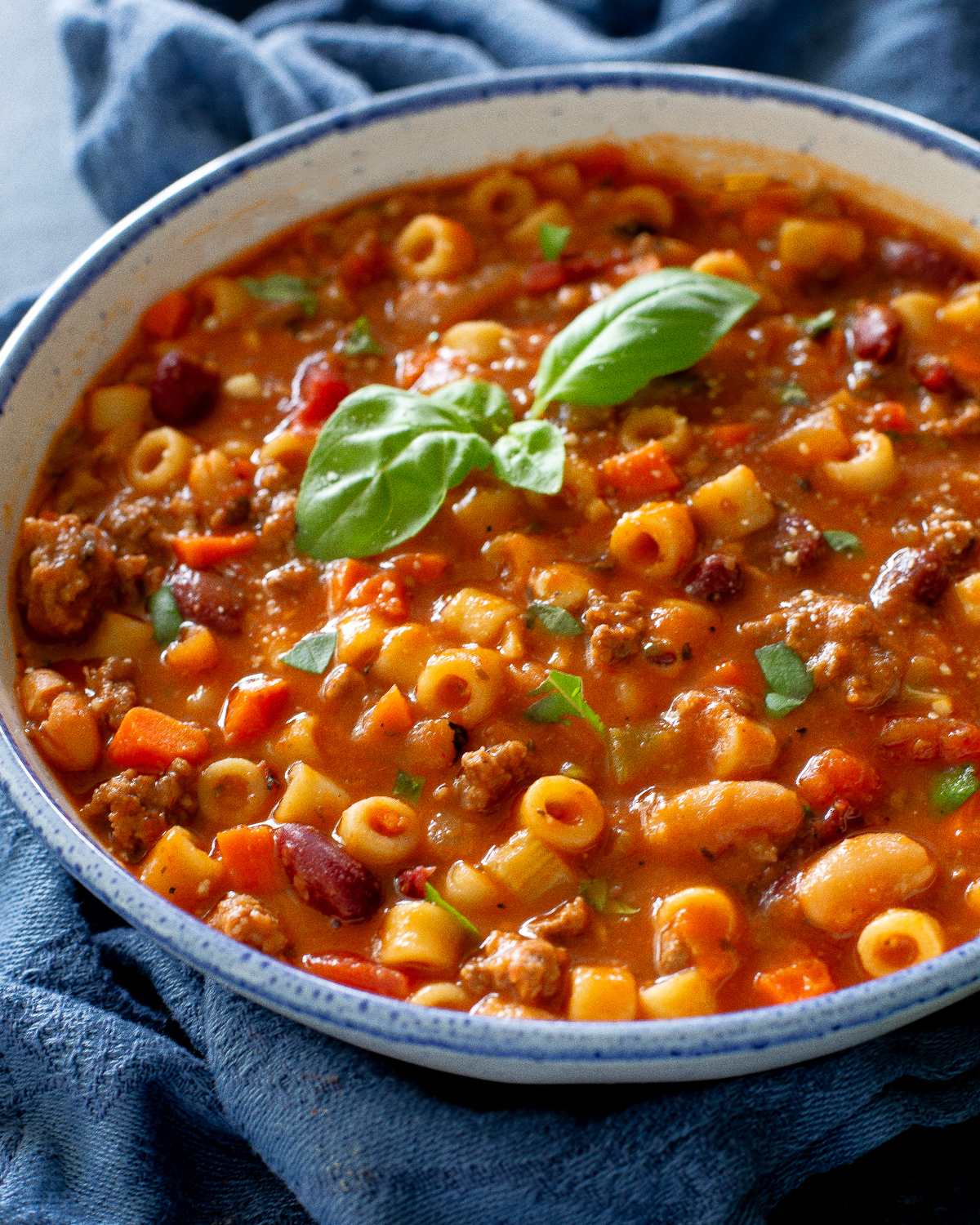
Over the 20th and 21st centuries, the dish underwent a process of globalization, particularly through the Italian diaspora. As it was integrated into North American menus, the recipe adapted to local ingredient availability. The addition of ground beef—a departure from the traditional meatless or cured-pork versions found in older Italian cookbooks—transformed the dish into a more substantial, protein-heavy entrée. This shift reflects a broader trend in Western culinary history where traditional, calorie-conscious meals were scaled up to meet the preferences of a consumer base increasingly focused on meat-centric diets.
Nutritional Profile and Dietary Implications
A standard serving of this soup typically provides approximately 329 calories, balancing macronutrients in a way that is increasingly favored by those seeking home-cooked meals with high satiety. With roughly 21 grams of protein per serving and 27 grams of carbohydrates, it serves as a functional meal. The inclusion of beans contributes significantly to the fiber content, which, while measured at 3 grams per serving in some commercial preparations, can be higher depending on the specific bean ratio utilized in homemade iterations.
The sodium content, often cited as a point of concern in processed soups, typically averages around 848mg per serving. This is a critical metric for health-conscious consumers. Nutritional experts suggest that when preparing this dish in a home environment, utilizing low-sodium beef broth and canned beans rinsed thoroughly can significantly reduce the sodium load, making it a heart-healthy option that remains accessible and affordable for a wide demographic.
Chronology of Preparation and Efficiency
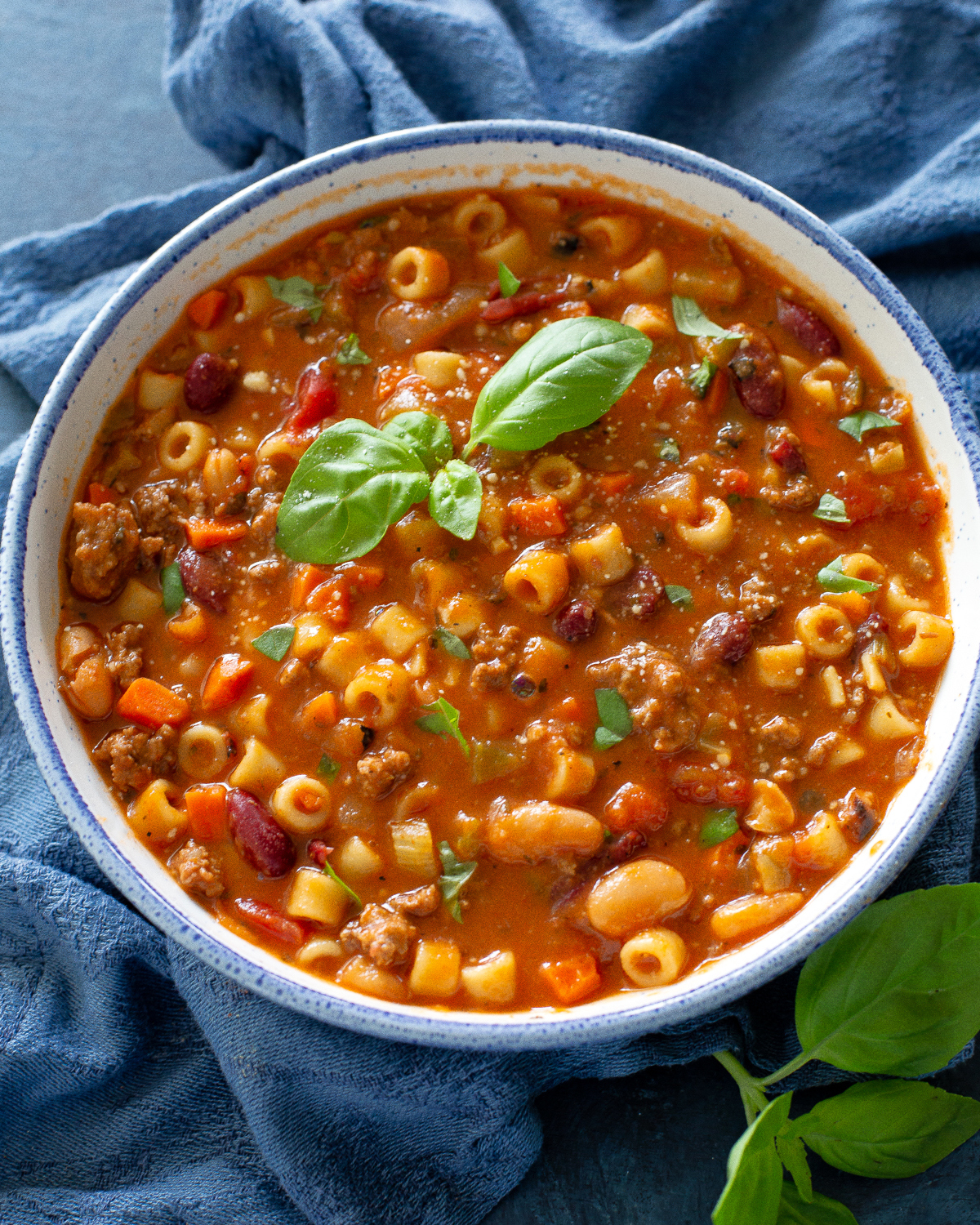
In the contemporary kitchen, the efficiency of Pasta e Fagioli has been a major factor in its popularity. A typical preparation, as practiced by home chefs and refined for efficiency, requires approximately 45 minutes from preparation to service. The workflow is streamlined to minimize labor:
- The Foundation: Sautéing aromatic vegetables—typically onions, carrots, and celery—forms the base flavor profile.
- Protein Incorporation: Browning the ground beef allows for the development of the Maillard reaction, which deepens the flavor of the broth.
- The Simmer: The integration of tomato sauce, beef stock, and seasonings creates the medium in which the beans and aromatics meld.
- Pasta Integration: The ditalini is added in the final stages of the process to ensure the pasta retains a firm, al dente texture rather than breaking down into a mushy consistency.
This sequence is crucial for quality control. Professional chefs often advise cooking the pasta separately if the intention is to store the dish for long periods. This technique prevents the starch from the pasta from absorbing the liquid, which would otherwise result in an unappealing, thickened paste rather than a soup.
Best Practices for Preservation and Storage
The culinary science of storing soup involves careful temperature control and ingredient management. Pasta e Fagioli is unique in its tendency to continue thickening even after it has been removed from the heat source, as the starches in the pasta continue to hydrate.
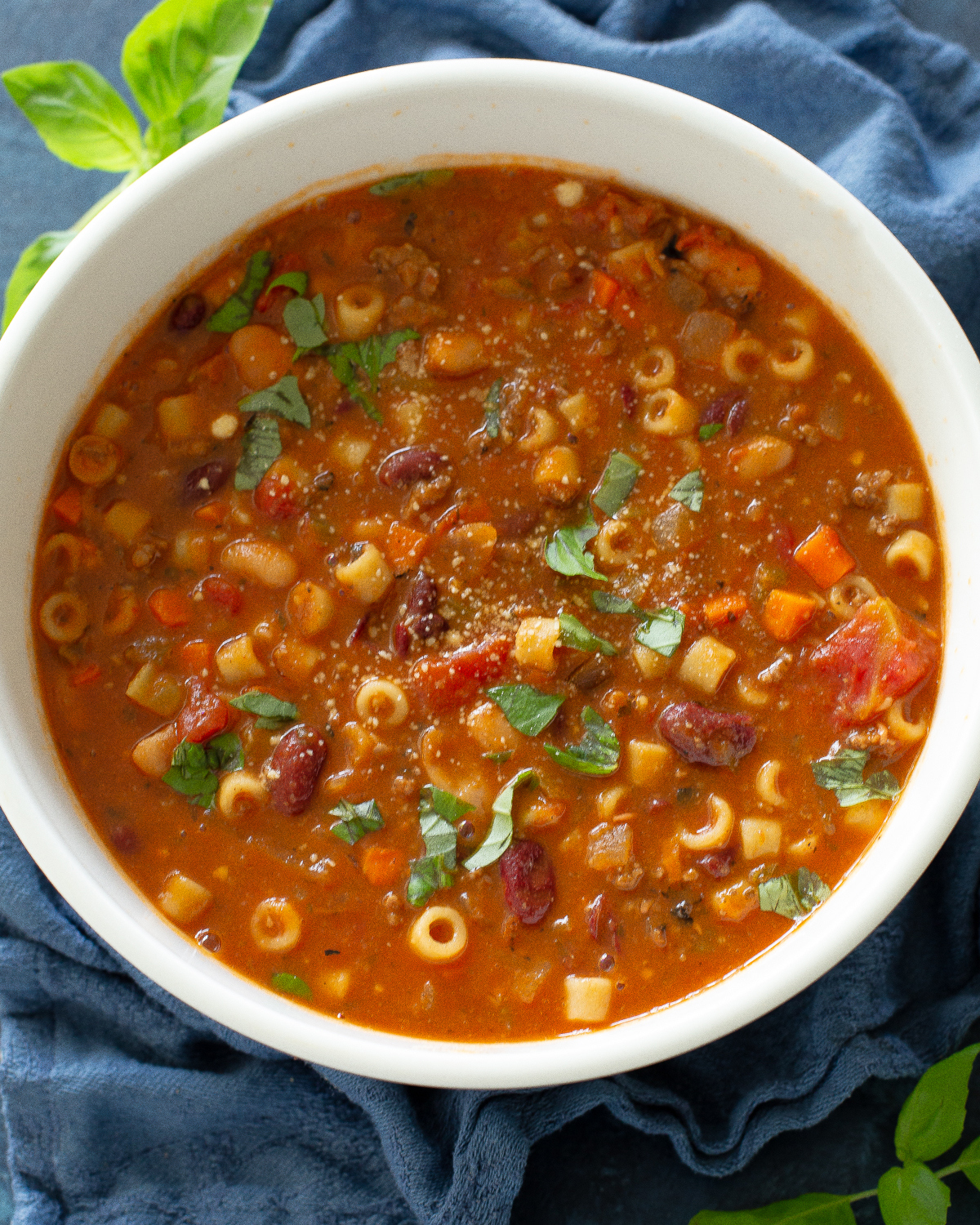
For optimal storage, culinary experts recommend the following guidelines:
- Short-term storage: The soup can be refrigerated for up to four days. To maintain the integrity of the texture, it is advisable to keep the pasta and the soup base in separate containers if the soup is to be stored for more than 24 hours.
- Freezing: When freezing the dish, it is highly recommended to omit the pasta entirely. The freezing and thawing process alters the cellular structure of cooked pasta, leading to an undesirable texture. By adding fresh pasta upon reheating the frozen base, the consumer ensures the quality remains consistent with a freshly prepared meal.
- Reheating: When reheating, the addition of a small amount of broth is necessary to restore the intended consistency, as the legumes and pasta will have absorbed a portion of the liquid during the cooling process.
Economic and Social Impact
The sustained popularity of Pasta e Fagioli is a testament to the enduring appeal of "one-pot" meals. In a modern economic climate where consumers are increasingly conscious of food waste and grocery inflation, the dish serves as a model for efficient cooking. Its reliance on staple pantry items—canned tomatoes, dried or canned beans, and dry pasta—makes it a budget-friendly option that does not sacrifice flavor or nutritional density.
Socially, the dish occupies a space as a "comfort food" that promotes communal dining. Because it is easily scaled for large groups, it has become a staple at social gatherings, potlucks, and family dinners. The versatility of the recipe allows for significant customization, which has led to a proliferation of regional variations, ranging from the inclusion of kale or spinach for added nutrient density to the use of spicy sausage in place of traditional ground beef.
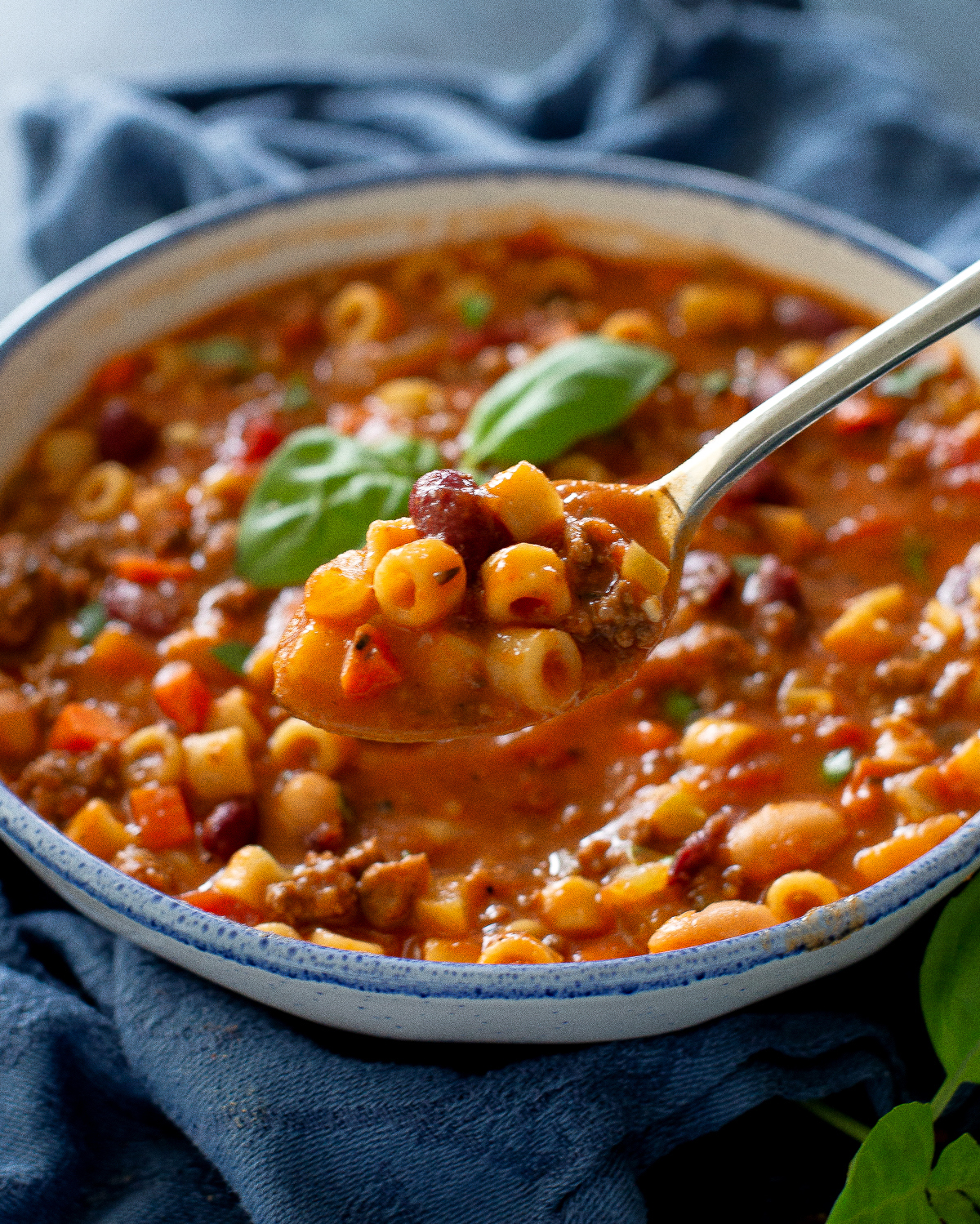
Analytical Perspective on the "Stewardship" of the Recipe
From a journalistic standpoint, the transformation of Pasta e Fagioli from a regional Italian specialty to a globalized household name raises questions about culinary preservation. While traditionalists might argue that the addition of beef or other modern additives dilutes the "authenticity" of the original dish, culinary historians often point out that the very nature of Italian cuisine is based on adaptation. The dish was never static; it was always a reflection of what was available in the larder at the time.
The current iterations of the soup, characterized by a heavy, stew-like profile, represent a departure from the lighter, more broth-based versions of the past. This evolution serves as a barometer for current consumer tastes, which currently lean toward hearty, filling meals that offer high protein content and robust flavors. As long as the core identity—the combination of pasta and beans—remains, the dish continues to satisfy the primary objective of the original peasant creators: to provide an affordable, filling, and nourishing meal.
Conclusion
Pasta e Fagioli remains a significant fixture in the culinary landscape, bridging the gap between historical necessity and modern convenience. Through its simple ingredient list and straightforward preparation, it provides a reliable and nutritious meal that is adaptable to a variety of dietary preferences and economic constraints. Whether served as a simple weeknight dinner alongside crusty bread or as a more complex, personalized recipe, the soup continues to offer a glimpse into the history of Mediterranean home cooking while satisfying the demands of the modern palate. As preparation techniques and storage methods continue to evolve, the dish serves as a enduring example of how traditional foodways can successfully transition into the contemporary era without losing their essential character or their place on the dinner table.