
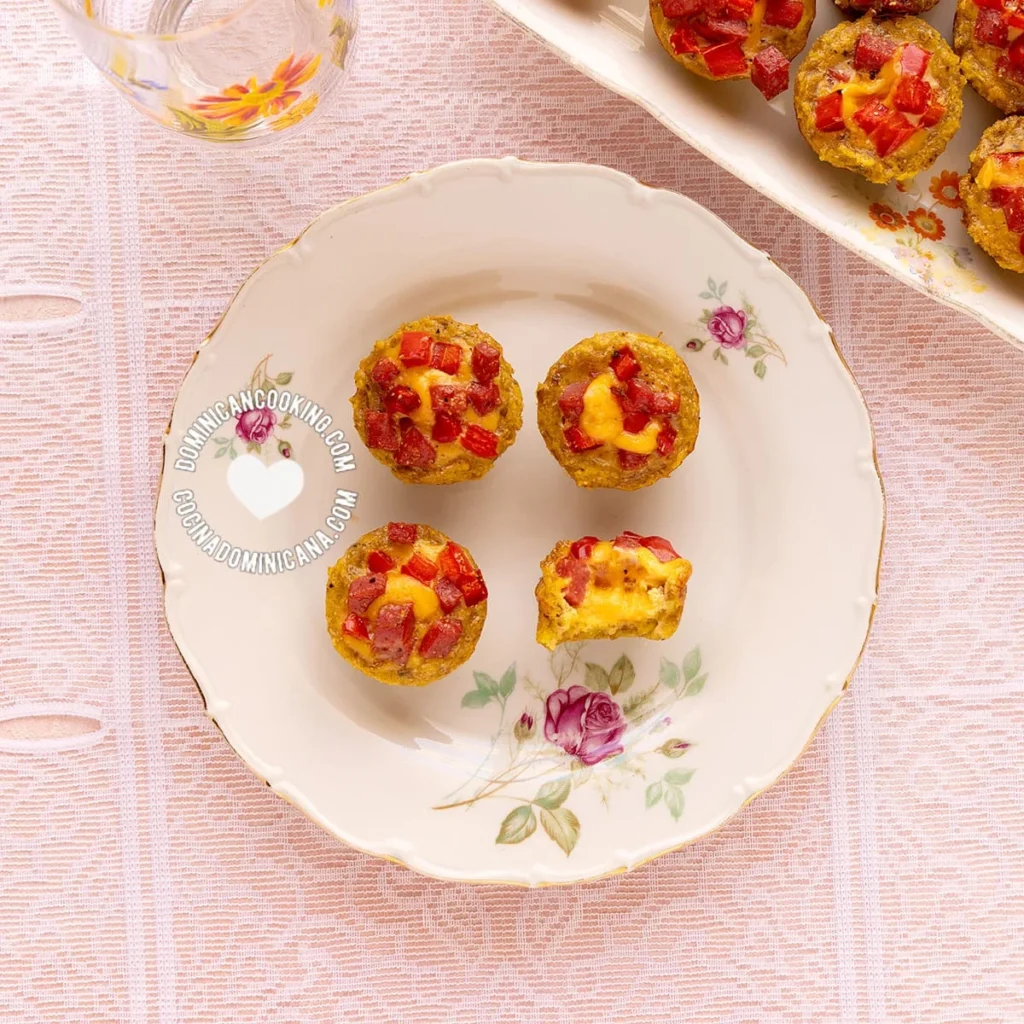
The culinary landscape of contemporary global cuisine continues to evolve, with traditional Caribbean staples increasingly finding a permanent place on upscale brunch menus and international buffet spreads. Among the latest culinary innovations capturing the attention of both home cooks and professional caterers is the plantain breakfast bite—a sophisticated, bite-sized adaptation of mangú, the quintessential Dominican breakfast dish. Blending authentic criollo flavors with modern presentation techniques, this recipe bridges the gap between heritage cooking and contemporary party catering.
Culinary Roots and Cultural Significance
To understand the appeal of plantain-based appetizers, one must examine the profound cultural relationship between Caribbean populations and the plantain (Musa paradisiaca). Long before making appearances at trendy weekend brunches, plantains served as a fundamental caloric and nutritional anchor across the Caribbean, Central America, and parts of West Africa. In the Dominican Republic, the green plantain holds a revered status. Traditionally transformed into mangú—mashed boiled green plantains typically served with Los Tres Golpes (fried salami, fried cheese, and eggs) and pickled red onions—it represents comfort, identity, and communal gathering.
Weekly Dinner Ideas (#5)

In recent years, the global rise of Caribbean gastronomy has pushed chefs to deconstruct and re-imagine these traditional breakfast plates for modern dining formats. The introduction of plantain cups, tarts, and bite-sized appetizers reflects a broader industry trend: the elevation of rustic, indigenous ingredients into refined finger foods suitable for upscale cocktail parties, potlucks, and morning buffets.
Nutritional Profile and Dietary Adaptability
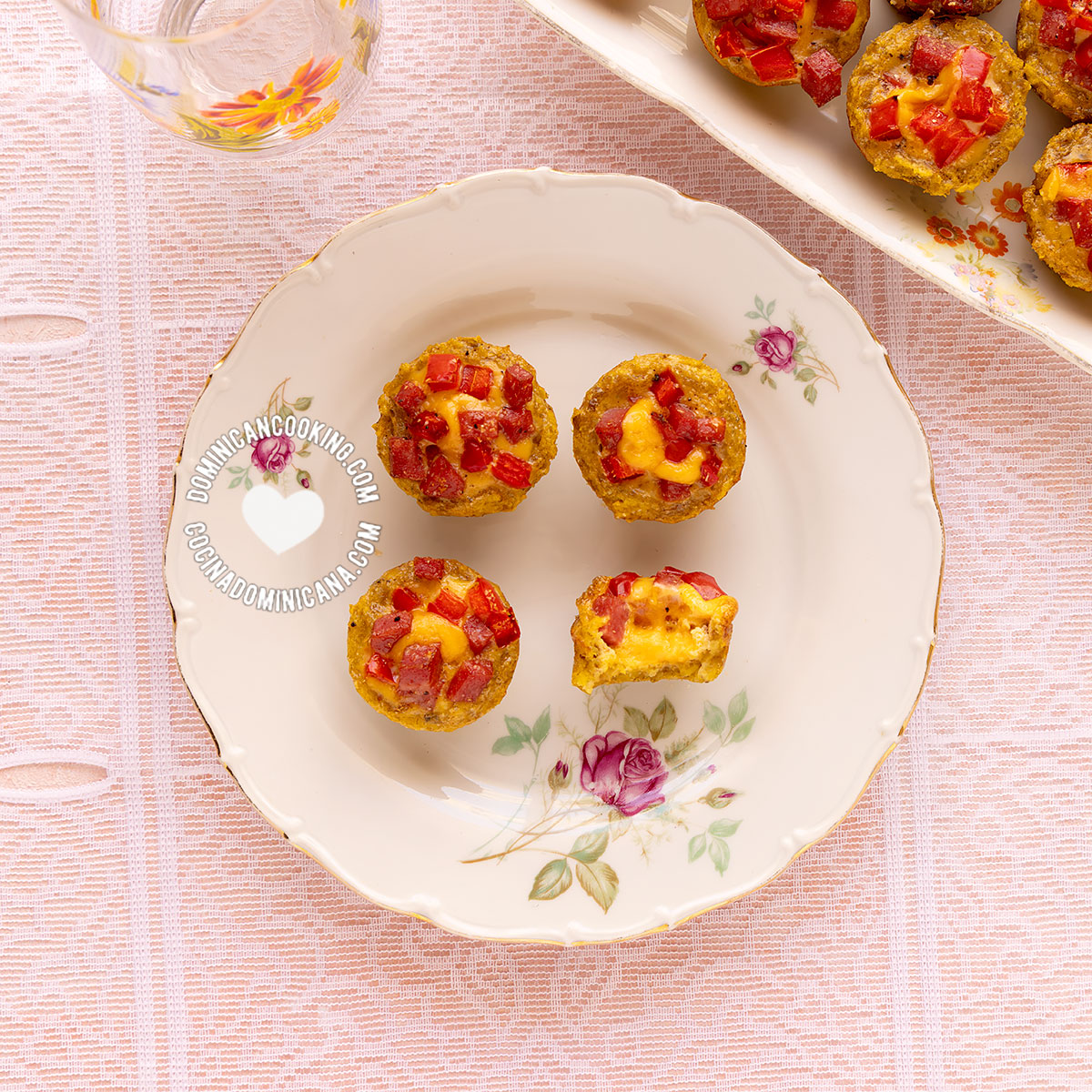
As consumers increasingly seek out nutrient-dense, allergen-conscious alternatives to traditional wheat-based party snacks, plantains offer a compelling nutritional profile. According to standard culinary and nutritional calculations, a typical serving of these plantain-based bites contains approximately 257 kilocalories, 21 grams of carbohydrates, 6 grams of protein, and 17 grams of fat (including 4 grams of saturated fat).
Furthermore, green plantains are naturally gluten-free and serve as an excellent source of dietary fiber, potassium, Vitamin A, and Vitamin C. This inherent nutritional versatility makes plantain-based appetizers particularly attractive for modern catering operations aiming to accommodate diverse dietary restrictions—such as gluten sensitivities—without sacrificing texture, flavor, or cultural authenticity.
Step-by-Step Preparation and Culinary Technique
The preparation of plantain bites relies on standard culinary techniques rooted in traditional Caribbean cooking, adapted for efficiency in high-volume settings like parties and buffet lines. The entire process, from raw ingredients to final presentation, typically requires approximately 35 minutes, divided into 5 minutes of active preparation time and 30 minutes of cooking time.
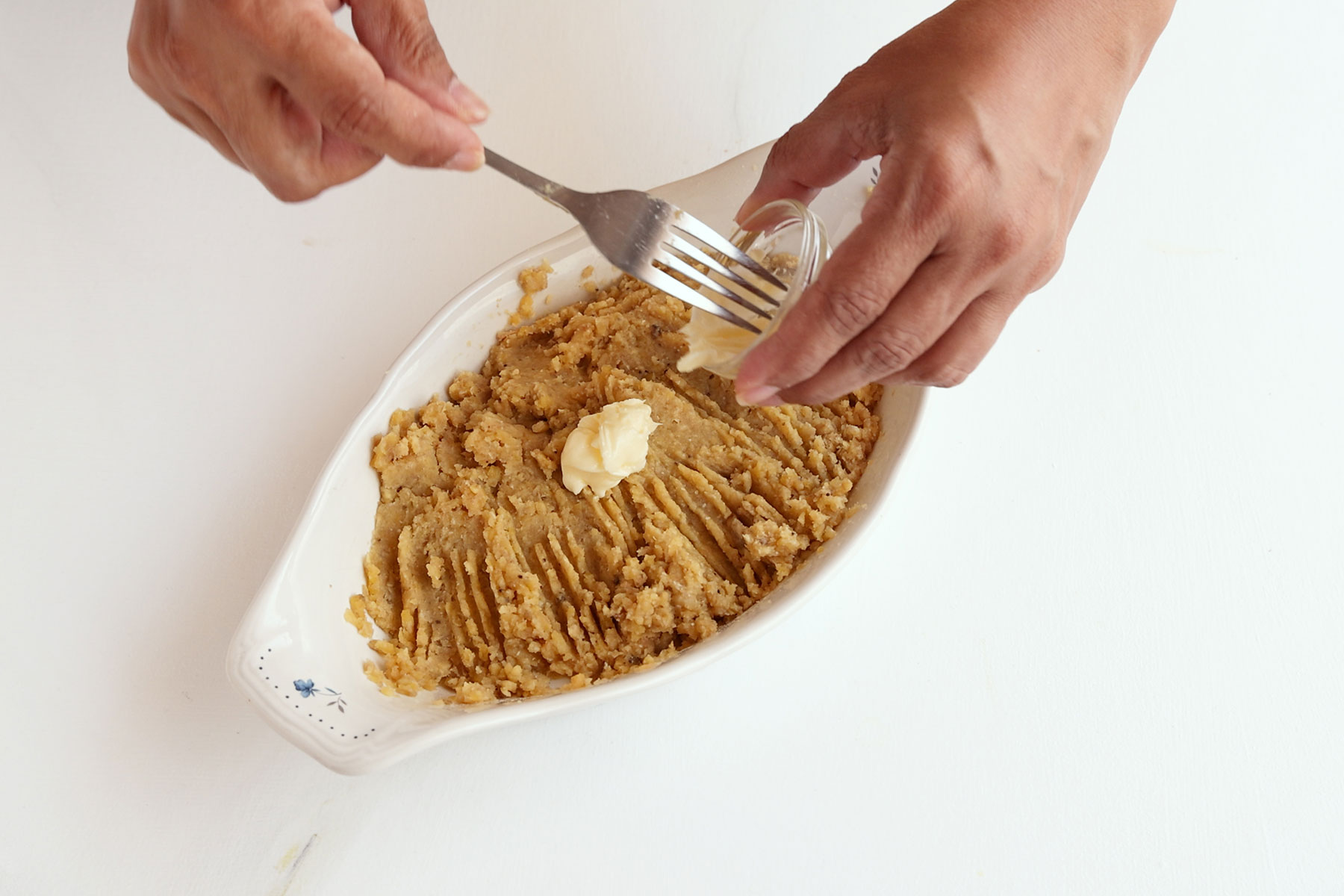
The chronological workflow of the recipe is structured as follows:
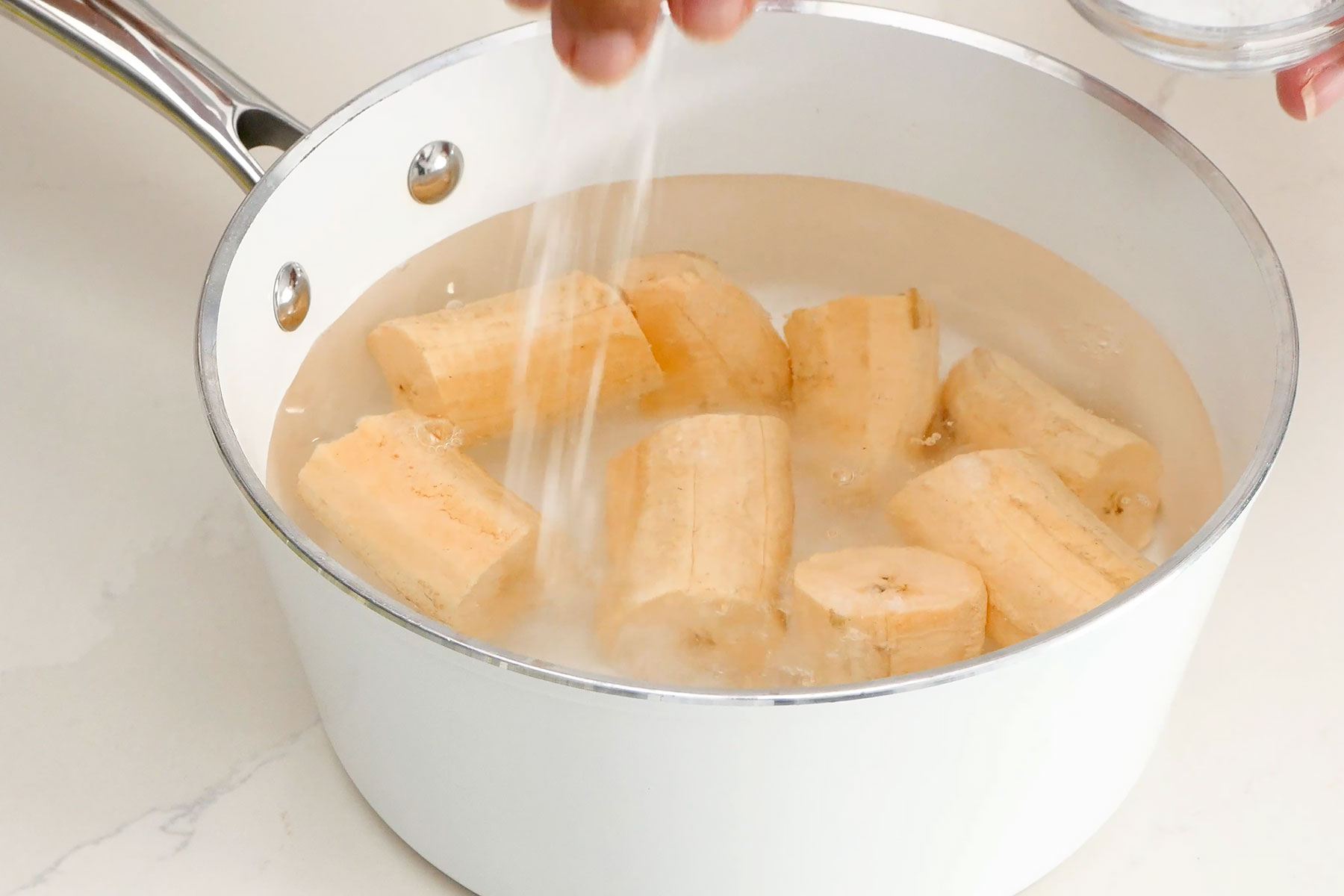
- Boiling and Tenderization: Green plantains are peeled and sliced, then boiled in salted water until thoroughly tender, mirroring the initial step of traditional mangú preparation.
- Mashing and Emulsifying: The boiled plantains are mashed smooth, often incorporating butter or oil and warm cooking water to achieve a velvety, pliable texture.
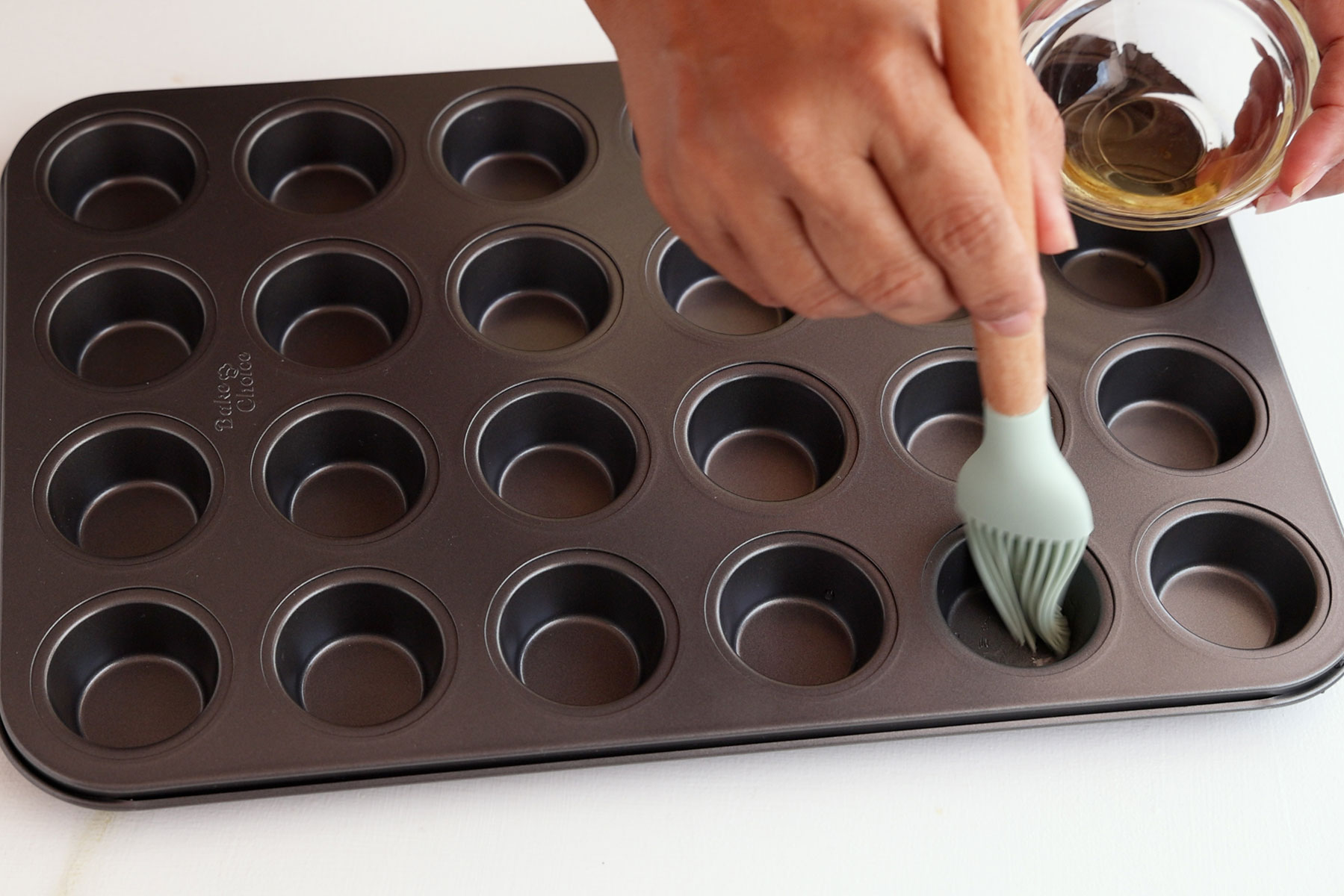
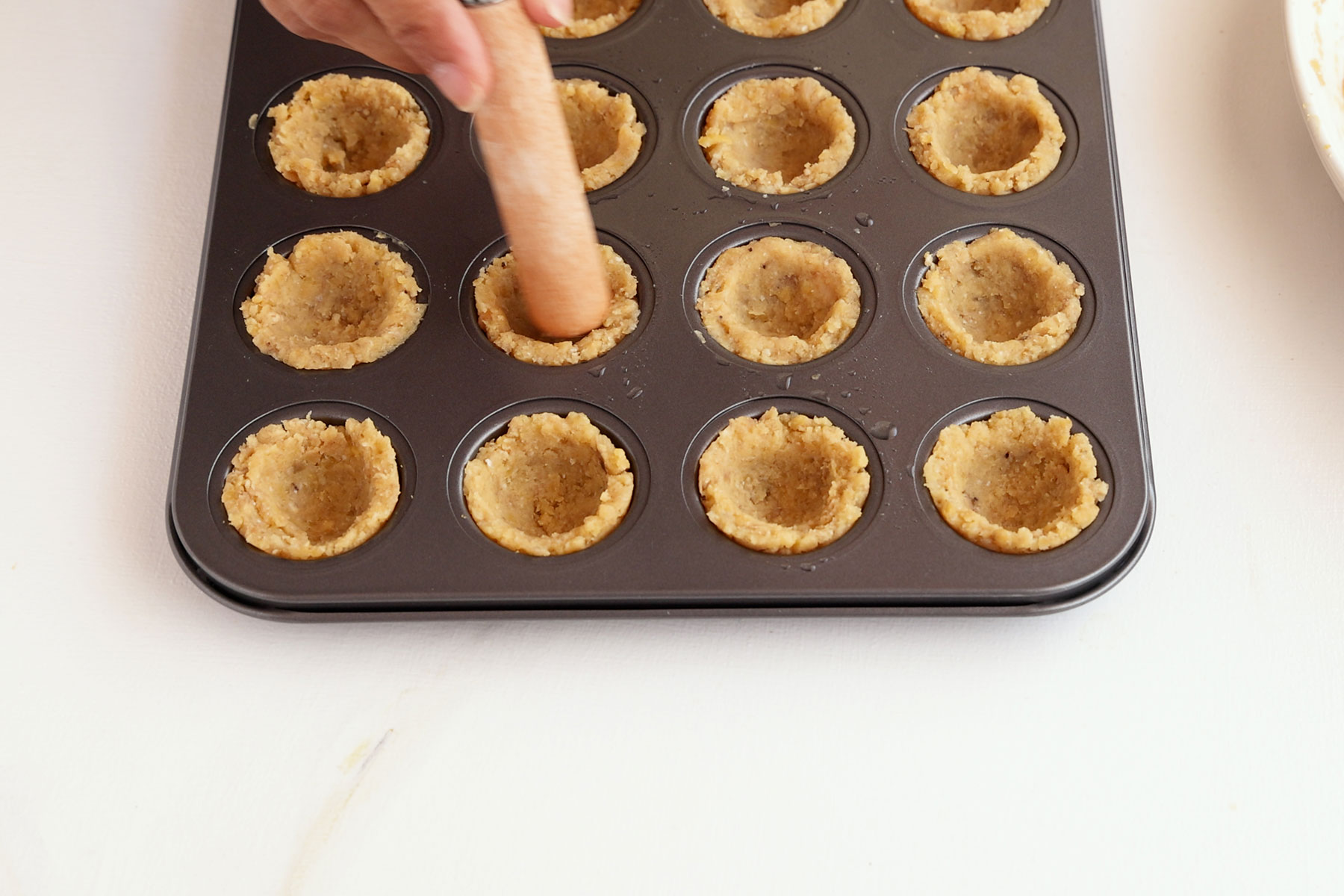
- Forming the Cups: The warm, malleable plantain mixture is shaped into small individual cups, designed to hold savory fillings securely.
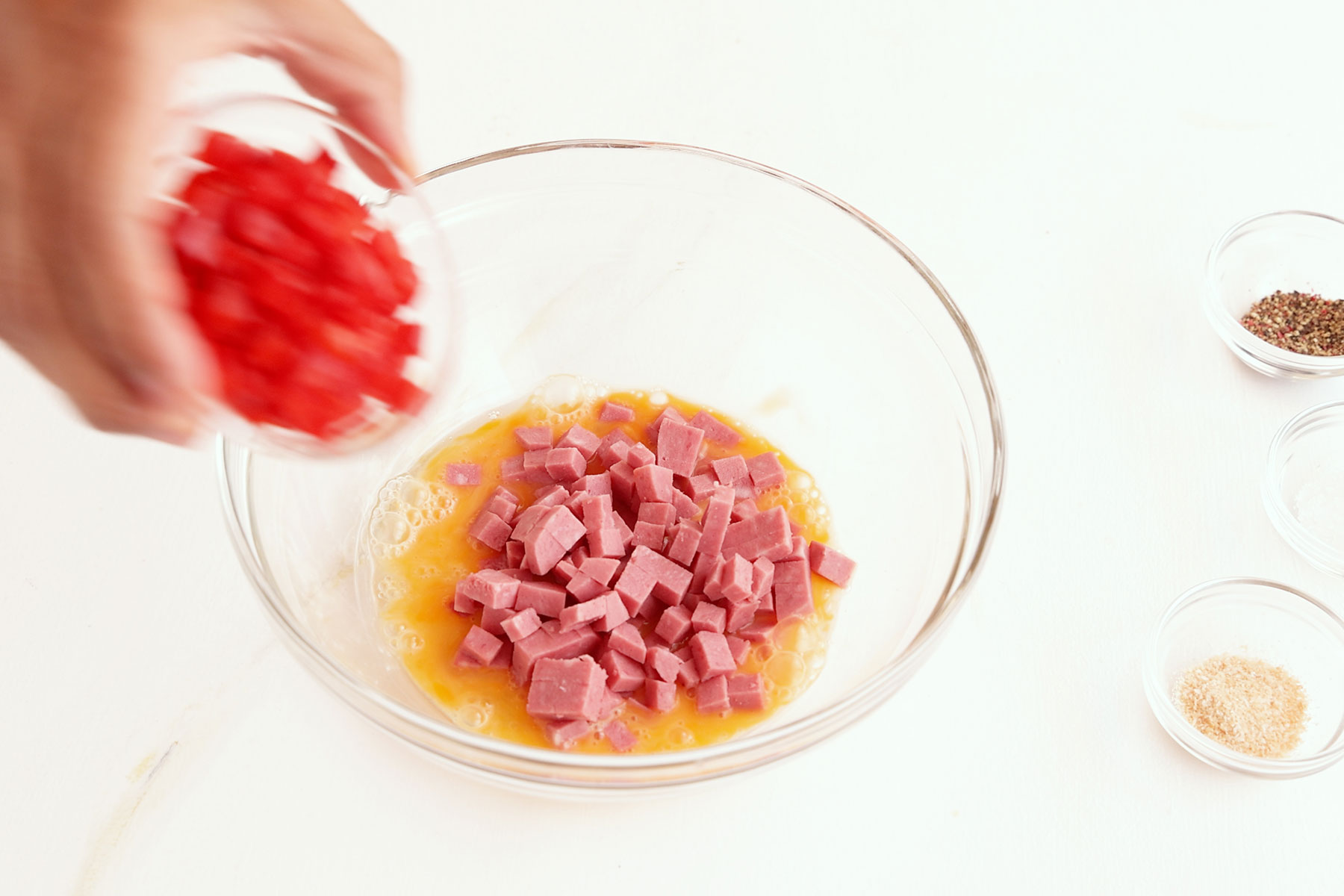
- Filling and Baking: A seasoned egg mixture, often combined with complementary proteins or cheeses, is poured into the plantain cups. The assembly is then baked at a preheated temperature until the filling is set and the edges of the plantain achieve a slight crispness.
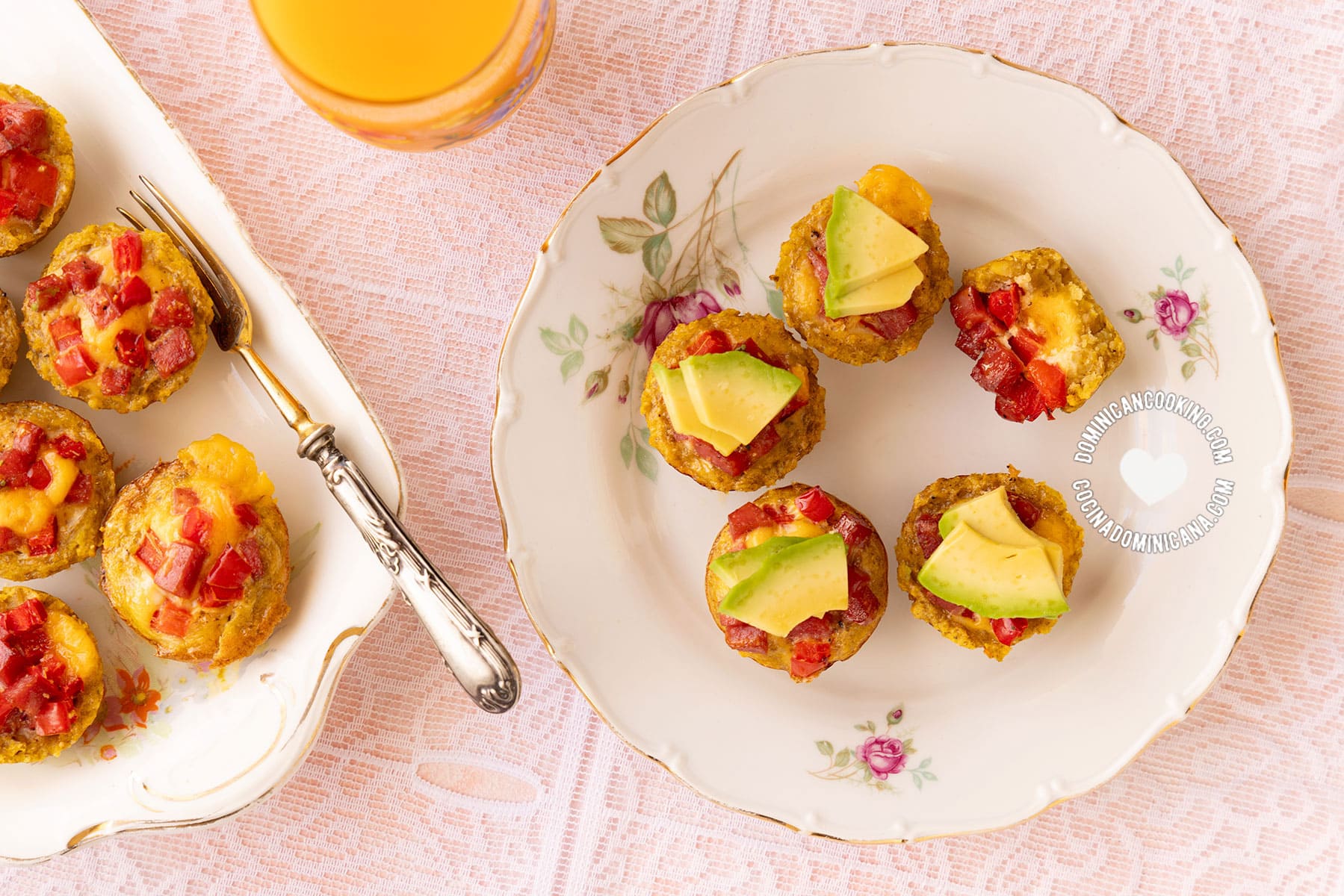
- Garnishing and Service: The bites are served warm, frequently accompanied by traditional garnishes such as fresh avocado or pickled onions to balance the richness of the dish.
Market Trends and the Evolution of Modern Brunch Culture
The popularization of dishes like plantain bites aligns directly with shifting consumer habits regarding weekend dining and social gatherings. Over the past decade, brunch has transitioned from a casual weekend meal into a significant economic and social driver within the hospitality sector. Concurrently, informal gatherings—such as potlucks and buffet-style parties—have driven demand for finger foods that offer elevated flavor profiles while remaining accessible to home cooks.
Culinary historians note that the fusion of traditional ethnic recipes with Western entertaining formats allows immigrant communities to share their culinary heritage on their own terms. By transforming a heavy, sit-down breakfast dish like mangú into a portable, refined finger food, home cooks and event hosts can introduce guests to authentic Caribbean flavors in a familiar, approachable context.
Broader Implications for Caribbean Gastronomy
The international embrace of plantain-centric recipes points to a promising future for Caribbean food exports and tourism. As global palates become more adventurous, dishes traditionally confined to domestic kitchens are gaining visibility across digital platforms, cookbooks, and international restaurants. This increased exposure not only validates the richness of Caribbean culinary traditions but also supports agricultural supply chains dedicated to plantain cultivation in tropical regions.
Ultimately, whether served at a formal holiday party, a casual neighborhood potluck, or a Sunday family brunch, plantain breakfast bites demonstrate how culinary traditions can adapt across borders and generations. By honoring the integrity of the original ingredient while embracing modern presentation, these savory bites ensure that the legacy of the Caribbean table continues to thrive in kitchens around the world.





0 Komentar
Sampaikan opini dan diskusi yang membangun dengan bahasa yang santun.
No Comments Yet
Be the first to share your thoughts on this story.