
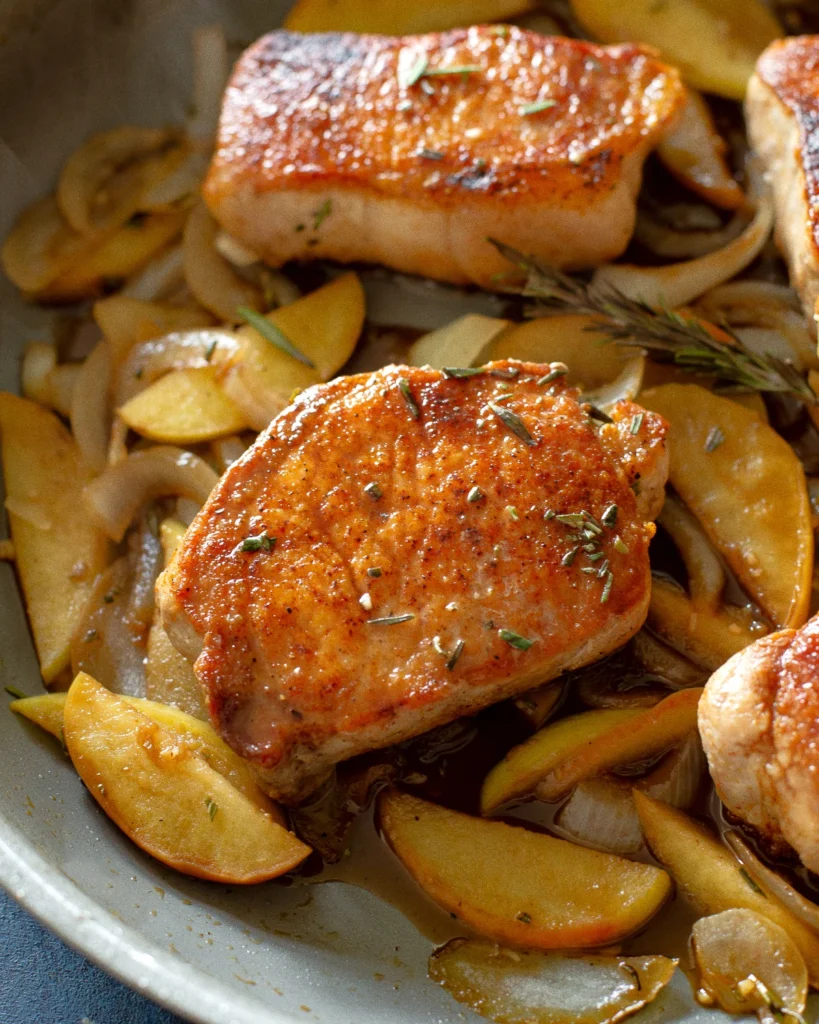
The Historical and Culinary Significance of the Pairing
The combination of pork and apples is a time-honored tradition in Northern European and North American regional cuisines. Historically, the pairing emerged from the geographic overlap of apple orchards and swine husbandry. Culinary historians note that the acidity and natural sugars of the apple serve a vital functional purpose when paired with the relatively high fat content of pork. The malic acid found in apples acts as a natural tenderizer and palate cleanser, cutting through the richness of the meat.
In modern gastronomy, this pairing has evolved from simple rustic preparation into a refined dinner option that highlights the versatility of the pork chop. By integrating aromatics such as fresh rosemary and the depth of balsamic vinegar, contemporary versions of this dish elevate a standard weeknight meal into a sophisticated dining experience.
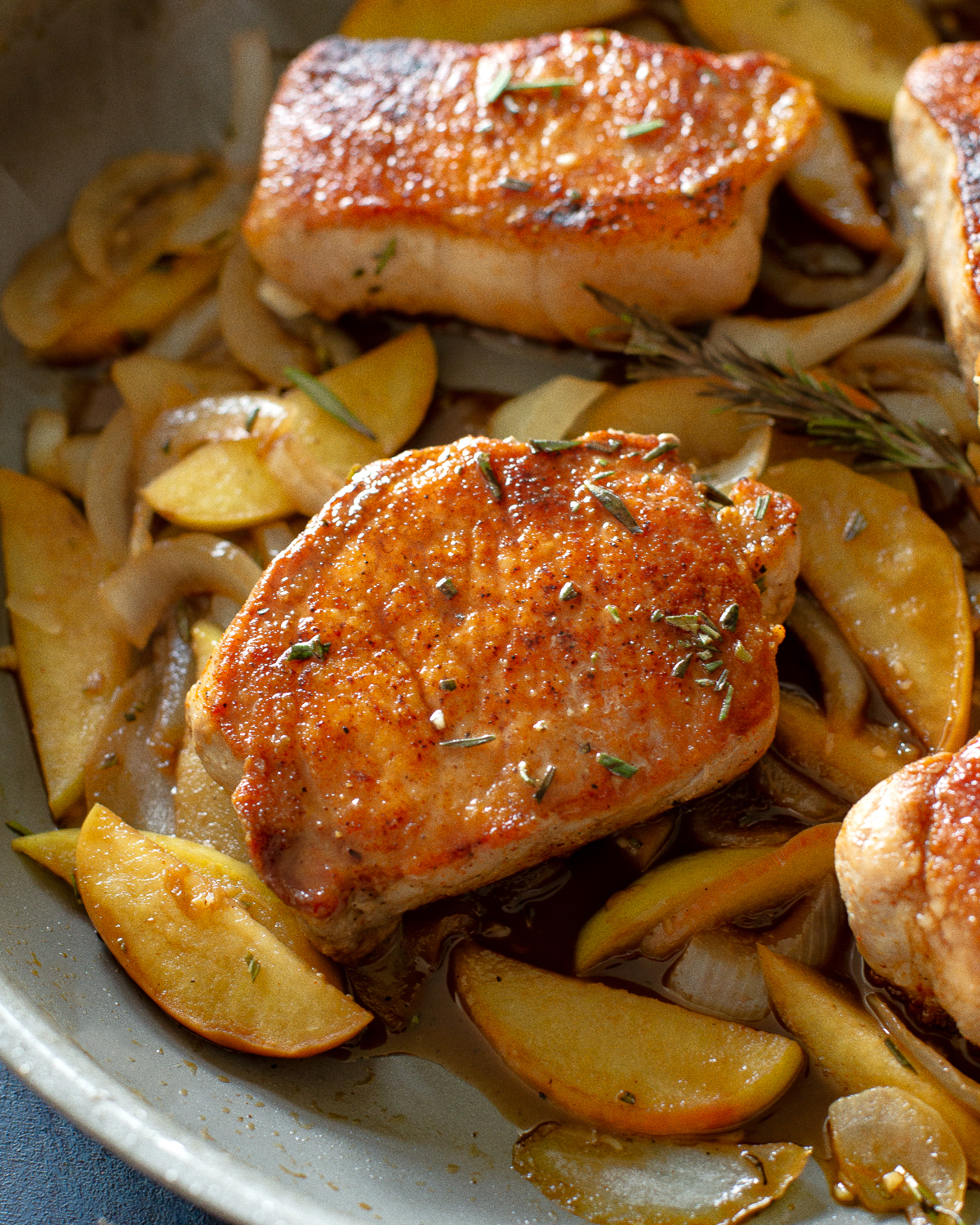
Selection Criteria for Prime Ingredients
Achieving a professional result requires strict adherence to ingredient selection. Culinary experts emphasize the necessity of choosing bone-in rib or center-cut chops. The bone serves two functions: it conducts heat more evenly through the center of the meat, preventing the exterior from scorching before the interior is cooked, and it provides structural support that helps maintain the shape of the chop during the high-heat searing process.
How Meal-Prep Trend and Freezer Stash Solutions Are Transforming Weeknight Dinners in Autumn
Regarding the thickness of the meat, the industry standard for optimal results is between 1 inch and 1.5 inches. Cuts thinner than this range are susceptible to rapid moisture loss, a common failure point that results in dry, overcooked proteins. The presence of marbling—intramuscular fat—is the primary indicator of quality. Fat, when rendered, contributes to the overall succulence and flavor intensity of the final product.
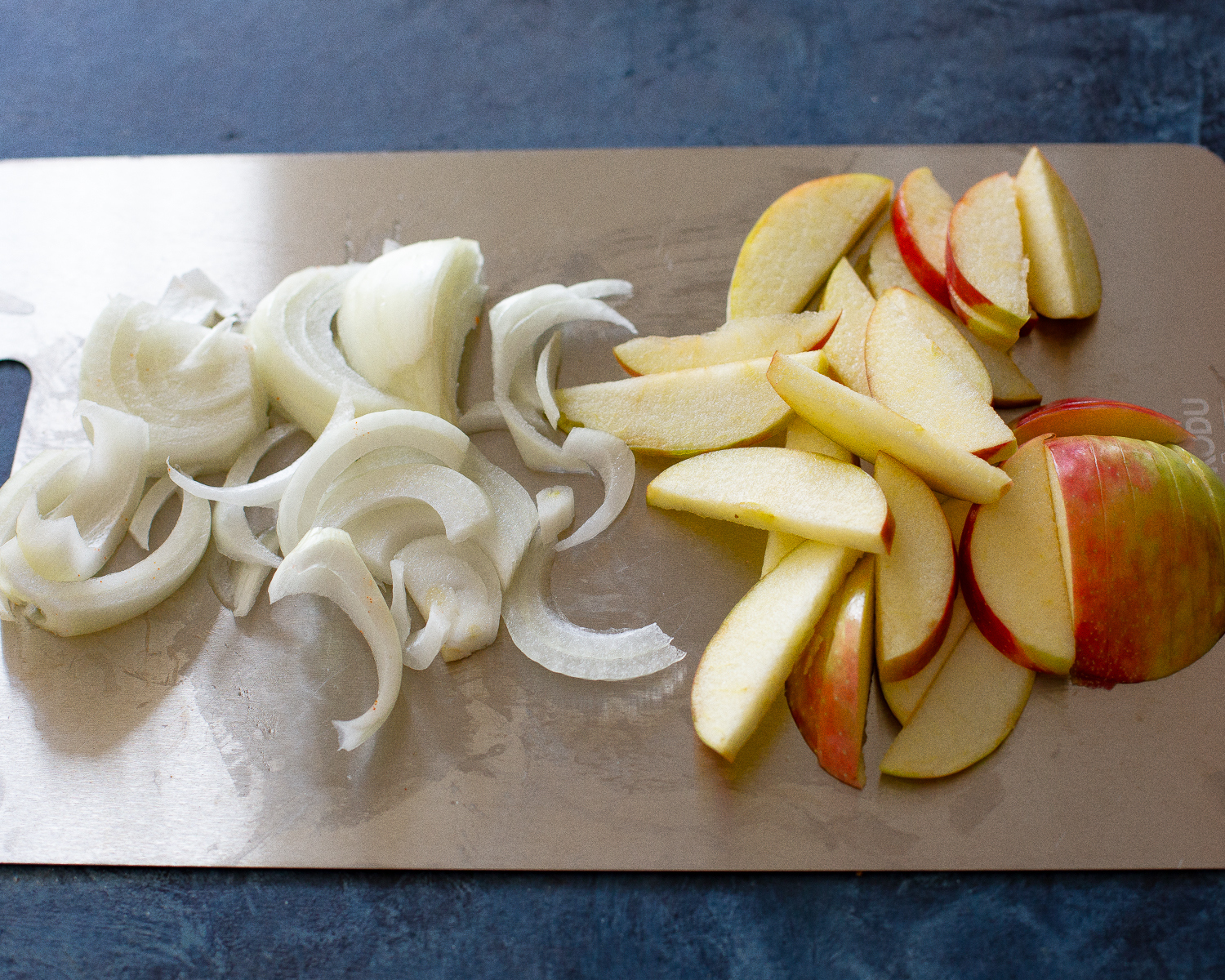
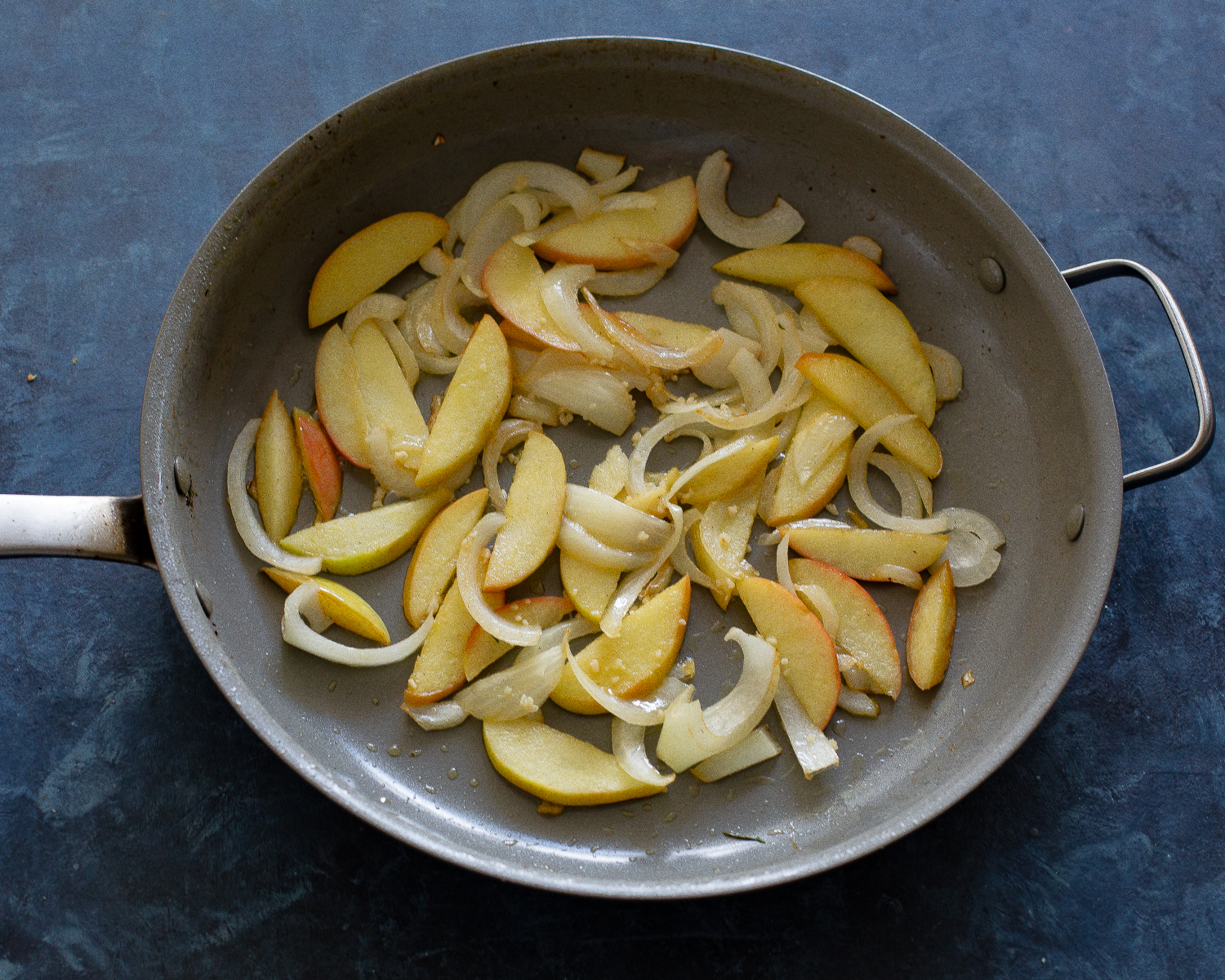
For the apple component, the choice of cultivar is critical. Varieties such as Honeycrisp or Pink Lady are preferred due to their cell structure, which is dense enough to withstand the heat of a skillet without collapsing into a purée. The goal is to achieve a texture that remains firm and slightly caramelized, contrasting with the soft, tenderized onions.
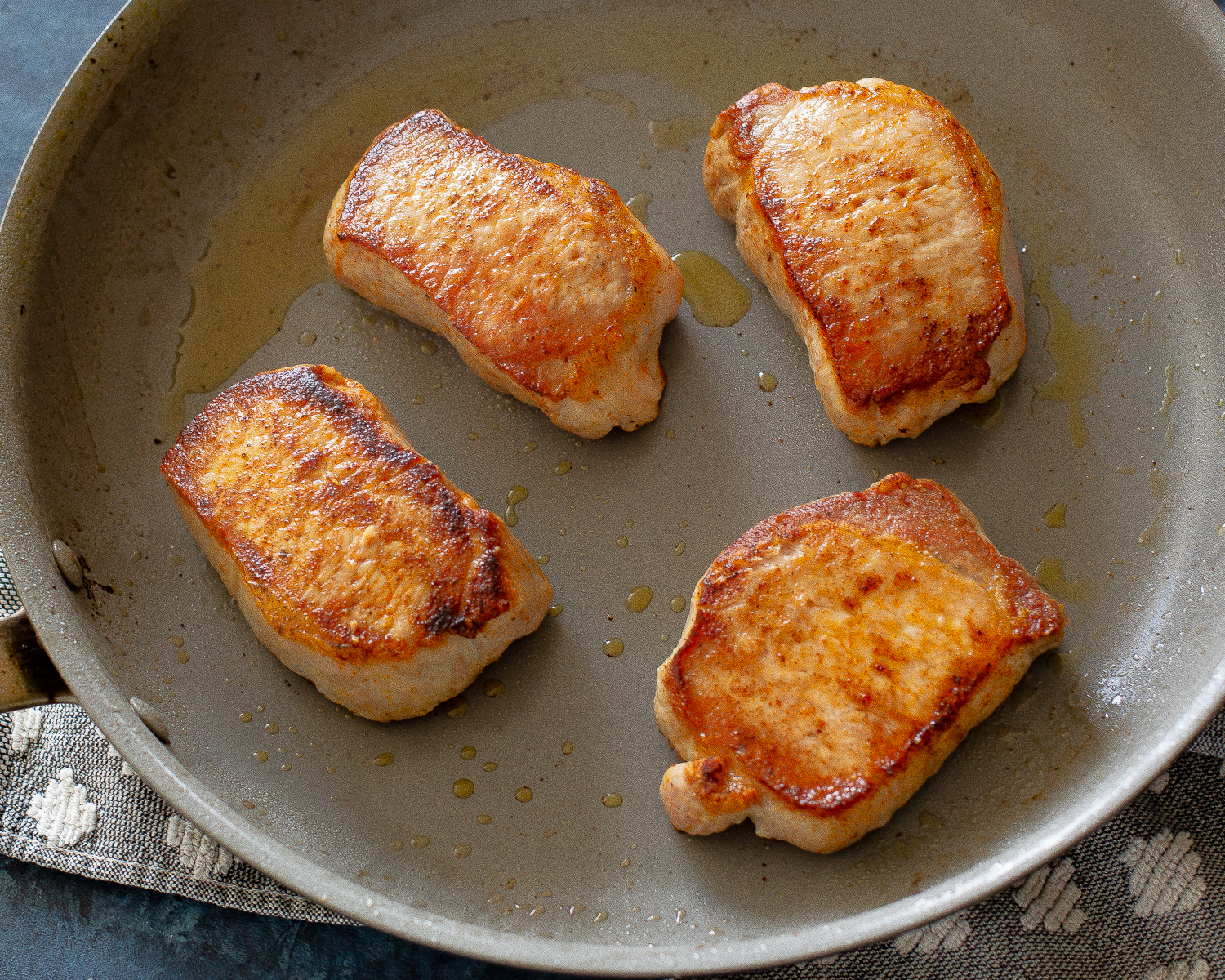
Technical Chronology: The Cooking Process
The preparation of Pork Chops with Apples and Onions typically follows a precise sequence to ensure optimal texture and flavor development. The process is categorized into three distinct phases:
- The Sear (0–10 minutes): The process begins with the pork chops at room temperature. A heavy-bottomed skillet—preferably stainless steel or cast iron—is heated to a high temperature. The objective is to achieve a Maillard reaction, the chemical process that creates a deep, brown crust on the surface of the meat. This crust is not merely aesthetic; it contains the concentrated flavor compounds that form the base of the pan sauce.
- The Reduction (10–25 minutes): Once the chops are removed to rest, the aromatics are introduced. Onions are sautéed in the rendered fat until translucent, followed by the addition of the sliced apples. The introduction of apple cider and a splash of balsamic vinegar serves as the deglazing agent. This step is crucial, as it lifts the browned bits (fond) from the bottom of the pan, incorporating them into the sauce.
- The Integration (25–30 minutes): The pork is returned to the skillet to finish cooking in the simmering liquid. This allows the meat to absorb the aromatics of the rosemary and the sweetness of the cider, ensuring a cohesive flavor profile across all components of the dish.
Nutritional Analysis and Health Implications
From a nutritional standpoint, pork provides a significant source of high-quality protein, B-vitamins, and essential minerals such as zinc and selenium. When paired with apples—which contribute dietary fiber, specifically pectin, and antioxidants like quercetin—the dish provides a balanced macro-nutrient profile.
The use of apple cider as a cooking medium rather than heavy creams or butter-heavy gravies keeps the dish relatively light. Balsamic vinegar adds a layer of depth without contributing significant caloric density, making this preparation suitable for those monitoring their caloric intake while seeking high-satiety meals.
Industry Perspectives on Home Cooking Trends
Culinary analysts have noted a marked shift toward "one-pan" cooking methodologies. According to recent market research, households are increasingly prioritizing meals that minimize cleanup time while maximizing nutritional value. The "Pork Chops with Apples" recipe fits squarely into this category, reflecting a broader movement toward "accessible gourmet" cooking.
"The modern home cook is looking for ways to maximize the output of a single cooking vessel," says a spokesperson for a national food research board. "By utilizing the fond left behind by the searing process, cooks are essentially performing professional-level techniques without the need for complex sauces or long prep times. It represents a democratization of techniques that were once reserved for restaurant kitchens."
Broader Economic and Seasonal Impact
The accessibility of this dish is bolstered by the seasonal availability of its primary ingredients. During the autumn harvest, pork production remains steady, while apple prices often reach their annual lows due to peak supply. This economic alignment makes the dish a cost-effective option for families.
Furthermore, the integration of fresh herbs like rosemary, which can be grown in home gardens or purchased in bulk during the fall, encourages the use of fresh rather than dried ingredients. The longevity of the finished dish also holds appeal; when properly stored in airtight containers, the flavors of the cider-braised apples and onions often improve overnight, making it a viable candidate for meal preparation services and office lunches.
Conclusion and Future Outlook
As culinary preferences continue to favor natural, whole-food ingredients, the pairing of pork chops with apples remains a resilient fixture in the modern kitchen. Its success is rooted in the fundamental chemistry of the ingredients and the simplicity of its execution. Whether prepared as a quick weeknight dinner or a centerpiece for a small gathering, the dish remains a testament to the effectiveness of blending savory, sweet, and acidic elements.
For those looking to replicate this, the focus should remain on the quality of the raw materials—specifically the thickness of the pork and the crispness of the apple varieties. By respecting the chemical interactions during the searing and deglazing phases, the home chef can consistently produce a restaurant-quality meal. As we look toward future culinary trends, the emphasis on such classic, reliable, and nutritionally sound pairings is expected to grow, reinforcing their place in the standard repertoire of home cooking.







0 Komentar
Sampaikan opini dan diskusi yang membangun dengan bahasa yang santun.
Belum Ada Komentar
Jadilah yang pertama memberikan tanggapan mengenai berita ini.