Remoulade Sauce A La New Orleans: A Culinary Journey
Remoulade sauce a la New Orleans, a vibrant concoction that’s more than just a condiment, is a testament to the city’s rich culinary heritage. It’s a symphony of flavors, a blend of tangy, spicy, and creamy notes that dance on your palate, leaving a lingering memory of the Big Easy.
This sauce, born from a fusion of French and Creole influences, has become an integral part of New Orleans cuisine, gracing everything from seafood boils to po’boys. But remoulade isn’t just about taste; it’s a story of tradition, innovation, and the spirit of New Orleans.
From its humble beginnings to its modern-day variations, remoulade sauce has evolved alongside the city itself, reflecting the diverse culinary landscape that defines New Orleans. The journey of this sauce is one of adaptation, creativity, and a love for bold flavors.
Let’s delve into the fascinating world of remoulade, exploring its history, ingredients, preparation, and cultural significance.
Ingredients and Flavor Profile
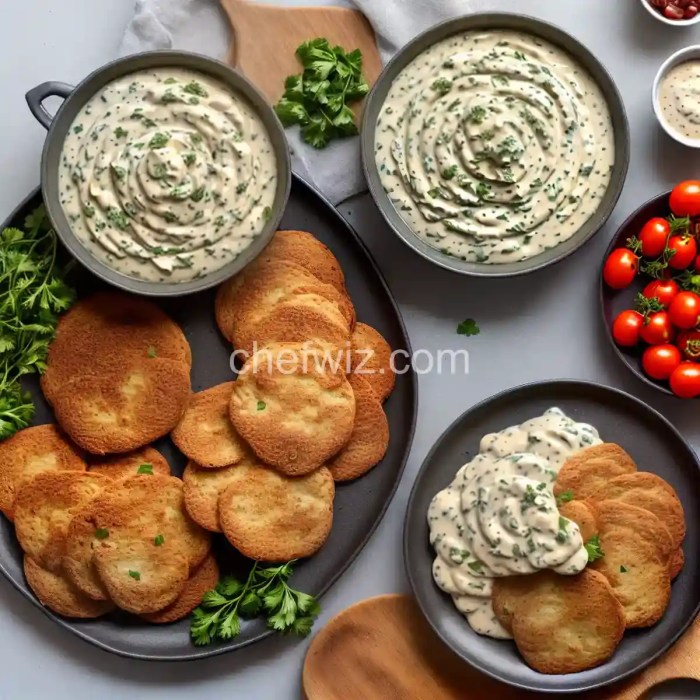
New Orleans remoulade sauce is a vibrant and complex condiment that embodies the city’s rich culinary heritage. Its flavor profile is a harmonious blend of tanginess, spice, and creaminess, achieved through a carefully selected combination of ingredients.
Remoulade sauce, a staple in New Orleans cuisine, is a creamy, tangy delight that pairs perfectly with seafood. While I’m not usually one for fried food, the air fryer tilapia with fresh lemon pepper recipe I found recently is a game-changer.
The crispy, flavorful fish is the ideal canvas for a generous dollop of remoulade, creating a flavor explosion that’s sure to satisfy even the most discerning palate.
Ingredients
The ingredients used in New Orleans remoulade sauce can vary depending on the chef or family recipe. However, there are some core elements that are commonly found:
- Mayonnaise:The base of the sauce, mayonnaise provides a creamy texture and richness.
- Pickles:Finely chopped pickles add a sharp tanginess and a refreshing acidity.
- Capers:These briny buds contribute a salty, slightly bitter flavor that complements the other ingredients.
- Onions:Finely chopped onions add a pungent flavor and a subtle sweetness.
- Garlic:Garlic adds a pungent, savory note that enhances the overall flavor profile.
- Hot Sauce:A dash of hot sauce provides a kick of heat and adds a layer of complexity.
- Seasoning:Herbs and spices, such as paprika, cayenne pepper, black pepper, and oregano, add depth and complexity to the flavor.
- Other Ingredients:Some recipes may include additional ingredients, such as chopped celery, parsley, or even a touch of Worcestershire sauce, to enhance the flavor profile.
Flavor Profile
The flavor profile of New Orleans remoulade is a delightful balance of tanginess, spice, and creaminess.
Remoulade sauce, a staple of New Orleans cuisine, is a creamy, tangy concoction that perfectly complements seafood and fried foods. While the classic recipe relies on mayonnaise, Dijon mustard, and chopped pickles, I find myself drawn to the sweet and savory notes of a homemade tomato and bacon jam.
The smoky depth of the bacon jam adds a whole new dimension to the remoulade, transforming it from a simple condiment into a culinary masterpiece.
- Tanginess:The pickles, capers, and sometimes lemon juice contribute a bright and refreshing tanginess that cuts through the richness of the mayonnaise.
- Spice:The hot sauce, paprika, and cayenne pepper provide a subtle to moderate heat that adds a layer of complexity and depth to the flavor.
- Creaminess:The mayonnaise provides a smooth and creamy texture that balances the tanginess and spice, creating a harmonious and satisfying flavor experience.
Serving and Pairing: Remoulade Sauce A La New Orleans
New Orleans remoulade sauce is a versatile condiment that can elevate the flavors of a wide range of dishes. Its rich, creamy texture and complex flavor profile make it a popular choice for both traditional and modern culinary creations.
Remoulade sauce a la New Orleans is a classic, tangy delight, but sometimes you crave something a little sweeter. That’s when I turn to a yummy honey mustard dipping sauce , which brings a whole new dimension of flavor to my meals.
But when I’m back in the mood for that bold, spicy kick, remoulade sauce is always there to satisfy my cravings.
Traditional Pairings
Remoulade sauce is traditionally served with seafood, especially fried seafood, in New Orleans. The tangy, spicy, and creamy sauce provides a perfect contrast to the crispy, flavorful seafood. Here are some traditional pairings:
- Fried Oysters:The creamy sauce balances the richness of the fried oysters, while the tangy flavors enhance their natural brininess.
- Fried Shrimp:The sauce adds a layer of complexity to the fried shrimp, complementing the crispy exterior and juicy interior.
- Po’boys:Remoulade sauce is a classic topping for po’boys, especially those filled with seafood. The sauce adds a tangy and creamy kick to the sandwich, enhancing the overall flavor profile.
Versatility and Culinary Applications
Beyond its traditional pairings, New Orleans remoulade sauce can be used in a variety of culinary applications. Its versatility stems from its unique flavor profile, which can complement both savory and sweet dishes.
- Sandwiches:The sauce can be used as a spread for sandwiches, adding a touch of tanginess and spice to the filling.
- Salads:Remoulade sauce can be used as a dressing for salads, adding a creamy and flavorful element. Its tanginess and spice can complement a variety of greens and vegetables.
- Dips and Spreads:The sauce can be used as a dip for vegetables, chips, and crackers, providing a creamy and flavorful alternative to traditional dips.
- Marinades and Glazes:The sauce can be used as a marinade for chicken, fish, or vegetables, adding a layer of complexity and flavor to the dish. It can also be used as a glaze for roasted meats or vegetables.
Cultural Significance
Remoulade sauce in New Orleans is more than just a condiment; it’s a symbol of the city’s vibrant culinary heritage and a testament to its rich cultural tapestry. Its presence is deeply intertwined with the city’s history, traditions, and celebrations.
Remoulade’s History in New Orleans
Remoulade sauce’s journey to New Orleans is a fascinating story that reflects the city’s multicultural roots. It’s believed to have originated in France, where it was known as “remoulade.” The sauce traveled to New Orleans with French settlers and quickly became a staple in the city’s cuisine.
The unique blend of ingredients reflects the influence of French, African, and Creole cultures that shaped New Orleans’s culinary landscape.
“Remoulade sauce is a testament to the diverse influences that have shaped New Orleans cuisine, a culinary melting pot where French, African, and Creole flavors have come together to create something truly unique.”
Chef Paul Prudhomme
Remoulade’s Role in Local Traditions and Celebrations
Remoulade sauce plays a pivotal role in many local traditions and celebrations in New Orleans. It’s an indispensable component of numerous iconic dishes, such as seafood platters, po’boys, and gumbo.
- During Mardi Gras, remoulade sauce is often served alongside traditional dishes like king cake and jambalaya, adding a tangy kick to the festive feast.
- At crawfish boils, remoulade is a must-have condiment, its creamy texture and zesty flavor complementing the spicy crawfish.
- The sauce is also a popular accompaniment to seafood dishes at local restaurants and food stalls, adding a touch of sophistication to casual meals.
Variations and Adaptations
New Orleans remoulade sauce, a cornerstone of Cajun and Creole cuisine, is a testament to culinary creativity and adaptability. Its basic formula, a blend of mayonnaise, mustard, and seasonings, serves as a canvas for an array of variations, each reflecting regional preferences and personal interpretations.
Variations in Ingredients and Flavor Profiles, Remoulade sauce a la new orleans
The beauty of remoulade lies in its adaptability. Chefs and home cooks alike have explored numerous variations, incorporating unique ingredients and flavor profiles. This flexibility allows for a wide range of tastes, catering to individual preferences and culinary traditions.
- Spice Level:Remoulade sauce can be tailored to different spice preferences. Some versions incorporate a generous amount of cayenne pepper or hot sauce for a fiery kick, while others maintain a milder heat level, focusing on the harmonious balance of flavors.
The inclusion of habanero peppers or scotch bonnet peppers adds a distinctive, smoky heat.
- Herbs and Spices:The addition of herbs and spices plays a crucial role in shaping the flavor profile of remoulade. Classic variations often include parsley, chives, garlic, and paprika, while more adventurous recipes incorporate dill, tarragon, or even a hint of celery seed.
Some variations incorporate a touch of Worcestershire sauce for an umami depth.
- Vinegar:The addition of vinegar, often white wine vinegar or apple cider vinegar, provides a tangy counterpoint to the richness of the mayonnaise and mustard. The type of vinegar used can influence the overall flavor profile, with white wine vinegar offering a sharper, more acidic note, while apple cider vinegar adds a mellow, fruity sweetness.
- Pickles and Relishes:Many remoulade variations incorporate chopped pickles, gherkins, or relishes, adding a briny, acidic punch to the sauce. These additions also contribute a welcome textural element, providing a delightful contrast to the smooth, creamy base.
- Seafood Additions:Some remoulade recipes incorporate seafood elements, such as chopped shrimp, crabmeat, or smoked fish, creating a seafood-forward sauce that complements seafood dishes beautifully. These additions add a briny, savory depth and a delightful textural element to the sauce.
Adaptation into Other Cuisines
Remoulade’s adaptability has extended beyond the boundaries of New Orleans cuisine. Its vibrant flavor profile and versatility have made it a popular ingredient in various culinary traditions around the world.
- Cajun and Creole Cuisine:Remoulade sauce is a staple in Cajun and Creole cuisine, where it is traditionally served with seafood dishes, such as fried fish, crab cakes, and shrimp po’boys. It also complements grilled meats and vegetables, adding a zesty, flavorful touch.
- Southern Cuisine:Remoulade sauce has found a home in Southern cuisine, where it is used as a dipping sauce for fried chicken, hushpuppies, and other Southern favorites. Its tangy, creamy flavor complements the rich, savory flavors of Southern cooking.
- International Cuisine:Remoulade’s versatility has led to its adaptation in international cuisine. It is used as a dipping sauce for various appetizers, such as spring rolls, samosas, and tempura. It also complements grilled meats and vegetables in various global cuisines.
Innovative Uses in Contemporary Cooking
Remoulade sauce is not confined to traditional uses. Contemporary chefs are finding innovative ways to incorporate this classic sauce into their culinary creations.
- Modern Seafood Dishes:Remoulade sauce is being used in modern seafood dishes, such as pan-seared scallops, grilled tuna, and salmon tartare, adding a touch of Southern flair and a burst of flavor. It complements the delicate flavors of seafood and adds a zesty counterpoint to the richness of the dish.
- Creative Appetizers:Remoulade sauce is being used in creative appetizers, such as remoulade-stuffed mushrooms, deviled eggs with remoulade, and remoulade-marinated grilled shrimp skewers. Its tangy, creamy flavor adds a unique twist to classic appetizers.
- Fusion Cuisine:Remoulade sauce is being incorporated into fusion cuisine, where it is used to create unexpected and delicious flavor combinations. For example, remoulade sauce can be used as a dipping sauce for sushi, adding a spicy, tangy counterpoint to the delicate flavors of sushi rice and raw fish.