
Dairy Free Savory Sausage Gravy

The Ultimate Guide to Dairy-Free Savory Sausage Gravy: Flavorful, Creamy, and Allergy-Friendly
Crafting a truly exceptional dairy-free savory sausage gravy is an endeavor that requires attention to detail, understanding of flavor profiles, and a strategic approach to replicating the richness and creaminess of traditional dairy-based versions. This comprehensive guide will delve into the nuances of creating a delicious, allergy-friendly sausage gravy, offering in-depth explanations, ingredient substitutions, troubleshooting tips, and variations to ensure a successful and satisfying culinary experience. Gone are the days when dairy-free meant compromising on taste or texture; with the right techniques and ingredients, you can achieve a sausage gravy that stands shoulder-to-shoulder with its dairy-laden counterpart, if not surpass it in its nuanced savory depth.
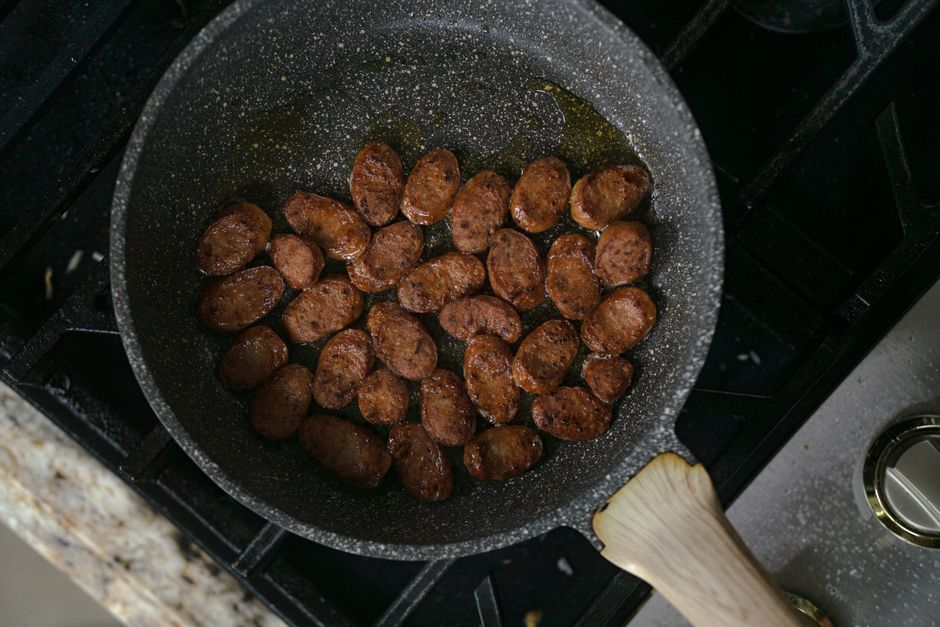
The foundation of any great sausage gravy lies in the quality of the sausage. Opt for a high-quality pork sausage, preferably an uncured variety if you are sensitive to nitrates. The fat content of the sausage is crucial; it will be rendered out and form the base for your roux. Aim for a sausage with at least 20-30% fat. If you are using a leaner sausage, you may need to supplement with a bit of dairy-free butter or oil to achieve the proper fat ratio for browning and building flavor. The spices within the sausage will also contribute significantly to the overall flavor profile. Consider Italian sausage for a herbaceous note, or a spicy breakfast sausage for a kick. For those adhering to a strictly vegan diet, plant-based sausage alternatives have advanced considerably. Look for options made from soy, pea protein, or mushrooms that mimic the texture and savory umami of traditional pork sausage. Experimenting with different sausage types will unlock a spectrum of flavor possibilities for your dairy-free gravy. The browning process is paramount. Cook the sausage in a skillet over medium-high heat, breaking it up into small crumbles. Allow it to brown and crisp up; this caramelization develops deep, complex flavors that are essential to the gravy. Do not rush this step. The rendered fat will be a flavorful liquid gold, and draining too much of it prematurely will result in a less robust gravy. Reserve the rendered fat, as it will be the primary fat for sautéing your aromatics and creating your roux.
The roux is the thickening agent for your gravy, and mastering its creation is key to achieving a smooth, lump-free consistency. A roux is a cooked mixture of equal parts fat and flour. In traditional gravy, this fat would be butter. For dairy-free gravy, the rendered sausage fat will play a primary role, supplemented by a dairy-free butter alternative or a neutral oil like vegetable or canola oil if more fat is needed. The flour used should be all-purpose flour. Sift your flour if you are concerned about lumps. The ratio of fat to flour for a roux is typically 1:1 by volume. For example, if you rendered 2 tablespoons of sausage fat, you would add 2 tablespoons of flour. Whisk the flour into the rendered fat over medium heat. The cooking time of the roux will determine its color and flavor. A "white roux" is cooked for only a minute or two and has a neutral flavor, ideal for delicate sauces. A "blond roux" is cooked for a few minutes more until it turns a pale golden color, imparting a slightly nutty flavor. For sausage gravy, a blond roux is generally preferred, as it adds an extra layer of savory complexity. A "brown roux" is cooked until it turns a rich brown, offering a deeply toasty flavor, but this can sometimes overpower the delicate flavors of sausage gravy. Stir the roux constantly to prevent burning. The aroma will change as it cooks, becoming nuttier.
The liquid component of your dairy-free sausage gravy is where the substitution for milk or cream becomes critical. The goal is to introduce creaminess and a neutral liquid base that complements the savory sausage. Unsweetened, plain plant-based milks are the most common and effective substitutes. Almond milk, soy milk, oat milk, and cashew milk are all viable options. When choosing a plant-based milk, opt for varieties that are unsweetened and unflavored to avoid introducing unwanted sweetness or vanilla notes. Oat milk and cashew milk tend to offer the creamiest texture due to their higher fat content and natural creaminess. Soy milk is also a good option, providing a good balance of creaminess and a relatively neutral flavor. Almond milk can be a bit thinner, so you might need to adjust the flour or simmer time accordingly. For an even richer, more decadent gravy, consider incorporating a portion of full-fat coconut milk (the canned variety, not the beverage from a carton) or a dairy-free heavy cream alternative. These will significantly boost the fat content and contribute a luxurious mouthfeel. When adding the liquid, do so gradually, whisking constantly. Start with a small amount and stir until it’s fully incorporated into the roux. This prevents lumps from forming. Continue adding the liquid in stages, whisking thoroughly after each addition. As the gravy heats, it will begin to thicken.
Seasoning is the final frontier in achieving a perfectly balanced dairy-free sausage gravy. The rendered sausage will provide a good base of salt and pepper, but further adjustment is almost always necessary. Start with salt and freshly ground black pepper. Taste and adjust as you go. Remember that some plant-based milks can have a slightly different salt profile than dairy milk, so be mindful of this. Beyond salt and pepper, consider a pinch of onion powder and garlic powder to enhance the savory notes and mimic the flavor of sautéed aromatics, even if you didn’t explicitly add fresh ones. A touch of smoked paprika can add a subtle smoky depth that complements pork sausage beautifully. For an extra umami boost, a splash of nutritional yeast can be a game-changer. Nutritional yeast, a deactivated yeast, has a cheesy, nutty, and savory flavor that is a staple in vegan cooking and works wonders in dairy-free gravies. A small amount goes a long way, so start with a teaspoon and add more to taste. Some people also enjoy a tiny pinch of cayenne pepper for a subtle warmth or a dash of Worcestershire sauce (ensure it’s a vegan variety if necessary, as traditional Worcestershire contains anchovies). The key is to taste, taste, taste. Your palate is the ultimate guide.
The cooking process for dairy-free sausage gravy is relatively straightforward but requires patience. Once you’ve incorporated all your liquid and the gravy has reached your desired consistency, reduce the heat to low and let it simmer gently for at least 5-10 minutes. This simmering period allows the flavors to meld and the flour to fully cook, eliminating any raw flour taste and ensuring a smooth texture. Stir occasionally to prevent sticking. If the gravy becomes too thick during simmering, you can thin it out by adding a little more of your chosen plant-based milk or a splash of water. Conversely, if it’s too thin, you can thicken it by making a slurry of 1 teaspoon of cornstarch mixed with 1 tablespoon of cold water and whisking it into the simmering gravy. Cook for another minute or two until thickened. Overcooking can lead to a greasy texture if there’s excess rendered fat, or a starchy flavor if the flour hasn’t cooked through properly. Therefore, controlled simmering is essential.
Troubleshooting common issues in dairy-free sausage gravy is part of the learning process. A primary concern is lumpiness. This is usually caused by adding the liquid too quickly to the roux or not whisking vigorously enough. If you encounter lumps, you can try to salvage the gravy by passing it through a fine-mesh sieve. For a gritty or starchy texture, it indicates that the flour hasn’t cooked thoroughly. This can be remedied by continuing to simmer the gravy for a longer period, stirring constantly, to ensure the starch granules are fully hydrated and cooked. A greasy gravy can result from using a sausage with too much fat or not rendering enough of it initially. If your gravy appears excessively greasy, you can carefully skim off some of the excess fat from the surface with a spoon. A bland gravy is usually a result of insufficient seasoning or not allowing the flavors to meld. Taste and adjust seasonings generously, and consider letting it simmer for a bit longer to allow the flavors to deepen.
Variations on dairy-free savory sausage gravy abound, allowing for customization based on dietary needs and flavor preferences. For a vegetarian option, omit the pork sausage and use crumbled vegan sausage. You can also create a "mushroom sausage" gravy by finely dicing and sautéing a variety of mushrooms (cremini, shiitake, portobello) with herbs like sage and thyme, and then proceeding with the roux and liquid. This will provide a rich, earthy, and savory base. For a gluten-free version, substitute the all-purpose flour with a gluten-free all-purpose flour blend or use a cornstarch or arrowroot slurry to thicken. Ensure your sausage is also gluten-free. If you desire a spicier gravy, incorporate red pepper flakes, a dash of hot sauce, or use a spicier breakfast sausage. For a sweeter note (though less traditional for savory gravy), a very small amount of maple syrup can be added, but this leans more towards a breakfast glaze. Consider adding finely chopped fresh herbs like chives or parsley at the end of cooking for a burst of freshness and visual appeal.
The versatility of dairy-free savory sausage gravy extends beyond its classic pairing with biscuits. It’s a fantastic topping for home fries or roasted potatoes, providing a creamy and savory element. Spoon it over a breakfast hash loaded with vegetables and other proteins. It can also serve as a base for a hearty shepherd’s pie topping or a comforting casserole. Consider using it as a binder or flavor enhancer in potato soup or a creamy vegetable chowder. For a unique appetizer, serve it with crostini or toasted baguette slices. The possibilities are as vast as your culinary imagination. When serving, ensure the gravy is hot. Reheating can sometimes alter the texture, so it’s best to heat it gently over low heat, adding a splash of liquid if it thickens too much. The richness of this dairy-free gravy makes it a satisfying and adaptable addition to any meal, proving that dietary restrictions do not have to equate to a compromise in flavor or indulgence. The focus on quality ingredients, proper technique, and thoughtful seasoning ensures a delicious outcome that will please even the most discerning palates.


