
Best Ever Crab Cakes

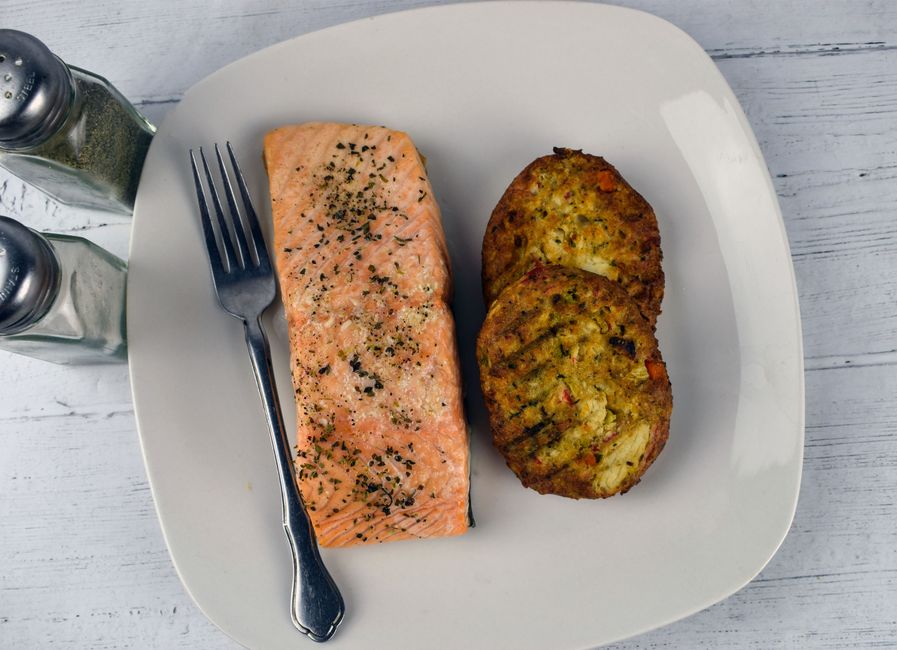
The Pinnacle of Pan-Fried Perfection: Crafting the Best Ever Crab Cakes
The pursuit of the ultimate crab cake is a culinary quest that ignites passion in seafood enthusiasts and home cooks alike. It’s a deceptively simple dish, yet one that allows for immense nuance and variation, with the "best ever" often residing in a highly personal interpretation. At its core, a truly exceptional crab cake prioritizes the delicate sweetness of fresh crab meat, allowing it to shine without being overshadowed by excessive binders or assertive spices. The ideal texture strikes a balance between moist flakiness within and a beautifully golden-brown, slightly crisp exterior achieved through expert pan-frying. Achieving this perfect equilibrium requires careful attention to ingredient selection, preparation techniques, and, crucially, a deep understanding of what elevates good crab to greatness.
The foundation of any superlative crab cake is, unequivocally, the crab meat itself. Sourcing the freshest, highest-quality crab is paramount. For those in coastal regions, this often means seeking out local seafood markets known for their daily catches. Look for lump crab meat, which consists of larger, whole pieces of the sweet, succulent muscle from the crab’s swimming legs. While jumbo lump is the most prized and expensive, good quality regular lump is an excellent choice and often more accessible. Avoid canned crab meat if at all possible; its texture is often compromised, and the flavor can be diluted. If fresh is not readily available, frozen lump crab meat, thawed properly and drained meticulously, can be a respectable alternative. Upon receiving your crab meat, gently inspect it for any shell fragments. A careful visual and tactile examination can prevent an unpleasant surprise in your finished product.
Beyond the crab, the binder is where many crab cake recipes falter, leading to a dense, mushy, or overly breaded result. The goal of the binder is not to dominate, but to gently hold the delicate crab lumps together. A common mistake is overusing breadcrumbs. Panko breadcrumbs, with their airy, irregular texture, are generally preferred over standard breadcrumbs for their ability to create a lighter, crispier crust and a less dense interior. Some chefs opt for a minimal amount of mayonnaise or a combination of mayonnaise and egg as the primary binding agent. The fat in mayonnaise contributes to moisture and richness, while the egg provides structure. The key is moderation. The binder should be just enough to create a cohesive mixture that can be formed into patties without falling apart during cooking. Too much binder, and you risk muting the crab’s flavor and creating a texture that resembles a fried patty rather than a delicate crab formation.
Flavor enhancements are crucial, but they must complement, not compete with, the crab. A judicious use of aromatics and seasonings can elevate the crab cake experience. Finely minced shallots or red onion, sautéed until translucent and softened, provide a subtle sweetness and depth. A touch of Dijon mustard offers a gentle tang and emulsifying properties. Fresh parsley or chives contribute a vibrant herbaceous note. Lemon zest, sparingly applied, can brighten the overall flavor profile without introducing overt citrus acidity. Worcestershire sauce, a classic addition, brings umami and a hint of spice. The salt and pepper should be seasoned carefully, allowing the natural salinity of the crab to play its role. It’s important to taste and adjust seasonings cautiously before forming the patties. Remember, the goal is to enhance the crab, not to create a spiced meatball.
The preparation of the crab cake mixture demands a gentle touch. Once you have your high-quality crab meat, combine it with your carefully selected binder and seasonings. The absolute cardinal rule here is to avoid over-mixing. Vigorous stirring will break down the delicate crab lumps, resulting in a paste-like consistency. Instead, use a light hand, folding the ingredients together until just combined. The mixture should still have discernible pieces of crab. If you’re using mayonnaise and egg as binders, don’t add them all at once; gradually incorporate them until the mixture just holds together. Overworking the mixture will also develop the gluten in any breadcrumbs used, leading to a tougher texture. Patience and a gentle approach are your greatest allies in this stage.
Forming the crab cakes requires a similar degree of finesse. Gently scoop portions of the mixture and form them into patties. They should be firm enough to hold their shape but not so densely packed that they become heavy. Aim for a uniform thickness, about ¾ to 1 inch, to ensure even cooking. Some cooks prefer to chill the formed patties for at least 30 minutes before cooking. This step helps them firm up further, reducing the risk of them falling apart in the pan and contributing to a slightly crispier exterior. While not strictly necessary for all recipes, it’s a technique that consistently yields superior results, especially for those who are new to making crab cakes.
The cooking method is arguably as vital as the ingredients themselves. Pan-frying is the quintessential technique for achieving that coveted golden-brown crust and perfectly cooked interior. The choice of fat matters. Clarified butter or ghee offers a high smoke point and a rich, nutty flavor. A neutral oil like canola or grapeseed oil is also a good option. For an even more indulgent experience, a combination of butter and oil can be used. Heat the fat in a heavy-bottomed skillet, such as cast iron or stainless steel, over medium-high heat. The skillet should be hot enough for the crab cakes to sizzle upon contact, but not so hot that they burn before cooking through.
The pan-frying process requires careful attention and timing. Place the crab cakes in the hot skillet, ensuring not to overcrowd the pan. Overcrowding will lower the temperature of the oil, leading to steamed rather than fried crab cakes. Cook each side for approximately 3 to 5 minutes, or until a deep golden-brown crust forms. The exact cooking time will vary depending on the thickness of your crab cakes and the heat of your pan. Resist the urge to move them around excessively during cooking; allow them to develop a crust before attempting to flip. Use a thin spatula to gently turn them over. Once cooked through and beautifully golden on both sides, transfer them to a wire rack set over a baking sheet to drain any excess oil. This prevents the bottoms from becoming soggy.
Serving the best ever crab cakes is as important as their preparation. While they are undeniably delicious on their own, thoughtful accompaniments can further enhance the dining experience. A classic choice is a bright and zesty remoulade sauce or a simple aioli. The cool, creamy richness of these sauces provides a delightful counterpoint to the warm, savory crab cake. Fresh lemon wedges are non-negotiable, allowing diners to add a burst of acidity to their liking. For a more substantial meal, consider serving them with a light green salad, roasted asparagus, or perfectly cooked French fries. The key is to select sides that don’t overpower the delicate flavor of the crab.
Exploring variations can lead to personal discoveries of what constitutes your best ever crab cake. Some chefs embrace a touch of spice, adding a pinch of cayenne pepper or a finely minced jalapeño to the mixture. Others prefer a slightly more robust binder, using a small amount of crushed saltine crackers or even a hint of crumbled bacon for added savory depth. The inclusion of a splash of sherry or white wine in the binder can also impart a subtle complexity. However, in all these explorations, the guiding principle remains the same: respect the crab. The star of the show must never be eclipsed by its supporting cast.
The "best ever" crab cake is not a static recipe but a journey of refinement and personal preference. It’s about understanding the fundamental principles of good crab cake construction and then applying them with care and attention to detail. From the pristine quality of the crab meat to the gentle folding of the binder and the perfect sizzle in the pan, each step contributes to the final masterpiece. Ultimately, the best ever crab cake is the one that brings the most joy to your palate, a testament to the simple, elegant beauty of fresh seafood, expertly prepared. It is a dish that, when executed with passion and precision, transcends mere food and becomes an experience – a true celebration of the ocean’s bounty. The pursuit of this culinary ideal is a delicious endeavor, one that rewards patience, quality ingredients, and a discerning palate.


