Roast Chicken Pan Gravy: A Flavorful Duo
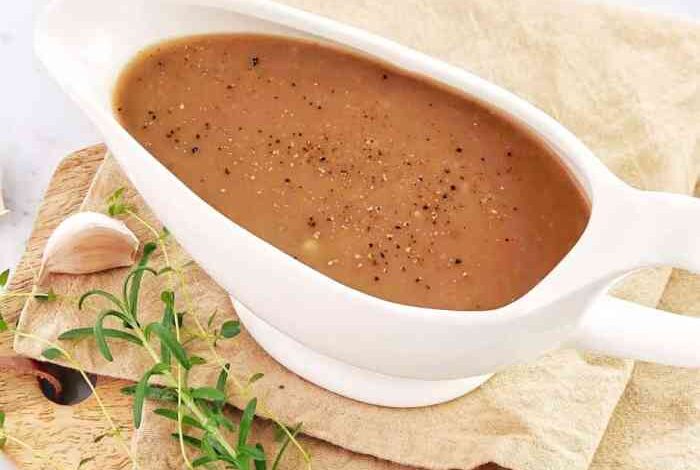
Roast chicken pan gravy takes center stage, a classic combination that elevates any meal. The rich, savory gravy, crafted from the drippings of the roasted chicken, perfectly complements the tender, juicy meat. Whether you’re a seasoned chef or a kitchen novice, this dish offers a symphony of flavors that will tantalize your taste buds.
From selecting the perfect bird to mastering the art of deglazing, we’ll explore the steps involved in creating a roast chicken and gravy that will impress your guests and leave you wanting more. We’ll also delve into the variations and enhancements that can elevate this dish to new heights, from incorporating herbs and spices to exploring vegetarian and vegan options.
Crafting the Perfect Pan Gravy
A roast chicken, perfectly browned and succulent, is a culinary triumph. But the true magic lies in the pan drippings – the essence of flavor waiting to be transformed into a rich and savory pan gravy.
Types of Pan Gravy
Pan gravy is a versatile sauce that can elevate any roast chicken dish. It comes in various forms, each with its unique character and appeal.
- Classic Pan Gravy:This is the quintessential pan gravy, made with a roux of butter and flour, and enriched with the pan drippings. It’s known for its rich, brown color and robust flavor.
- White Pan Gravy:As the name suggests, this gravy is lighter in color, achieved by using white wine or chicken broth instead of water. It’s a more delicate and subtly flavored option, perfect for those who prefer a lighter touch.
- Brown Pan Gravy:This gravy is deeper in flavor and color, achieved by browning the flour in the pan drippings before adding the liquid. It’s a more intense and robust gravy, ideal for those who appreciate bold flavors.
Making Flavorful Pan Gravy from Chicken Drippings, Roast chicken pan gravy
Crafting a perfect pan gravy from the drippings of a roasted chicken is a simple yet rewarding process. Here’s a step-by-step guide:
- Deglaze the Pan:Once the chicken is out of the oven, pour off any excess fat, leaving behind the flavorful drippings. Add a splash of white wine or chicken broth to the pan and scrape the bottom to loosen the browned bits, known as fond.
This process, called deglazing, extracts the concentrated flavor from the pan.
- Make a Roux:In a separate saucepan, melt butter and whisk in flour to create a roux. The ratio of butter to flour determines the thickness of the gravy. A 1:1 ratio is a good starting point. Cook the roux over low heat until it turns a light brown color, about 5 minutes.
- Combine the Drippings and Roux:Gradually whisk the hot deglazed drippings into the roux, whisking constantly to avoid lumps. Add additional liquid, such as chicken broth or water, to achieve the desired consistency.
- Simmer and Season:Bring the gravy to a simmer and cook for a few minutes, stirring occasionally, to allow the flavors to meld. Season generously with salt and pepper, and add any other desired herbs or spices, such as thyme, rosemary, or garlic powder.
- Strain and Serve:Before serving, strain the gravy through a fine-mesh sieve to remove any solids. Pour the gravy over the roasted chicken or serve it alongside other dishes.
Essential Ingredients and Their Roles
Each ingredient plays a crucial role in creating a rich and savory pan gravy:
- Chicken Drippings:The heart and soul of the gravy, providing the rich, savory flavor and depth of character.
- Butter:Adds richness and smoothness to the gravy, contributing to its velvety texture.
- Flour:Acts as a thickener, creating the desired consistency. It also contributes to the gravy’s color and flavor.
- Liquid:Used to thin the gravy and create a smooth, pourable consistency. Chicken broth, white wine, or water can be used depending on the desired flavor profile.
- Seasonings:Salt, pepper, and herbs enhance the flavor and balance the richness of the gravy.
Deglazing and Reducing for Concentrated Flavor
Deglazing the pan is a crucial step in pan gravy making. It extracts the flavorful fond, the browned bits that cling to the bottom of the pan. The fond is packed with concentrated flavor, adding depth and richness to the gravy.
“Deglazing is the process of adding liquid to a hot pan to dissolve the browned bits, known as fond, and create a flavorful base for sauces and gravies.”
Reducing the gravy after deglazing further intensifies its flavor. As the gravy simmers, the liquid evaporates, concentrating the flavor and thickening the consistency. This creates a more intense and flavorful gravy.
Variations and Enhancements: Roast Chicken Pan Gravy
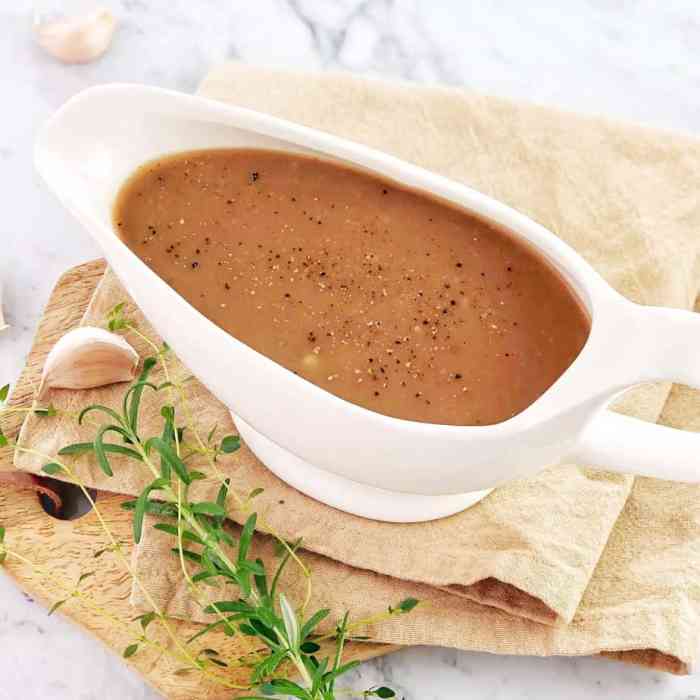
The foundation of pan gravy is a simple one, but the possibilities for flavor and texture are truly endless. Here are some ways to elevate your roast chicken pan gravy and make it truly your own.
Incorporating Herbs and Spices
Adding herbs and spices to your roast chicken and pan gravy is a great way to enhance the flavor profile of your dish. You can add herbs and spices directly to the chicken before roasting, or you can stir them into the pan gravy after it’s been made.
Here are some popular herbs and spices to consider:
- Rosemary:A classic pairing for roast chicken, rosemary adds a savory, earthy flavor. You can add sprigs of rosemary to the chicken cavity during roasting, or add chopped rosemary to the pan gravy.
- Thyme:Another classic herb for roast chicken, thyme has a slightly peppery and citrusy flavor that complements the chicken beautifully. Add a few sprigs of thyme to the chicken cavity or add chopped thyme to the pan gravy.
- Sage:Sage has a pungent, earthy flavor that can be used to add depth and complexity to your roast chicken and pan gravy. Add a few sage leaves to the chicken cavity or add chopped sage to the pan gravy.
- Garlic:Garlic adds a pungent and savory flavor to roast chicken and pan gravy. You can add garlic cloves to the chicken cavity during roasting, or add minced garlic to the pan gravy.
- Black Pepper:Black pepper adds a bit of heat and spice to roast chicken and pan gravy. You can add black peppercorns to the chicken cavity during roasting, or add freshly ground black pepper to the pan gravy.
- Paprika:Paprika adds a sweet and smoky flavor to roast chicken and pan gravy. You can add paprika to the chicken cavity during roasting, or add it to the pan gravy after it’s been made.
Vegetarian Roast Chicken and Pan Gravy
A vegetarian version of roast chicken and pan gravy can be made using tofu or tempeh as the main protein source.
Here’s a simple recipe for a vegetarian roast chicken and pan gravy:
- Ingredients:
- 1 block of extra-firm tofu, pressed and cubed
- 1 tablespoon olive oil
- 1 onion, chopped
- 2 cloves garlic, minced
- 1 teaspoon dried thyme
- 1/2 teaspoon dried rosemary
- 1/4 cup all-purpose flour
- 2 cups vegetable broth
- Salt and pepper to taste
- Instructions:
- Preheat oven to 400 degrees F (200 degrees C).
- Toss the tofu cubes with olive oil, onion, garlic, thyme, and rosemary.
- Spread the tofu mixture in a baking dish and bake for 30 minutes, or until golden brown and cooked through.
- While the tofu is baking, make the gravy. In a saucepan, whisk together the flour and vegetable broth until smooth.
- Bring the mixture to a simmer over medium heat, stirring constantly. Cook for 5 minutes, or until the gravy has thickened.
- Season the gravy with salt and pepper to taste.
- Serve the tofu over rice or mashed potatoes, topped with the gravy.
Vegan Pan Gravy
A vegan version of pan gravy can be made using vegetable broth and plant-based milk.
Here’s a simple recipe for a vegan pan gravy:
- Ingredients:
- 1 tablespoon olive oil
- 1 onion, chopped
- 2 cloves garlic, minced
- 1/4 cup all-purpose flour
- 2 cups vegetable broth
- 1/2 cup unsweetened plant-based milk
- Salt and pepper to taste
- Instructions:
- In a saucepan, heat the olive oil over medium heat.
- Add the onion and garlic and cook until softened, about 5 minutes.
- Whisk in the flour and cook for 1 minute, stirring constantly.
- Gradually whisk in the vegetable broth and plant-based milk. Bring the mixture to a simmer over medium heat, stirring constantly. Cook for 5 minutes, or until the gravy has thickened.
- Season the gravy with salt and pepper to taste.
- Serve the gravy over mashed potatoes, roasted vegetables, or tofu.
Roast chicken pan gravy is one of those things that always makes me feel like I’m back at home, enjoying a comforting meal. It’s the perfect way to use up all those delicious drippings from the chicken, creating a rich and flavorful sauce.
But sometimes, I crave something a little sweeter. That’s when I turn to black forest cake i , with its layers of chocolate cake, whipped cream, and cherries. It’s a decadent treat that perfectly balances the savory flavors of the gravy.
Of course, after a slice of black forest cake, nothing beats the warm, comforting taste of roast chicken pan gravy.
Roast chicken pan gravy is one of those simple pleasures that always hits the spot. The rich, savory sauce is the perfect complement to the crispy skin and juicy meat of the chicken. And while I love a good gravy, sometimes I need a little something to cut through the richness.
That’s when I turn to a refreshing glass of fresh pineapple cucumber juice. The sweet and tangy flavors of the juice cleanse the palate and make the gravy taste even better. It’s the perfect combination for a satisfying and delicious meal.
Roast chicken pan gravy is one of those things that always makes me feel cozy and nostalgic. The rich, savory flavor is just perfect for a cold winter night, and it’s so easy to make. Sometimes, though, I crave something a little bit different, and that’s when I turn to a recipe for sausage smothered in red cabbage.
The sweet and tangy cabbage is a delicious counterpoint to the savory sausage, and it’s a dish that’s just as comforting as a bowl of gravy. But when it comes to classic comfort food, I always come back to roast chicken pan gravy – it’s just a timeless favorite.