
Classic Tuna Noodle Casserole

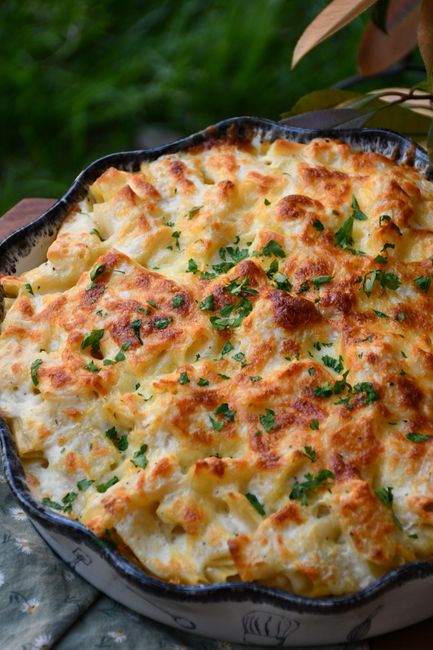
The Timeless Comfort of Classic Tuna Noodle Casserole: A Culinary Staple
The classic tuna noodle casserole is more than just a dish; it’s a nostalgic culinary experience deeply embedded in the fabric of many home cooks’ repertoires. Its enduring popularity stems from a harmonious blend of readily available ingredients, simple preparation, and a comforting, savory flavor profile that appeals to a broad audience. This humble yet satisfying meal has graced countless dinner tables, transcending generations and evolving with minor adaptations while retaining its core essence. Understanding the components, variations, and appeal of tuna noodle casserole provides valuable insight into its status as a true comfort food staple.
At its heart, the classic tuna noodle casserole is a straightforward assembly of pantry staples. The primary components typically include canned tuna, egg noodles, a creamy binder, and often a crunchy topping. Canned tuna, a readily accessible and economical protein source, forms the savory foundation of the dish. Its mild flavor readily absorbs the surrounding sauces and seasonings, making it a versatile ingredient. The type of tuna – water-packed or oil-packed – can influence the final texture and flavor. Water-packed tuna is generally leaner and lighter, while oil-packed tuna imparts a richer mouthfeel. Regardless of choice, draining the tuna thoroughly is crucial to prevent a greasy or watery casserole.
Egg noodles, with their slightly chewy texture and ability to hold sauce, are the quintessential pasta choice for this casserole. Their broad surface area allows them to intermingle seamlessly with the creamy binder and tuna, creating a cohesive and satisfying bite. While broad egg noodles are traditional, other short pasta shapes like rotini, penne, or even macaroni can be substituted, though they may alter the characteristic texture of the classic dish. The cooking of the egg noodles is paramount; they should be cooked al dente, meaning slightly firm to the bite. Overcooked noodles will become mushy in the baked casserole, detracting from its overall appeal.
The creamy binder is the unifying element that brings all the ingredients together. The most traditional and iconic binder is a condensed cream of mushroom soup. This readily available canned soup provides a rich, savory, and slightly earthy base. Its inherent creaminess, coupled with the umami notes from the mushrooms, creates a luscious sauce that coats the noodles and tuna. The saltiness of the condensed soup also contributes significantly to the overall seasoning of the dish, often negating the need for additional salt. While cream of mushroom is the undisputed champion, variations exist, with cream of celery or cream of chicken soups also being popular choices, offering slightly different flavor nuances.
Beyond the soup, other ingredients contribute to the creaminess and flavor of the binder. Milk or sometimes sour cream is often incorporated to thin the soup slightly and enhance its richness. This dairy addition ensures a smooth, flowing sauce that evenly distributes throughout the casserole. Mayonnaise, while sometimes controversial, can also be added for an extra layer of creamy tang and moisture, particularly in regional variations. Seasonings are vital to elevating the simple ingredients. Black pepper is a constant, providing a gentle warmth. Onion powder and garlic powder are frequently used to introduce aromatic depth without the need for sautéing fresh aromatics, reinforcing the casserole’s ease of preparation. A touch of Worcestershire sauce can add a subtle umami boost and complexity.
The element that elevates a good tuna noodle casserole to a great one is often the topping. The classic crunchy topping is almost universally crushed potato chips or breadcrumbs, often mixed with melted butter. This creates a delightful textural contrast to the soft, creamy interior, providing a satisfying crunch with every bite. The butter imbues the topping with richness and helps it to brown to a golden hue during baking. Some recipes incorporate grated cheese into the topping for added flavor and a slightly more cohesive crunch. Other variations might include crushed crackers or even a simple dusting of paprika for color. The choice of topping allows for personal preference and can significantly influence the final sensory experience.
The preparation of classic tuna noodle casserole is designed for maximum efficiency and minimal stress. Typically, the process begins with cooking the egg noodles according to package directions, ensuring they are al dente. While the noodles cook, the canned tuna is drained and flaked. In a large mixing bowl, the condensed soup, milk (or other liquid), and seasonings are combined to form the creamy binder. The flaked tuna and cooked, drained noodles are then gently folded into this mixture, ensuring even distribution. The entire mixture is then transferred to a greased baking dish. Finally, the chosen topping is evenly spread over the top of the casserole. Baking time and temperature are usually around 350°F (175°C) for 20-30 minutes, or until the casserole is heated through and the topping is golden brown and crispy.
The enduring appeal of tuna noodle casserole lies in its profound sense of comfort and nostalgia. It’s a dish often associated with childhood, family dinners, and simpler times. The warm, creamy texture, combined with the familiar flavors, evokes feelings of security and contentment. Its affordability and accessibility make it a practical choice for budget-conscious households, further contributing to its widespread adoption. Furthermore, its inherent simplicity makes it an ideal recipe for novice cooks to master, fostering a sense of culinary accomplishment. The minimal clean-up associated with a one-dish meal also adds to its pragmatic appeal.
While the classic recipe remains beloved, numerous variations and adaptations have emerged, reflecting regional tastes and evolving culinary trends. Some modern interpretations incorporate fresh vegetables like peas, carrots, or celery, adding color, texture, and nutritional value. Sautéing diced onions and garlic before adding them to the soup mixture offers a more developed flavor profile than relying solely on powders. The addition of cheese, either mixed into the filling or melted on top, is another common enhancement. Cheddar, Gruyere, or Parmesan cheese can all add a delightful savory dimension. For those seeking a richer, more decadent experience, a touch of heavy cream can be incorporated into the binder, or even a dollop of crème fraîche.
For individuals with dietary restrictions, tuna noodle casserole can be adapted. Gluten-free egg noodles are readily available, allowing those with celiac disease or gluten sensitivity to enjoy the dish. Dairy-free alternatives for milk and condensed soups can be explored, though achieving the same creamy texture and rich flavor may require experimentation with cashew cream, coconut milk, or specialized dairy-free condensed soups. Using olive oil or a plant-based butter alternative for the topping is also straightforward. For those seeking to reduce sodium content, low-sodium condensed soups and carefully controlled seasoning are advisable.
The SEO-friendly aspects of discussing tuna noodle casserole involve using relevant keywords naturally within the text. Terms like "classic tuna noodle casserole," "easy tuna noodle casserole recipe," "comfort food," "creamy tuna noodle casserole," "canned tuna recipe," "egg noodles," "cream of mushroom soup casserole," "budget-friendly dinner," and "family meal" are all valuable. The article structure, with clear headings (though not explicitly requested as separate subheadings in this format, the flow implies them), and comprehensive coverage of the dish’s history, ingredients, preparation, and variations, contribute to its discoverability. The word count ensures a deep dive into the topic, providing sufficient content for search engines to understand its relevance.
Beyond the individual components, the synergy of flavors and textures in tuna noodle casserole is key to its success. The tender chew of the noodles, the flaky protein of the tuna, the smooth, velvety sauce, and the satisfying crunch of the topping all contribute to a multi-sensory dining experience. It’s a dish that is both familiar and comforting, yet adaptable enough to satisfy individual preferences. The humble origin of many of its ingredients – canned goods and dried pasta – speaks to its ability to transform simple, everyday items into a deeply satisfying and beloved meal. This culinary alchemy is a testament to the power of well-executed comfort food.
The historical context of tuna noodle casserole often points to its rise in popularity in the mid-20th century, coinciding with the widespread availability of canned goods and the increasing prevalence of frozen foods and convenience ingredients in American households. Its appearance in cookbooks and women’s magazines of the era solidified its status as a go-to weeknight meal. This historical grounding reinforces its identity as a classic and explains its deep roots in domestic cooking traditions. It’s a dish that embodies the ingenuity and resourcefulness of home cooks adapting to the culinary landscape of their time.
In conclusion, the classic tuna noodle casserole remains a culinary icon due to its inherent simplicity, affordability, and profound comfort. Its straightforward assembly, relying on a core set of pantry staples, makes it accessible to cooks of all skill levels. The harmonious blend of savory tuna, tender egg noodles, and a creamy, flavorful binder, often crowned with a crunchy topping, creates a universally appealing dish. While variations abound, the essence of this beloved casserole remains unchanged, continuing to offer a taste of nostalgia and a guaranteed satisfying meal for generations to come. Its enduring presence on dinner tables worldwide is a testament to its timeless appeal and its status as a true culinary staple.


