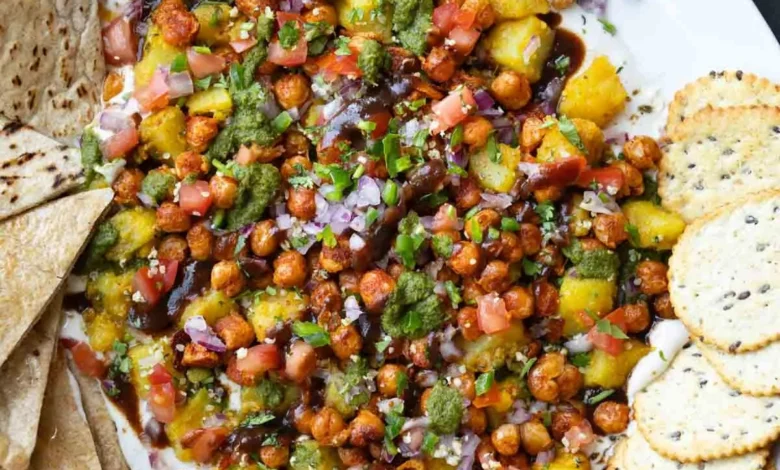
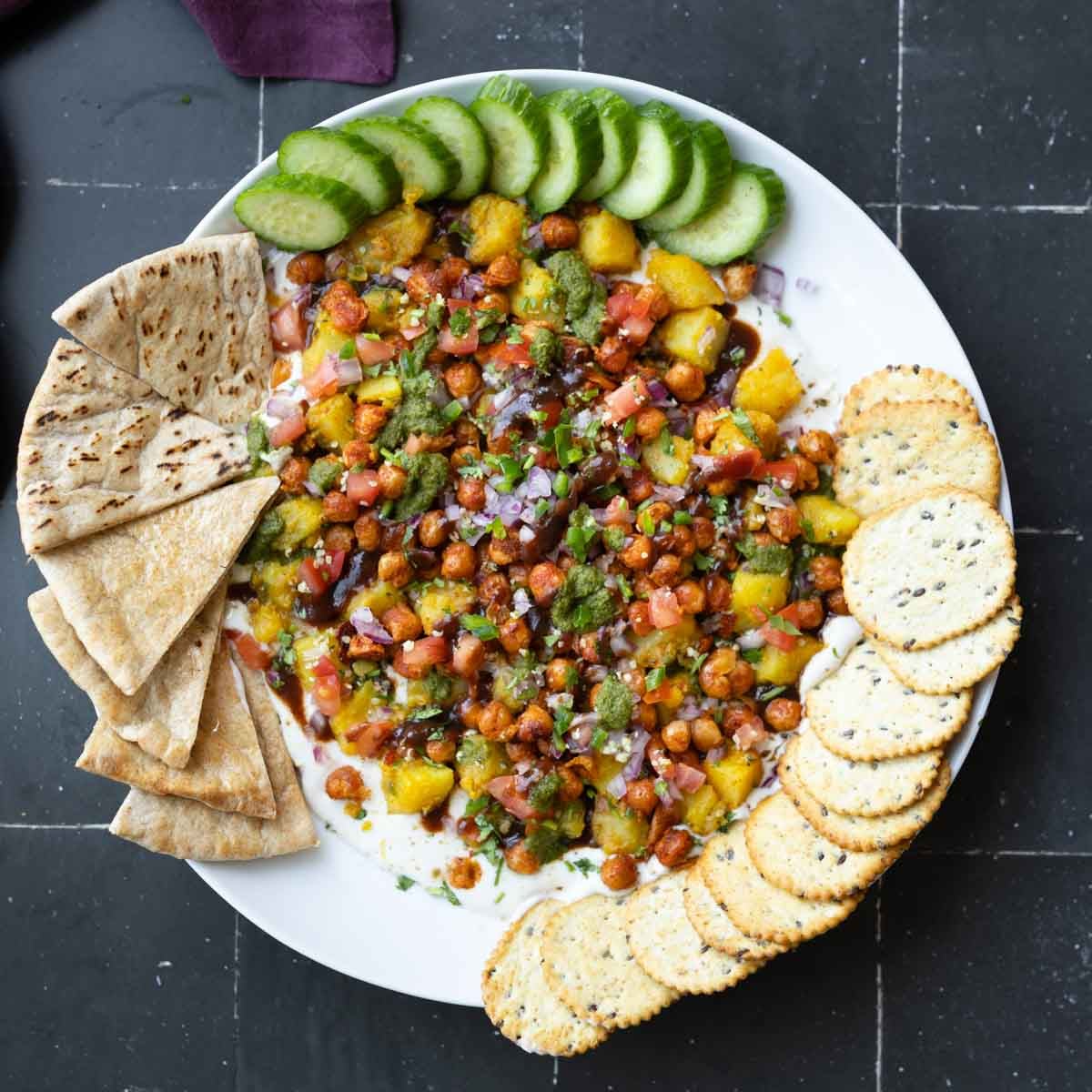
The culinary landscape of contemporary party hosting is currently shifting toward deconstructed, interactive dining experiences that prioritize accessibility without sacrificing complex flavor profiles. A primary example of this trend is the emergence of the Samosa Chaat Platter—a deconstructed take on the traditional Indian street food staple that eliminates the labor-intensive process of pastry folding while maintaining the essential flavor components. This dish, designed as a shareable, protein-rich dip, represents an evolution in how traditional ethnic appetizers are being adapted for modern, inclusive, and health-conscious gatherings.
The Evolution of Chaat Culture
Chaat, a term derived from the Hindi verb "to lick," refers to a vast category of Indian street snacks characterized by a strategic collision of flavors: sweet, spicy, tangy, and savory. Historically, these dishes were sold by street vendors in high-traffic urban areas, serving as a quick, flavorful meal for commuters. The traditional samosa chaat involves breaking apart deep-fried, pastry-wrapped potato dumplings and drenching them in various chutneys, yogurt, and crunchy toppings.
In recent years, the globalization of Indian cuisine has led to an increased interest in the "deconstruction" of these complex dishes. Culinary experts note that this trend is driven by two factors: the desire to cater to dietary restrictions—such as gluten or soy sensitivities—and the logistical challenges of serving traditional pastry-based appetizers that lose structural integrity when prepared in large quantities. By serving the components as a layered platter, hosts can maintain the structural crunch of the side accompaniments while offering a high-protein, nutritionally dense alternative to traditional calorie-heavy party dips.
Nutritional Profile and Dietary Inclusivity
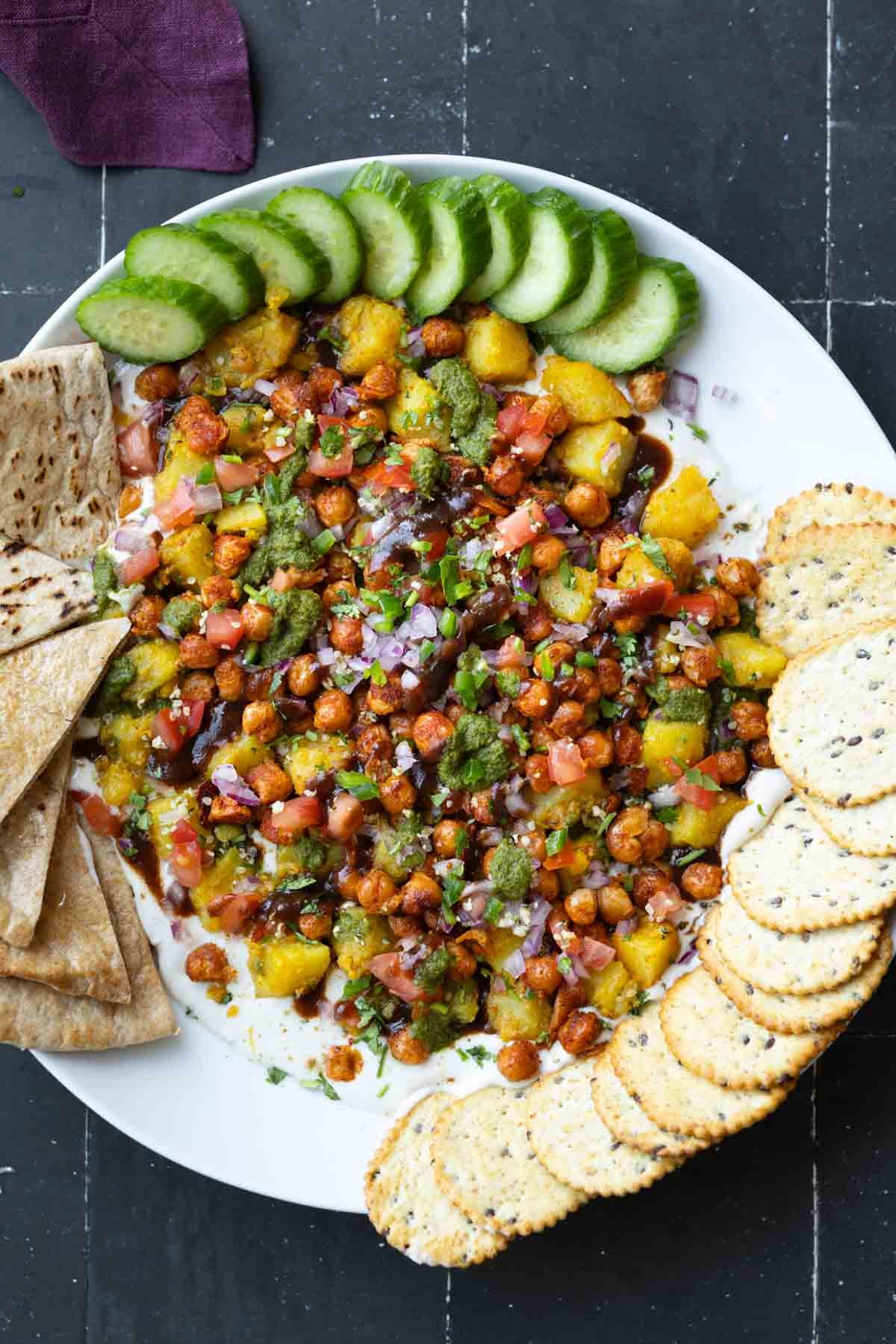
The modern iteration of the Samosa Chaat Platter is specifically engineered to meet contemporary nutritional standards. According to available data, a single serving of this dish provides approximately 13 grams of plant-based protein and 10 grams of fiber, significantly higher than standard party appetizers such as cheese-based dips or processed crackers.
The dish is inherently versatile, adhering to several major dietary requirements:
- Nut-Free: By replacing traditional nut-based garnishes with hemp seeds or fresh herbs, the dish eliminates common allergen risks.
- Gluten-Free: Traditional samosas rely on wheat-based dough; however, the deconstructed version utilizes potato and chickpea bases, making it safe for gluten-sensitive populations, provided that the accompanying crackers are sourced accordingly.
- Soy-Free: The use of plant-based yogurt alternatives allows for a soy-free profile, provided the base ingredient is coconut or almond-based.
This nutritional density is a significant departure from standard "party fare," which often relies on high-sodium, low-fiber ingredients. The inclusion of chickpeas adds a substantial amount of folate and manganese, contributing to the overall micronutrient profile of the meal.
Chronology of Preparation
The preparation of a Samosa Chaat Platter follows a structured, multi-stage culinary process that emphasizes ingredient preparation over complex assembly.
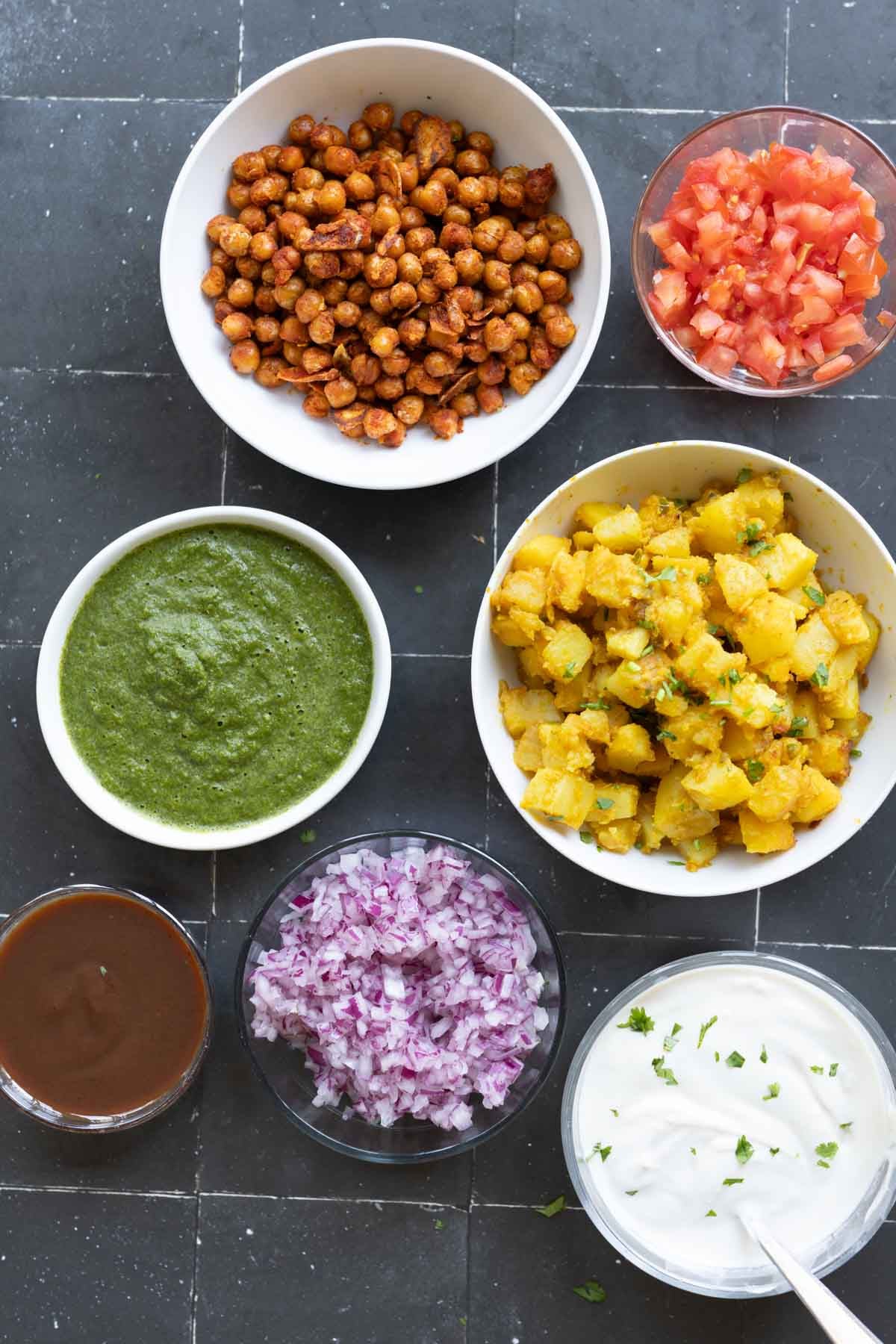
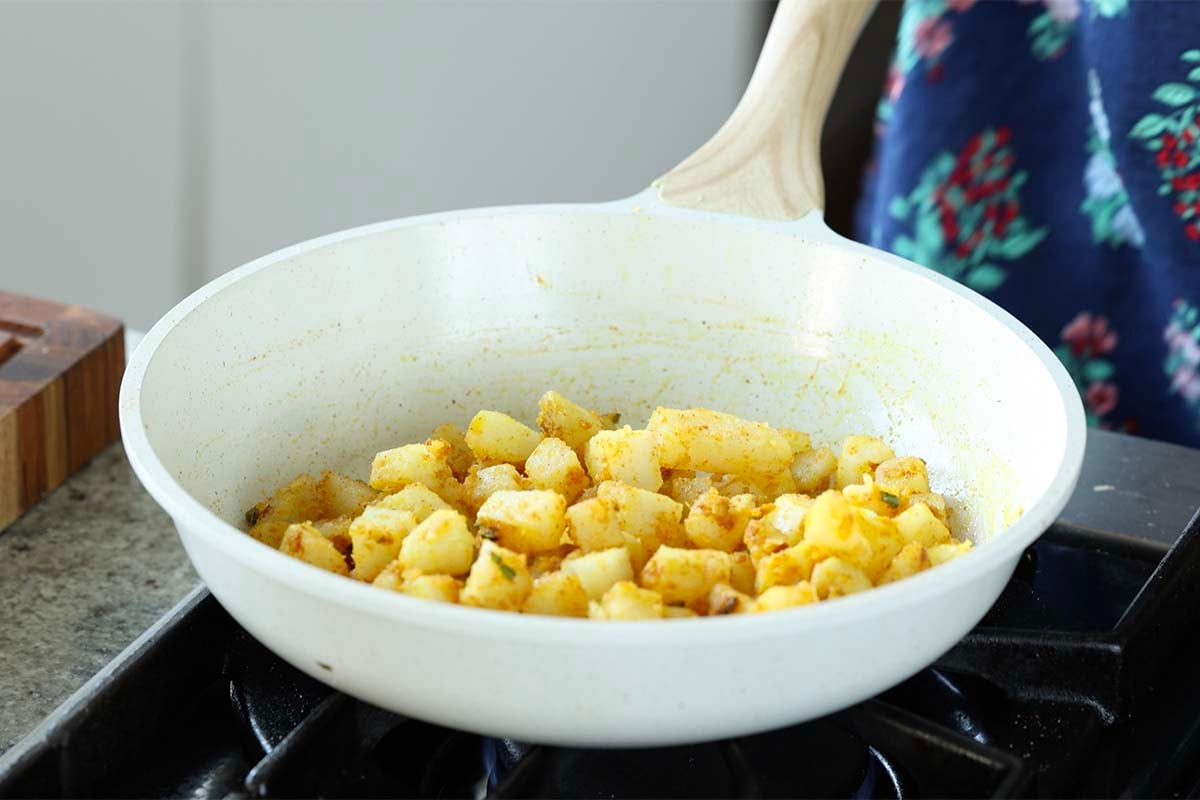
- Preparation of the Foundation (Potatoes): The process begins with boiling or steaming potatoes until fork-tender. Once cubed, these are sautéed with ginger, green chili, and a blend of traditional samosa spices—including cumin, coriander, and garam masala. This stage is critical for developing the aromatic profile that defines the dish.
- Texture Integration (Chickpeas): To replicate the "crunch" factor of traditional chaat, chickpeas are pan-fried in high-heat oil with specialized spices until they reach a golden, crisp consistency. This element serves as the primary protein anchor for the dish.
- Chutney Formulation: The dish relies on the juxtaposition of sauces. The green chutney, a blend of fresh cilantro, mint, and lime, provides a sharp, herbaceous acidity. The tamarind chutney, often made from dried dates and tamarind pulp, offers a deep, caramel-like sweetness that balances the heat of the chili.
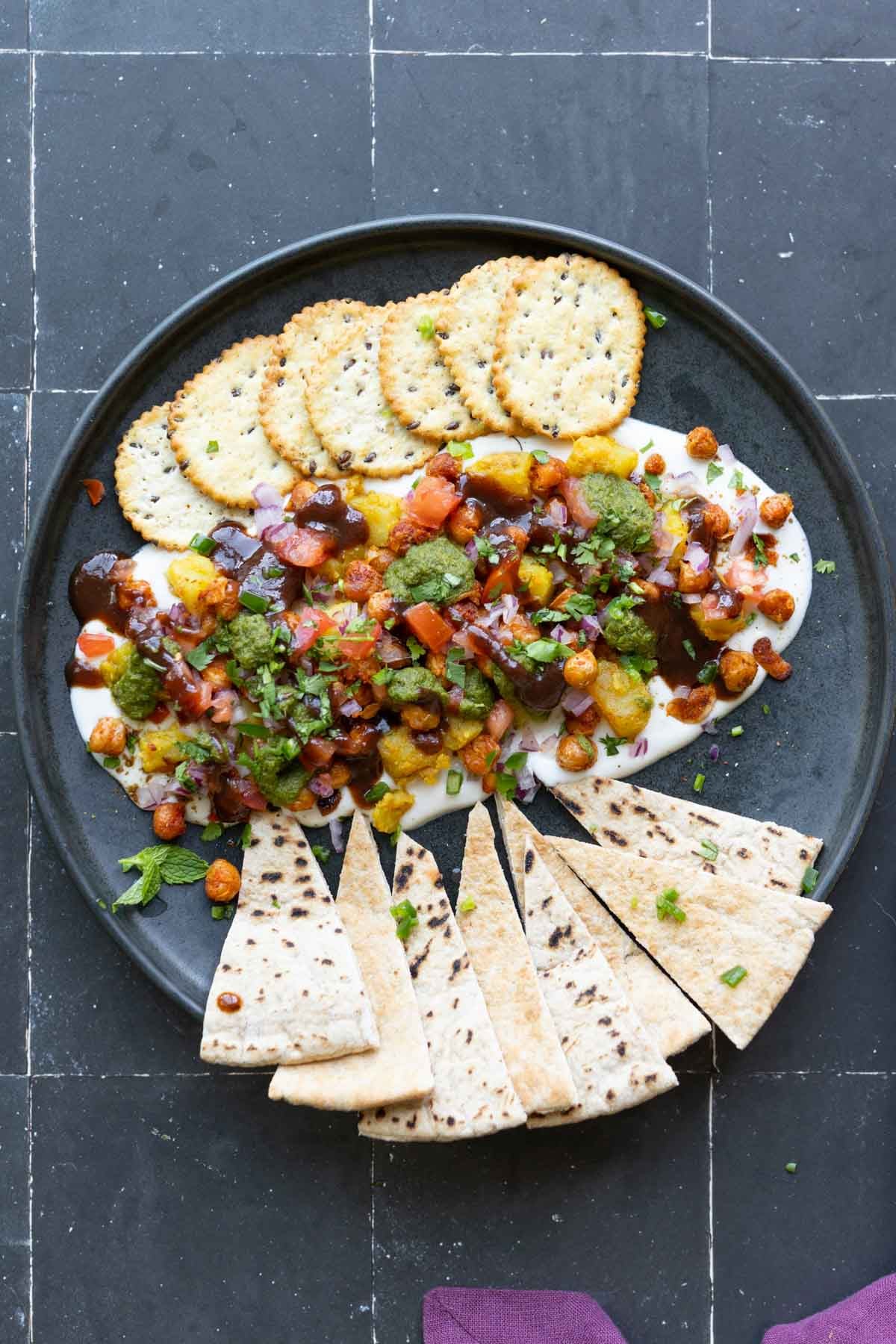
- Assembly and Layering: The final assembly is typically performed in a wide, shallow dish. A base of chilled, seasoned yogurt is applied first, followed by the warm potato and chickpea mixture. The dish is then topped with fresh aromatics—onions, tomatoes, and cilantro—and drizzled with the prepared chutneys.
Industry Perspective on "Shareable" Appetizers
Culinary analysts tracking food trends for the 2025–2026 season have observed a distinct preference for "assembly-required" appetizers. This preference reflects a broader shift toward communal dining where guests are encouraged to participate in the construction of their own bites.
"The rise of the Samosa Platter is not just about convenience," says a representative from a prominent culinary research firm. "It is about the ‘experience economy.’ By serving the crunch elements on the side, the host ensures that the texture remains fresh throughout the duration of the party. It solves the perennial problem of the ‘soggy appetizer’ that plagues many buffet-style events."
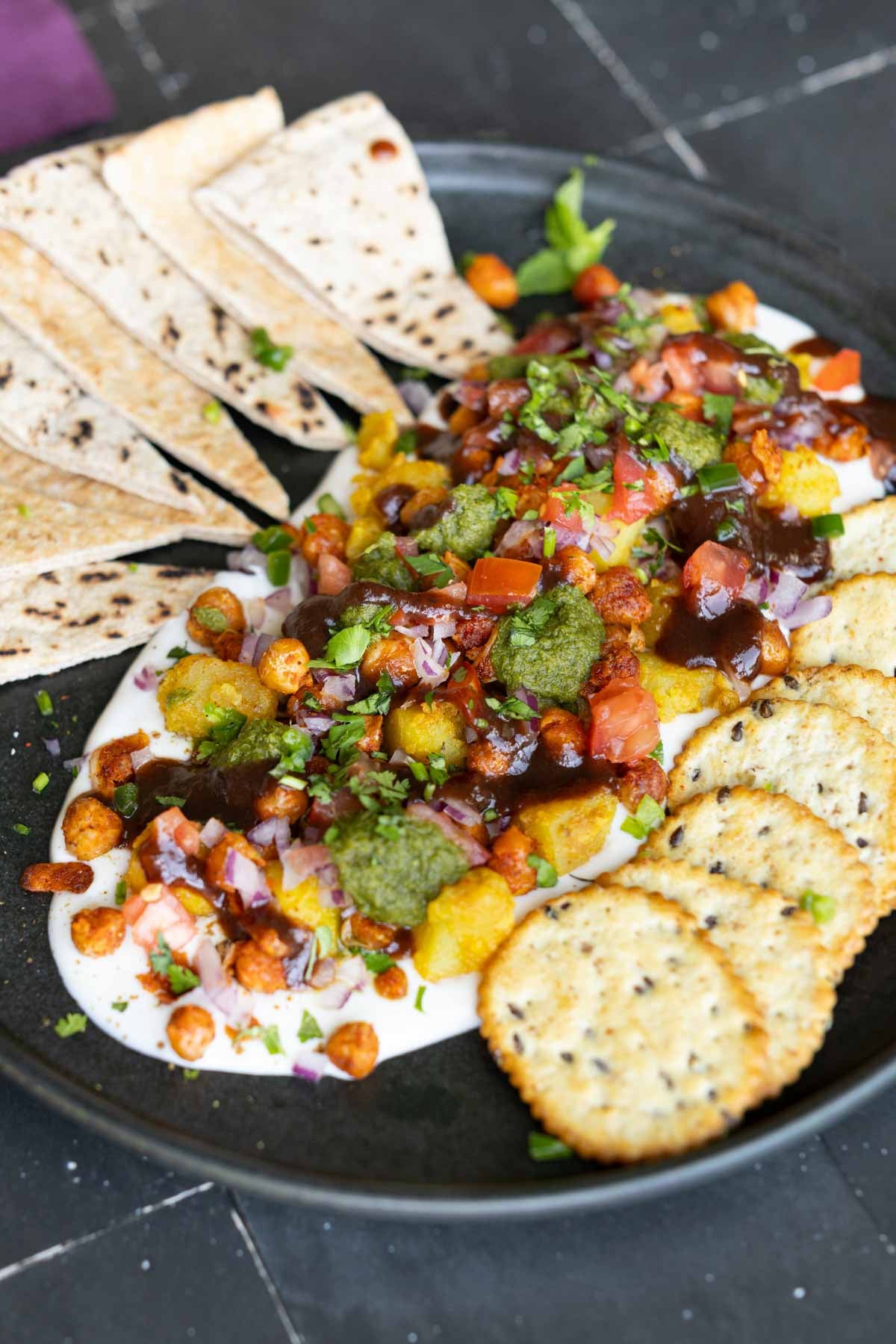
Furthermore, the scalability of this dish allows it to transition from an intimate family gathering to a large-scale catered event. Because the components—the potatoes, chickpeas, and sauces—can be prepared up to four days in advance, the platter offers a level of efficiency that is highly sought after in professional catering environments.
Broader Economic and Cultural Implications
The mainstream adoption of dishes like the Samosa Chaat Platter signifies a maturation of Western palates regarding South Asian cuisine. No longer relegated to niche ethnic restaurants, the components of chaat are being integrated into home kitchens globally. This shift has broader implications for the supply chain, as demand for high-quality tamarind, chaat masala, and fresh cilantro continues to rise in standard grocery outlets.
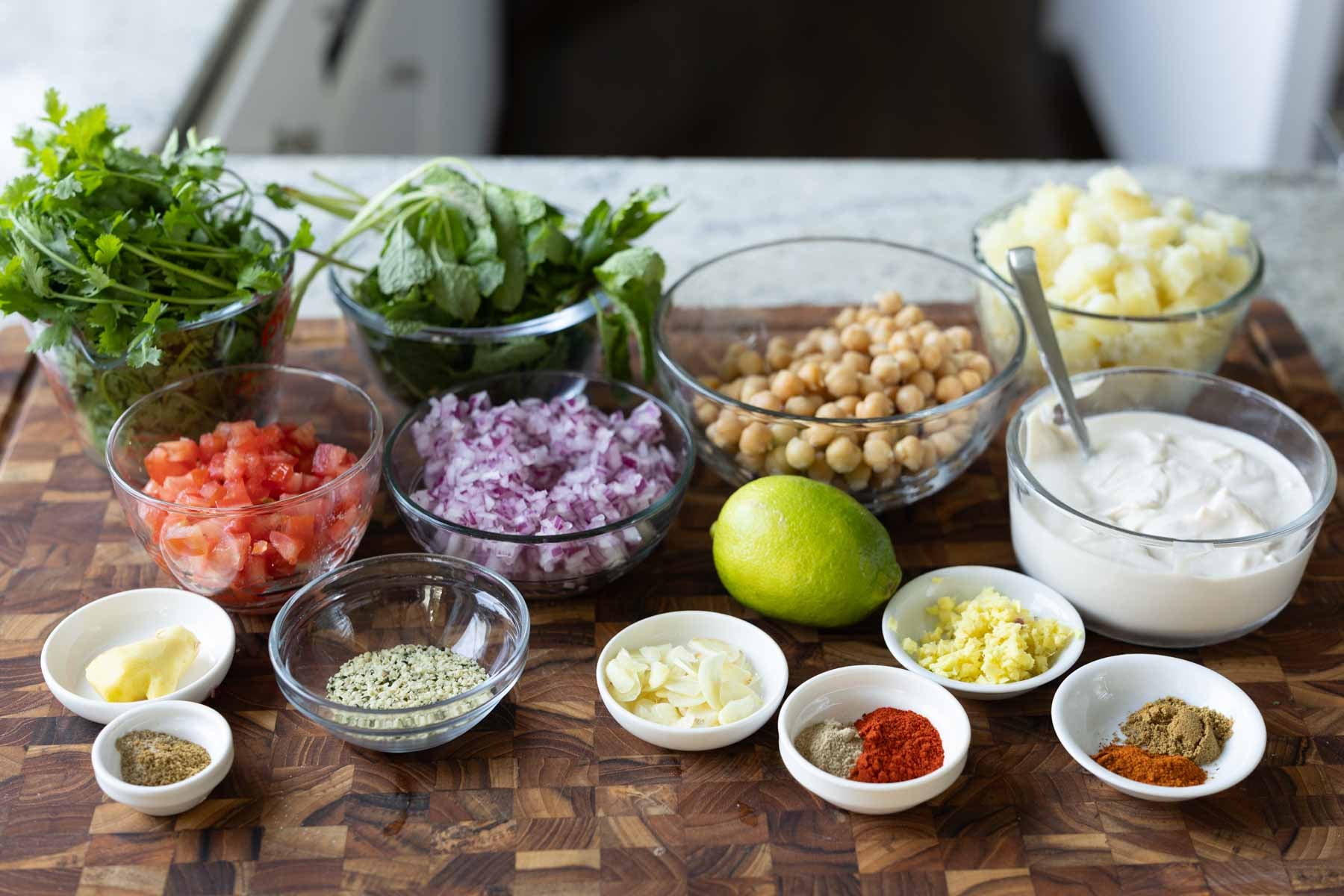
From an economic standpoint, the dish is exceptionally cost-effective. Potatoes, chickpeas, and basic aromatics are among the most affordable pantry staples, yet they offer a high-value culinary result. For budget-conscious hosts, this provides a "premium" experience without the high price point of imported meats or cheeses.
Conclusion and Future Outlook
The Samosa Chaat Platter serves as a case study in culinary innovation. By removing the pastry shell, the dish transitions from a heavy, single-serving item to a light, communal experience that emphasizes fresh vegetables and bold, complex spices. As hosts continue to seek out recipes that are inclusive of various dietary restrictions and easy to prepare in advance, the popularity of such deconstructed dishes is likely to persist.
Whether prepared with traditional tamarind chutney or a modern maple-lime reduction, the dish remains a testament to the versatility of Indian culinary techniques. It is a dish that does not merely serve as an appetizer but functions as a conversation piece, bridging the gap between historical culinary traditions and the modern demand for healthier, shareable, and environmentally conscious dining.