
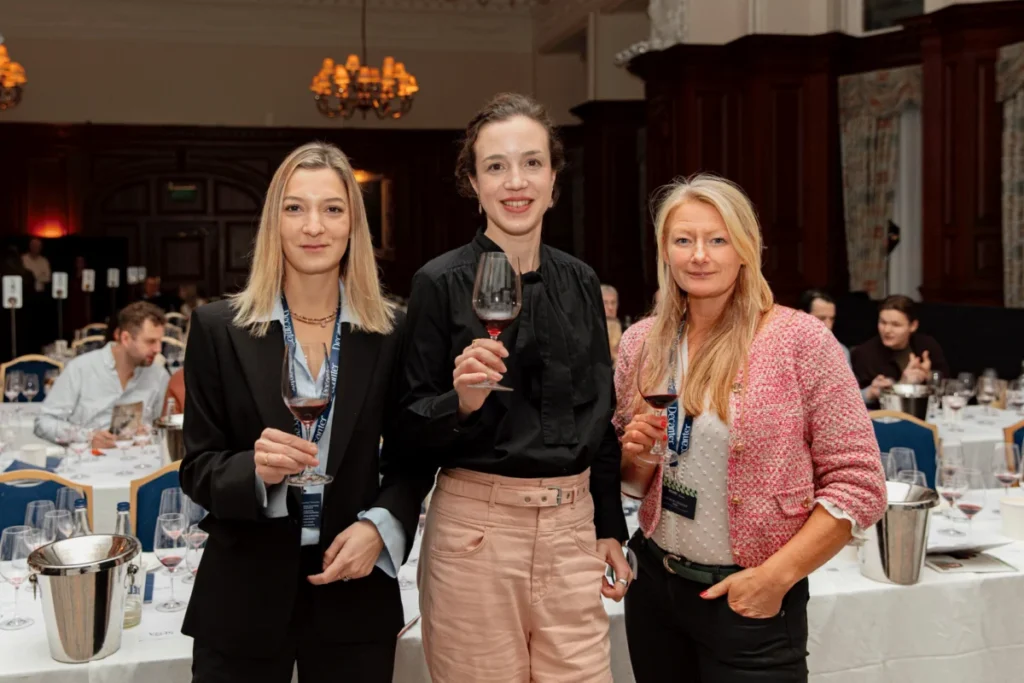
The Decanter Fine Wine Encounter has long served as the preeminent global stage for the world’s most distinguished vintners, and few estates have commanded as much attention at the event as Chile’s iconic Seña. Since the inception of the Decanter Fine Wine Encounter in 1997, the event has curated a series of masterclasses that bridge the gap between historic terroir and modern oenological precision. Among these, the retrospective tastings of Seña—the flagship Aconcagua Valley estate—stand as a benchmark for South American viticulture, illustrating an evolution from a pioneering cross-continental partnership to a self-sustaining emblem of Chilean luxury wine.
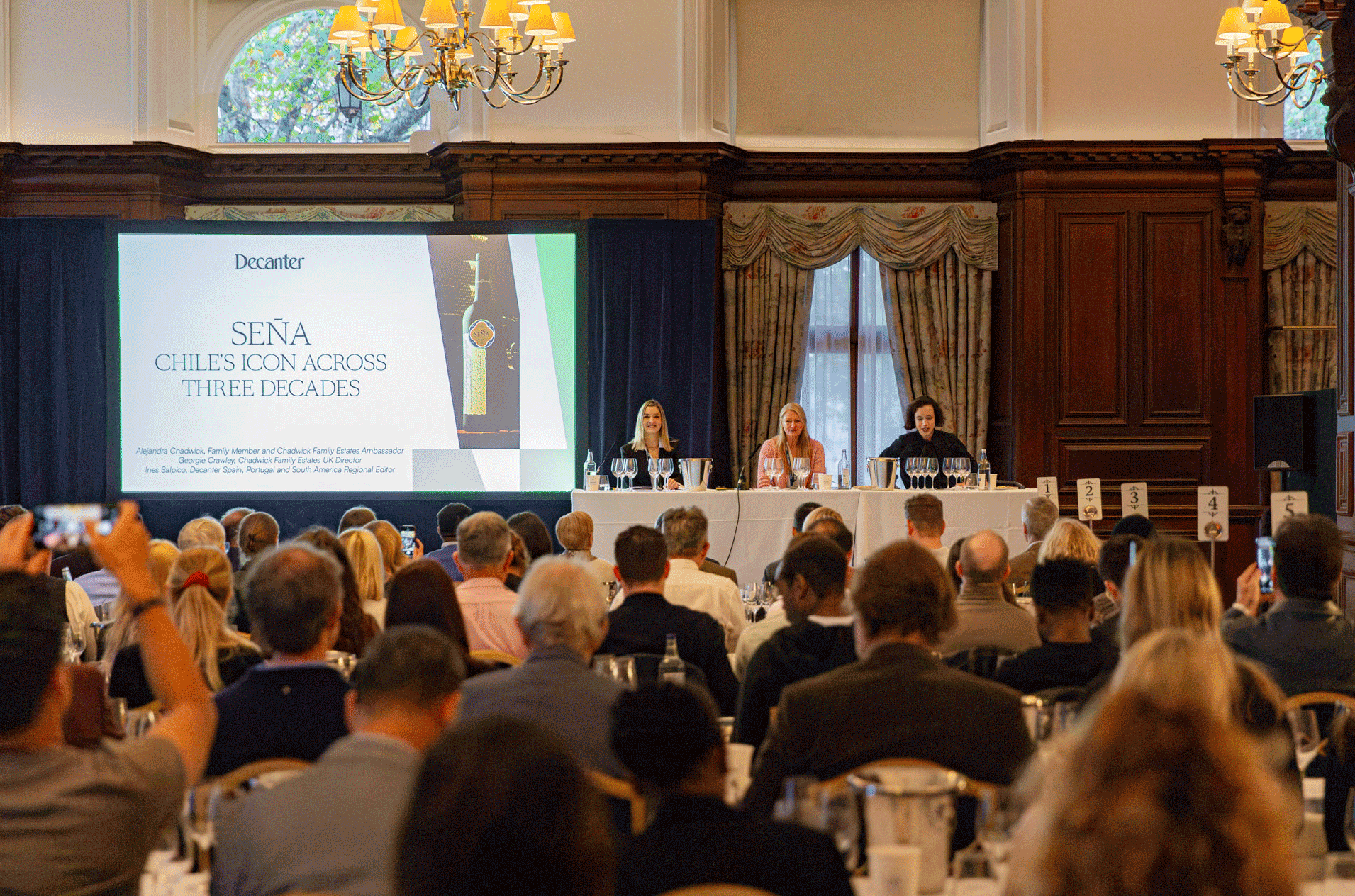
The Origins of a Visionary Partnership
The story of Seña is inextricably linked to the bold vision of Eduardo Chadwick of Viña Errázuriz and the legendary Robert Mondavi of Napa Valley. In the early 1990s, the duo identified the Aconcagua Valley as a site of immense, untapped potential, possessing the Mediterranean climate and alluvial soils necessary to produce a world-class Bordeaux-style blend. The inaugural 1995 vintage was more than a mere commercial release; it was a statement of intent that Chilean wine could compete with the First Growths of France and the cult classics of California.
By the time the Decanter Fine Wine Encounter began its tenure as a pillar of the London wine calendar, Seña was already established as the standard-bearer for the Chilean "Icon Wine" category. Over the subsequent decades, the estate transitioned from a collaborative project to a fully independent, biodynamic-focused venture. This shift toward estate-grown fruit, which culminated in the 2009 vintage, marked a turning point in the wine’s consistency and sense of place.
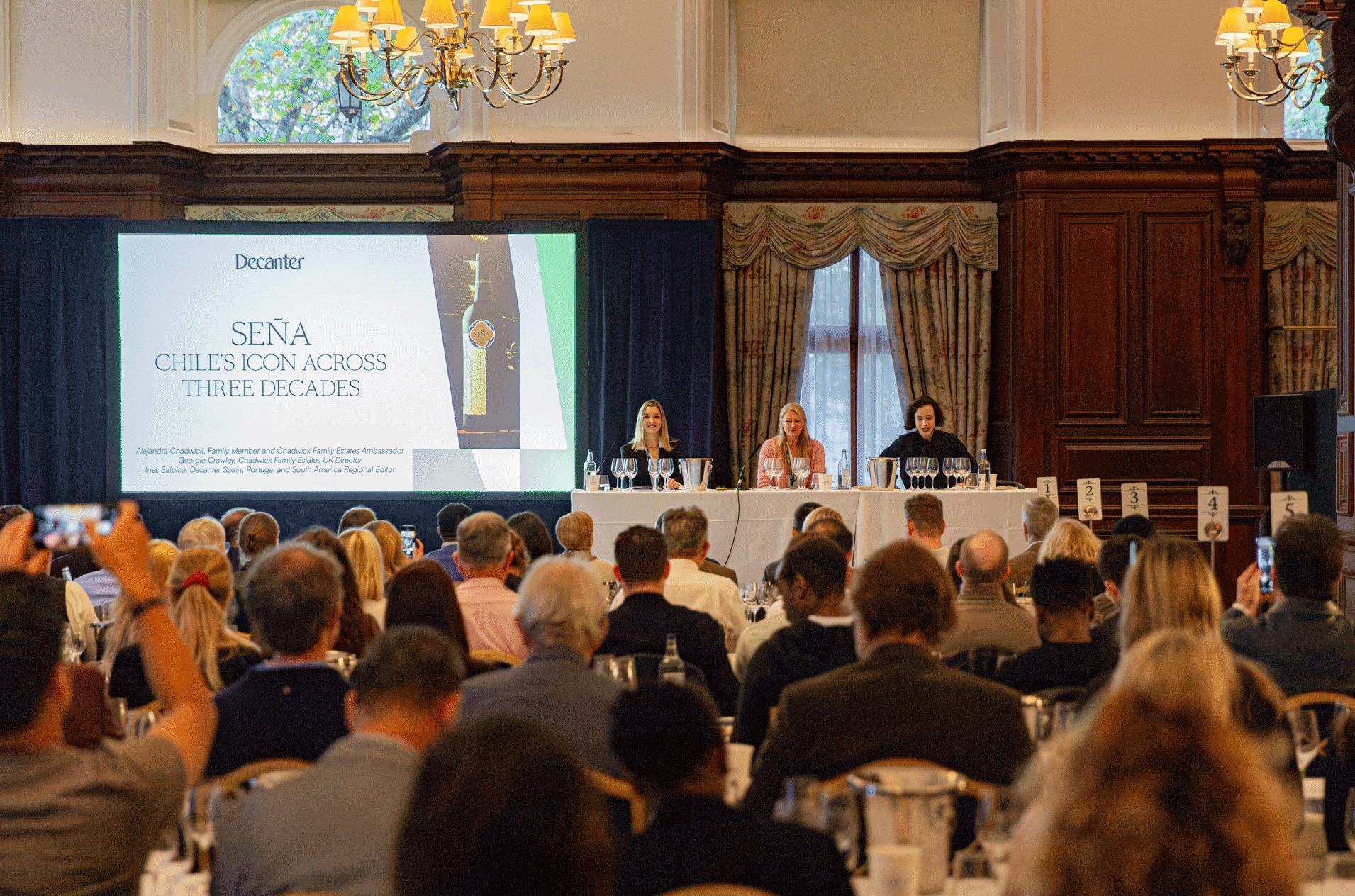
A Chronological Evolution of Style
A review of the Seña vertical tasting notes reveals a distinct stylistic trajectory. The late 1990s vintages, such as the 1998, are characterized by a brooding, tertiary complexity. These wines demonstrate the "old-school" approach to Aconcagua production, with deep profiles of cedar, tobacco, and dried florals. They serve as a testament to the longevity of the region’s Cabernet Sauvignon-dominant blends when handled with restraint.
As the estate entered the 2010s, the influence of more precise canopy management and a refined approach to extraction became evident. The 2012 vintage is widely cited by critics as a pivotal moment of "harmonic movement." With its 98-point rating, the 2012 displays a transition toward a more energetic, linear palate. The wine captures the delicate balance between the concentration of the Aconcagua Valley sun and the cooling influence of the Pacific Ocean breezes that funnel up the valley floor.
The 2013 and 2015 vintages further refined this signature, introducing a greater transparency of fruit. The 2015, in particular, highlights the role of the Mediterranean herbs—wild oregano, thyme, and blueberry leaf—that now act as a secondary aromatic layer, distinguishing Seña from its international counterparts. By the 2021 and 2024 vintages, the blend had settled into a consistent framework: approximately 60% Cabernet Sauvignon, with significant contributions from Malbec, Carmenère, and Petit Verdot. This blend provides a structural backbone while retaining the supple, velvet-like tannins that have become a hallmark of the estate.
Supporting Data: The Composition of Quality
The technical evolution of Seña is supported by rigorous viticultural data. Since 2005, the estate has implemented a strict biodynamic program. The move toward polyculture—incorporating animals for soil fertilization and maintaining corridors of native vegetation—has directly impacted the health of the vines and the complexity of the fruit.

Current production statistics indicate that the vineyard layout is divided into distinct blocks, each managed according to its specific soil composition, which ranges from rocky alluvial deposits to clay-loam. The 2024 vintage, a product of a balanced growing season, underscores the efficacy of these methods. With a blend of 60% Cabernet Sauvignon, 18% Malbec, 16% Carmenère, and 6% Petit Verdot, the wine achieves a level of physiological ripeness that does not sacrifice acidity or freshness, a common challenge in warmer viticultural zones.
Industry Impact and Market Positioning
The implications of the Seña vertical tastings at the Decanter Fine Wine Encounter extend beyond the reputation of a single estate. For the broader Chilean wine industry, Seña serves as a proof of concept. It has successfully shifted the perception of Chile from a source of high-volume, entry-level exports to a producer of investment-grade fine wine.

Market analysts note that the secondary market performance of Seña has mirrored its success on the tasting bench. Vintages from the last decade, particularly those that received critical acclaim at global masterclasses, have seen consistent appreciation. This is largely attributed to the transparency of the production process and the estate’s commitment to consistent, high-scoring quality. The "Decanter Premium" rating system, which frequently features these wines, has played a significant role in educating collectors on the aging potential of the Aconcagua terroir.
Official Perspectives on Terroir
Eduardo Chadwick has frequently spoken on the importance of the Decanter platform for the brand’s global trajectory. At past encounters, the estate has emphasized that Seña is not merely a "Chilean wine" but an expression of a specific microclimate. The reliance on the Aconcagua’s unique diurnal temperature variation—where daytime highs are tempered by coastal winds—is a recurring theme in the estate’s technical communications.
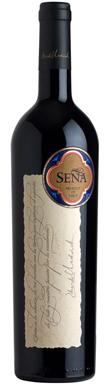
Furthermore, the integration of Carmenère into the blend has been a strategic masterstroke. While the grape was historically confused with Merlot, its resurgence in Chile as a flagship variety has provided Seña with a distinct aromatic profile that differentiates it from the Cabernet-heavy blends of Napa or the Left Bank of Bordeaux. The presence of these specific varieties adds a layer of spice and "green" energy that keeps the wines vibrant even after years of bottle aging.
Broader Implications for Fine Wine
The continued presence of Seña at major international forums signifies a maturation of the global wine market. Consumers are increasingly seeking wines that balance power with elegance, and the trajectory of Seña—from the heavy, extract-forward style of the late 90s to the nuanced, tension-filled wines of the 2020s—reflects a global shift in viticultural trends.

The success of these masterclasses also underscores the value of longitudinal studies in wine. By tasting three decades of production, attendees at the Decanter Fine Wine Encounter are able to discern the impact of climate change, the success of sustainable farming, and the influence of generational winemaking transitions.
As the estate looks toward the future, the focus remains on "laidback complexity"—a term often used to describe the wine’s ability to impress without the aggressive oak or over-ripeness that characterized the "Parker-era" of the early 2000s. With the 2024 vintage now entering the market, the legacy of Seña appears secure, firmly planted in the alluvial soils of the Aconcagua and bolstered by an unwavering commitment to the standards established nearly 30 years ago.

In conclusion, the history of Seña, as chronicled through the lens of the Decanter Fine Wine Encounter, is a quintessential study in ambition and adaptation. It provides a roadmap for how a premium estate can navigate the complexities of international trade, shifting consumer palates, and the environmental realities of modern agriculture while maintaining a distinct, recognizable identity. As the industry moves forward, the lessons derived from these masterclasses will undoubtedly continue to inform the production and appreciation of fine wine across the Southern Hemisphere.





0 Komentar
Sampaikan opini dan diskusi yang membangun dengan bahasa yang santun.
Belum Ada Komentar
Jadilah yang pertama memberikan tanggapan mengenai berita ini.