
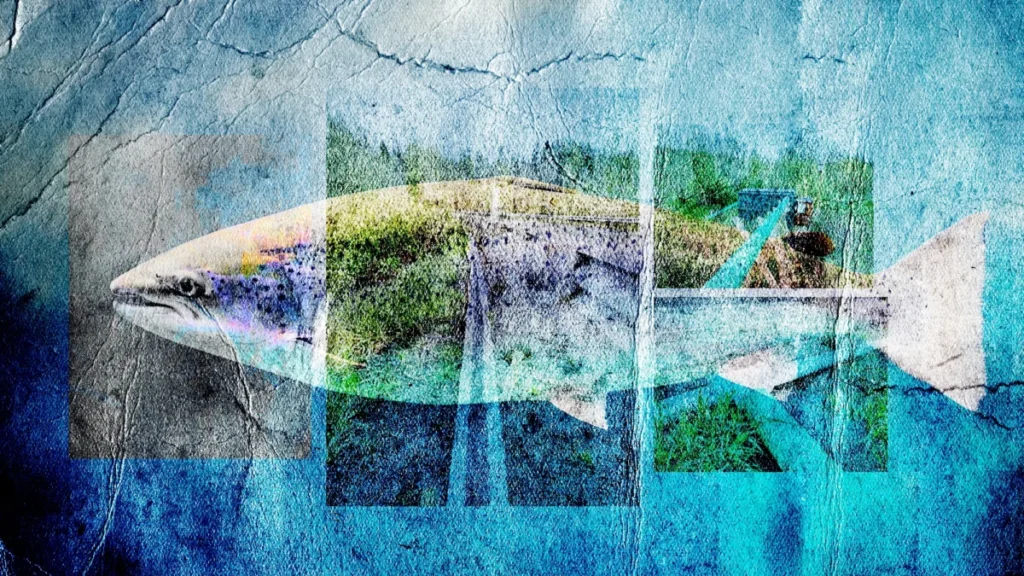
The Pacific Northwest is globally renowned for its mist-shrouded evergreen forests, dramatic coastlines, and pristine river networks that sustain some of the world’s most resilient wildlife. Yet, beneath the serene surface of this ecological paradise, a quiet chemical catastrophe unfolds with every rainstorm. As precipitation falls across the region’s vast network of roadways, it washes a hidden, highly toxic byproduct of modern transportation into local watersheds. This substance—an invisible additive designed to extend the lifespan of everyday automobile tires—acts as an immediate and lethal sentence for migrating coho salmon. In response, a coalition comprising Indigenous stewardship groups, academic researchers, and environmental nonprofits is racing against time to intercept the poison before it wipes out a foundational species of the regional ecosystem and economy.
The Intersection of Highway 7 and Ohop Creek
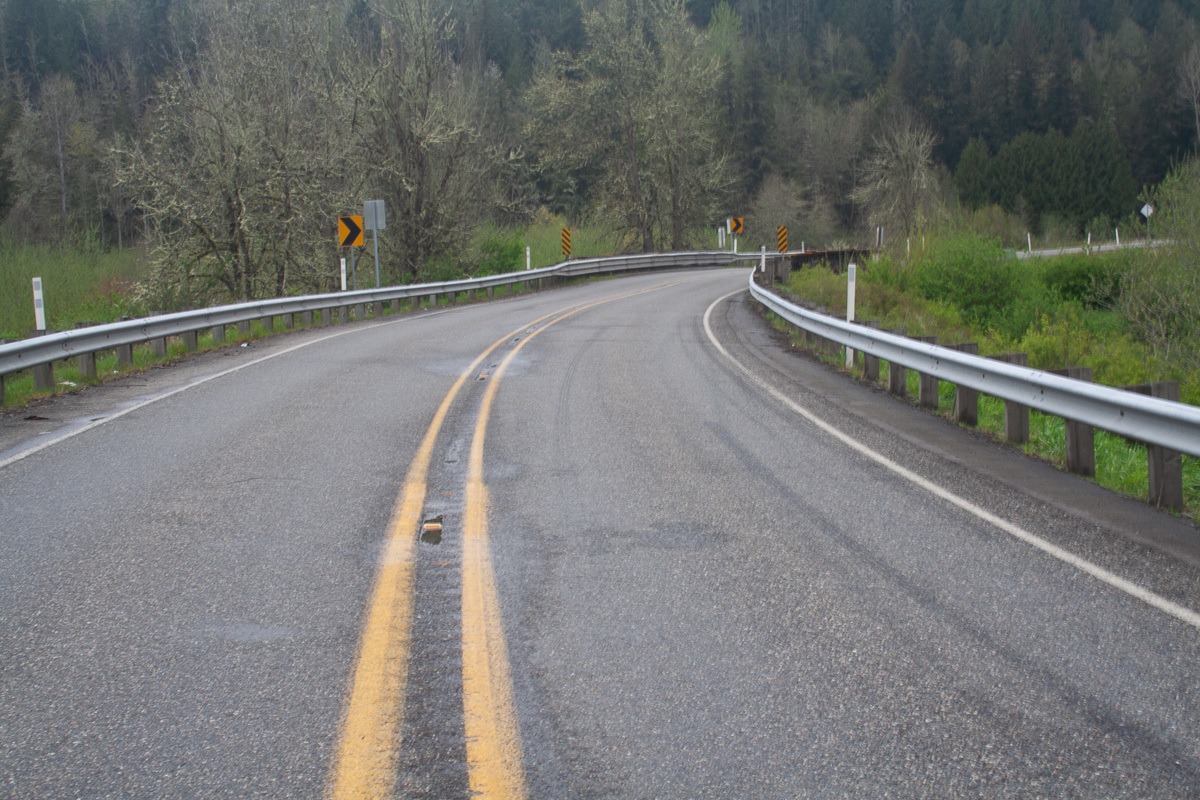
Running north-south through western Washington, Highway 7 cuts through a landscape where rural residences, small family farms, and dense woodlands converge. Where this two-lane corridor crosses Ohop Creek, it intersects with a vital regional spawning ground for coho salmon. During the earliest stages of their life cycle, juvenile coho inhabit these calm freshwater tributaries before beginning an arduous, multi-year migration to the open ocean.
This geography holds profound cultural and historical significance. The area is the ancestral homeland of the Nisqually Tribe, whose reservation spans over 5,000 acres nearby. For the Nisqually people, salmon is far more than a dietary staple; it is an intrinsic pillar of their identity, sovereignty, and cultural heritage. For decades, the Tribe’s Department of Natural Resources has spearheaded rigorous habitat restoration and conservation initiatives along Ohop Creek and throughout the watershed. However, in recent years, their most formidable adversary has shifted from traditional habitat destruction—such as logging and urbanization—to an insidious chemical pollutant generated simply by the mechanical friction of vehicles rolling over pavement.
Unmasking the Culprit: The Discovery of 6PPD-Quinone
The realization that everyday driving was systematically poisoning Pacific Northwest waterways represents a major milestone in modern environmental toxicology. For more than twenty years, fisheries biologists, municipal workers, and local residents had documented a baffling and deeply distressing phenomenon in urbanized watersheds near major metropolitan centers like Seattle and Tacoma. Every autumn, as adult coho salmon returned from the sea to spawn, large numbers of fish in urban streams would suddenly fall violently ill.
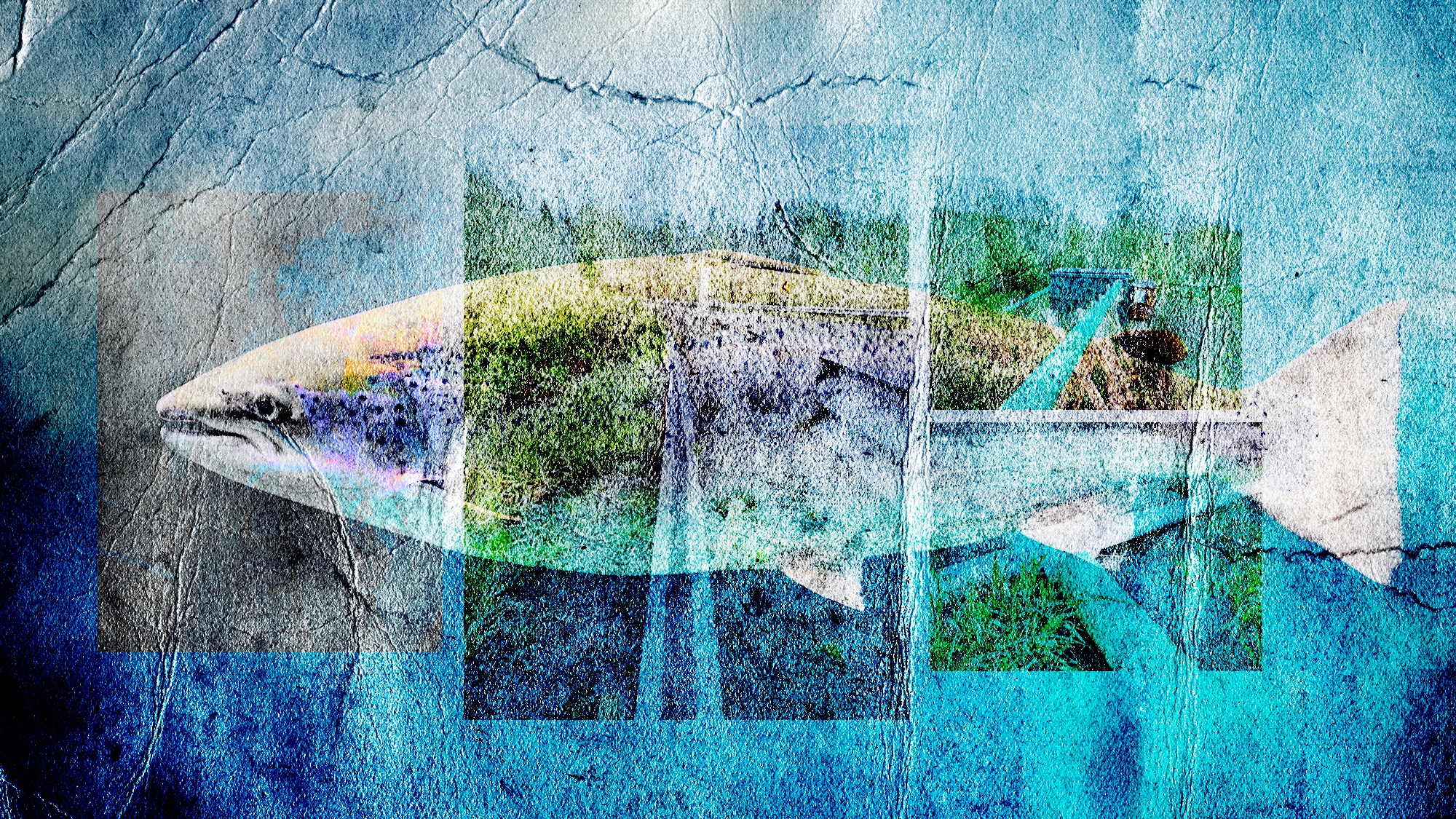
Witnesses described a horrifying sequence of events: returning salmon would become visibly disoriented, begin swimming in tight spirals reminiscent of severe intoxication, surface to gasp desperately for air, and perish within a matter of hours—often before they had a chance to deposit a single egg. These pre-spawn mortality events routinely wiped out up to 90 percent of returning coho populations in heavily urbanized creeks.
The breakthrough came in December 2020, when a team of researchers led by scientist Zhenyu Tian—then working at the University of Washington Tacoma’s Center for Urban Waters—published a landmark study in the journal Science. Utilizing cutting-edge high-resolution mass spectrometry, Tian’s team analyzed complex chemical mixtures in urban stormwater runoff to isolate the exact molecular compounds responsible for the fish kills.
The investigation pinpointed 6PPD-quinone, a transformation product created when 6PPD—a chemical antioxidant universally added to rubber tire compounds to prevent cracking and degradation from ozone exposure—reacts with ozone in the ambient air. As tires wear down on roadways, microscopic rubber particles containing 6PPD are left behind on the pavement. When seasonal rains arrive, stormwater runoff sweeps these particles off impermeable surfaces, chemically transforming them into 6PPD-quinone and washing the toxic brew directly into nearby aquatic habitats.
David Troutt, the natural resources director for the Nisqually Tribe, remembers the initial disclosure at a late 2020 Puget Sound Salmon Recovery Council meeting. For conservationists who had spent decades struggling against vague or multi-sourced pollution, identifying the exact chemical structure of the threat was both alarming and clarifying. It provided a concrete target for mitigation strategies.
The Mechanics of Urban Runoff and Ecological Vulnerability
The geographical and climatic conditions of the Pacific Northwest exacerbate the lethality of 6PPD-quinone. The region’s frequent rainfall, combined with extensive artificial paving associated with modern infrastructure, creates a high volume of impermeable surface runoff. As rainwater sheets across highways and parking lots, it accumulates not only tire wear particles but also heavy metals, petroleum hydrocarbons, and lawn fertilizers.
When this contaminated stormwater discharges directly into urban and semi-urban creeks, the concentration of 6PPD-quinone reaches lethal thresholds for sensitive aquatic species. Coho salmon appear uniquely vulnerable compared to other fish species, though ongoing research continues to evaluate the broader impacts on related salmonids and freshwater organisms.
The economic and ecological stakes are immense. In 2019 alone, commercial and recreational fisheries harvested approximately 27 million pounds of coho salmon for consumption across the United States. Beyond commercial value, these fish serve as a critical nutrient vector for terrestrial ecosystems, transporting marine-derived nitrogen and phosphorus upstream to nourish forests, bears, eagles, and countless other species.
Technological Intervention: Deploying Biofiltration Systems
Recognizing that a complete phase-out of 6PPD in global manufacturing will take years—if not decades—environmental stakeholders have realized that addressing the crisis requires a dual-pronged approach: source elimination combined with aggressive stormwater treatment. Even if manufacturers discovered a perfectly safe alternative to 6PPD immediately, legacy tire particles embedded in roadways and soils would continue leaching toxins into watersheds for another 15 to 20 years.
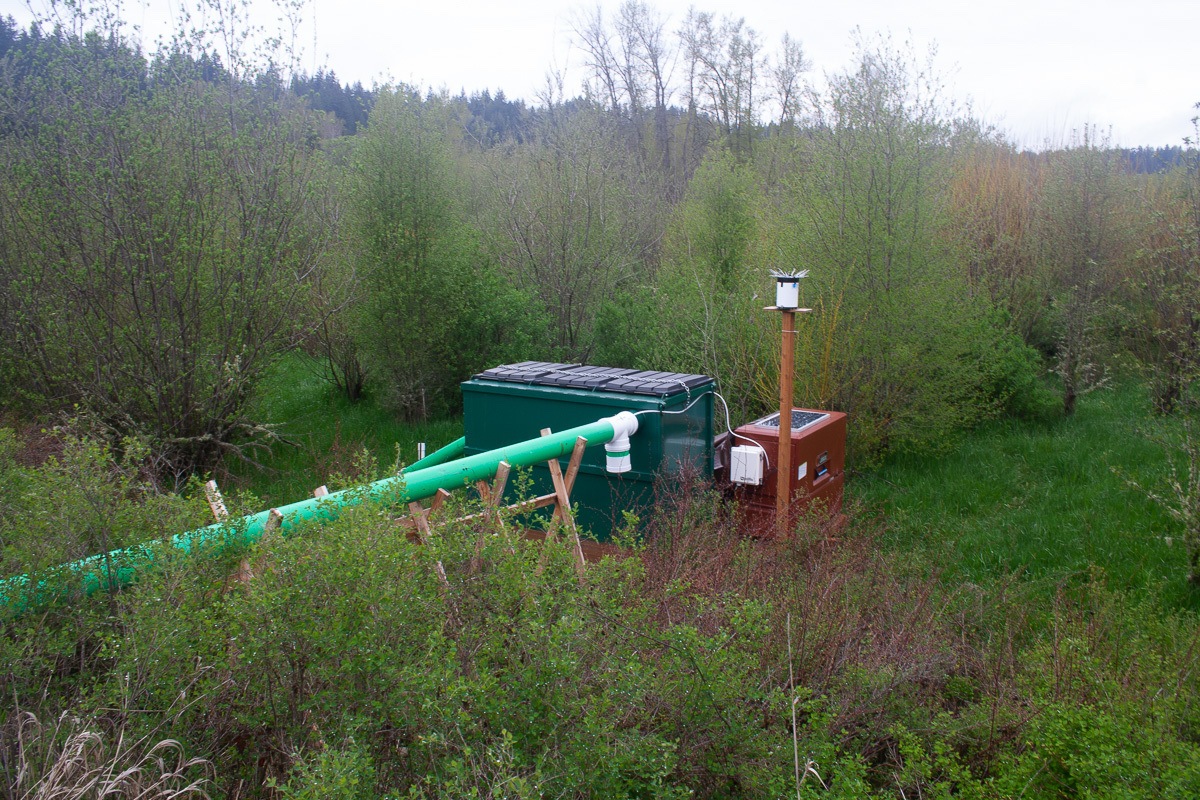
To bridge this critical gap, the Nisqually Tribe, in strategic partnership with the Seattle-based nonprofit Long Live the Kings, deployed a pioneering pilot biofiltration system along Highway 7 at Ohop Creek. Designed to capture and treat roadway runoff before it reaches the creek, the system diverts stormwater from the highway into a dumpster-sized containment unit. Inside this apparatus, the water percolates through a specialized filtration media composed of organic matter and sand, which strips out toxic contaminants, including 6PPD-quinone, before discharging the purified water back into the surface watershed.
The engineering of this mobile unit builds heavily on foundational research conducted by Jenifer McIntyre, an assistant professor at Washington State University and a leading voice in urban stormwater research. McIntyre previously collaborated with municipal leaders in Bellevue, Washington, and Cedar Grove Composting to test "BURitos"—Bioretention Urban Retrofits designed to enhance pollutant removal in stormwater retention ponds. These pilot projects demonstrated that engineered organic media can dramatically reduce the overall toxicity of urban runoff, providing a viable blueprint for scalable deployment.
Regulatory Pressure and Institutional Responses
The identification of 6PPD-quinone has catalyzed widespread regulatory and industrial engagement. In July 2021, Dr. McIntyre testified before the United States House of Representatives regarding the urgent threat posed by tire-derived chemicals to domestic fisheries. Concurrently, regional authorities, including the Washington State Department of Ecology, have intensified collaborative efforts with the U.S. Tire Manufacturers Association, municipal entities, and industrial facilities.
State regulators are actively evaluating future compliance frameworks under the National Pollutant Discharge Elimination System (NPDES), authorized by the federal Clean Water Act. These discussions explore how municipal stormwater permits can be updated to mandate advanced filtration technologies in high-risk zones where major roadways intersect with sensitive salmon habitats. Meanwhile, researchers are pressing forward to answer fundamental physiological questions: precisely how does 6PPD-quinone attack the coho body—is the primary failure in the neurological system, the cardiovascular network, or gill function? Furthermore, researchers are working to determine the broader toxicological profile of the chemical regarding other aquatic species and human health.
Broader Implications and the Path Forward
Back in the Nisqually valley, the experimental biofiltration unit along Highway 7 represents a hopeful first step in a much larger regional defense strategy. While these localized engineering solutions cannot single-handedly solve a global chemical pollution problem, local leaders view them as indispensable stopgap measures.
As monitoring data from the Ohop Creek pilot project accumulates, the Nisqually Department of Natural Resources plans to advocate for the widespread installation of similar green infrastructure wherever major transportation corridors cross vital spawning grounds. The ultimate vision combines aggressive regulatory mandates compelling chemical manufacturers to develop non-toxic tire additives with a modernized infrastructure of naturalized stormwater filtration. Only through this comprehensive, multi-tiered commitment can the Pacific Northwest hope to preserve its iconic salmon runs and protect the delicate ecological balance that defines the region’s natural heritage.







0 Komentar
Sampaikan opini dan diskusi yang membangun dengan bahasa yang santun.
No Comments Yet
Be the first to share your thoughts on this story.