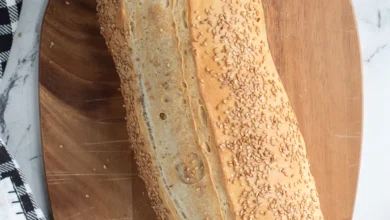
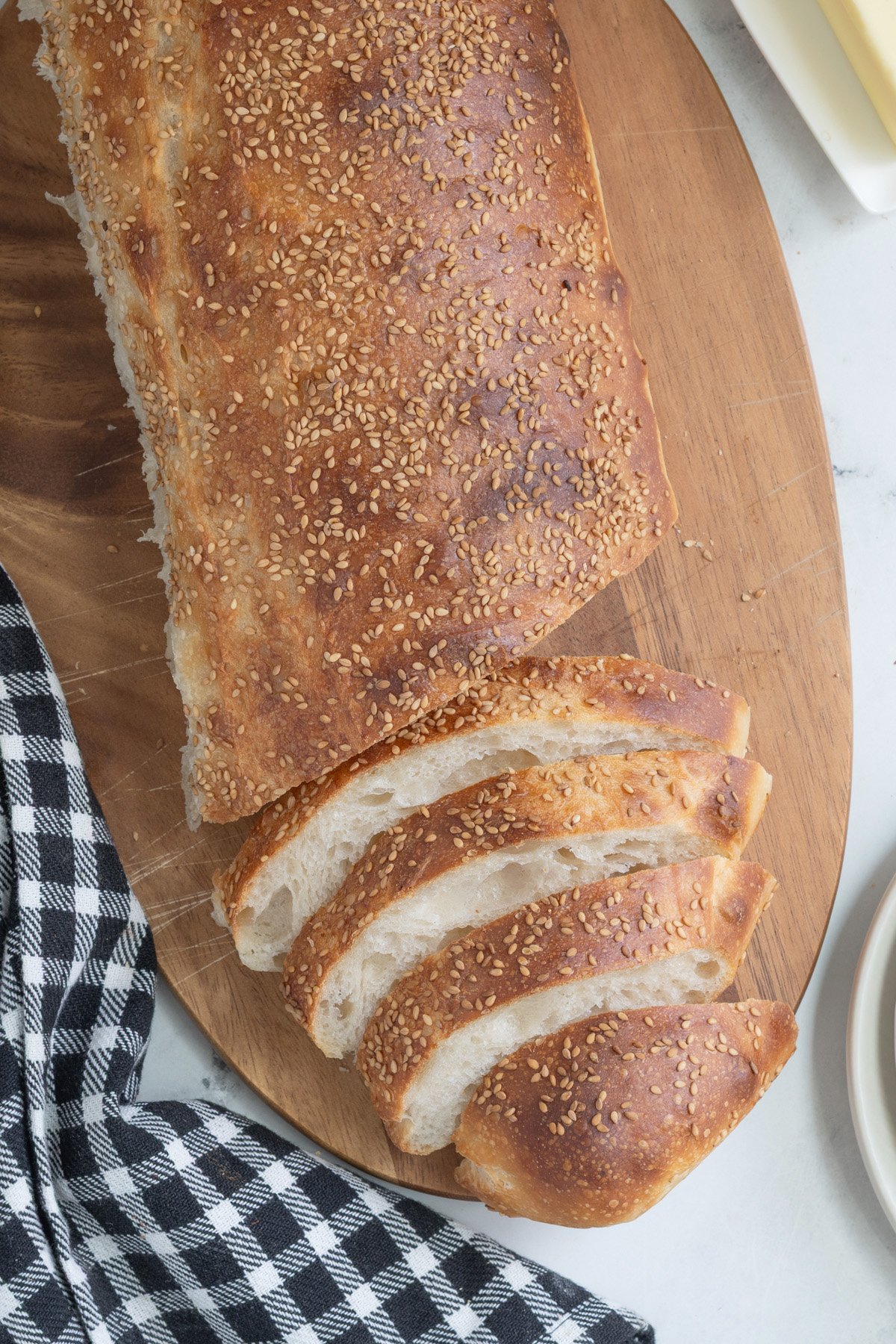
The art of traditional bread baking has seen a significant resurgence in recent years, with home bakers increasingly moving away from commercial instant yeasts toward the nuanced, complex profiles provided by sourdough starters. At the center of this movement is a specific, nostalgic iteration of the classic Italian torpedo loaf. Defined by its signature thin, crackly crust and a light, open crumb, this style of bread—historically a staple in the culinary landscape of central New Jersey—serves as a primary example of how patience and biological fermentation can elevate simple, pantry-staple ingredients into a superior artisanal product.
The Science of Long Fermentation
The transition from commercial leavening agents to wild yeast cultures is not merely a stylistic choice; it is a chemical process that fundamentally alters the composition of the loaf. When using a sourdough starter, bakers initiate a long-fermentation process that allows lactobacilli and wild yeasts to break down complex carbohydrates and proteins over an extended period.
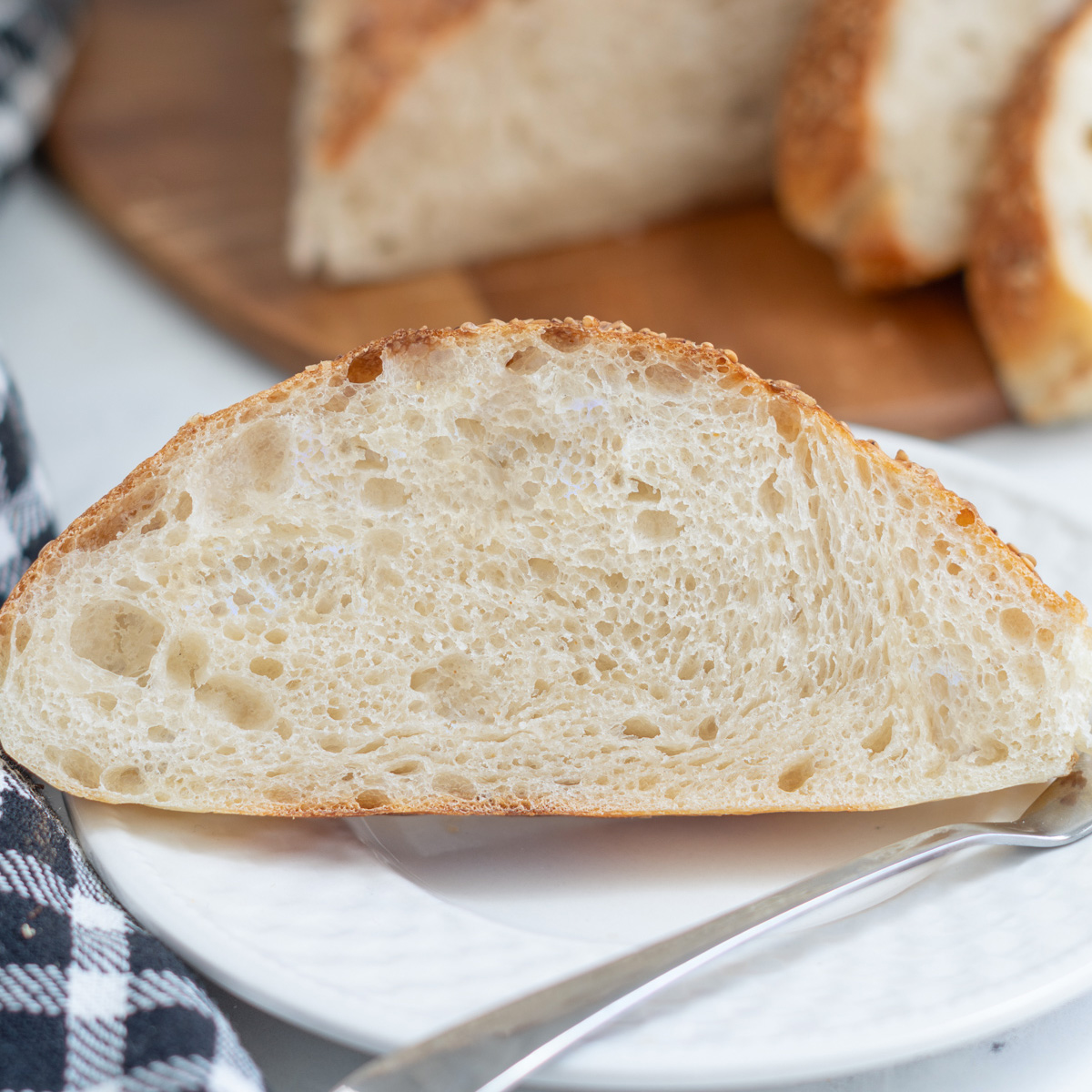
Data from the field of food science indicates that this prolonged fermentation significantly improves the digestibility of the bread. By breaking down gluten structures more thoroughly than rapid, chemically-induced rising, the dough becomes more manageable for the human digestive system. Furthermore, the byproduct of this fermentation is the production of organic acids, which impart the characteristic tangy flavor profile that distinguishes sourdough from standard yeasted loaves. The overnight cold fermentation phase, often utilized by professionals to manage production schedules, also serves a structural purpose by tightening the dough’s network, which leads to a more controlled rise and a more visually appealing, uniform crumb structure during the bake.
Historical Context and Regional Significance
The "torpedo" shape referenced in regional Italian-American baking is deeply tied to the migration patterns and culinary evolution of the mid-20th century. In areas such as central New Jersey, local bakeries established a standard for bread that required a delicate balance: enough structural integrity to hold a robust sandwich filling, such as roast pork or broccoli rabe, but a crust thin enough to shatter upon the first bite rather than pulling away from the crumb.
While modern mass-produced bread often relies on additives to maintain freshness, the sourdough Italian loaf utilizes the hydration levels and the acidity of the starter to naturally extend its shelf life. This creates a bread that is not only superior in taste when fresh from the oven but maintains its texture for sandwiches the following day—a hallmark of quality in traditional baking.
Chronology of the Baking Process
For the home baker or professional looking to replicate these results, the production cycle follows a disciplined, time-sensitive schedule. A standard batch, yielding two large loaves, requires a total commitment of approximately 14 hours.
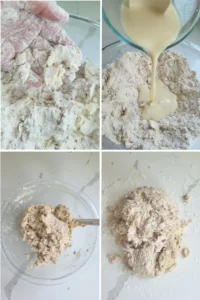
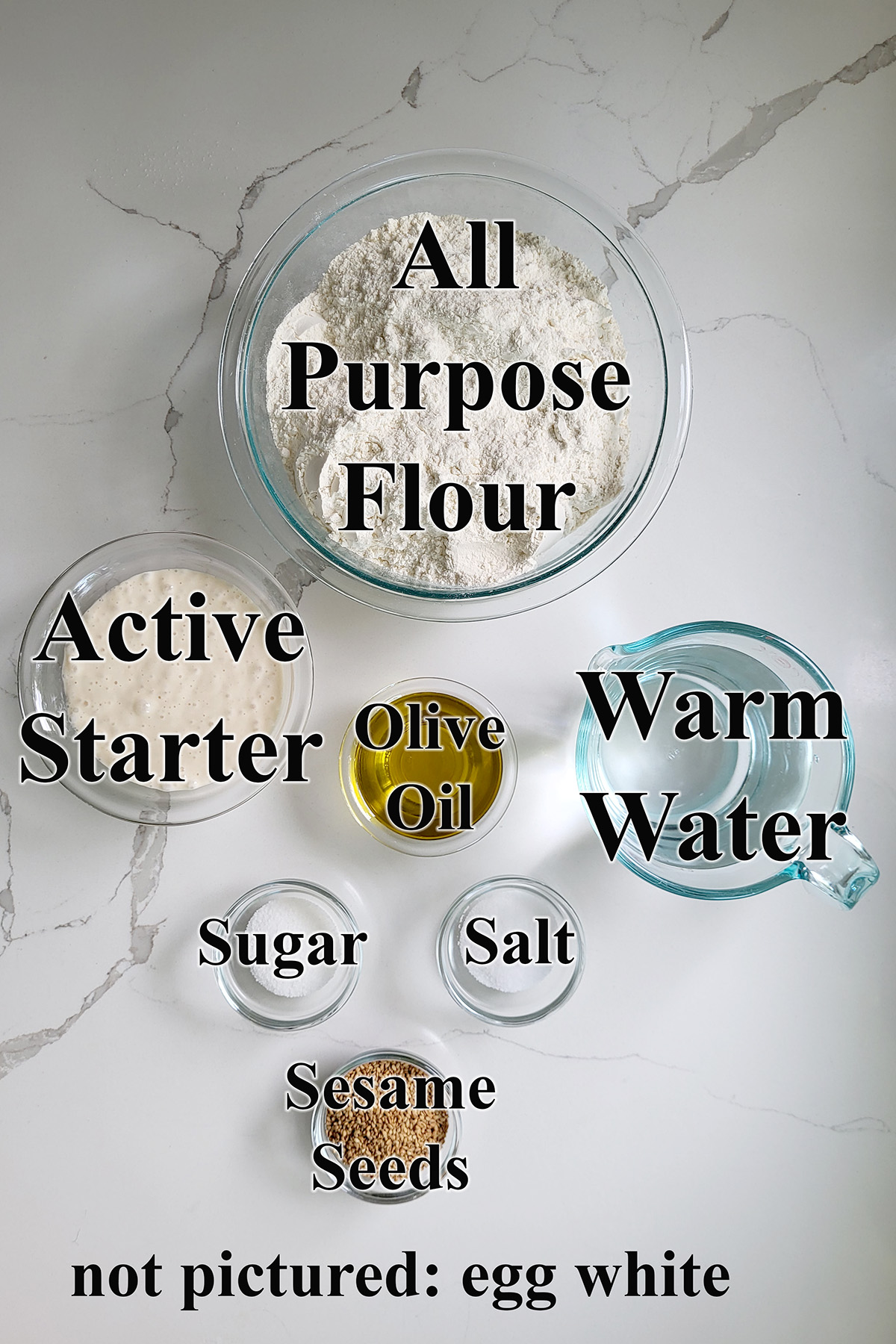
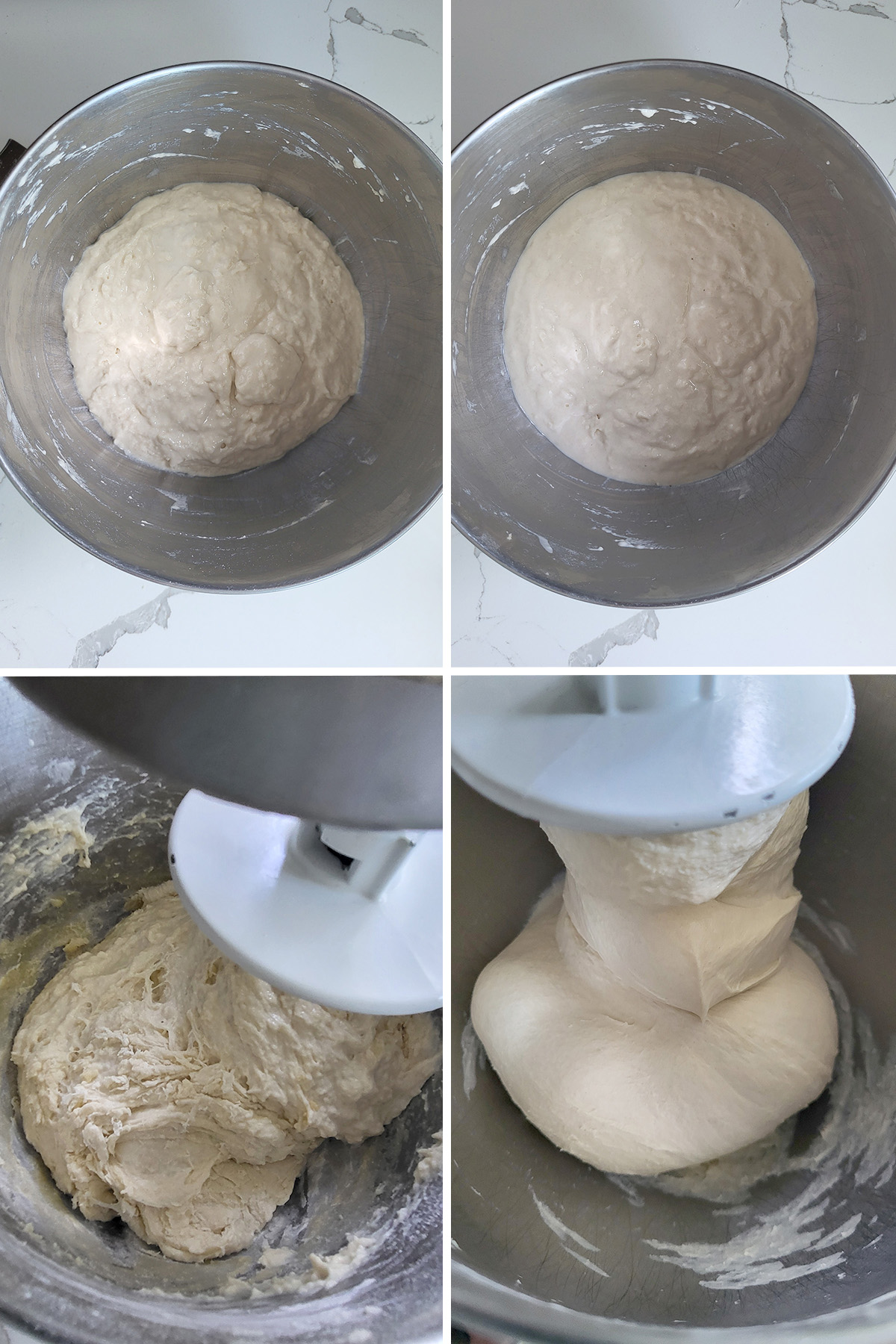
- The Mixing Stage (0–90 Minutes): The process begins with the integration of flour, water, salt, and active starter. Precision is paramount; industry experts advocate for the use of a digital scale rather than volume-based measurements to ensure the hydration levels remain consistent.
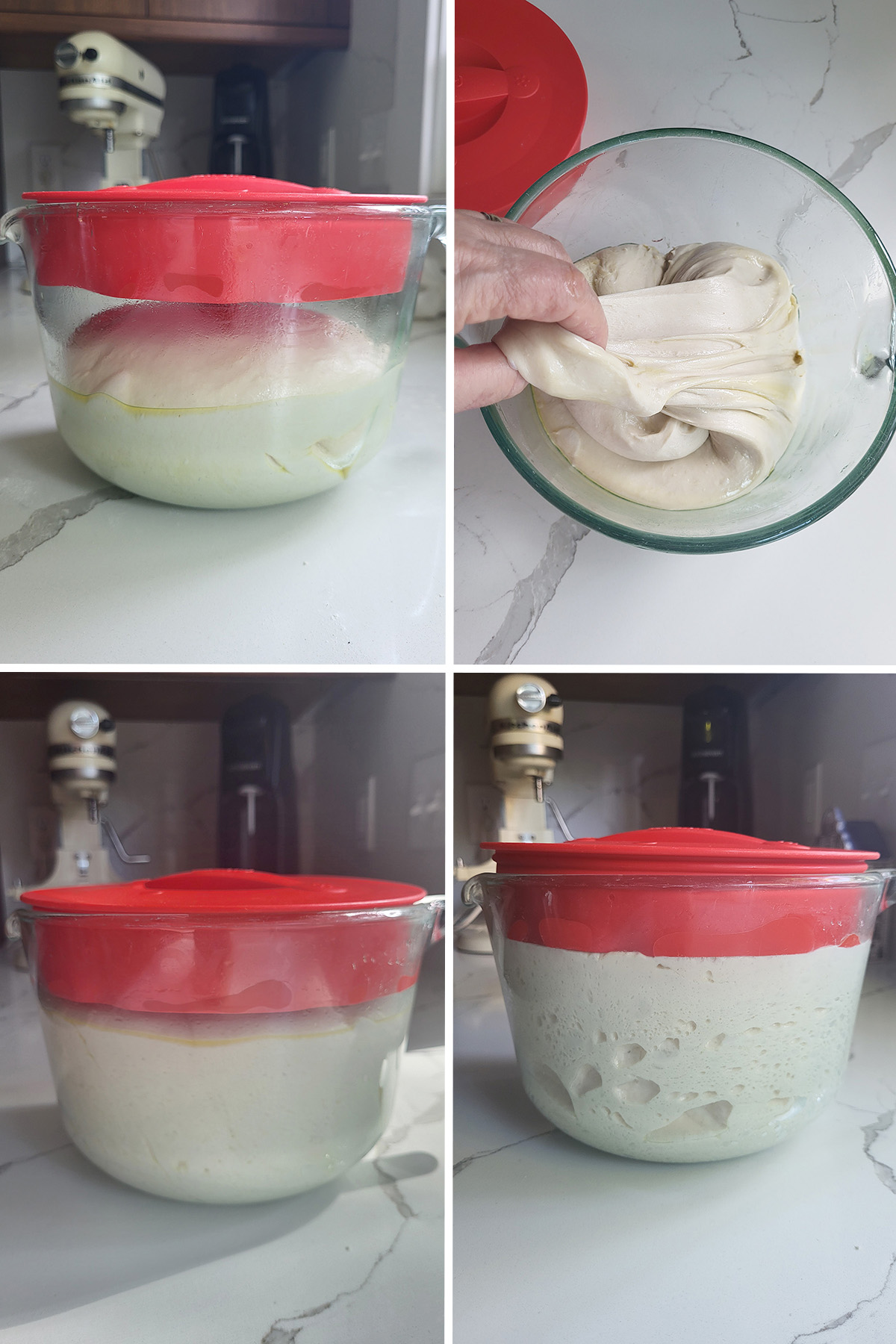
- Bulk Fermentation (12 Hours): This is the period of maximum metabolic activity for the yeast. The dough is allowed to rest, during which time it develops its structural foundation. This phase is typically conducted in a temperature-controlled environment to prevent over-proofing.
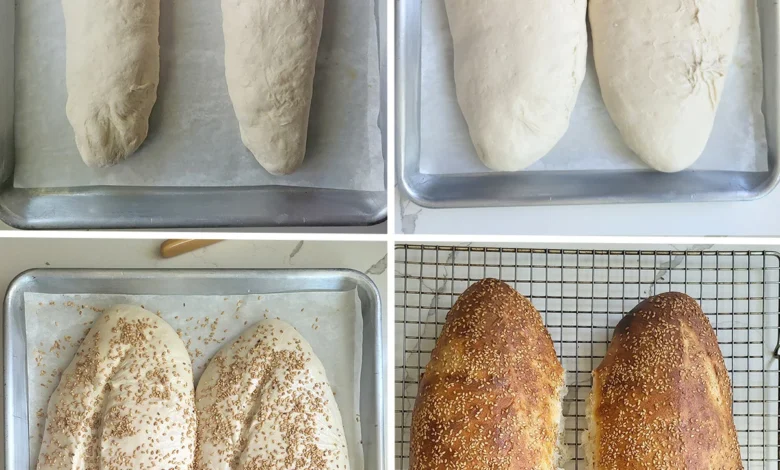
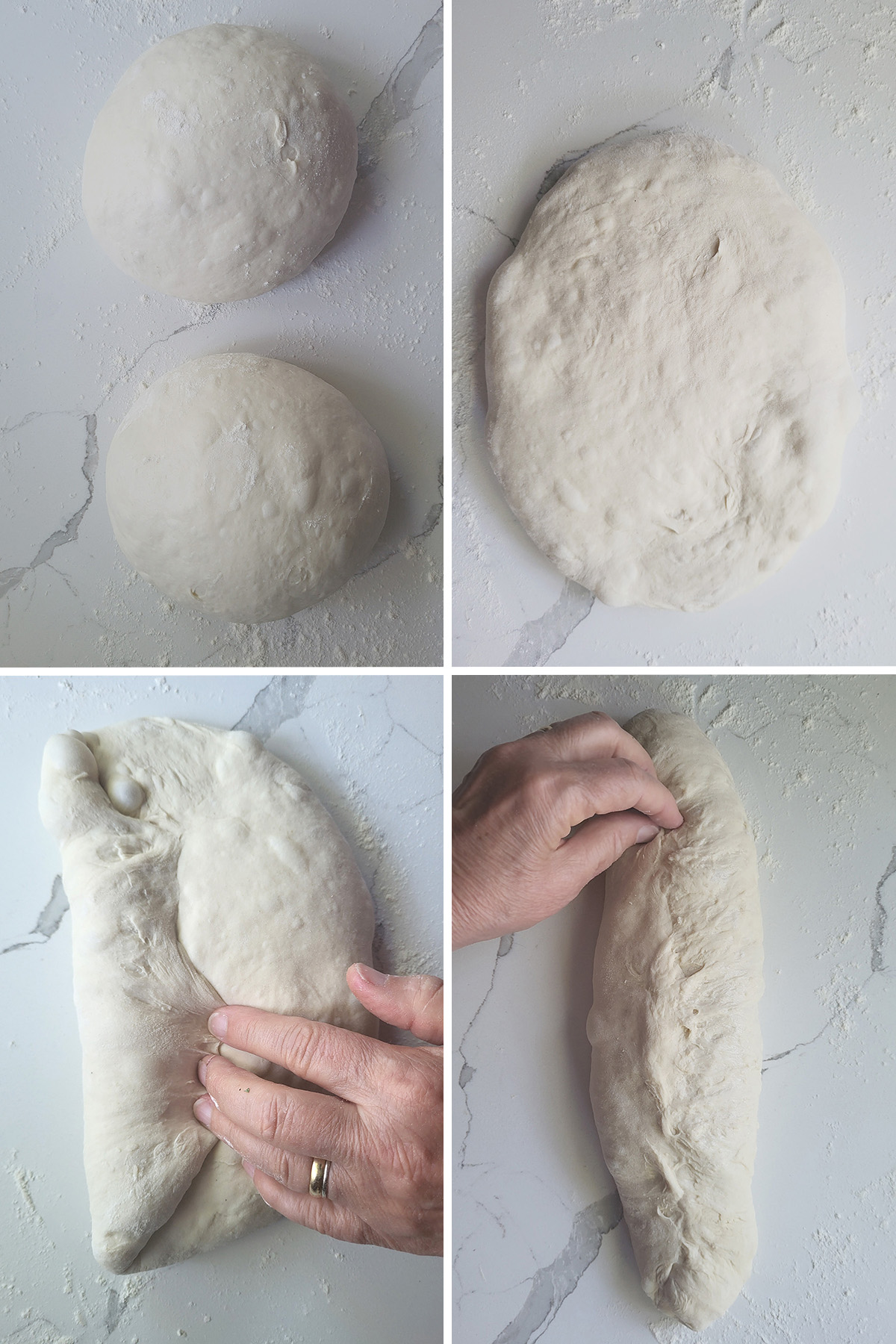
- Shaping (Intermediate): The dough is divided and shaped into the traditional torpedo form. This stage requires specific tactile techniques to build tension on the surface of the loaf, which ensures the bread expands upward rather than outward in the oven.
- Final Rise and Bake (3–4 Hours): The shaped loaves undergo a final proof, followed by a high-heat bake. The heat serves to shock the dough, causing "oven spring," while steam—often introduced via a Dutch oven or a steam-injected professional deck oven—ensures the crust remains thin and crisp rather than leathery.
Analytical Breakdown of Nutritional Profiles
While bread is often scrutinized in modern dietary discourse, the sourdough fermentation process provides a nutritional edge. A single serving—defined as one slice—contains approximately 104 kilocalories. The breakdown includes 19 grams of carbohydrates and 2 grams of protein.
Of note is the low sugar content, sitting at approximately 0.4 grams per slice, which stands in stark contrast to many commercially processed breads that utilize added sugars to speed up fermentation and add color. The iron content, measured at 1 mg per slice, reflects the mineral profile of the flour used. These metrics suggest that, when prepared via traditional methods, bread remains a viable component of a balanced diet, providing energy through complex carbohydrates without the glycemic spikes associated with heavily refined, processed alternatives.
Professional Guidance and Troubleshooting
For those entering the realm of sourdough, the barrier to entry remains the mastery of the "starter." Many baking schools now categorize the maintenance of a sourdough culture as a foundational skill. Experts emphasize that consistency in feeding schedules—the practice of refreshing the starter with fresh flour and water—is the single most important variable in achieving a predictable rise.
Common issues, such as a dense crumb or a lack of crust definition, are almost exclusively linked to either the maturity of the starter or the temperature of the fermentation environment. The "dip and sweep" method for measuring flour is frequently recommended for those who do not have access to a scale, as it prevents the over-packing of flour, which can lead to a dry, unappealing loaf.
Implications for Modern Home Baking
The continued popularity of sourdough, as evidenced by the high demand for specialized baking equipment and the proliferation of digital resources, suggests a shift in consumer behavior. Bakers are increasingly prioritizing the "slow food" movement, favoring processes that require engagement and understanding over convenience.
This shift has broader implications for the culinary industry. As home bakers become more sophisticated, the market for high-quality, heritage-grain flours and professional-grade baking tools has expanded. Furthermore, the knowledge transfer happening through online baking communities is effectively preserving techniques that were once reserved for professional artisan bakeries.
In summary, the sourdough Italian loaf is more than a recipe; it is a technical exercise in time management and biological control. By moving away from the "instant" culture of modern baking and returning to the methods of the past, bakers are not only securing a better-tasting loaf but are actively participating in the preservation of a craft that prioritizes quality, nutrition, and historical authenticity. Whether intended for a simple meal alongside a classic red gravy or as the structural foundation for a complex sandwich, the results of this disciplined approach serve as a testament to the enduring value of traditional culinary practices in a modernized world.