Easy Corned Beef and Cabbage: A Simple Guide to a Classic Dish
Easy corned beef and cabbage, a beloved classic, is a dish steeped in history and tradition. It’s a comforting meal that evokes memories of family gatherings and hearty feasts. This simple guide will walk you through the process of preparing this iconic dish, from the tender corned beef to the perfectly cooked cabbage.
While the dish might seem intimidating, it’s surprisingly easy to recreate at home. This guide will provide you with the tools and knowledge you need to prepare a delicious and satisfying meal that’s sure to impress your loved ones. Whether you’re a seasoned cook or just starting out, this recipe is perfect for anyone who wants to enjoy the rich flavors of corned beef and cabbage.
The History and Appeal of Corned Beef and Cabbage
Corned beef and cabbage, a hearty and flavorful dish, holds a special place in culinary history and cultural traditions, particularly in Ireland and among Irish-American communities. Its roots are deeply intertwined with Irish immigration and the resourceful use of readily available ingredients.The dish’s origins can be traced back to the 18th century, when Irish immigrants began arriving in large numbers to the United States, seeking better opportunities.
They brought with them their culinary traditions, including the art of preserving meat through salting, a practice that was essential for long journeys and storage. Corned beef, a preserved form of beef that was brined in salt and often spiced with other ingredients, became a staple in their diet.
The Preparation of Corned Beef and Cabbage
The traditional preparation of corned beef and cabbage involves slow-cooking a large piece of corned beef in water or broth, often with added vegetables like onions, carrots, and celery. This method allows the meat to become tender and flavorful. Cabbage, a readily available and affordable vegetable, is typically boiled separately or added to the pot during the final stages of cooking.
The Popularity and Variations of Corned Beef and Cabbage
Corned beef and cabbage is a beloved dish, especially during St. Patrick’s Day celebrations. Its popularity stems from its affordability, simplicity, and comforting flavors. The dish has also evolved over time, with variations emerging in different regions and cultures. Some popular variations include:
- Adding potatoes to the dish, creating a complete meal with starchy carbohydrates.
- Using different types of cabbage, such as savoy or red cabbage, for added flavor and color.
- Adding spices like bay leaves, black peppercorns, or cloves to enhance the flavor profile.
- Serving the dish with a variety of accompaniments, such as mustard, horseradish, or a dollop of sour cream.
Easy Corned Beef Preparation
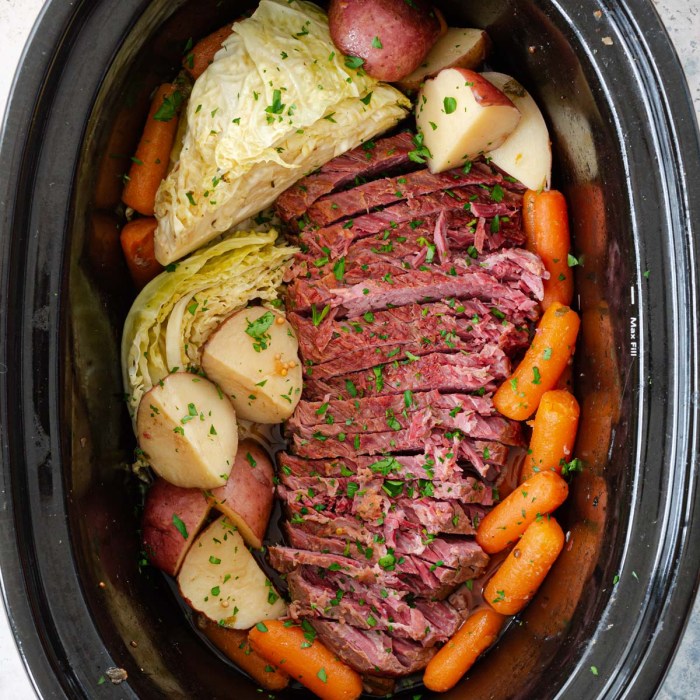
Making corned beef at home can be a delicious and rewarding experience, especially when you have a simple and reliable recipe to follow. This guide provides a straightforward approach to preparing corned beef, ensuring a tender and flavorful result.
Ingredients and Equipment
The ingredients and equipment required for preparing corned beef are readily available and easy to obtain. Here’s what you’ll need:
- Corned Beef Brisket:The star of the show, choose a brisket that is at least 3 pounds for a satisfying meal. Look for a brisket with a good fat cap for added flavor and moisture.
- Water:Enough to cover the brisket completely in a large pot.
- Pickling Spice:A blend of spices specifically designed for corned beef, typically includes coriander, mustard seed, cloves, allspice, and black peppercorns. You can find this pre-mixed at most grocery stores.
- Bay Leaf:Adds a subtle aroma and flavor to the corned beef.
- Garlic Cloves:Optional, but adds a lovely depth of flavor to the dish.
- Large Pot:A pot large enough to hold the brisket and enough water to cover it completely.
- Slow Cooker (Optional):A slow cooker can be used for a more hands-off cooking method, resulting in a more tender brisket.
Cooking Process
The cooking process involves simmering the corned beef in a flavorful broth until it is tender and cooked through. Here’s a step-by-step guide:
- Prepare the Brisket:Rinse the corned beef brisket under cold water and pat it dry with paper towels. Remove any excess fat or connective tissue if desired.
- Create the Broth:In a large pot, combine the water, pickling spice, bay leaf, and garlic cloves (if using). Bring the mixture to a boil over high heat, then reduce heat to a simmer.
- Simmer the Brisket:Add the corned beef brisket to the simmering broth, ensuring it is fully submerged. Cover the pot and reduce heat to low. Simmer for 3-4 hours, or until the brisket is tender enough to shred easily with a fork.
- Check for Doneness:After 3 hours, use a fork to pierce the thickest part of the brisket. If the fork slides in easily, the brisket is done. If not, continue simmering for another hour or until tender.
- Remove and Rest:Once cooked, carefully remove the brisket from the pot and place it on a cutting board. Allow it to rest for 15-20 minutes before slicing. This will allow the juices to redistribute and make for a more flavorful and tender final product.
Tips for Optimal Results
Here are some additional tips to ensure your corned beef is cooked to perfection:
- Use a Meat Thermometer:For added assurance, use a meat thermometer to check the internal temperature of the brisket. The ideal temperature is 190°F (88°C).
- Skim the Broth:As the brisket simmers, skim off any excess fat that rises to the surface. This will help to prevent the broth from becoming greasy.
- Slow Cooker Method:If using a slow cooker, follow the same instructions as above, but cook the brisket on low for 6-8 hours, or until tender.
- Save the Broth:Do not discard the flavorful broth after cooking. It can be used for making soups, stews, or sauces.
Cabbage Preparation
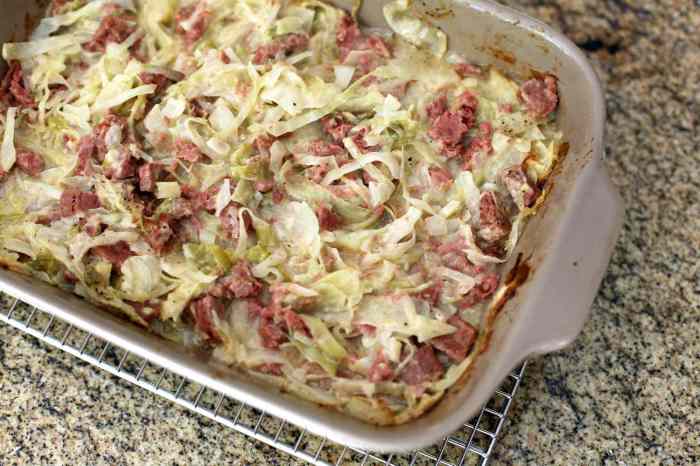
The cabbage, a versatile vegetable, plays a crucial role in the corned beef and cabbage tradition. It offers a refreshing contrast to the savory corned beef, adding a touch of sweetness and a satisfying crunch. There are various methods for preparing cabbage, each yielding distinct flavors and textures.
There’s something about the comforting aroma of simmering corned beef and cabbage that always brings back happy memories. It’s a dish that’s both hearty and nostalgic, perfect for a cozy evening meal. While I love the classic preparation, I’ve also been exploring other culinary traditions, like the vibrant flavors of eggplant caponata sicilian version.
The sweet and savory combination of eggplant, tomatoes, and capers is a delightful contrast to the rich, salty corned beef. Both dishes offer a unique taste of home, reminding me of the diverse culinary world we have at our fingertips.
Cabbage Preparation Methods
Different methods of preparing cabbage result in different textures and flavors.
- Boiling:This is a simple and straightforward method that produces a tender and slightly mushy cabbage. It’s a good option if you prefer a softer texture.
- Braising:Braising involves cooking the cabbage slowly in liquid, often with aromatics like onions, garlic, or herbs.
This method results in a more flavorful and tender cabbage.
- Roasting:Roasting the cabbage in the oven with a drizzle of oil and seasonings produces a caramelized and slightly crispy cabbage. This method is ideal for adding a touch of sweetness and a contrasting texture.
Flavorful Cabbage Side Dish Recipe
This recipe showcases a simple yet flavorful braised cabbage side dish that complements the corned beef perfectly.
Ingredients:
- 1 head of green cabbage, cored and chopped
- 1 tablespoon olive oil
- 1 medium onion, chopped
- 2 cloves garlic, minced
- 1 teaspoon caraway seeds
- 1/2 teaspoon salt
- 1/4 teaspoon black pepper
- 1/2 cup beef broth
Instructions:
- In a large pot or Dutch oven, heat the olive oil over medium heat. Add the onion and cook until softened, about 5 minutes.
- Add the garlic and caraway seeds, and cook for 1 minute more.
- Add the chopped cabbage, salt, and pepper, and stir to combine.
- Pour in the beef broth, bring to a simmer, cover, and cook for 30 minutes, or until the cabbage is tender.
- Serve hot alongside the corned beef.
Accompanying Dishes
A hearty meal like corned beef and cabbage begs for equally satisfying side dishes to complete the experience. These accompaniments should complement the rich flavors of the main course without overwhelming them.
Classic Side Dishes
Classic side dishes for corned beef and cabbage are often simple and straightforward, highlighting the flavors of the main meal.
- Boiled Potatoes:These are a staple side dish, providing a comforting and starchy base to balance the salty and savory corned beef. The simple preparation allows the natural potato flavor to shine, complementing the dish without competing with it.
- Carrots:Often cooked alongside the potatoes, carrots add a touch of sweetness and a vibrant color to the plate. Their mild flavor complements the corned beef and cabbage without being overpowering.
- Irish Soda Bread:This dense and slightly sweet bread is a traditional accompaniment to corned beef and cabbage. Its texture provides a satisfying contrast to the tender corned beef and cabbage, while its subtle sweetness balances the savory flavors.
Flavor Variations
For those seeking a more nuanced flavor profile, several variations can be incorporated into the classic side dishes.
- Roasted Root Vegetables:Roasting root vegetables like parsnips, turnips, or beets adds a smoky depth and sweetness to the meal. The caramelized edges provide a textural contrast to the tender corned beef and cabbage.
- Glazed Carrots:Adding a touch of honey or maple syrup to the carrots while they cook creates a sweet and tangy glaze that complements the savory corned beef.
- Colcannon:This Irish dish combines mashed potatoes with chopped kale or cabbage, adding a savory and earthy element to the meal. The creamy texture provides a contrast to the corned beef and cabbage.
Alternative Side Dishes
Beyond the traditional options, several alternative side dishes can enhance the corned beef and cabbage experience.
Sometimes I crave a hearty, comforting meal like corned beef and cabbage, but other times, I’m in the mood for something a bit more festive. That’s when I turn to a special Italian Easter pizza, like the one I found on this website , which features a unique blend of flavors and toppings.
But when I’m back in the mood for that classic Irish comfort food, corned beef and cabbage always hits the spot.
- Green Beans:Steamed or sautéed green beans add a fresh and crisp counterpoint to the hearty main course. Their subtle flavor complements the corned beef and cabbage without overpowering them.
- Cornbread:This sweet and crumbly bread offers a satisfying contrast to the savory corned beef and cabbage. Its buttery flavor complements the richness of the main course.
- Apple Sauce:A sweet and tart apple sauce provides a refreshing counterpoint to the salty and savory corned beef and cabbage. Its acidity helps cut through the richness of the meal.
Serving Suggestions
Corned beef and cabbage is a hearty and satisfying meal that can be served in a variety of ways. Whether you prefer a traditional approach or a more modern twist, there are plenty of options to suit your taste.
Serving Styles
Serving styles for corned beef and cabbage are influenced by personal preference and the occasion. Here are some popular options, along with appropriate serving sizes and plating suggestions:
| Serving Style | Description | Serving Size | Plating Suggestions |
|---|---|---|---|
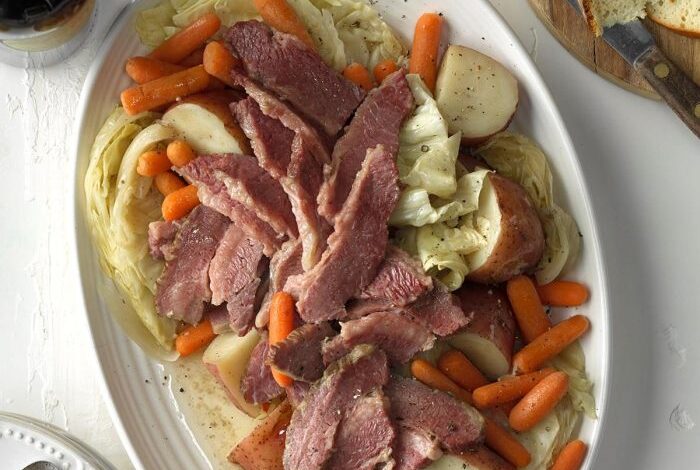
| Traditional | Corned beef and cabbage served on a plate, with a side of boiled potatoes and carrots. | 1/2 lb corned beef, 1/2 cup cabbage, 1/2 cup potatoes, 1/2 cup carrots per person | Arrange corned beef slices on a plate, with cabbage, potatoes, and carrots alongside. Garnish with fresh parsley or dill. |
| Family Style | Corned beef and cabbage served on a platter, with a variety of sides. | 1 lb corned beef, 1 lb cabbage, 1 lb potatoes, 1 lb carrots for 4-6 people | Serve the corned beef, cabbage, potatoes, and carrots on a large platter, with other sides like mustard, horseradish, and bread on the table. |
| Sandwich Style | Corned beef and cabbage served in a sandwich. | 4 oz corned beef, 1/4 cup cabbage, 2 slices of bread per sandwich | Use crusty bread for a classic sandwich. Layer corned beef, cabbage, and any desired toppings like mustard or horseradish. |
| Salad Style | Corned beef and cabbage served as a salad. | 4 oz corned beef, 1/4 cup cabbage, 1/4 cup mixed greens, 1/4 cup dressing per person | Shred the corned beef and cabbage, toss with mixed greens, and dress with your favorite vinaigrette. |
Variations and Adaptations
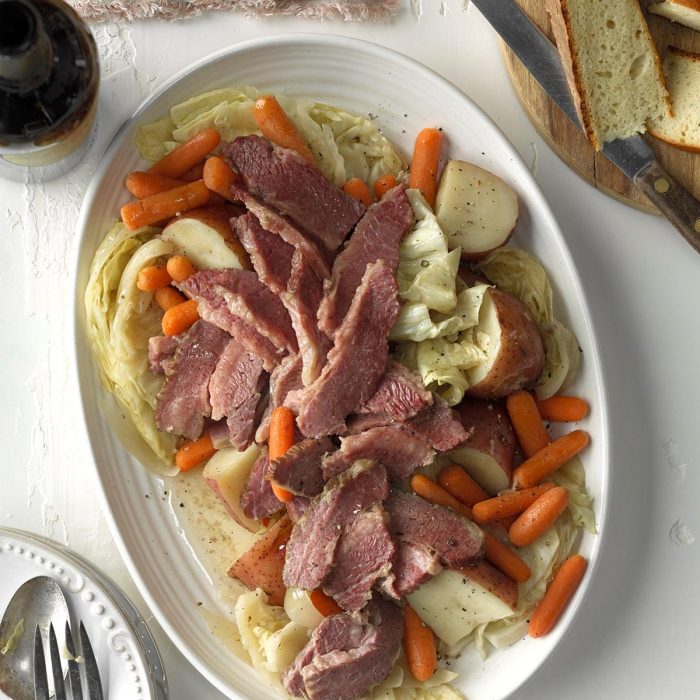
The classic corned beef and cabbage dish, while beloved, offers a canvas for culinary creativity. Beyond the traditional preparation, numerous variations and adaptations exist, allowing you to explore different flavors and cultural influences. These modifications often involve altering the cooking method, incorporating additional ingredients, or drawing inspiration from regional cuisines.
Flavor Variations
Adding different flavors to your corned beef and cabbage can transform the dish from a simple comfort food into a culinary masterpiece. Here are some ideas:
- Spiced Rub:A blend of spices like paprika, cumin, coriander, and garlic powder can be rubbed onto the corned beef before cooking, adding depth and complexity to the flavor.
- Citrus:A squeeze of lemon or orange juice during cooking can brighten the flavor and create a refreshing contrast to the savory corned beef.
- Herbs:Fresh herbs like thyme, bay leaves, and parsley can enhance the flavor profile. Consider adding a sprig or two to the pot during cooking.
- Mustard:A dollop of Dijon mustard or a spoonful of stone-ground mustard can add a tangy kick to the dish.
Ingredient Additions
While corned beef and cabbage are the core components, adding other ingredients can elevate the dish and create a more balanced meal.
Sometimes, after a hearty meal of easy corned beef and cabbage, you crave something lighter and brighter. That’s when I turn to a classic dessert, the best lemon tart ever , for a tangy and refreshing finish. The tart’s sharp citrus notes perfectly balance the richness of the corned beef, leaving you feeling satisfied and ready for a cozy evening.
- Root Vegetables:Carrots, potatoes, and turnips add sweetness and texture. They can be added to the pot with the corned beef and cabbage.
- Other Vegetables:Consider adding Brussels sprouts, parsnips, or even kale for a more diverse and flavorful dish.
- Beans:A cup of dried beans, like pinto beans or kidney beans, can be added to the pot during cooking, providing a hearty and protein-rich element.
- Sausages:For a heartier meal, add smoked sausage or kielbasa to the pot. The sausage will impart a smoky flavor and richness to the dish.
Regional Variations
Different regions have their own unique variations on the corned beef and cabbage dish, often reflecting local culinary traditions and ingredients.
- New England:In New England, the dish is often served with boiled potatoes and a side of baked beans, a classic combination representing the region’s culinary heritage.
- Irish:In Ireland, the dish might include a side of mashed potatoes and a drizzle of Irish butter, highlighting the country’s culinary roots.
- Eastern European:Eastern European variations may include sauerkraut or other fermented cabbage dishes, reflecting the region’s culinary influences.
Nutritional Value: Easy Corned Beef And Cabbage
Corned beef and cabbage, a classic Irish-American dish, offers a unique combination of flavors and textures. While it’s undeniably delicious, it’s also essential to consider its nutritional content to make informed choices about its consumption. Let’s delve into the vitamins, minerals, and macronutrients present in this dish and explore its potential health benefits and considerations.
Macronutrient Breakdown
The macronutrient composition of corned beef and cabbage primarily depends on the specific ingredients used and their proportions. Generally, corned beef provides a significant source of protein, while cabbage contributes dietary fiber and some carbohydrates.
- Protein:Corned beef is a good source of protein, providing approximately 25 grams per 3-ounce serving. Protein is essential for building and repairing tissues, producing enzymes and hormones, and maintaining a healthy immune system.
- Fat:Corned beef is relatively high in fat, particularly saturated fat. It’s important to consume it in moderation as excessive saturated fat intake can contribute to heart disease.
- Carbohydrates:Cabbage provides a modest amount of carbohydrates, primarily in the form of fiber. Fiber is crucial for digestive health, regulating blood sugar levels, and promoting satiety.
Vitamins and Minerals
Corned beef and cabbage offer a range of vitamins and minerals, although the specific amounts can vary based on the ingredients and preparation methods.
- Vitamin C:Cabbage is an excellent source of vitamin C, an antioxidant that supports immune function, collagen production, and wound healing.
- Vitamin K:Cabbage also provides vitamin K, essential for blood clotting and bone health.
- Iron:Corned beef is a good source of iron, a mineral crucial for red blood cell production and oxygen transport throughout the body.
- Sodium:Corned beef is high in sodium due to the curing process. Excessive sodium intake can contribute to high blood pressure, so moderation is key.
Health Benefits and Considerations
While corned beef and cabbage can be part of a balanced diet, it’s important to consider its potential health benefits and considerations:
- Protein Source:Corned beef provides a good source of protein, essential for maintaining muscle mass and overall health.
- Fiber Content:Cabbage contributes dietary fiber, promoting digestive health and regulating blood sugar levels.
- Sodium Content:The high sodium content in corned beef can be a concern for individuals with high blood pressure or those on a low-sodium diet.
- Saturated Fat:Corned beef is relatively high in saturated fat, which can contribute to heart disease if consumed in excess.
It’s essential to enjoy corned beef and cabbage in moderation as part of a balanced diet. Consider incorporating other lean protein sources, increasing your intake of fruits and vegetables, and limiting your consumption of saturated fat and sodium.
Conclusion
This exploration of corned beef and cabbage has revealed a dish rich in history, versatility, and flavor. From its humble beginnings to its enduring popularity, this classic meal has captured hearts and palates for generations. We’ve delved into the origins of corned beef and its journey to the American table, exploring the cultural and culinary significance that makes this dish so beloved.
We’ve also discovered that preparing corned beef and cabbage can be remarkably easy and accessible, even for novice cooks. By simplifying the process, we’ve opened the door to a world of culinary possibilities, encouraging you to experiment with variations and create your own unique versions of this classic dish.
The Importance of Easy and Accessible Recipes, Easy corned beef and cabbage
The beauty of corned beef and cabbage lies in its simplicity. It’s a dish that can be prepared with minimal effort, making it an ideal choice for busy weeknights or casual gatherings. The simplicity of the recipe allows for experimentation and personalization, enabling you to tailor the dish to your own preferences and dietary needs.
Easy and accessible recipes are the foundation of home cooking, allowing us to create delicious meals without needing to be professional chefs.
By sharing this recipe, we aim to inspire you to embrace the joy of cooking and discover the satisfaction of creating a comforting and flavorful meal from scratch.