
The global landscape of wine education has undergone a fundamental transformation, shifting rapidly from traditional, in-person classroom settings to dynamic digital platforms. Whether industry professionals seek to elevate their credentials for career advancement, or passionate enthusiasts wish to refine their palates from the comfort of home, virtual learning has democratized access to world-class oenology instruction. Modern online wine courses now span a vast spectrum, ranging from self-directed free video archives and casual introductory modules to rigorous, college-level certification programs backed by international governing bodies.

Background Context and the Digital Shift in Wine Education
Historically, acquiring a recognized wine credential required physical attendance at specialized academies, culinary institutes, or dedicated tasting rooms, often concentrated in major metropolitan areas or established viticultural regions. This physical barrier limited access for rural enthusiasts and working professionals whose schedules or geographic locations precluded regular classroom attendance.
Over the past decade, and accelerated heavily by broader shifts in digital education infrastructure, leading wine communicators, Masters of Wine, and Master Sommeliers have migrated their expertise online. This evolution has addressed a significant market demand: the desire for flexible, self-paced learning combined with professional-grade content. Today’s digital curriculum developers utilize high-definition video production, live-streamed webinars, interactive peer tasting groups, and shipped tasting kits to bridge the gap between virtual instruction and sensory evaluation.
Categorizing the Landscape: Free Versus Paid Learning Models
Prospective students generally navigate two primary educational pathways when exploring digital wine curricula: complimentary resources and structured, fee-based certification programs. Each model serves distinct learning objectives, budget constraints, and career trajectories.
Free online wine learning relies heavily on curated video libraries hosted on platforms like YouTube. While high in educational quality—often sourced from respected institutions such as GuildSomm, the Wine and Spirit Education Trust (WSET), and Wine Folly—these resources are inherently patchwork. To address this fragmentation, educational platforms frequently organize content into structured playlists covering general wine theory, restaurant service protocols, and palate-training "taste-alongs."
Conversely, paid online courses provide structured syllabi, comprehensive study materials, direct instructor support, progress tracking, and formal credentials. Industry data indicates that structured paid programs yield higher completion rates and better knowledge retention, largely due to financial investment and formalized accountability frameworks.
Curated Free Resources: Theory, Service, and Etiquette
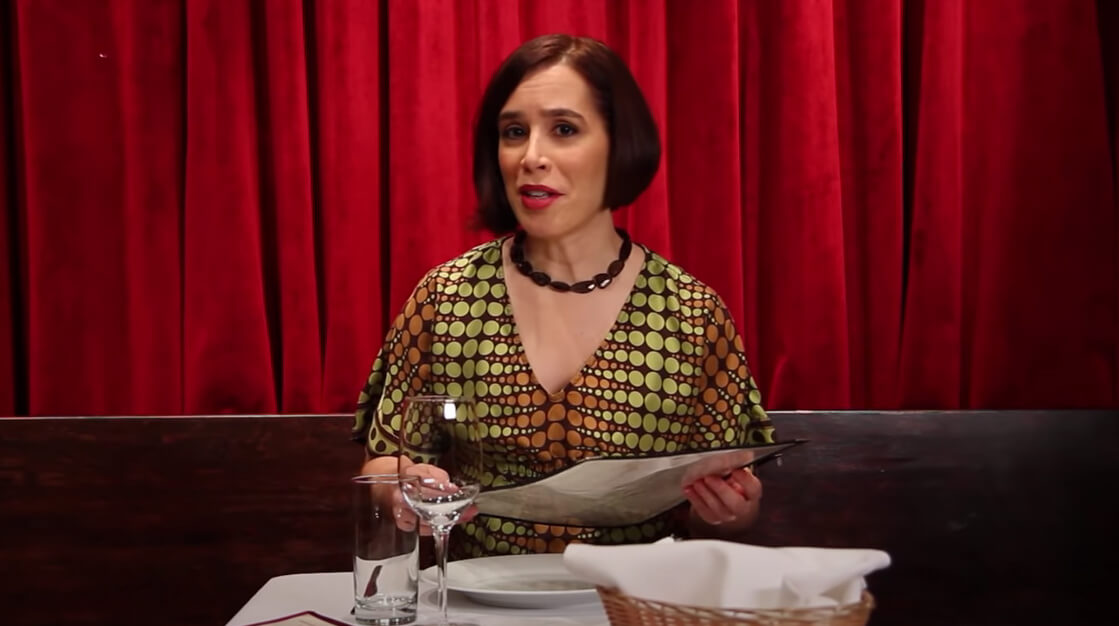
For learners operating on a strict budget, specialized video playlists offer a robust foundation without financial commitment. General wine knowledge playlists typically encompass approximately seven hours of foundational instruction. These modules introduce students to professional tasting methodology, viticultural basics, and the structural characteristics of major global grape varieties and wine regions, drawing on contributions from recognized digital educators.
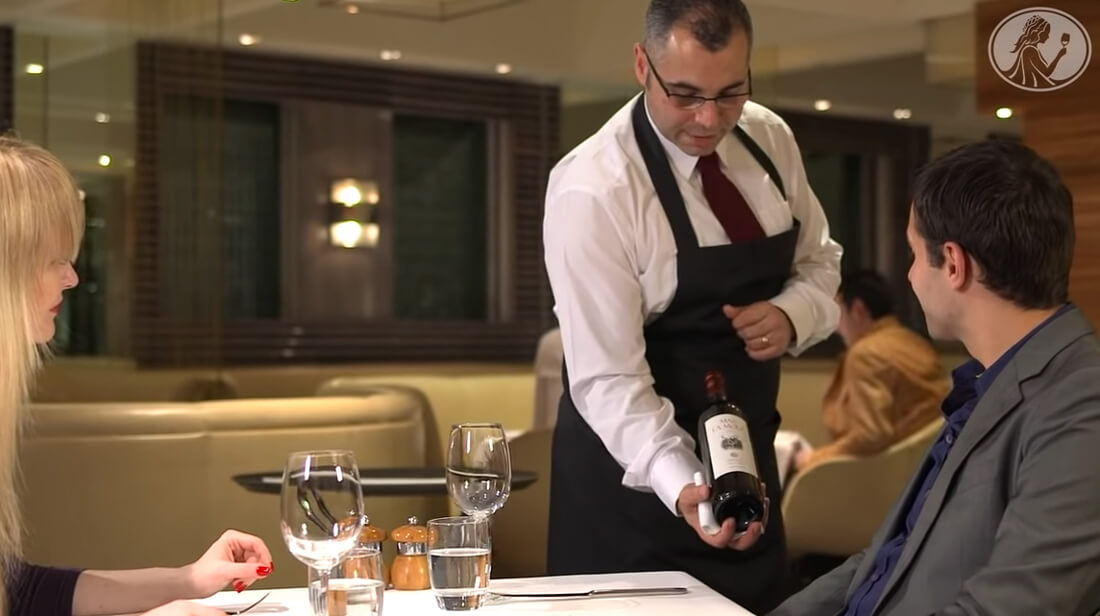
In the realm of hospitality and restaurant service, specialized modules cater directly to servers, sommeliers, and front-of-house staff. Curated by organizations like WSET and GuildSomm, these instructional videos detail the mechanical aspects of opening a bottle with a waiter’s friend corkscrew, maintaining guest safety regarding pressurized sparkling wine bottles, and executing proper table service etiquette.
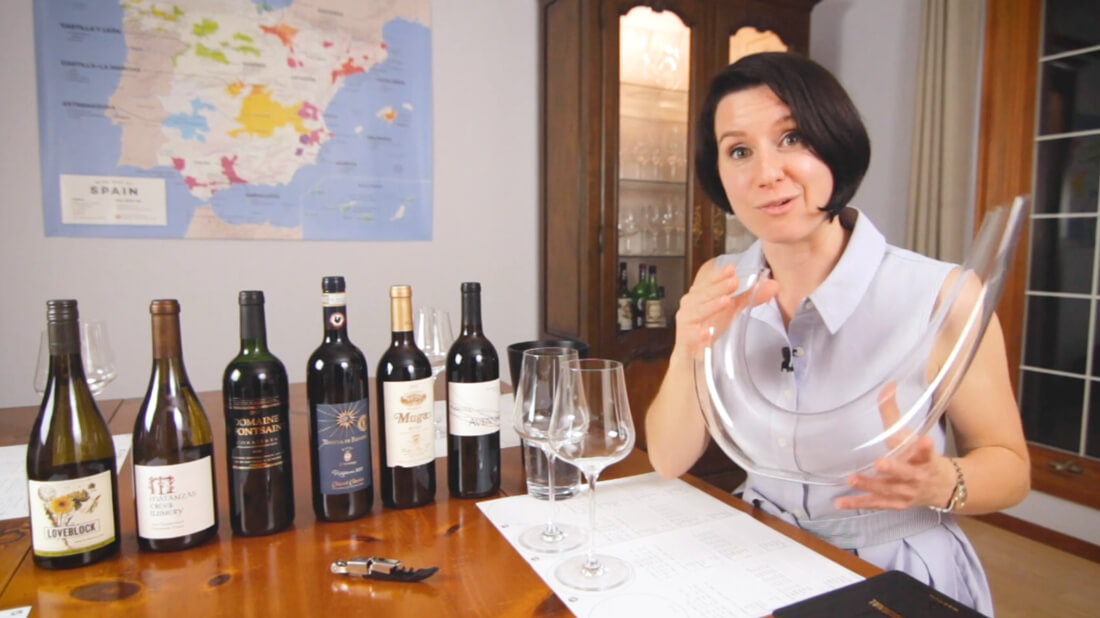
Furthermore, etiquette and food-pairing guides—featuring insights from prominent wine communicators such as Marnie Old, Madeline Puckette, and Andrea Robinson—equip consumers with the confidence to navigate complex wine lists, decipher international wine labels, and understand the biochemical principles behind successful food and wine pairings.
Comprehensive Overview of Leading Paid Online Wine Programs

The market for fee-based digital wine education features a diverse array of institutional offerings, catering to everyone from casual sippers to aspiring Master Sommeliers.
Wine Folly Courses
The award-winning educational platform Wine Folly offers a tiered suite of digital courses designed for varying levels of expertise. Ranging from foundational introductory modules like Wine 101 to rigorous, college-level curricula such as Wine 201, these self-paced programs incorporate interactive palate training and regional exploration. Deeper-knowledge modules provide digital certificates upon completion, which professionals frequently add to career networks like LinkedIn to demonstrate ongoing professional development.
An Understanding of Wine with Jancis Robinson
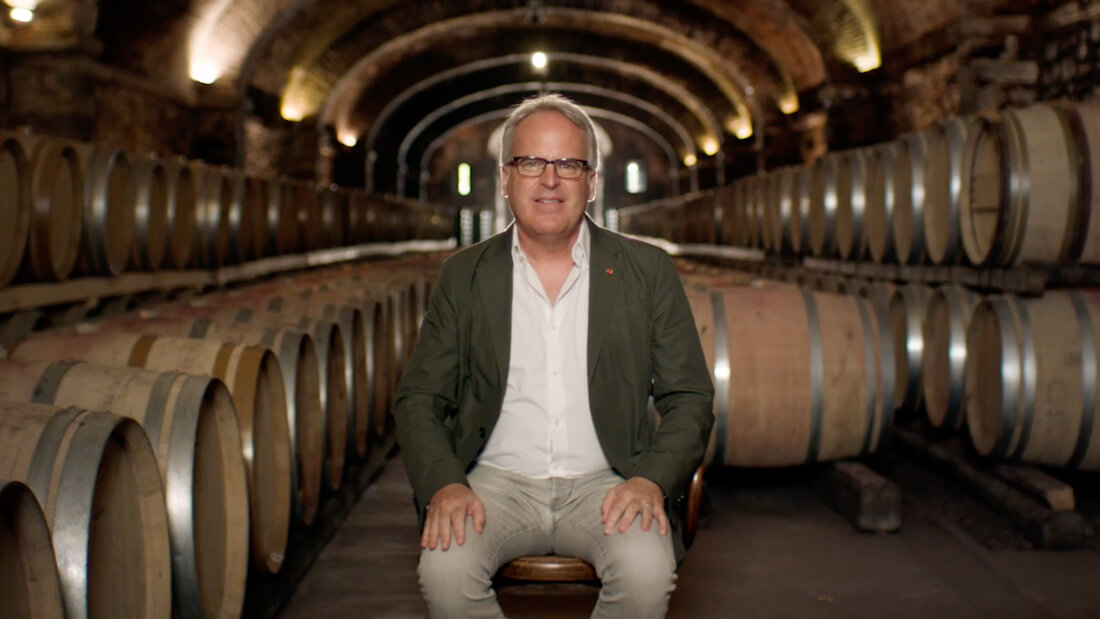
Produced in collaboration with BBC Maestro, this foundational course is spearheaded by Jancis Robinson, one of the most prolific and respected wine critics and journalists globally. Drawing on a 45-year career in wine broadcasting and publishing, Robinson’s curriculum covers the core fundamentals of identifying, selecting, and appreciating wine, providing razor-sharp analytical frameworks for everyday consumers.
Wine Masterclass with James Suckling
Targeting enthusiasts ready to move beyond the basics, world-renowned critic James Suckling breaks down his proprietary 100-point scoring system. The course emphasizes sensory evaluation, collecting principles, and winemaking techniques, while encouraging students to conduct blind tastings to hone their independent judgment. While the video modules occasionally move quickly through advanced concepts, comprehensive accompanying study guides bridge the informational gaps.
Everyday Guide to Wine with Jennifer Simonetti-Bryan
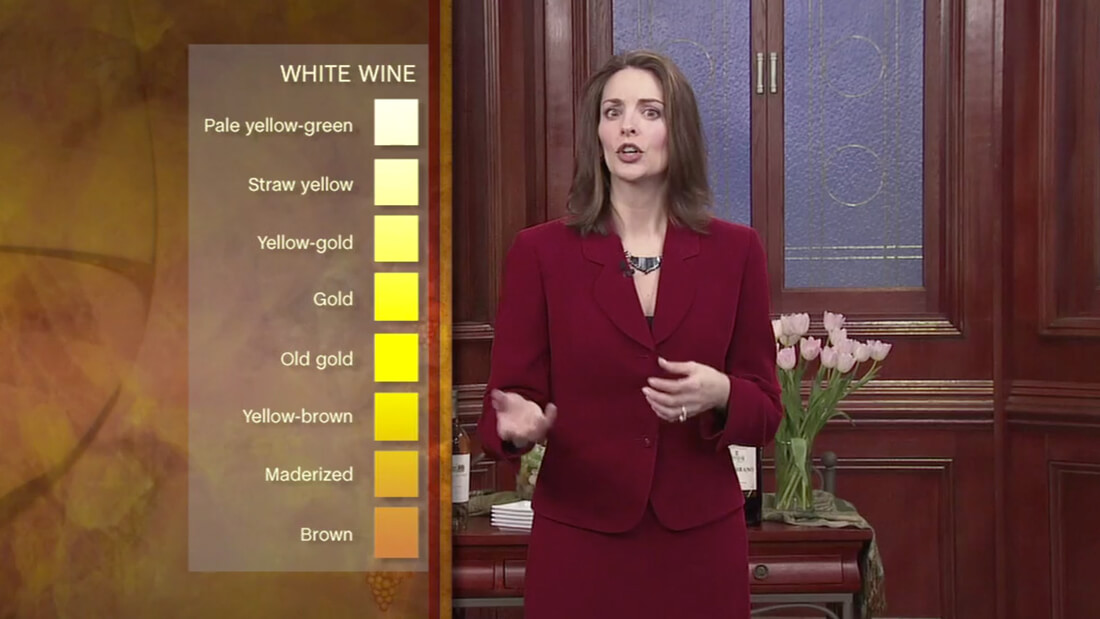
Delivered by Master of Wine Jennifer Simonetti-Bryan, this in-depth program covers the fundamentals of tasting alongside deep dives into 14 major wine-producing countries and their signature regions. Although originally produced in 2010, the curriculum remains celebrated for its articulate, highly detailed instruction, though students must source their own tasting flights independently using the course’s detailed purchasing guides.
WSET Level 2 Certificate with Napa Valley Wine Academy
For those seeking globally recognized certification, this intensive five-week program covers key grape varieties, structural wine styles, label terminology, and regional production factors. Notably, the academy offers shipped tasting kits containing six 187 ml wine portions (subject to regional shipping regulations) and pairs asynchronous digital modules with live, instructor-led online group tastings that foster interactive peer engagement.
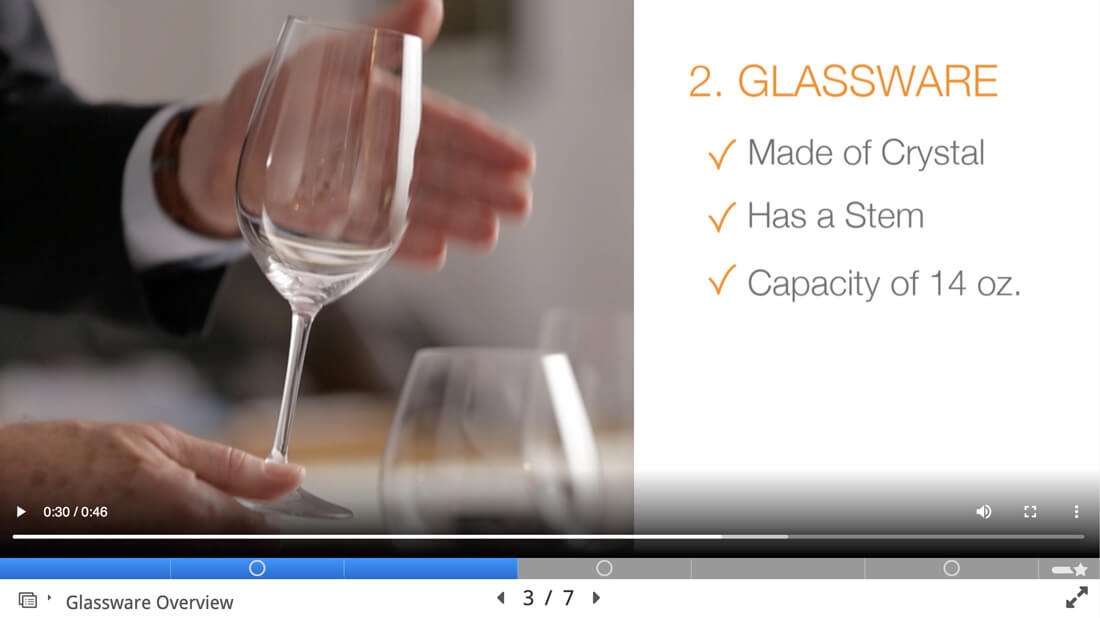
Certified Specialist of Wine Online with San Francisco Wine School
Led by Master Sommelier and Certified Wine Educator David Glancy, this rigorous nine-week program explores viticulture, enology, wine chemistry, global laws, and world regions. The curriculum features a high degree of interaction through live webinar discussions and weekly tasting assignments. Graduates who successfully pass the propped examination earn the formal Certified Specialist of Wine (CSW) title and professional lapel pin.
Regional Wine Scholar Programs with Wine Scholar Guild
Designed for serious enthusiasts and industry educators, the Wine Scholar Guild provides the industry’s most granular online certifications focusing specifically on the wines of France, Italy, and Spain. Each regional module includes exhaustive study manuals, digital quizzes, instructor support, and guided webinars featuring localized experts, culminating in a rigorous proctored examination for official certification and pin award.
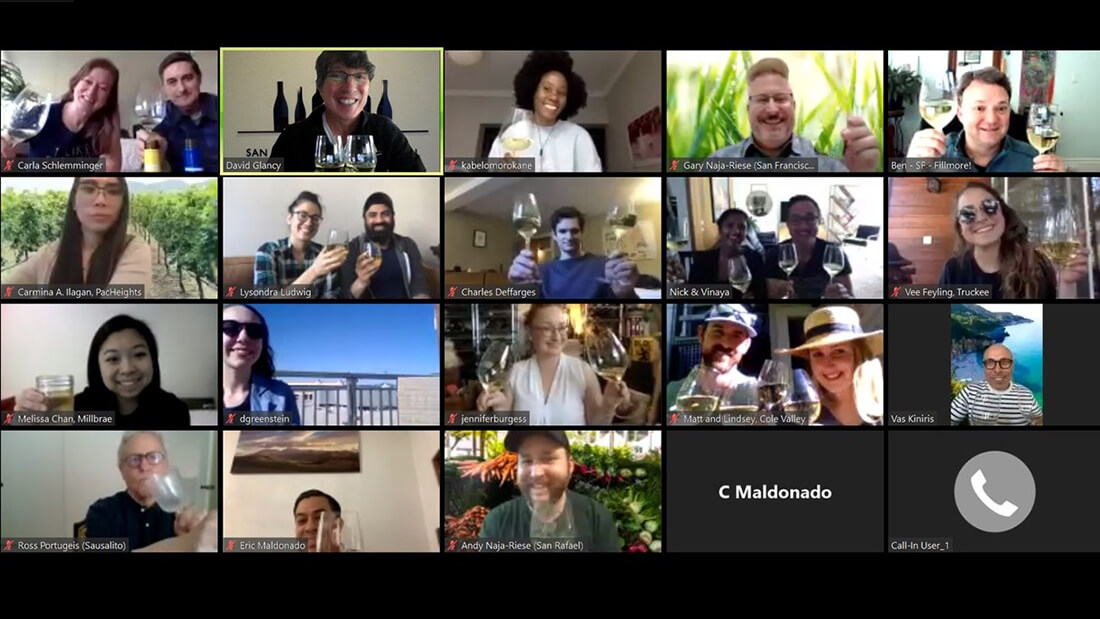
The Broader Impact: Overcoming the Challenges of Independent Study
While digital wine education removes geographic barriers, independent online learning introduces unique logistical challenges—primarily the procurement of diverse tasting samples and the absence of physical, in-person classroom feedback loops. Educational research consistently demonstrates that peer-to-peer interaction significantly enhances cognitive knowledge retention and sensory memory development.
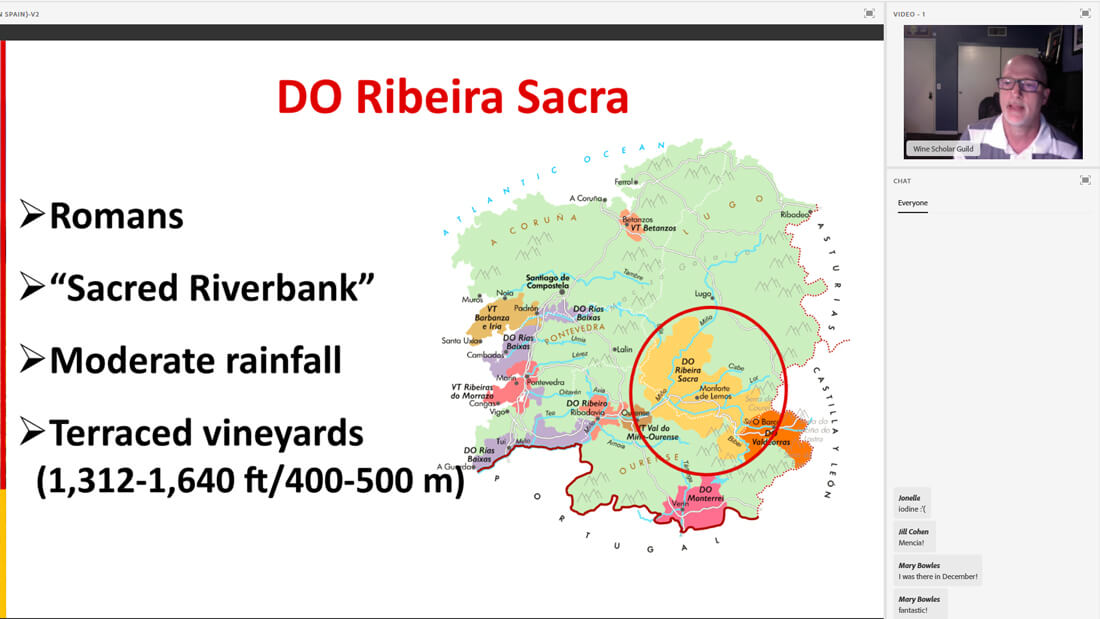
To maximize the efficacy of digital wine courses, industry experts recommend establishing independent tasting groups. By gathering a small cohort of three to five peers to share the financial investment of purchasing curated wine flights, students can collectively participate in online curricula while discussing tasting notes in a collaborative environment. This hybrid approach successfully replicates the communal benefits of traditional classroom settings while leveraging the flexibility and depth of modern online wine education.





0 Komentar
Sampaikan opini dan diskusi yang membangun dengan bahasa yang santun.
Belum Ada Komentar
Jadilah yang pertama memberikan tanggapan mengenai berita ini.