
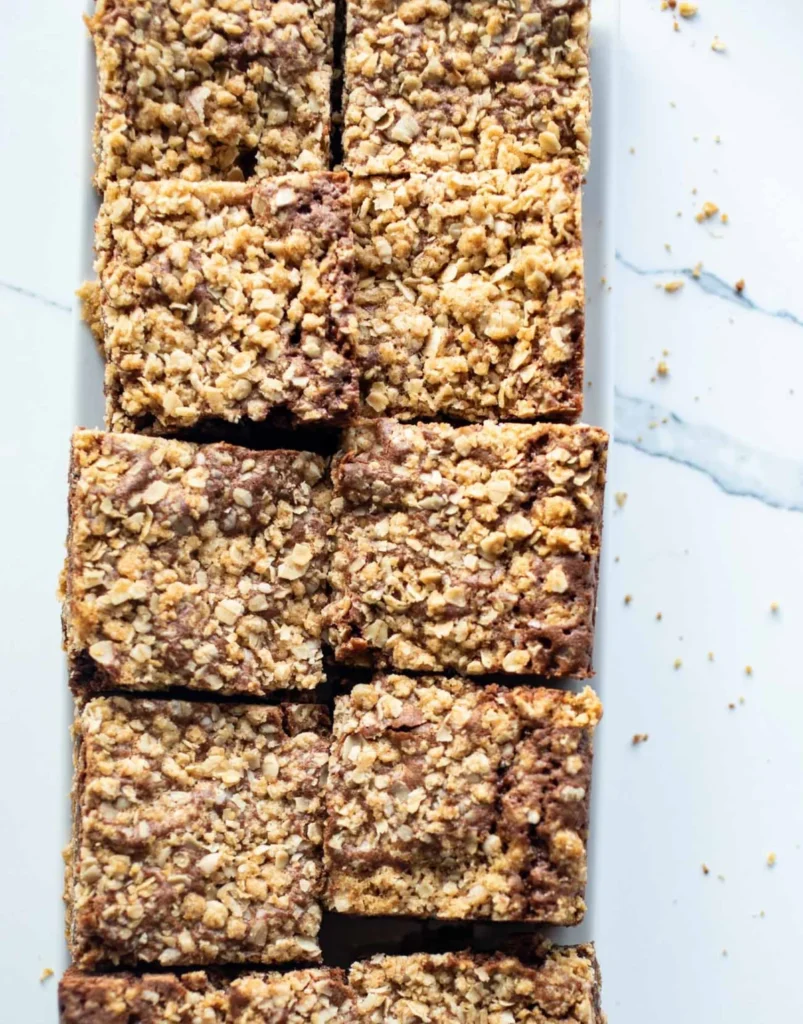
The culinary landscape of local coffeehouses has long relied on a delicate balance between indulgent comfort foods and wholesome, rustic aesthetics. Among the staples that defined the independent café culture of the late 20th and early 21st centuries, the oatmeal fudge bar occupies a uniquely beloved position. Combining a thick, buttery, toasted oat base and topping with a rich, decadent chocolate center, this classic pastry successfully bridged the psychological gap between a nutritious morning grain and an unadulterated afternoon dessert. Recently, food historians and bakers have revisited this school-canteen and bakery-counter favorite, examining how subtle recipe refinements over decades have transformed a simple comfort bake into a masterclass in contrasting textures and intense flavor profiles.
Historical Context and Origins in Bakery Culture
The genesis of the oatmeal fudge bar traces back to mid-century American home baking, where resourceful cooks utilized pantry staples—rolled oats, flour, butter, sugar, and cocoa—to produce hearty, easily transportable squares capable of feeding large families or church gatherings. By the 1980s and 1990s, as the independent specialty coffeehouse boom swept through urban and suburban neighborhoods, independent bakers sought high-margin, crowd-pleasing pastries that could sit on a counter in a glass display case without requiring refrigeration or delicate assembly.
The oatmeal fudge bar emerged as a premier candidate for this commercial shift. Professional bakers quickly recognized its psychological marketing advantage. Because the structural foundation of the bar consisted of whole oats, consumers frequently rationalized the indulgence, convincing themselves that the incorporation of a "healthy" whole-grain base mitigated the richness of the dense chocolate fudge filling. This self-deception became a cornerstone of the coffeehouse afternoon routine, driving steady, repeat afternoon sales as patrons paired the squares with espresso beverages and drip coffee.
Unveiling the Signature Rhubarb Bread: A Culinary Exploration of Texture, Taste, and Tradition
Evolution of the Recipe and Flavor Profiles
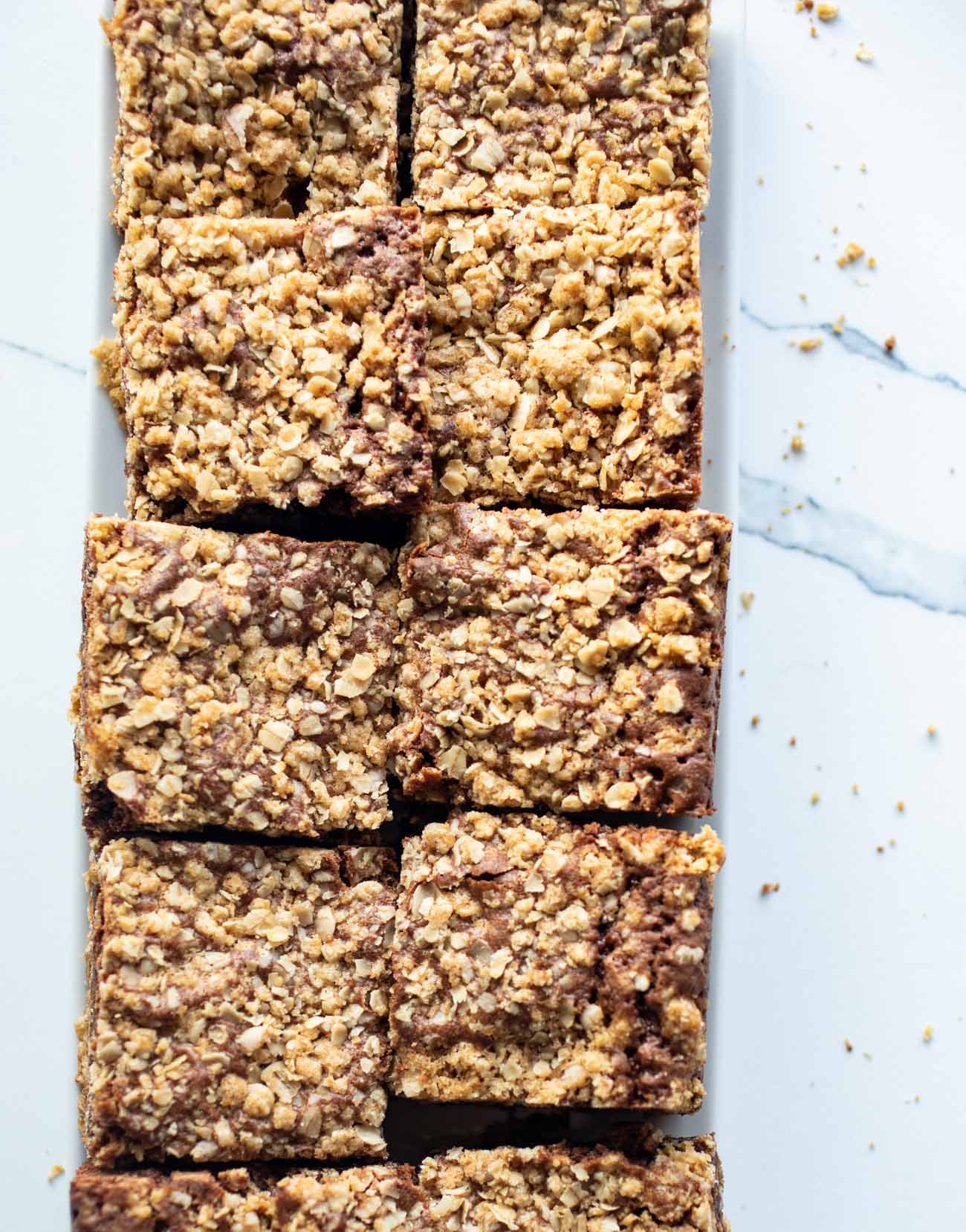
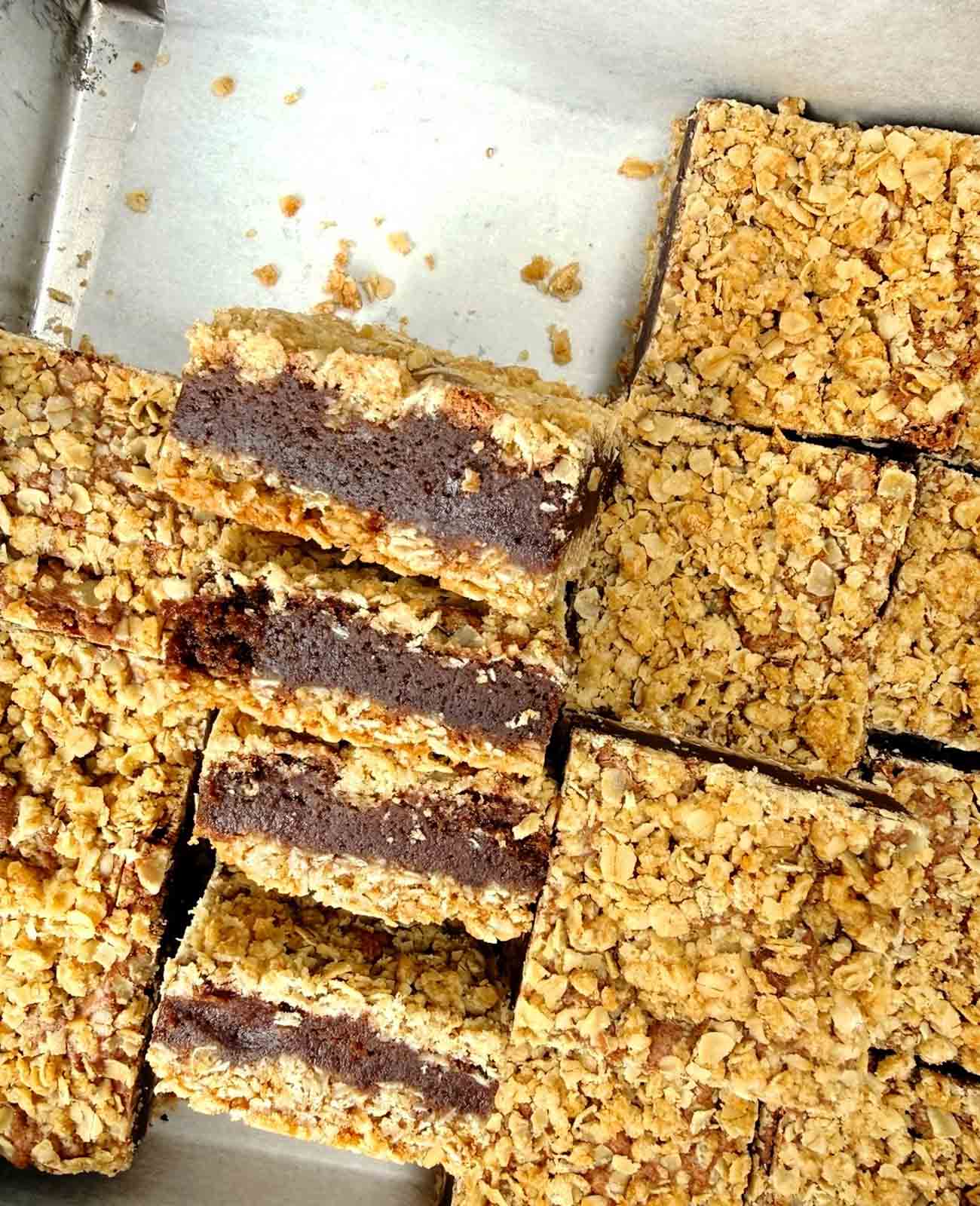
While the structural blueprint of the oatmeal fudge bar—a layered construction of oat crust, chocolate filling, and an oat crumble topping—has remained largely consistent, professional bakers have continuously tinkered with the chemical composition to elevate the final product. Early iterations often relied on sweetened condensed milk or standard semi-sweet chocolate chips melted with butter, which occasionally resulted in a cloyingly sweet profile that lacked depth.
Modern refinements introduced by veteran bakers who worked extensively in high-volume coffeehouse bakeries focus heavily on flavor balance and textural contrast. Key modifications implemented over the years include:
- Enhanced Cocoa Integration: Incorporating high-quality Dutch-processed cocoa powder directly into the chocolate fudge center to provide a more robust, sophisticated bitterness that counters the sweetness of the sugar.
- Sodium Calibration: A strategic increase in the amount of kosher or sea salt added to both the oat dough and the fudge filling. This elevation of sodium acts as a flavor enhancer, sharpening the chocolate notes and cutting through the dense butter-and-sugar matrix of the crust.
- Optimized Baking Ratios: Adjusting the proportion of rolled oats to flour in the base to ensure that the baked crust achieves a distinctly golden, toasty exterior while maintaining a chewy interior crumb that can support the heavy filling without becoming soggy.
Culinary Mechanics and Baking Science
From a technical standpoint, the success of an oatmeal fudge bar hinges on precise thermal management and ingredient interaction. The structural integrity of the bar relies heavily on how the rolled oats and fats interact during the baking process. When subjected to dry oven heat, the natural starches and lipids in the oats undergo Maillard reactions, producing the signature nutty aroma and golden hue characteristic of top-tier versions of this pastry.
Concurrently, the fudge filling requires careful oversight. Unlike traditional brownies, which rely on eggs for structural lift, a classic coffeehouse fudge center often functions as a dense emulsion of chocolate, butter, and sugar, sometimes bound with condensed milk or flour. Culinary experts emphasize that visual and physical cues—specifically the complete absence of a liquid jiggle in the center of the pan—remain the definitive indicator of doneness, superseding rigid time limits due to the wide variance in commercial and domestic oven calibrations.
Economic and Cultural Implications in the Modern Baking Industry
The enduring popularity of the oatmeal fudge bar highlights a broader consumer trend toward nostalgic comfort foods, particularly during periods of economic or social transition. Market analysts note that when faced with uncertainty, consumers frequently gravitate toward familiar, unpretentious baked goods that evoke simpler times, such as childhood school lunches or neighborhood coffee shops of decades past.
Furthermore, the recipe’s adaptability has allowed independent bakeries to position it as both a low-cost volume driver and a canvas for premium ingredient marketing. By substituting mass-produced chocolate with single-origin dark chocolate or utilizing organic, locally sourced rolled oats, modern bakeries can command premium pricing for an otherwise humble, retro formula.
As baking blogs, culinary historians, and home cooks continue to document and refine traditional recipes, the oatmeal fudge bar remains a testament to the enduring appeal of clever contrast—proving that the marriage of rustic grains and decadent chocolate will remain a fixture of coffeehouse culture for generations to come.



0 Komentar
Sampaikan opini dan diskusi yang membangun dengan bahasa yang santun.
Belum Ada Komentar
Jadilah yang pertama memberikan tanggapan mengenai berita ini.