
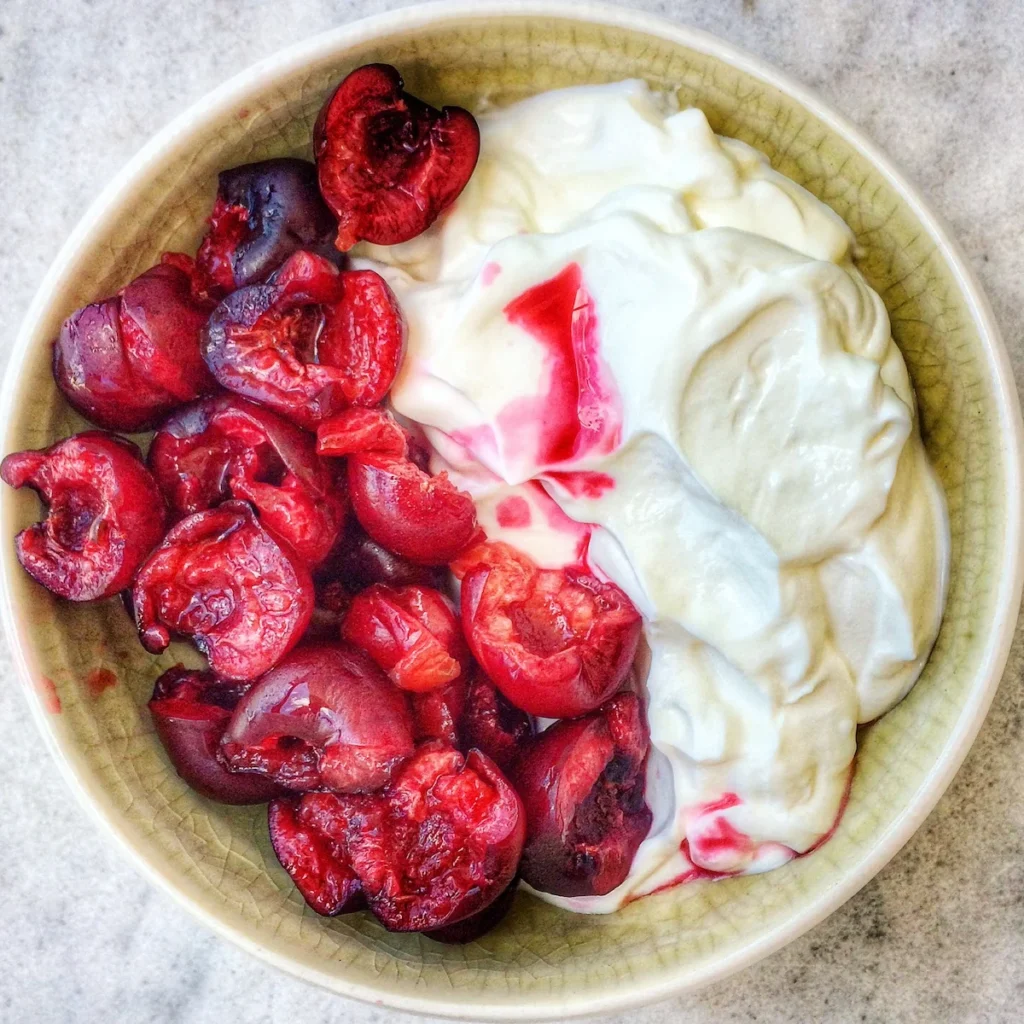
Dietary guidelines have long championed the advice to "eat the rainbow," urging consumers to fill their plates with a vibrant spectrum of colorful fruits and vegetables. While this colorful mantra has been a staple of nutritional counseling for decades, modern science is increasingly uncovering the precise molecular mechanisms that make these hues so vital to human health. At the heart of this phenomenon are anthocyanins—a specialized class of naturally occurring plant compounds that not only provide the rich reds, deep blues, and striking purples found in nature, but also deliver profound, measurable protective benefits against some of the world’s most pervasive chronic illnesses.
A comprehensive new scientific review published in The American Journal of Clinical Nutrition has brought these plant pigments into sharp focus, quantifying their health impacts with unprecedented precision. According to the findings, individuals who maintain a diet high in anthocyanins experience a striking 26 percent lower incidence of cardiovascular disease. Furthermore, the data demonstrates an 18 percent reduction in the risk of myocardial infarction (heart attack), an 11 percent lower risk of developing type 2 diabetes, a 9 percent decrease in cardiovascular disease mortality, and an 8 percent lower risk of hypertension. Perhaps most encouraging for everyday dietary planning, researchers observed that significant improvements in blood vessel function could be achieved with an anthocyanin intake as modest as 50 milligrams per day.
Etymological Origins and Biochemical Classification
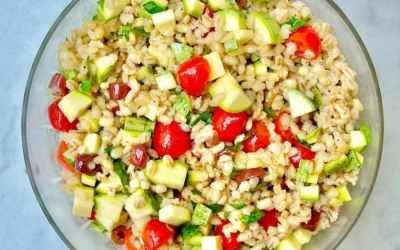
Parisian Spring Awakens Culinary Inspiration, Leading to a Revitalized Black Bean Confetti Salad
To understand the profound impact of anthocyanins, it is helpful to examine their origins. The term is derived from two Greek words: ánthos, meaning flower, and kýanos, which describes a dark greenish-blue color. Chemically, anthocyanins belong to a broader category of phytochemicals known as polyphenols, which are renowned for their potent antioxidant and anti-inflammatory capabilities.
In the natural world, plants produce these pigments primarily as a defense mechanism. Anthocyanins act as a natural sunscreen for vegetation, shielding delicate tissues from high-intensity ultraviolet radiation, mitigating oxidative stress, and protecting against herbivores and environmental pathogens. When humans consume these plants, the bioactive compounds exert similarly protective effects within the human body, neutralizing free radicals, reducing systemic inflammation, and supporting endothelial health—the delicate lining of blood vessels that regulates vascular tone and blood pressure.
Quantifying the Intake: What 50 Milligrams Looks Like on a Plate
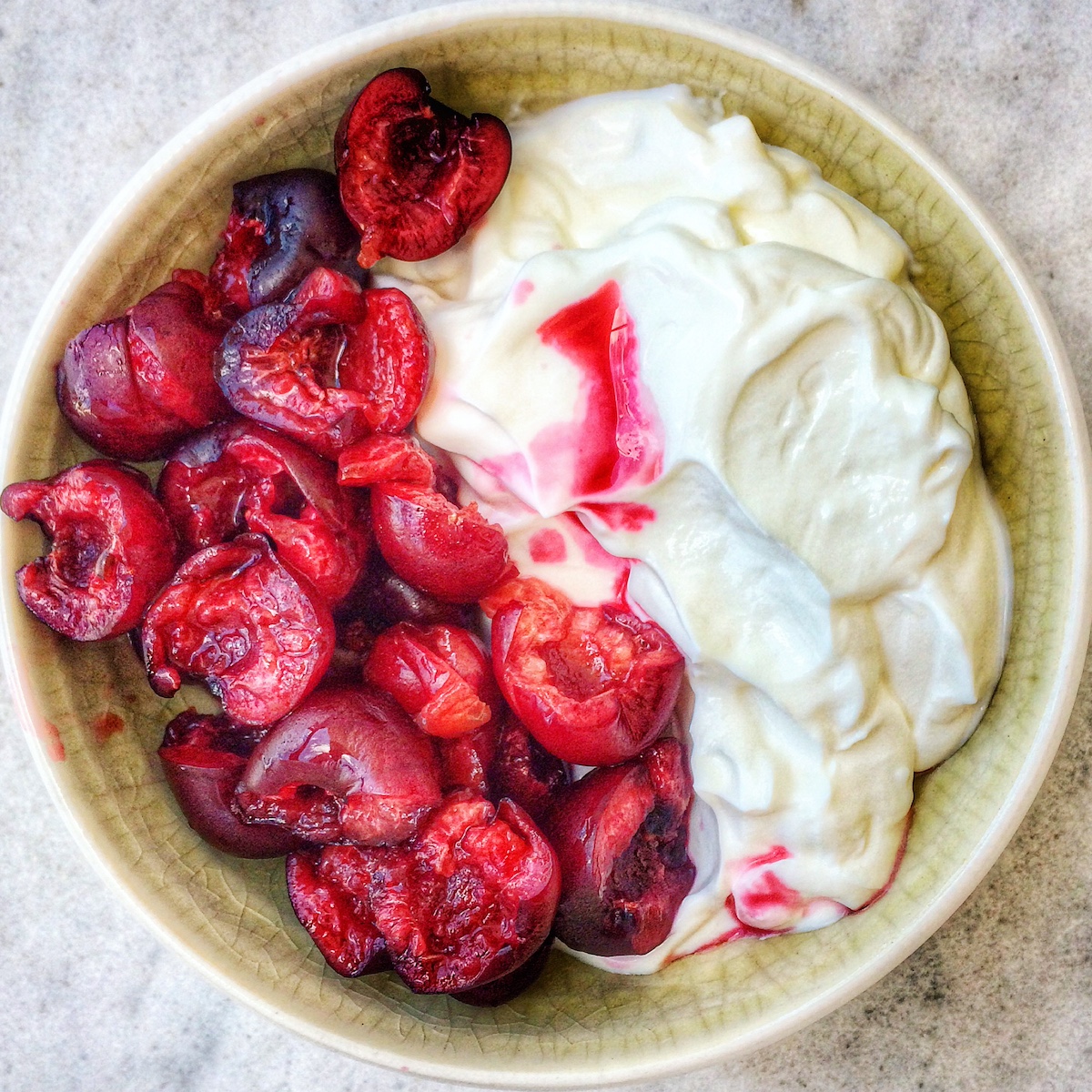
Translating clinical measurements like "50 milligrams" into actionable dietary habits is a central challenge for consumers navigating nutritional science. Nutritional epidemiologists and dietitians note that while anthocyanin content varies widely depending on the specific botanical variety, growing conditions, and ripeness, a general benchmark is that a mere half-cup serving of an anthocyanin-rich food can provide the targeted daily amount.
The primary dietary sources of these beneficial polyphenols are concentrated heavily in specific fruits and vegetables. Berries—such as blueberries, blackberries, raspberries, and dark cherries—are exceptionally potent repositories. Beyond berries, purple and red grapes, black currants, plums, blood oranges, and pomegranates contribute significantly to daily intake. Among vegetables, deep-hued varieties dominate the category: globe eggplants with their rich purple skins, red cabbage, purple cauliflower, black carrots, and red-fleshed sweet potatoes are all stellar vehicles for these compounds.
The Seasonal Paradigm: Lessons from the Traditional Mediterranean Diet
The integration of anthocyanins into human diets is not merely a matter of selecting the right grocery items; it is deeply tied to historical patterns of agriculture and consumption. Registered Dietitian Nutritionist Elena Paravantes, an expert on the Mediterranean diet, emphasizes that traditional eating patterns inherently delivered a diverse array of plant compounds because populations consumed foods strictly according to their natural seasons.
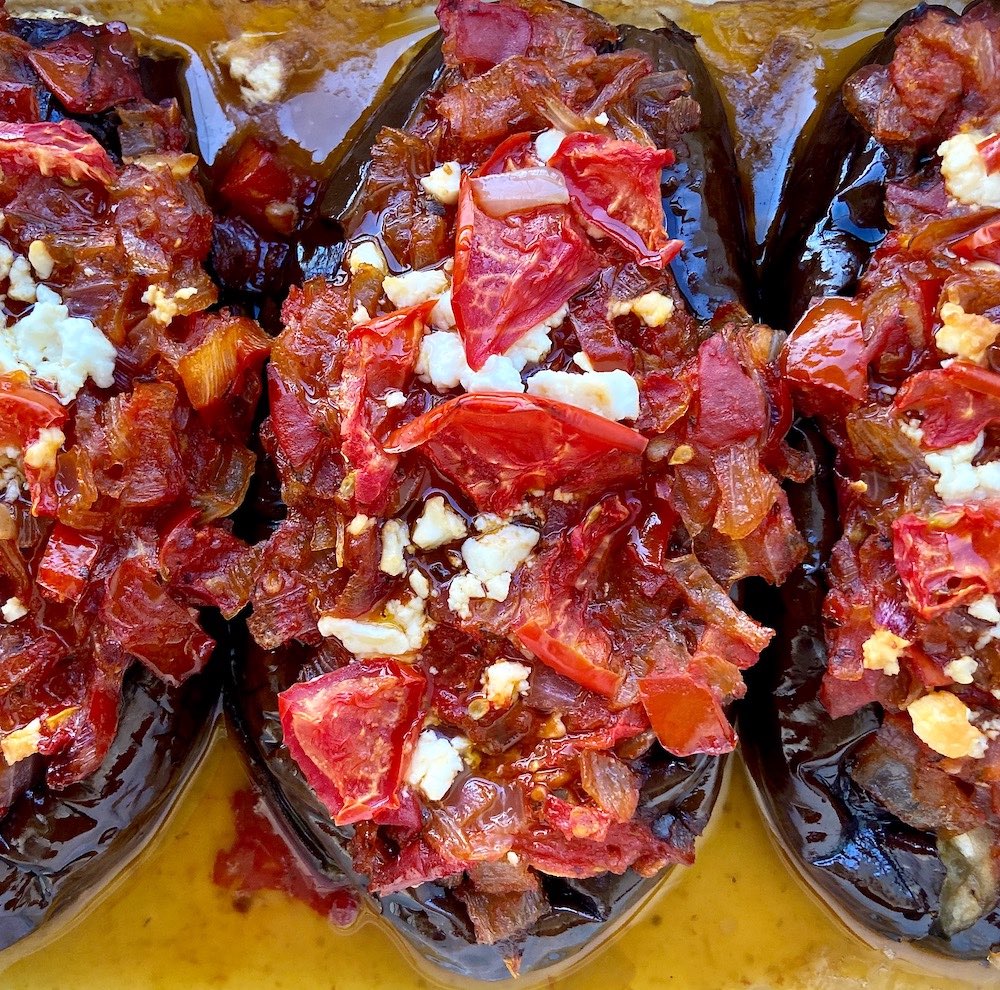
This cyclical eating pattern ensures biochemical diversity over the course of a year. For instance, globe eggplants are harvested and consumed in abundance throughout the summer months and into September across Southern Europe, while they disappear from traditional menus during the winter. Conversely, hearty crops like apples, winter greens, and root vegetables take center stage during the colder months. Modern nutritional science validates this ancestral wisdom, suggesting that health is optimized not by fixating on a single "superfood" year-round, but by rotating a wide variety of seasonal fruits and vegetables through one’s diet to capture a broad spectrum of polyphenols.
Clinical Implications and Public Health Perspectives
The publication of the review in The American Journal of Clinical Nutrition arrives at a critical juncture for global public health. Cardiovascular diseases and type 2 diabetes continue to be leading causes of morbidity and mortality worldwide, straining healthcare systems and diminishing quality of life. While pharmaceutical interventions remain cornerstone treatments for these conditions, public health officials and preventive medicine specialists increasingly emphasize the indispensable role of primary dietary prevention.
The finding that a relatively low threshold of 50 milligrams of anthocyanins daily can yield measurable cardiovascular improvements offers a highly achievable public health target. Unlike complex dietary restrictions that eliminate entire food groups, the anthocyanin research promotes an additive approach: encouraging populations to incorporate more color into their existing meals.
Practical Strategies for Increasing Daily Anthocyanin Consumption
For individuals seeking to harness the benefits highlighted by the recent clinical data, integrating anthocyanins into daily meals requires minimal culinary disruption. Nutrition experts recommend several straightforward strategies to elevate daily polyphenol intake:
- Morning Boosts: Incorporate a half-cup of fresh or frozen blueberries, blackberries, or tart cherries into morning oatmeal, Greek yogurt, or protein smoothies.
- Vibrant Salads: Substitute standard green cabbage with shredded red cabbage, or add sliced radishes and pomegranate arils to salads for an immediate visual and biochemical upgrade.
- Smart Snacking: Keep washed dark grapes, plums, or fresh cherries accessible for quick, nutrient-dense snacks throughout the day.
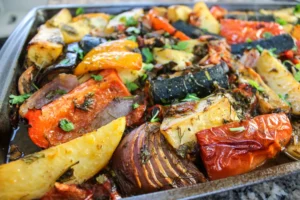
- Roasted Vegetables: Include cubed eggplant, purple sweet potatoes, or roasted red onions as savory side dishes, ensuring the edible skins are consumed whenever possible, as a vast concentration of anthocyanins resides in the outer pigmentation of plant foods.
Broader Impact and Future Directions in Nutritional Research
As clinical interest in polyphenols intensifies, ongoing research is exploring how gut microbiota interact with anthocyanins. Emerging studies suggest that when anthocyanins reach the colon, they are metabolized by gut bacteria into smaller phenolic acids, which may further amplify their systemic anti-inflammatory and cardiovascular protective effects. This bidirectional relationship between colorful plant foods and human microbiome health opens new avenues for personalized nutrition and preventive medicine.
Ultimately, the enduring advice to "eat the rainbow" is far more than a catchy marketing slogan; it is a foundational rule of human nutrition backed by robust, evolving science. By understanding the chemical and physiological significance of anthocyanins—and by embracing a seasonal, diverse array of colorful whole foods—individuals can take proactive, scientifically validated steps toward long-term cardiovascular and metabolic wellness.



0 Komentar
Sampaikan opini dan diskusi yang membangun dengan bahasa yang santun.
No Comments Yet
Be the first to share your thoughts on this story.