The Ultimate Culinary Lifeline: Why Spaghetti Aglio e Olio Remains the Undisputed Masterpiece of Minimalist Cooking

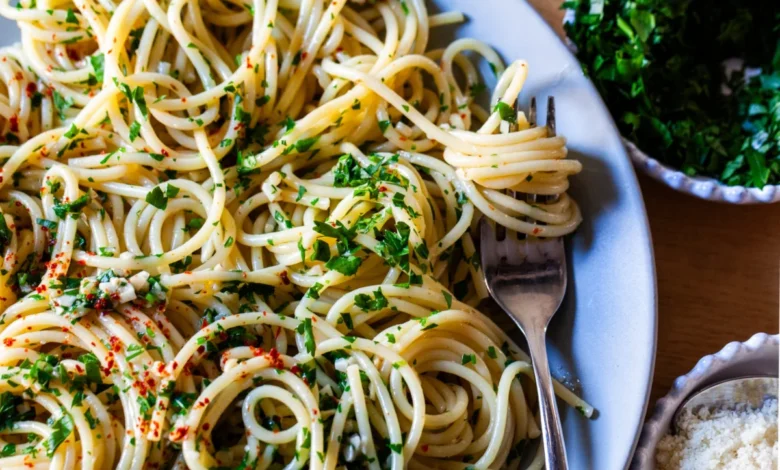
Amidst the exhausting demands of modern household management and the relentless pressures of daily meal preparation, home cooks frequently confront a familiar psychological and physical barrier commonly referred to as kitchen fatigue. This phenomenon, exacerbated by high temperatures during the peak of the summer season and the notoriously ill-equipped kitchens typically found in vacation rental properties, forces a widespread reassessment of domestic priorities. When pantry inventories dwindle, energy reserves hit rock bottom, and elaborate meal planning becomes entirely unfeasible, culinarians across the globe routinely abandon complex recipes in favor of absolute simplicity. The resulting culinary solution—boiling pasta, tossing it with garlicky olive oil, and designating it as dinner—possesses an official title rooted in centuries of culinary tradition: spaghetti aglio e olio. Originating from the bustling port city of Naples, Italy, this iconic dish has quietly endured as a global staple, beloved by exhausted parents, time-constrained professionals, and culinary purists alike.
Historical Origins and Cultural Evolution of Aglio e Olio
To fully understand the enduring appeal of spaghetti aglio e olio, one must examine its historical trajectory within the rich tapestry of Italian gastronomy. Emerging from the Campania region, specifically Naples, the dish was historically born out of necessity and resourcefulness. In its earliest iterations, aglio e olio served as a reliable, inexpensive meal for working-class Neapolitans who relied on staple pantry items that required minimal financial investment and virtually no refrigeration.

Historically, Southern Italian cuisine has championed the philosophy of cucina povera—the cooking of the poor—where a handful of humble ingredients are elevated through technique rather than expense. While contemporary adaptations frequently incorporate red pepper flakes, fresh parsley, and occasionally grated cheese, the foundational pillars of the recipe have remained remarkably consistent for generations. The dish relies exclusively on high-quality durum wheat spaghetti, extra virgin olive oil, garlic, and salt. Over the decades, as Italian emigration spread diaspora communities across the globe, aglio e olio transitioned from a regional secret of Southern Italy into an international symbol of minimalist culinary brilliance.
Anatomy of a Low-Effort, High-Yield Culinary Phenomenon
The psychological and physiological pull of spaghetti aglio e olio lies primarily in its sensory footprint. According to culinary experts and home economics researchers, the olfactory experience of garlic sizzling gently in olive oil triggers an immediate, universal Pavlovian response. Unlike complex stews or roasted meats that require hours of passive waiting, the auditory and aromatic cues of aglio e olio—the gentle sizzle of garlic meeting fat—act as an immediate dinner bell within any household.
Nutritional and logistical data gathered from modern meal-planning audits reveal that the average preparation time for spaghetti aglio e olio is under fifteen minutes, requiring precisely four primary ingredients that are overwhelmingly standard in global pantries: pasta, garlic, olive oil, and black pepper or red pepper flakes. Despite this microscopic investment of time and resources, the dish yields a disproportionately high sensory return. The starch released from the boiling pasta water emulsifies with the infused oil, creating a rich, glossy coating that mimics the velvety texture of much more complicated cream or butter-based sauces without demanding dairy products or lengthy reductions.

Step-by-Step Culinary Methodology
Achieving the optimal emulsion in spaghetti aglio e olio requires strict adherence to specific thermodynamic principles rather than complex culinary maneuvers. Professional chefs and culinary historians emphasize that the primary technical failure in amateur attempts at the dish is burning the garlic.
The chronological process begins with bringing a large pot of heavily salted water to a rolling boil. Standard culinary guidelines recommend salting the water until it tastes comparable to seawater, ensuring the pasta is seasoned from the inside out. High-quality spaghetti is then submerged and cooked until it reaches the al dente stage, specifically one to two minutes shy of complete package instructions.
Crucially, before draining the pasta, the cook must reserve approximately one full cup of the starchy cooking water. The magic of the dish occurs in the subsequent phase: rather than heating the oil first—which risks scorching the delicate garlic—the extra virgin olive oil, finely sliced or minced garlic, and crushed red pepper flakes are combined in a cold skillet. Only after these ingredients are unified does the heat get turned to medium.

As the pan warms gradually, the garlic gently infuses the oil, turning a pale, aromatic gold without developing the bitter compounds associated with burnt Allium. The drained spaghetti is immediately transferred into the skillet alongside half of the reserved pasta water. By heating the mixture together while stirring vigorously, the starch in the water binds with the oil to form a cohesive, glossy emulsion that clings seamlessly to every strand of pasta. The remaining pasta water is incorporated incrementally to maintain a loose, silky consistency. Finally, fresh chopped parsley and a final drizzle of raw extra virgin olive oil are folded in just before serving. While traditional Italian culinary etiquette strictly discourages the addition of Parmesan or Pecorino cheese to seafood or specific oil-based pasta dishes, modern household consensus dictates a pragmatic approach: personal preference supersedes regional purism.
Versatility and Adaptability for the Modern Household
Beyond its standalone perfection, spaghetti aglio e olio functions as an exceptionally reliable culinary canvas. Food waste reduction initiatives and household budgeting analyses frequently highlight the recipe’s unique capacity to absorb leftover ingredients. Because the flavor profile relies on the robust foundation of garlic and olive oil, the dish readily accommodates a wide array of supplementary additions designed to clean out refrigerator perishables.
Throughout the late summer months—a period traditionally associated with decreased kitchen labor and relaxed domestic schedules—home cooks frequently utilize aglio e olio as a foundational base. Leftover roasted vegetables nearing the end of their shelf life, wilted leafy greens such as spinach or arugula, and proteins like grilled shrimp, leftover chicken thighs, or white beans can be seamlessly integrated into the finished pasta. This adaptability transforms a basic pantry meal into a comprehensive, nutritionally balanced dinner with virtually zero meal-planning friction.

Broader Economic and Sociological Implications
The enduring popularity of minimalist dishes like spaghetti aglio e olio offers significant sociological insight into contemporary domestic life. In an era marked by decision fatigue, economic inflation affecting grocery budgets, and the blurring boundaries between professional and domestic labor, simple home cooking has experienced a cultural resurgence.
Sociologists specializing in domestic labor note that meal preparation represents a daily cognitive load that disproportionately impacts household managers. Recipes that demand extensive preparation, precise timing, and multi-step execution can exacerbate burnout, particularly during high-stress periods or seasonal transitions. Conversely, mastery of high-impact, low-effort dishes like aglio e olio provides a psychological safety valve. By lowering the barrier to entry for home-cooked meals, such recipes discourage reliance on expensive, less nutritious convenience foods or restaurant delivery services, thereby supporting household economic stability and nutritional health.
Furthermore, the cross-cultural adoption of aglio e olio underscores the globalization of comfort food. Despite its humble origins in the alleys of Naples, the dish has transcended linguistic and cultural barriers, appearing on household dinner tables from urban high-rises to suburban family kitchens. Its universal appeal confirms that culinary excellence is not inherently tied to ingredient cost, ingredient quantity, or procedural complexity. Instead, spaghetti aglio e olio stands as an enduring testament to the power of technique, timing, and the transformative alchemy of garlic sizzling in olive oil.