
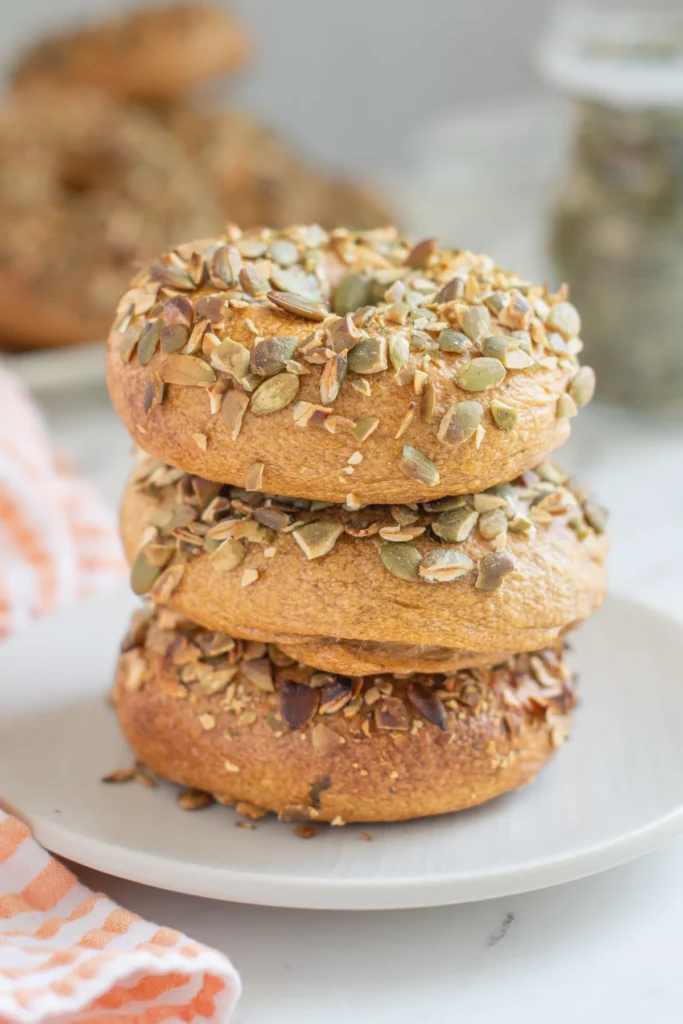
The art of the authentic New York-style bagel is defined by a rigorous set of parameters: a blistered, shiny crust achieved through a brief boil, a dense yet resilient crumb, and a distinctive chew that sets it apart from standard bread products. Recently, home baking professionals have successfully integrated seasonal flavor profiles into this traditional format, most notably through the development of a pumpkin-infused bagel that maintains the structural integrity of the classic boiled dough. This two-day, make-ahead preparation method prioritizes a cold-proof fermentation process, allowing for the development of complex flavors while ensuring the logistical ease required for home baking schedules.
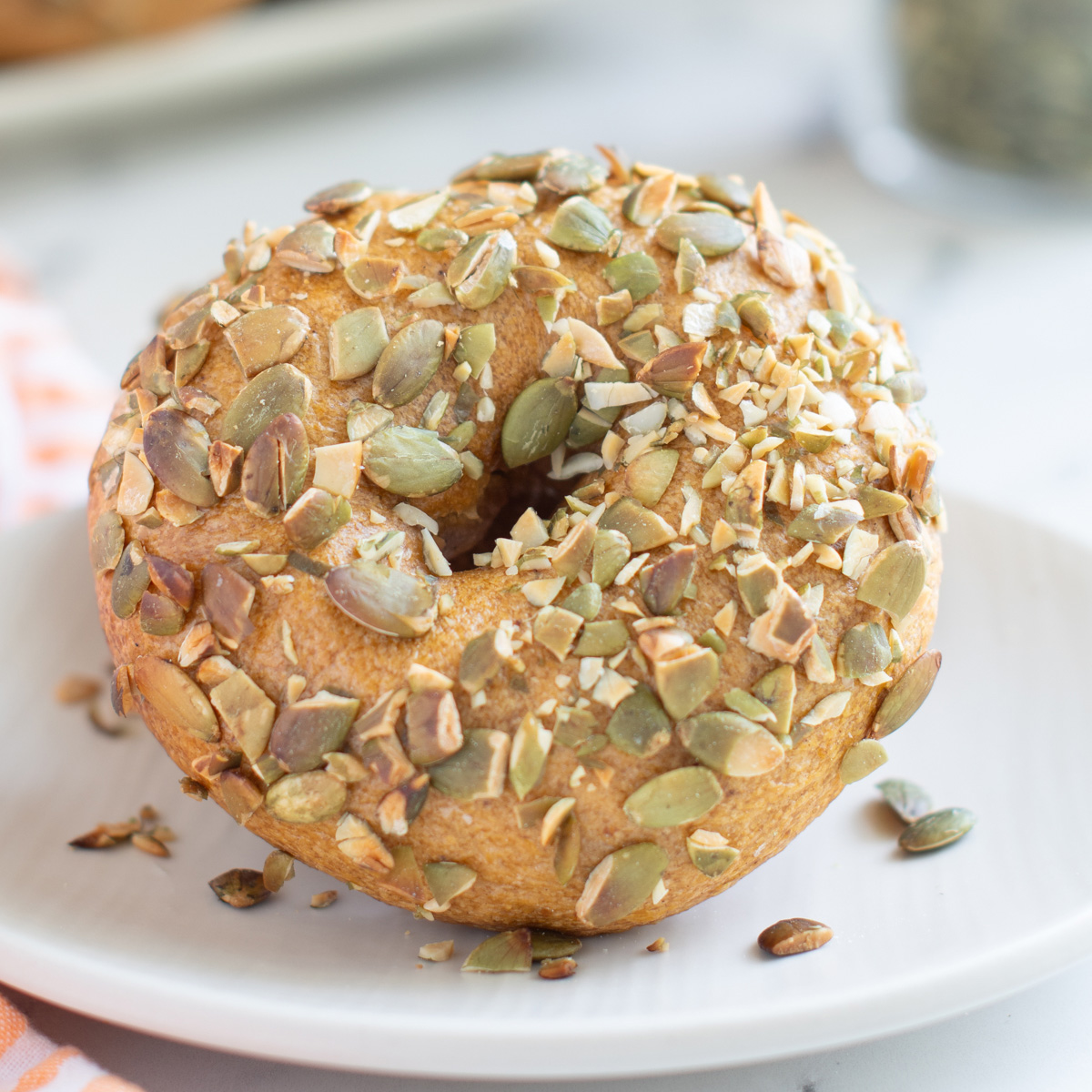
Historical Context and Evolution of the Bagel
The bagel, historically rooted in the Ashkenazi Jewish communities of Poland, has undergone significant evolution since its introduction to North America in the late 19th century. The traditional process involves high-gluten flour, water, yeast, malt, and salt. The "New York style" specifically relies on the boiling stage, which gelatinizes the starch on the exterior of the dough, providing the signature sheen and chewiness upon baking.
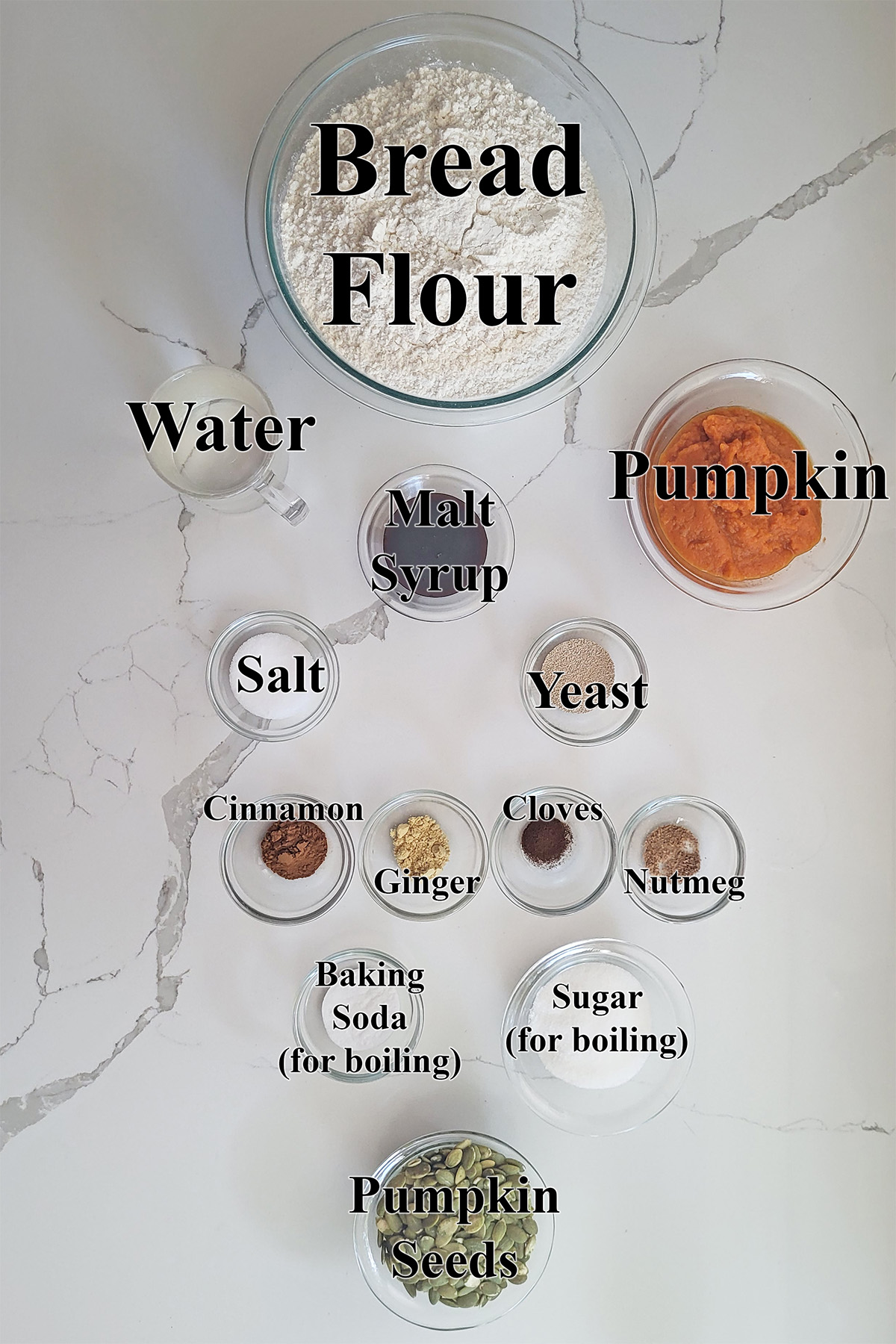
In recent years, artisanal bakeries and home enthusiasts have sought to experiment with "modern classic" variations. The introduction of pumpkin puree and autumnal spices—such as cinnamon, nutmeg, and ginger—into the dough presents a technical challenge. Because pumpkin puree adds significant moisture and acidity to the base formulation, bakers must recalibrate the hydration levels to prevent a loss of structural density. This specific recipe addresses those variables by balancing the moisture content of the squash with high-protein flour, ensuring that the resulting bagel remains sturdy rather than cake-like.
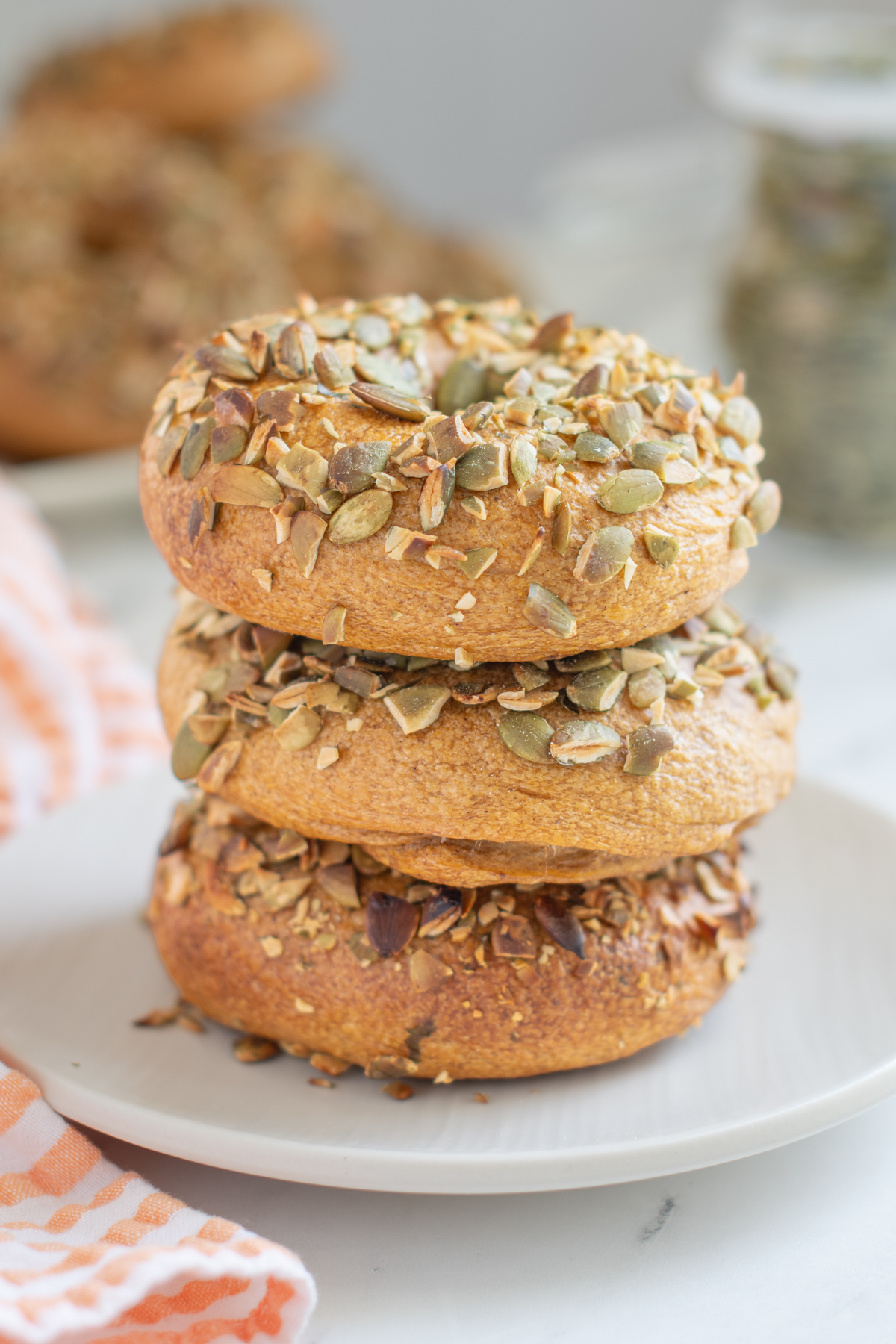
The Technical Process: A Two-Day Methodology
Achieving a professional-grade bagel at home requires adherence to a specific timeline. The primary stages of this process are divided between active preparation and passive fermentation.
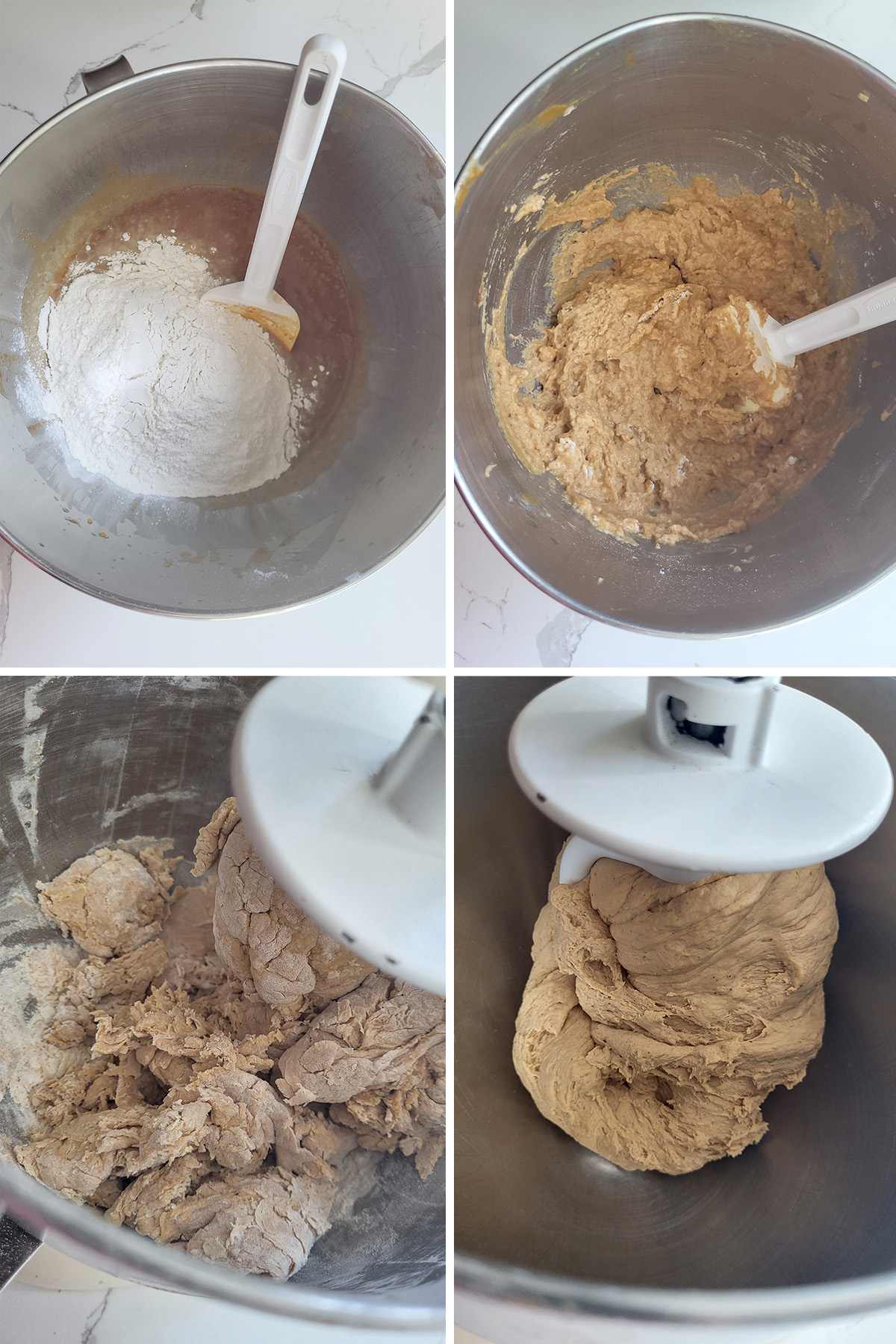
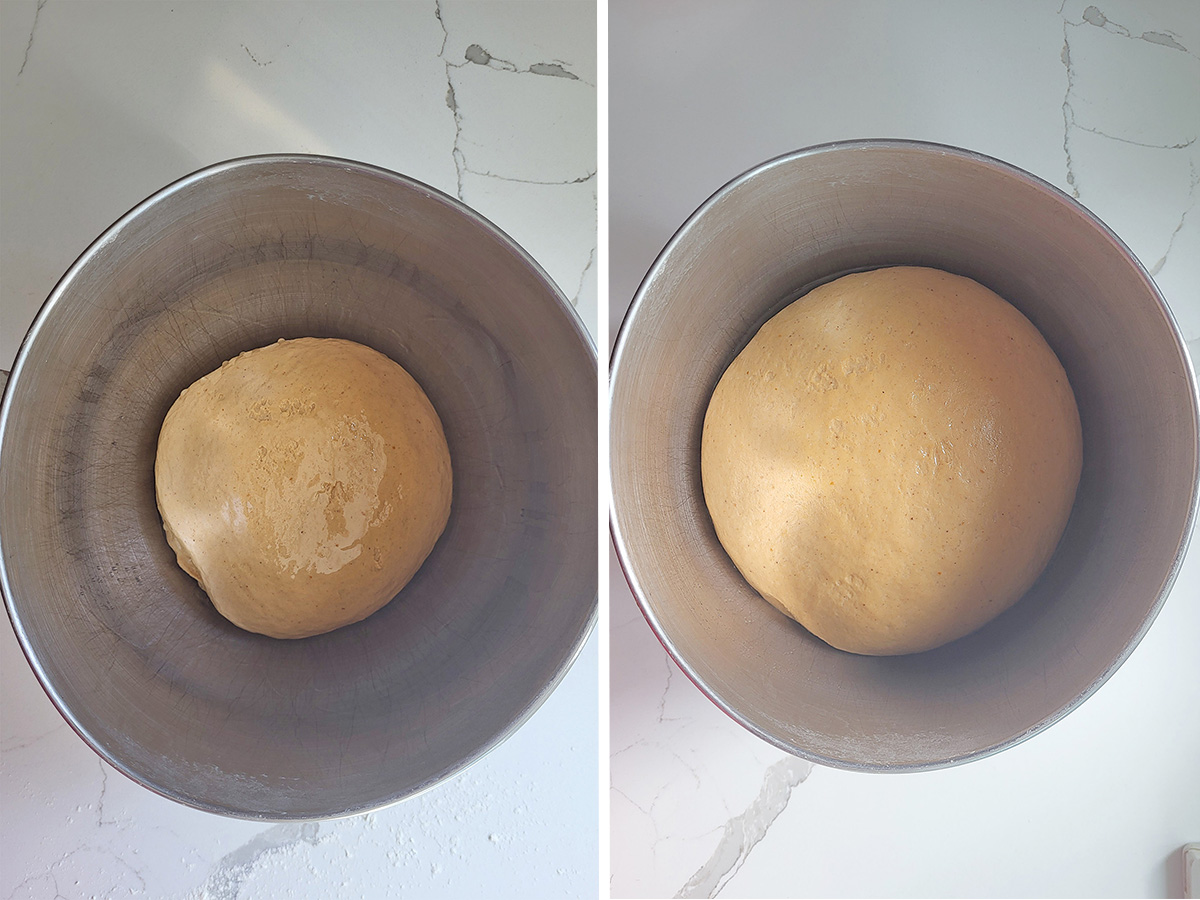
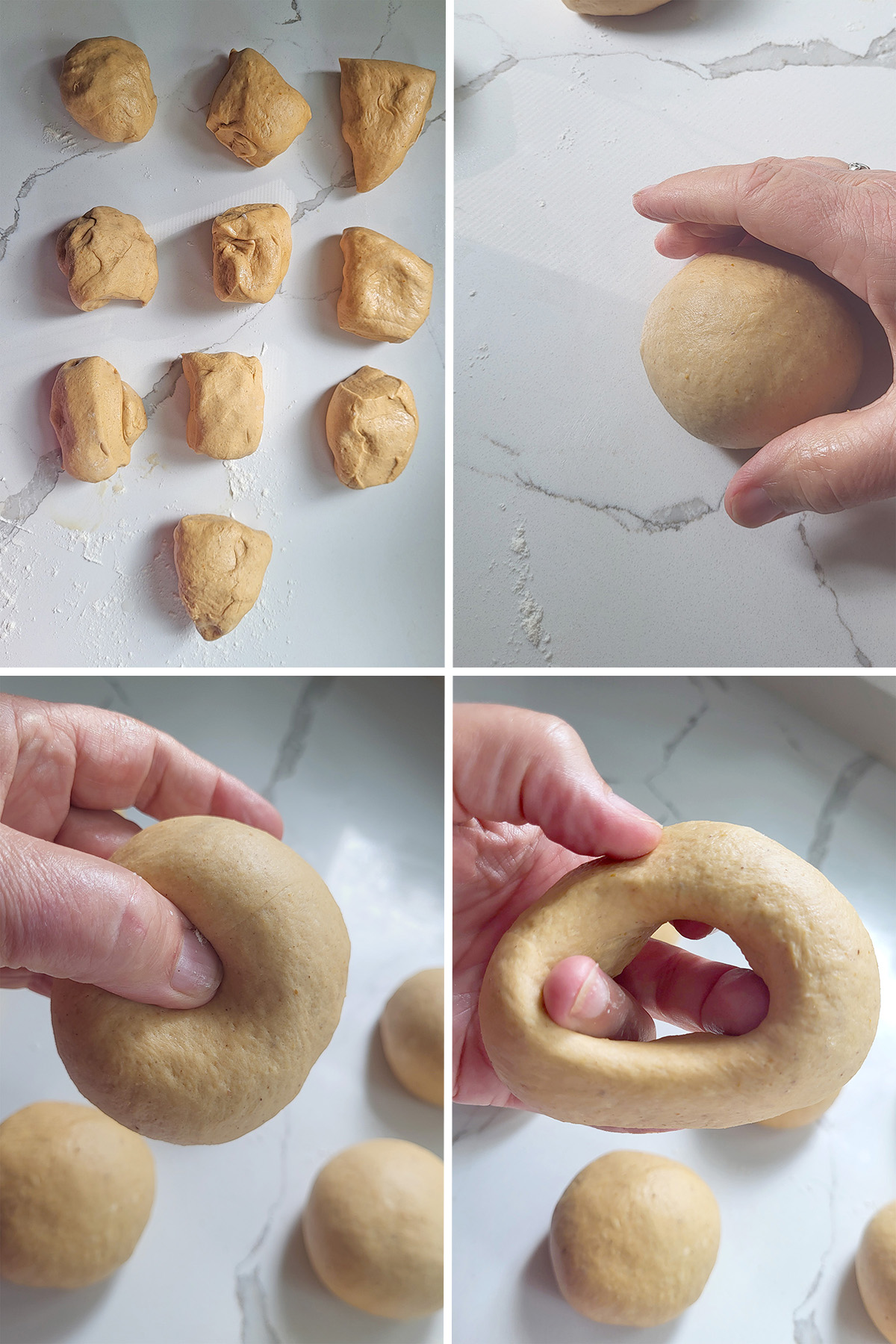
- Mixing and Initial Fermentation: The process begins with the integration of pumpkin puree and spices into the dry ingredients. A standard mixing duration is required to develop the gluten network sufficiently. Following a short initial rise, the dough is divided into uniform portions.
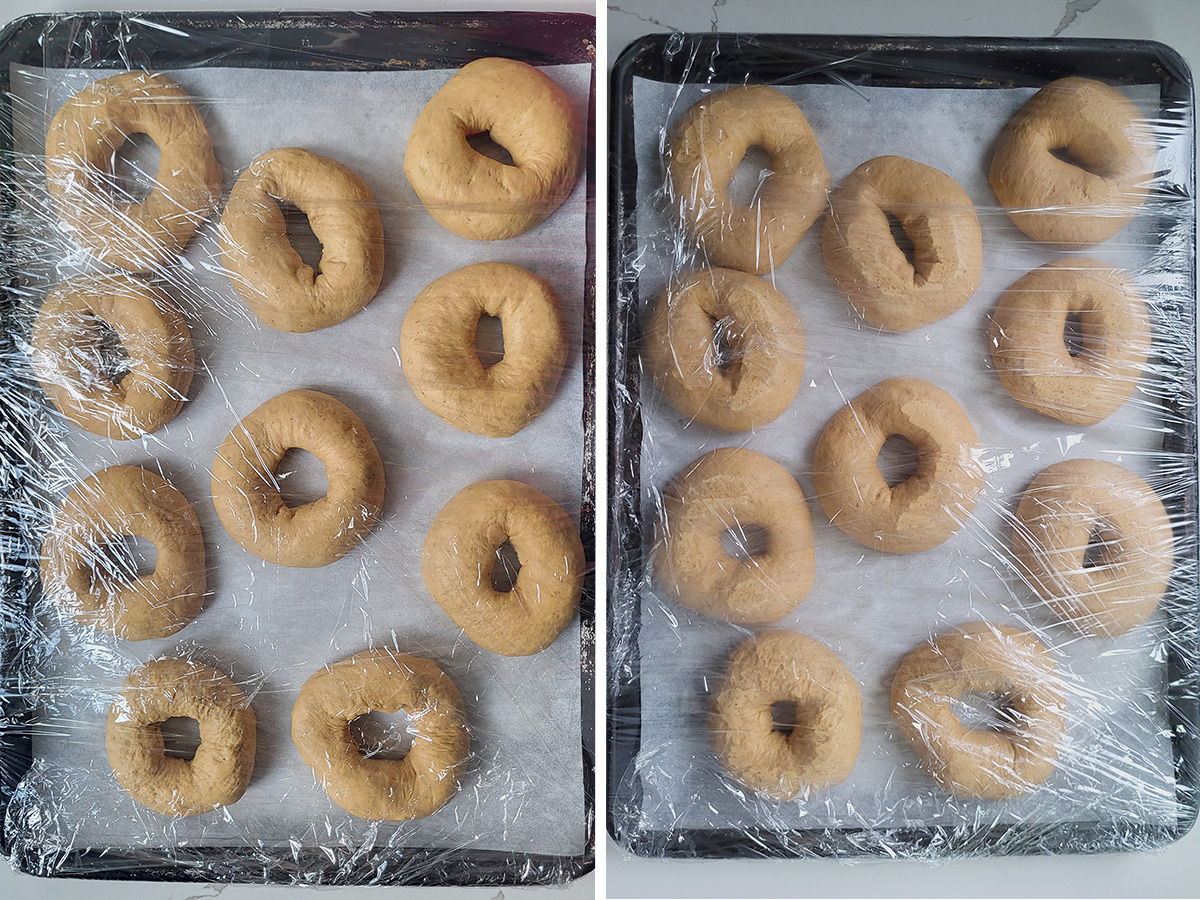
- Cold Proofing (Retardation): The hallmark of the New York-style bagel is the extended cold fermentation, which typically lasts 12 hours or more in a refrigerated environment. This step is critical; it allows the yeast to work slowly, which deepens the flavor profile and enhances the texture of the crust.
- The Boil: Before entering the oven, the bagels are submerged in boiling water. This process serves two purposes: it sets the shape of the dough and contributes to the final texture. Many professionals add barley malt syrup or honey to the water to promote Maillard reactions, which result in a deeper, more attractive golden-brown crust.
- Baking: A high-temperature bake—usually between 425°F and 450°F—is required to finish the process. This flash-heat exposure ensures the crust develops a crisp exterior while the interior retains its characteristic chew.
Nutritional Profile and Dietary Implications
From a nutritional perspective, these pumpkin bagels offer a different profile compared to traditional plain bagels. A standard serving, typically weighing between 100 and 120 grams, contains approximately 363 calories. The inclusion of pumpkin puree introduces a modest amount of Vitamin A and dietary fiber.
However, it is important to note the sodium content, which typically averages 925 milligrams per serving. This is a common characteristic of traditional bagel recipes, as salt is essential not only for flavor but for regulating the fermentation rate of the yeast and strengthening the gluten structure. Bakers looking to manage sodium intake should note that the boiling process does not significantly reduce the overall salt content of the dough itself, but rather interacts with the surface chemistry.
Scaling and Commercial Feasibility
For home bakers and small-scale culinary operations, the scalability of this recipe is a significant factor. The "dip and sweep" method for measuring flour is highly discouraged in professional settings due to the variability in density; instead, precision via weight (grams) is recommended for consistency.
When adapting this recipe for larger batches, the primary logistical hurdle is the refrigeration space required for the cold-proof stage. If a commercial baker intends to produce these in volume, they must ensure that the fermentation environment remains consistently between 35°F and 40°F. Deviations in temperature during the cold proof can lead to over-proofing, which results in a collapsed crumb structure and a diminished aesthetic appearance.
Expert Analysis of Ingredient Selection
The choice of sweeteners and flours plays a vital role in the final product. While many recipes suggest honey or molasses as a substitute for barley malt syrup, culinary experts note that authentic flavor and color development are most closely tied to barley malt. Barley malt contains enzymes that assist in breaking down starches into simpler sugars, which feed the yeast during the long fermentation and caramelize during the boil.
The pumpkin puree used should be standard canned pumpkin, not pumpkin pie filling. The latter contains added sugars, spices, and thickeners that interfere with the hydration ratio of the dough. By using pure, unadulterated pumpkin, the baker retains control over the spice profile, allowing for a more nuanced flavor that complements the saltiness of the bagel rather than clashing with it.
Broader Trends in Seasonal Baking
The rise of recipes like the pumpkin bagel reflects a broader trend in the food industry toward "seasonal artisanism." Consumers are increasingly interested in high-quality, homemade versions of commercial products that highlight seasonal produce. This trend has been bolstered by the accessibility of information and the proliferation of high-end home kitchen equipment, such as stand mixers and convection-capable ovens.
According to market research on home baking habits, there has been a 15% increase in interest regarding "advanced fermentation" techniques since 2022. The pumpkin bagel serves as an entry point for bakers looking to bridge the gap between simple quick breads and the more technical world of sourdough and long-fermentation yeasted doughs.
Summary of Best Practices for Success
To replicate the results seen in professional test kitchens, bakers should adhere to the following protocols:
- Precision: Utilize a digital scale for all ingredients to ensure the hydration ratio remains consistent.
- Patience: Do not truncate the 12-hour cold-proof period. This is when the biochemical transformation occurs that distinguishes a true bagel from a boiled bread roll.
- Heat Management: Ensure the boiling water is at a rolling boil before adding the bagels. A tepid water bath will result in a gummy, unattractive crust.
- Toppings: If using seeds or spices as a topping, apply them immediately after the boil while the exterior of the bagel is still tacky. This ensures optimal adhesion during the baking process.
The pumpkin bagel represents a successful synthesis of traditional technique and modern culinary preference. By following a structured approach that respects the biological requirements of the dough, home bakers can produce a seasonal staple that rivals the quality of artisanal establishments. As consumer interest in scratch-made food continues to grow, the ability to execute complex recipes like this will remain a valuable skill in the modern home kitchen, offering both creative satisfaction and a tangible improvement over mass-produced alternatives.



0 Komentar
Sampaikan opini dan diskusi yang membangun dengan bahasa yang santun.
No Comments Yet
Be the first to share your thoughts on this story.