The Ultimate Guide to Mastering Crisp and Deeply Spiced Gingerbread Cookies for the Holiday Season


The tradition of gingerbread dates back to the 11th century, when Crusaders returning from the Middle East brought back the taste of ginger and other exotic spices. Over the centuries, this humble culinary staple evolved from a dense, medicinal bread into the refined, crisp cutout cookie that defines modern holiday festivities. Achieving the perfect balance of snap, spice, and structural integrity requires a precise approach to chemistry and technique, particularly for bakers aiming to produce consistent results for large-scale holiday gatherings or gifting.

The Science of Structural Integrity in Egg-Free Doughs
Most traditional cookie recipes rely on eggs to provide structure, moisture, and lift. However, in the context of professional-grade gingerbread, the exclusion of eggs is a deliberate technical choice. By omitting eggs, the baker achieves a higher density of fats and sugars, which results in a brittle, "snappy" texture rather than a soft, cake-like crumb.
From a chemical perspective, the recipe relies on the interaction between molasses—a byproduct of sugar refining—and leavening agents like baking soda. Molasses provides the characteristic dark color and complex, slightly bitter profile that balances the sharp heat of ground ginger. Because this recipe utilizes a minimal amount of baking soda, the cookies do not experience significant expansion during the baking process. This lack of "puff" is critical for decorators, as it ensures that intricate shapes, such as gingerbread men or architectural cutouts, retain their sharp edges and precise silhouettes when emerging from the oven.

Chronological Preparation and Workflow Management
For the professional or home baker, efficiency is paramount during the holiday season. The following timeline outlines the standard production cycle for these gingerbread cookies, assuming a total process time of approximately two hours:
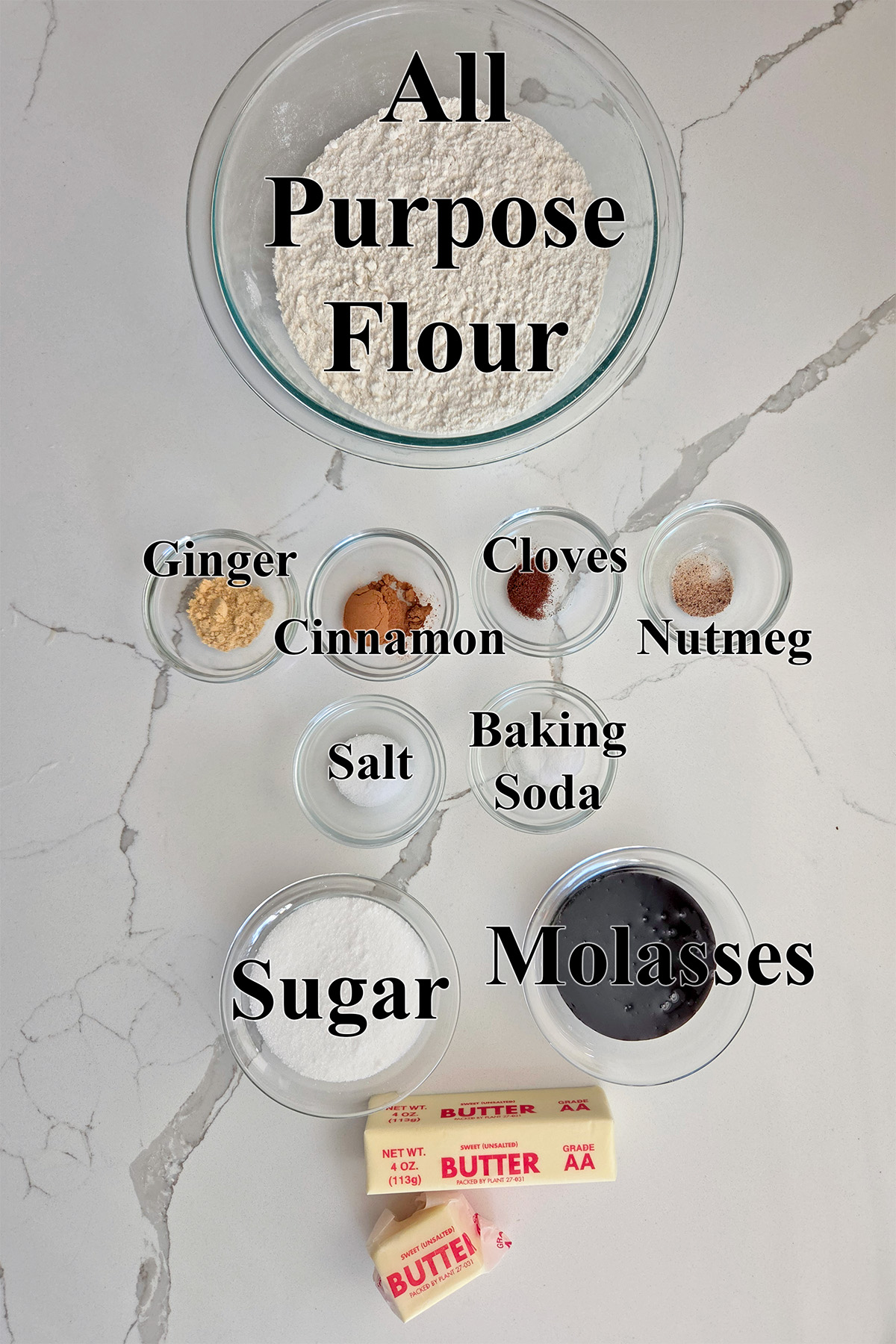
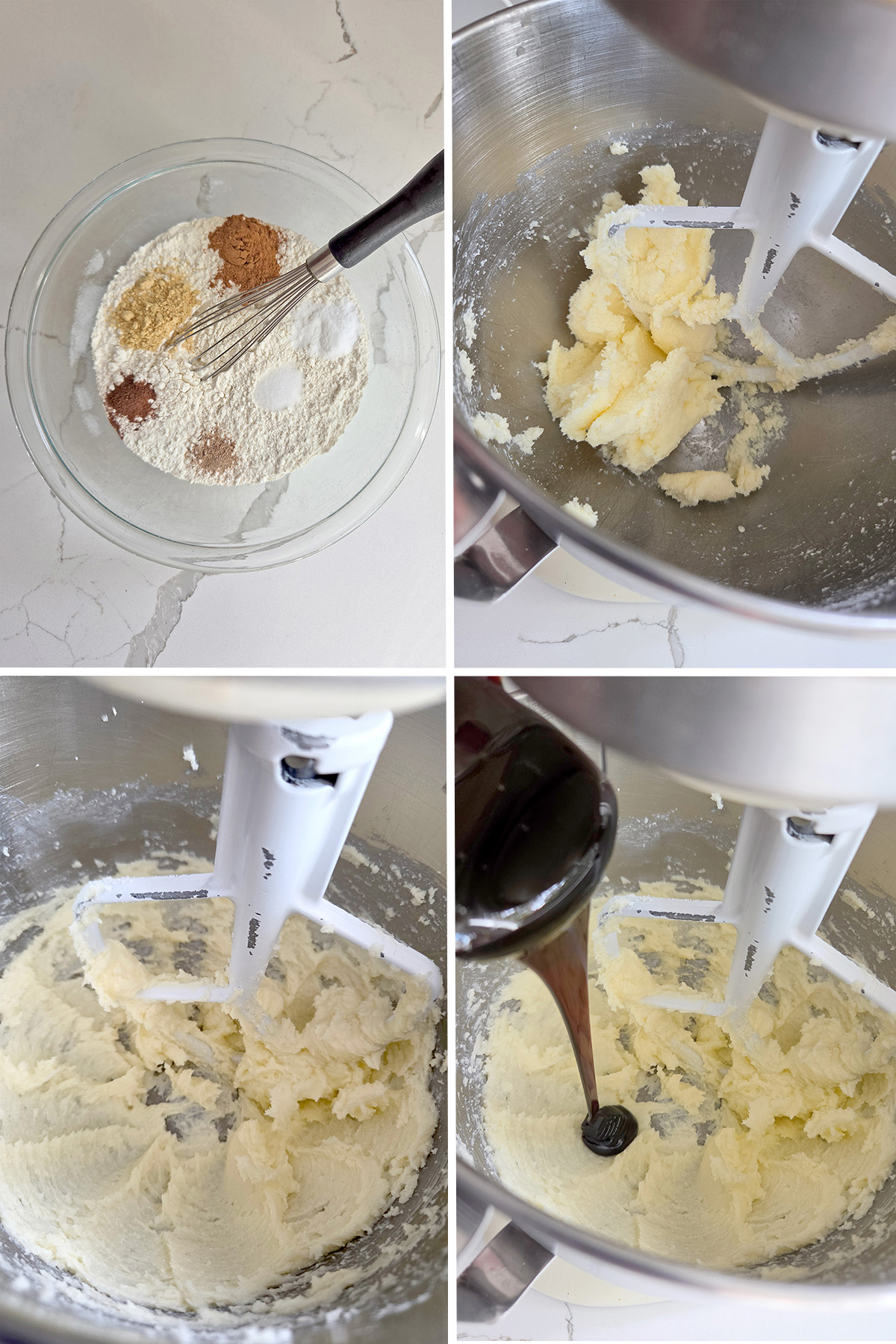
- Phase 1: Mise en Place and Emulsification (0–30 minutes): The process begins by whisking the dry ingredients—flour, ginger, cinnamon, and cloves—to ensure even distribution of leavening. Simultaneously, butter and sugar are creamed. In commercial baking, this stage is crucial for incorporating air, which contributes to the final snap of the cookie.
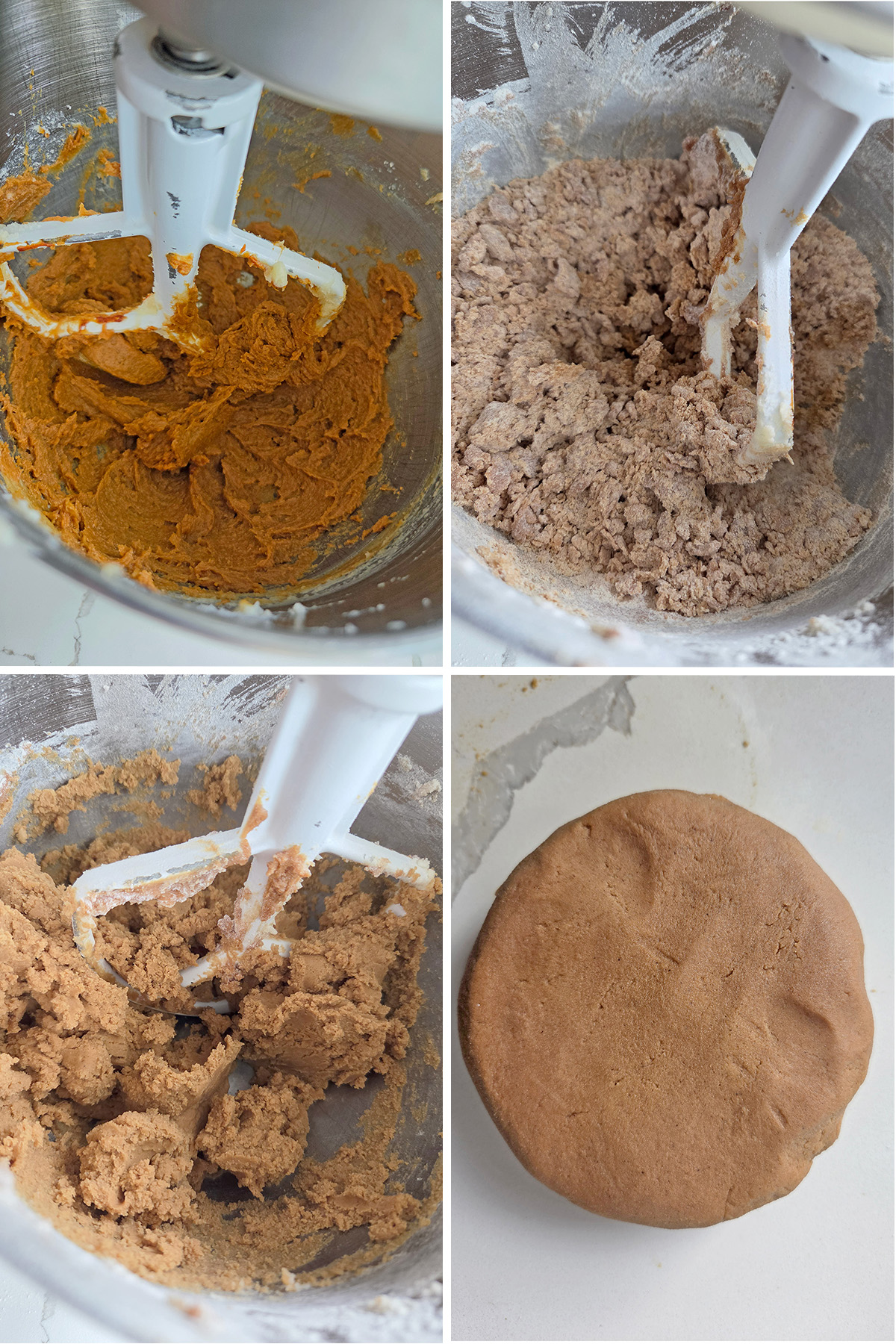
- Phase 2: Incorporation and Hydration (30–45 minutes): The molasses and remaining liquid components are added to the creamed mixture. Once the dough is formed, it requires a mandatory resting period.
- Phase 3: Thermal Conditioning (45–105 minutes): The dough must be chilled for at least one hour. This is not merely for ease of handling; it allows the fats to solidify and the flour to fully hydrate, which prevents the dough from spreading or warping during the high-heat bake.
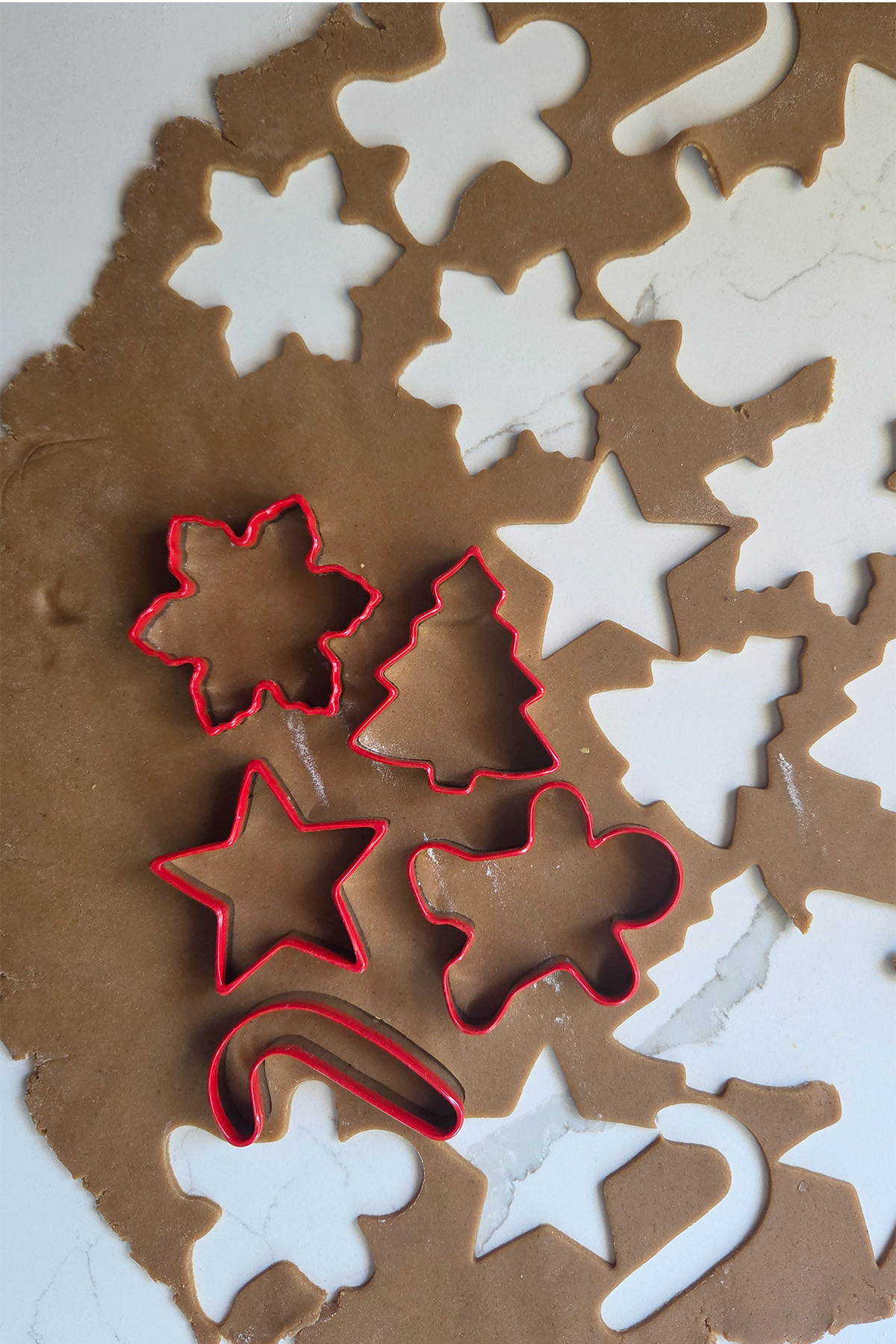
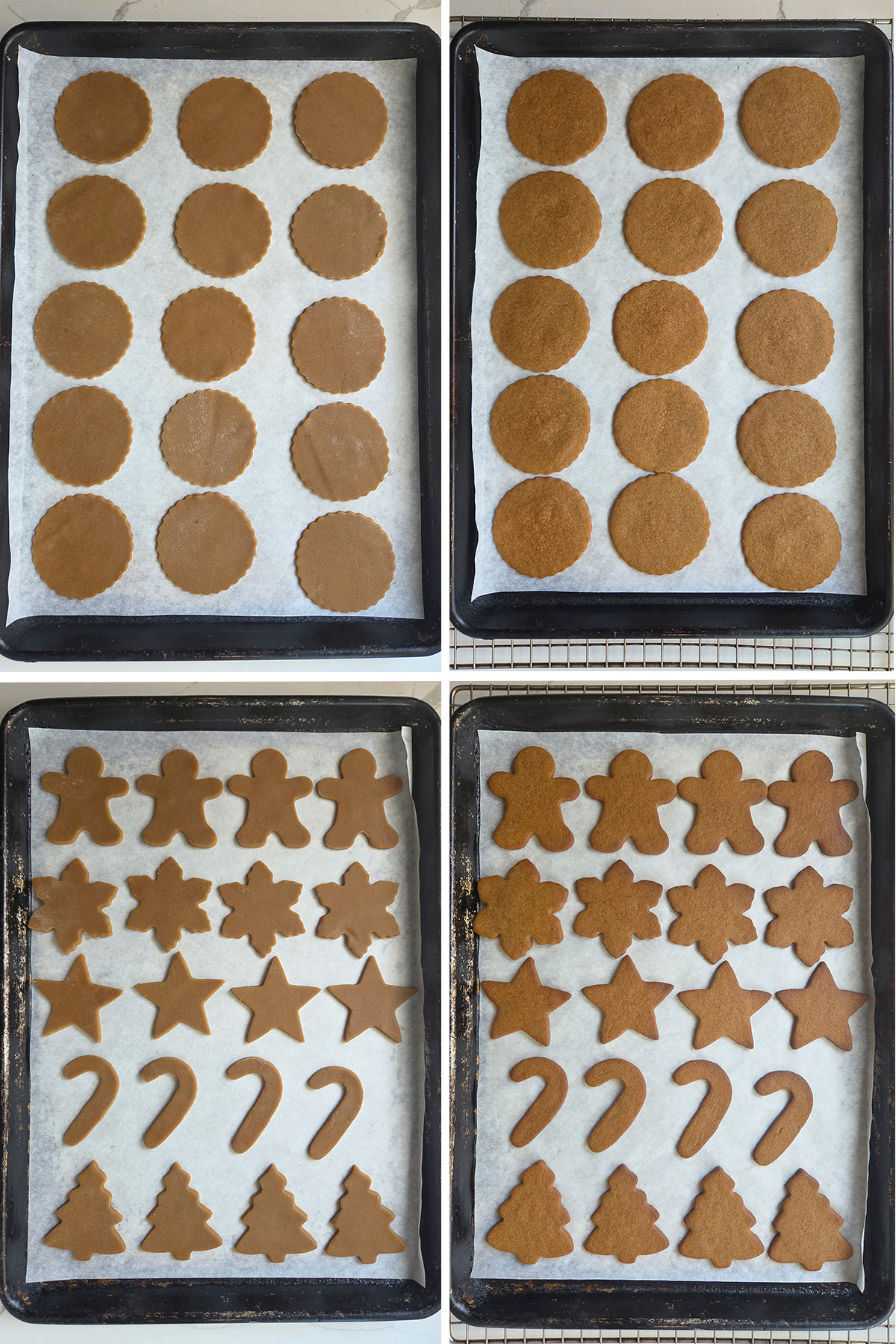
- Phase 4: Shaping and Thermal Processing (105–120 minutes): Rolling the dough to a precise thickness—1/8 inch for maximum crispness or 1/4 inch for a chewy center—dictates the final textural outcome. Baking times are adjusted based on thickness, typically ranging between six to ten minutes in a standard convection or conventional oven.
Comparative Analysis: Gingerbread vs. Gingersnaps
To understand the mechanics of this recipe, it is useful to compare it against its close relative, the gingersnap. While both share a common foundation of ginger and molasses, the two products serve distinct purposes. Gingersnaps are formulated with significantly higher concentrations of baking soda and often include eggs to encourage a rapid, uneven rise that creates a porous, brittle texture.
Conversely, the gingerbread cutout recipe focuses on uniformity. By reducing the chemical leavening, the dough maintains a smooth, flat surface that acts as an ideal canvas for royal icing. This distinction is vital for those planning to use the cookies for decorative purposes, as the structural stability of the base material directly impacts the longevity of the final product.
Economic and Practical Implications of Holiday Baking
The demand for high-quality holiday baked goods increases significantly during the fourth quarter, a trend reflected in retail sales of baking supplies. Data suggests that home baking remains a resilient tradition, with consumer interest in "scratch-made" heritage recipes peaking between late November and mid-December.
The logistical benefits of this specific recipe are twofold: scalability and storage. Because the dough can be frozen for up to one month and the finished, undecorated cookies maintain their quality for two weeks in an airtight environment, the recipe is highly efficient for event planning. Furthermore, the practice of freezing raw cutouts on parchment-lined trays before baking allows for "on-demand" production. This technique is frequently utilized in professional kitchens to minimize waste and ensure the freshest possible product for customers or guests.
Culinary Best Practices for Decorators
The choice of icing is as significant as the recipe for the cookie itself. Royal icing, composed primarily of egg whites and confectioners’ sugar, is the industry standard due to its ability to harden completely. This ensures that decorated cookies can be stacked, packaged, or transported without damaging the artistry.
For those engaging in communal or family decorating, the process is easily modified for varying skill levels. Professionals recommend using a piping bag with a small round tip to achieve the precise, minimalist lines that have become a hallmark of modern gingerbread design. For children or casual decorators, the application of icing as a "glue" for sprinkles or dragées provides a tactile experience that does not require advanced piping skills.
Troubleshooting and Precision Measurement
One of the most common pitfalls in cookie production is the inconsistent measurement of flour. The "dip and sweep" method—dipping the measuring cup directly into the flour canister and leveling it off—is the recommended industry standard for this recipe to ensure the flour-to-fat ratio remains balanced. Over-measuring flour is the primary cause of dry, crumbly dough that fails to hold its shape during the rolling process.
Furthermore, bakers should be aware of the "visual cue" method for determining doneness. Because oven temperatures vary based on the calibration of the unit and the material of the baking sheet (e.g., light-colored aluminum vs. dark non-stick), a strict adherence to a timer is less effective than observing the physical state of the cookies. The edges should be firm and slightly darkened, indicating that the sugars have caramelized, while the center should remain uniform in color.
Broader Context and Legacy
The endurance of the gingerbread cookie in global culture is a testament to the intersection of history and sensory appeal. Whether hung on a tree, served as a dessert, or gifted in elaborate packaging, these cookies represent a standard of quality that has persisted despite the availability of mass-produced alternatives.
By focusing on the fundamental components—quality spices, properly emulsified fats, and careful thermal management—the modern baker can replicate a tradition that has spanned nearly a millennium. The emphasis on high ginger content not only provides the signature flavor but also highlights the historical roots of the spice as a prized commodity. As consumers continue to prioritize authenticity and craftsmanship in their holiday traditions, the mastery of a foundational recipe like this gingerbread remains an essential skill for the home kitchen, providing both a culinary challenge and a rewarding, festive result.