
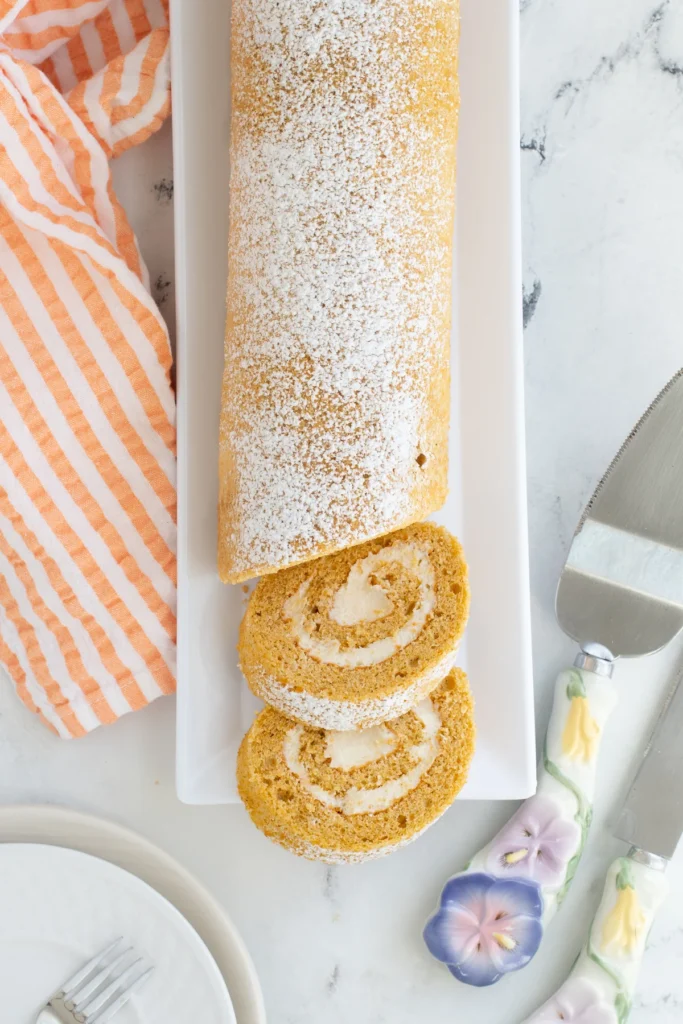
The art of the roulade, specifically the classic autumn-inspired pumpkin roll, has long been considered one of the more intimidating projects for home bakers. The traditional method—which involves rolling the cake while scorching hot, unrolling it to fill, and rolling it once more—is a process frequently blamed for the structural failures that plague amateur pastry chefs. However, a shift in culinary technique, focusing on moisture retention and the inherent properties of chiffon sponge, is changing the landscape of seasonal holiday baking. By abandoning the multi-step rolling process in favor of a single, precision-timed assembly, bakers can achieve a professional-grade dessert that is both visually pristine and structurally sound.
The Science of Chiffon and Structural Integrity
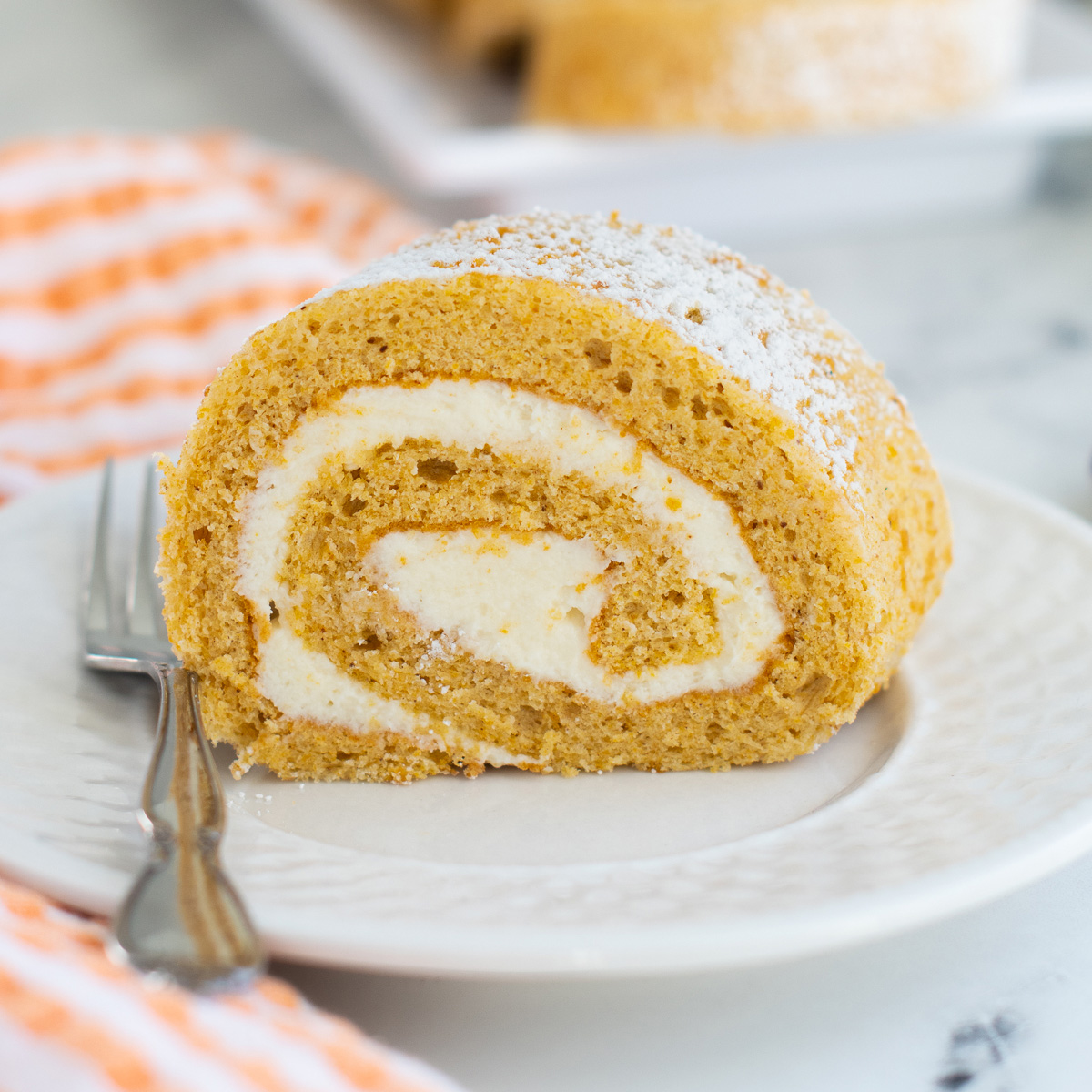
The secret to a successful pumpkin roll lies in the composition of the sponge itself. Culinary experts emphasize that a chiffon-style cake is superior to traditional sponge cakes or genoise for this specific application because it utilizes oil rather than butter. This distinction is critical: butter-based cakes tend to harden significantly when chilled, leading to the brittle, cracked surface that is the nemesis of the roulade. A chiffon cake, enriched with oil, retains a high degree of elasticity even at refrigerated temperatures.
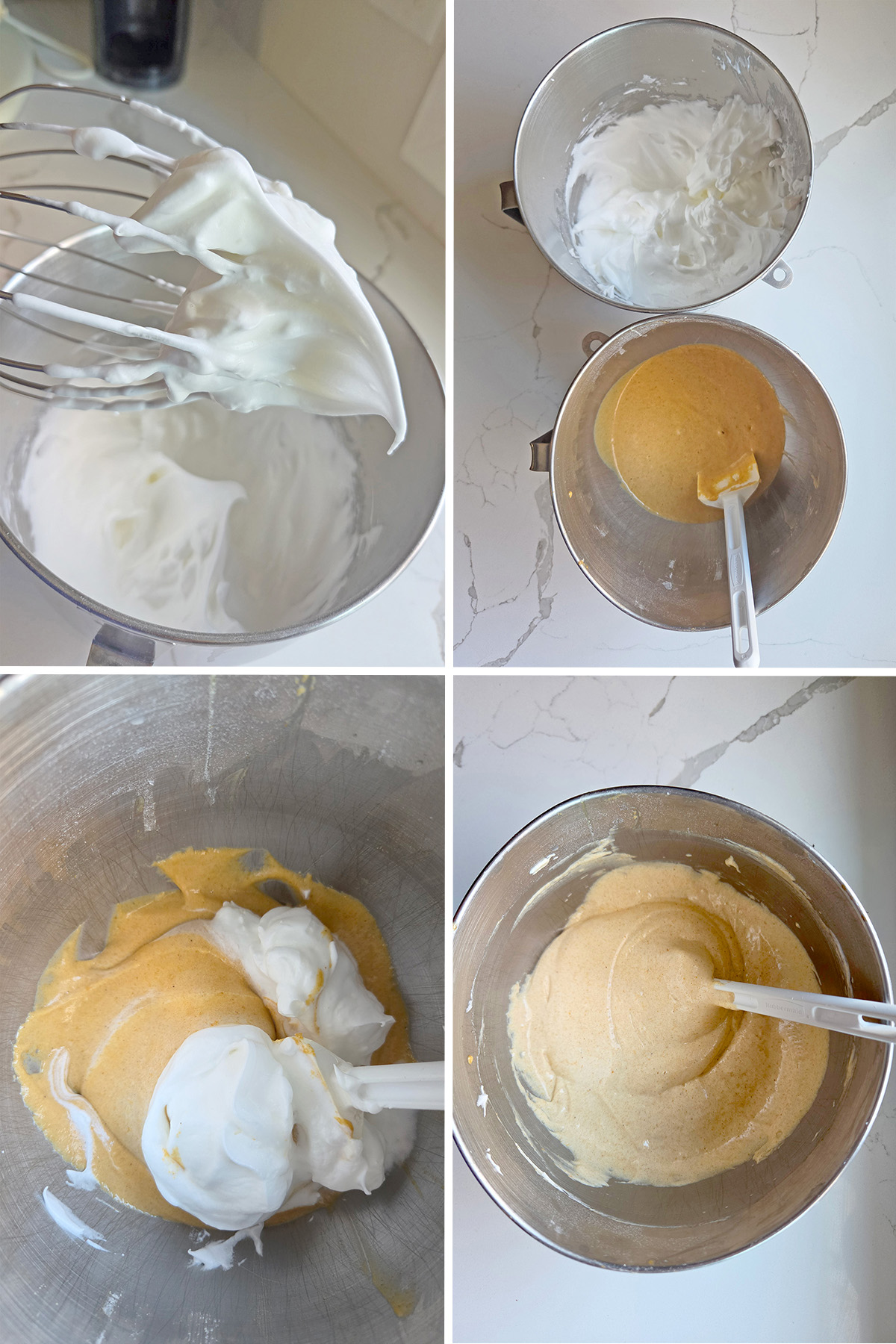
Furthermore, the ratio of protein to starch in the flour, combined with the aeration of egg whites, creates a honeycomb structure that is both delicate and incredibly resilient. When folded correctly, the whipped egg whites provide the necessary lift without the density of a heavy cake, allowing the roll to bend around the filling without the structural fatigue that causes fracturing. According to food science data, maintaining the moisture content of the sponge during the critical cooling phase is the primary determinant of whether the final product will crack or remain supple.
Chronology of the Modernized Baking Process
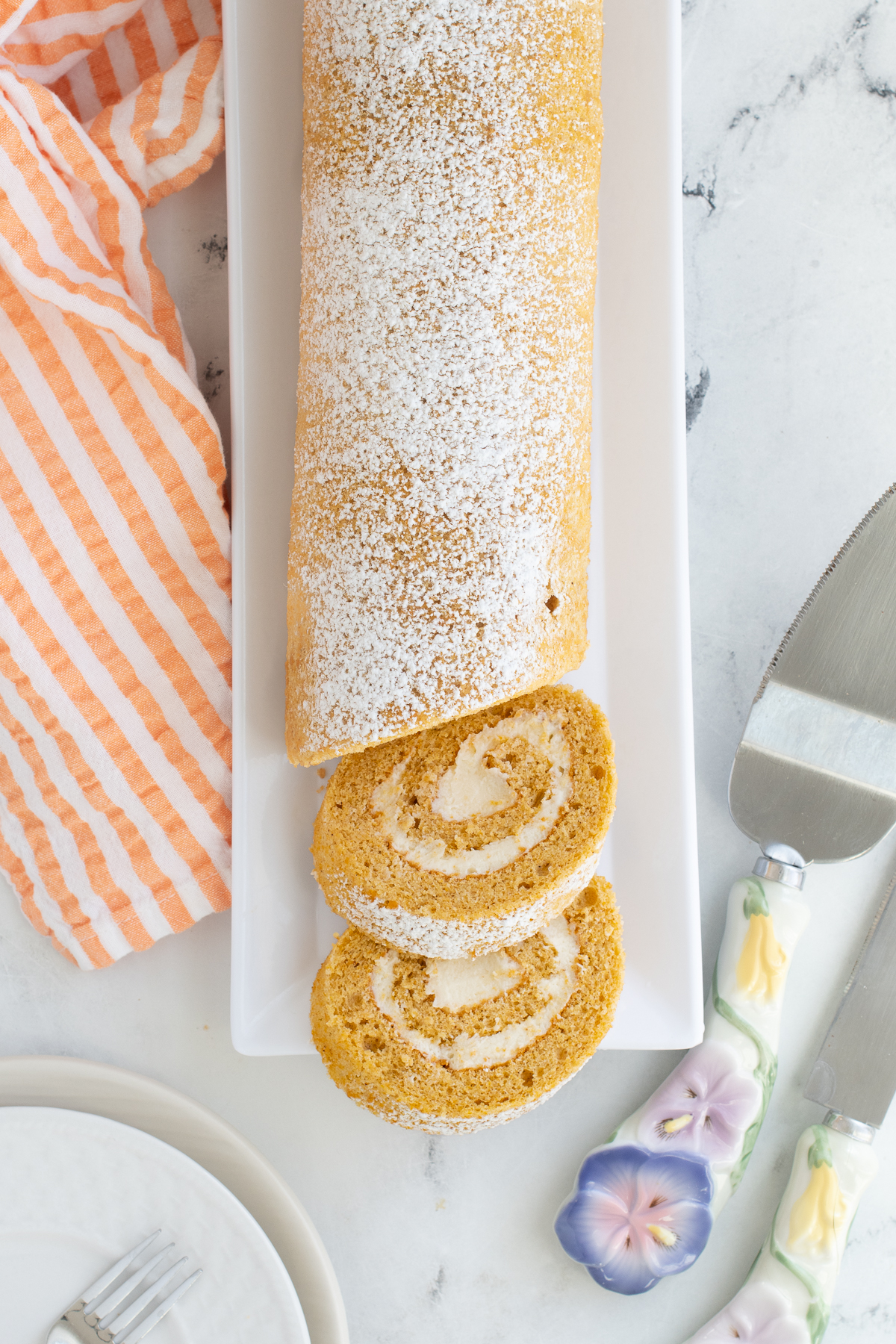
Moving away from the traditional, high-stress rolling methods allows for a more streamlined production timeline. The following chronology outlines the modern approach to preparing a high-quality pumpkin roll:
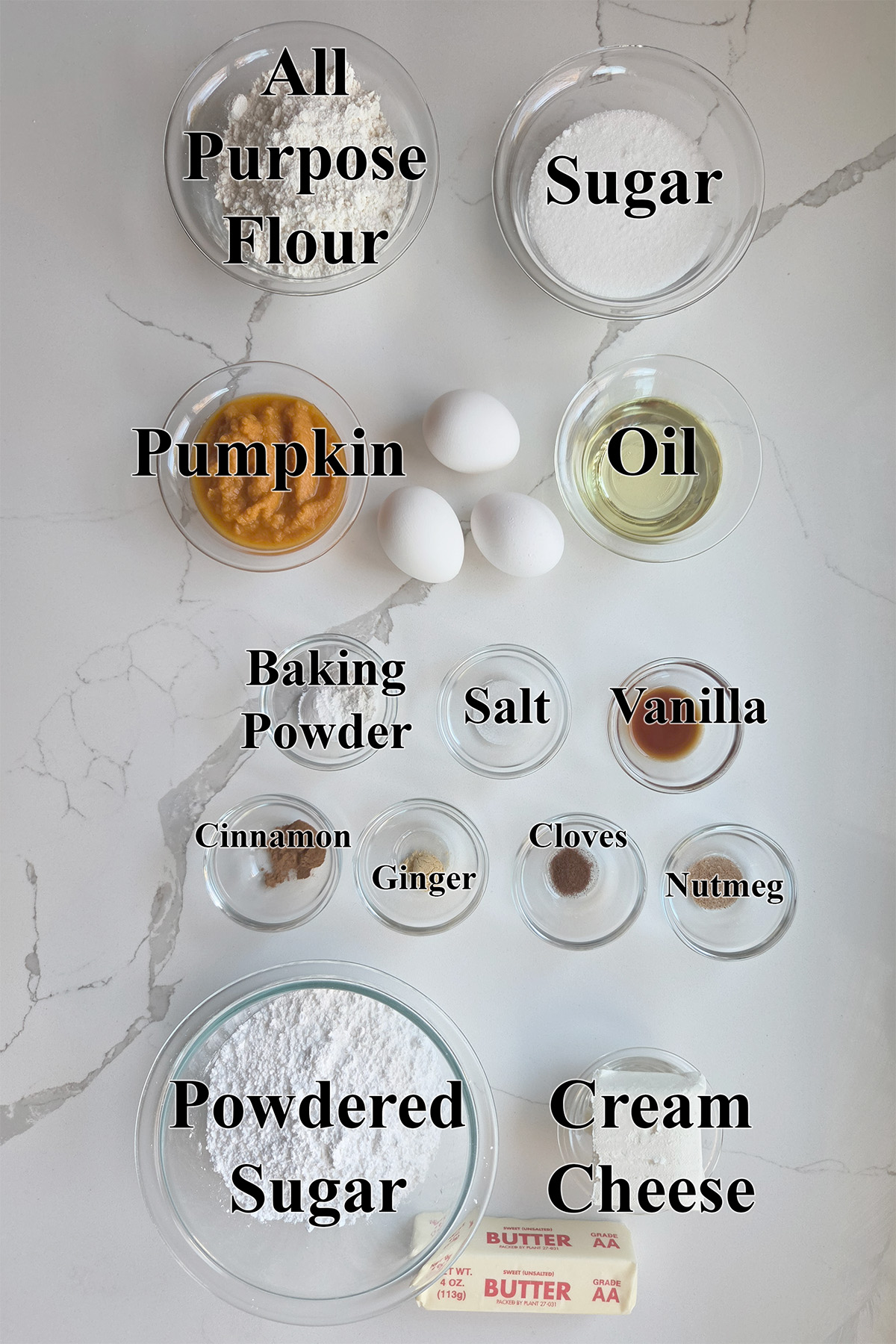
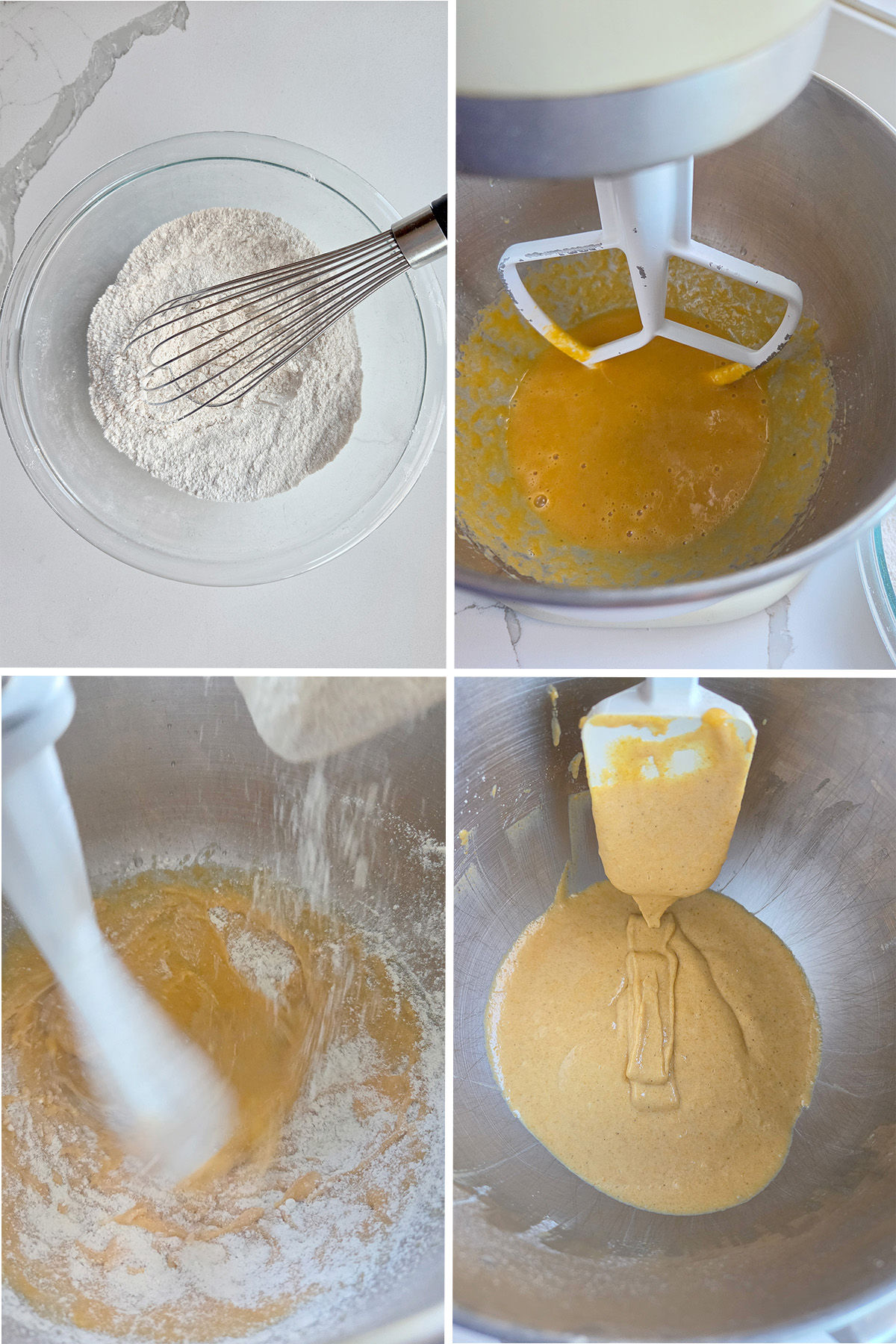
- Preparation Phase (60 Minutes): This includes the initial assembly of ingredients, the precise whisking of the dry components to ensure consistent leavening, and the preparation of the cream cheese filling.
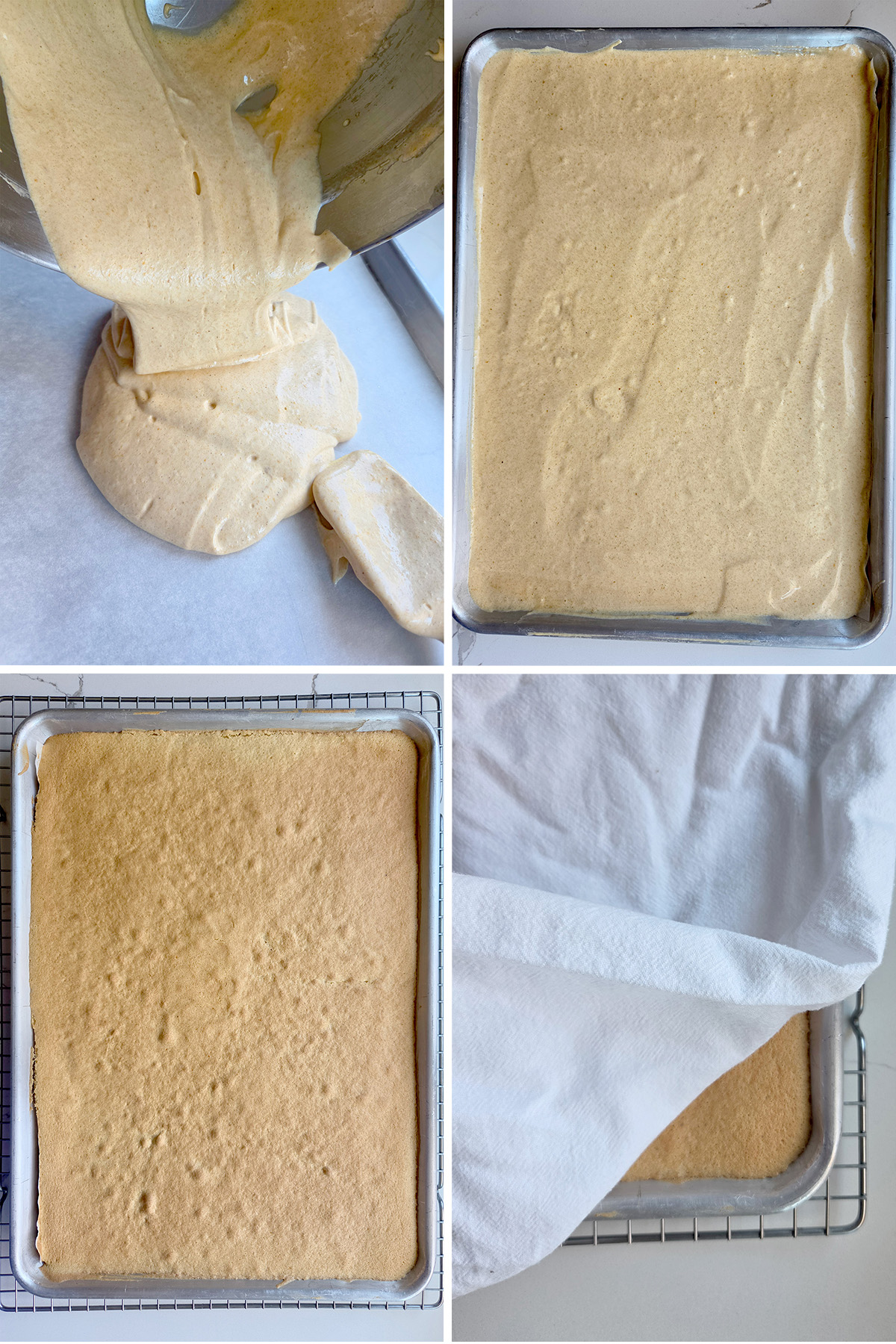
- Thermal Processing (12 Minutes): The baking window is narrow and must be strictly monitored. Overbaking, even by two or three minutes, will remove the essential moisture required for a flexible crumb.
- The Steam-Lock Technique (Immediate Post-Bake): As soon as the cake is removed from the oven, it must be covered with a clean, slightly damp kitchen towel. This step is not merely for cooling; it is a vital stage of the process that traps the ambient steam. This moisture prevents the surface starches from hardening, keeping the exterior supple enough to endure the subsequent rolling process.
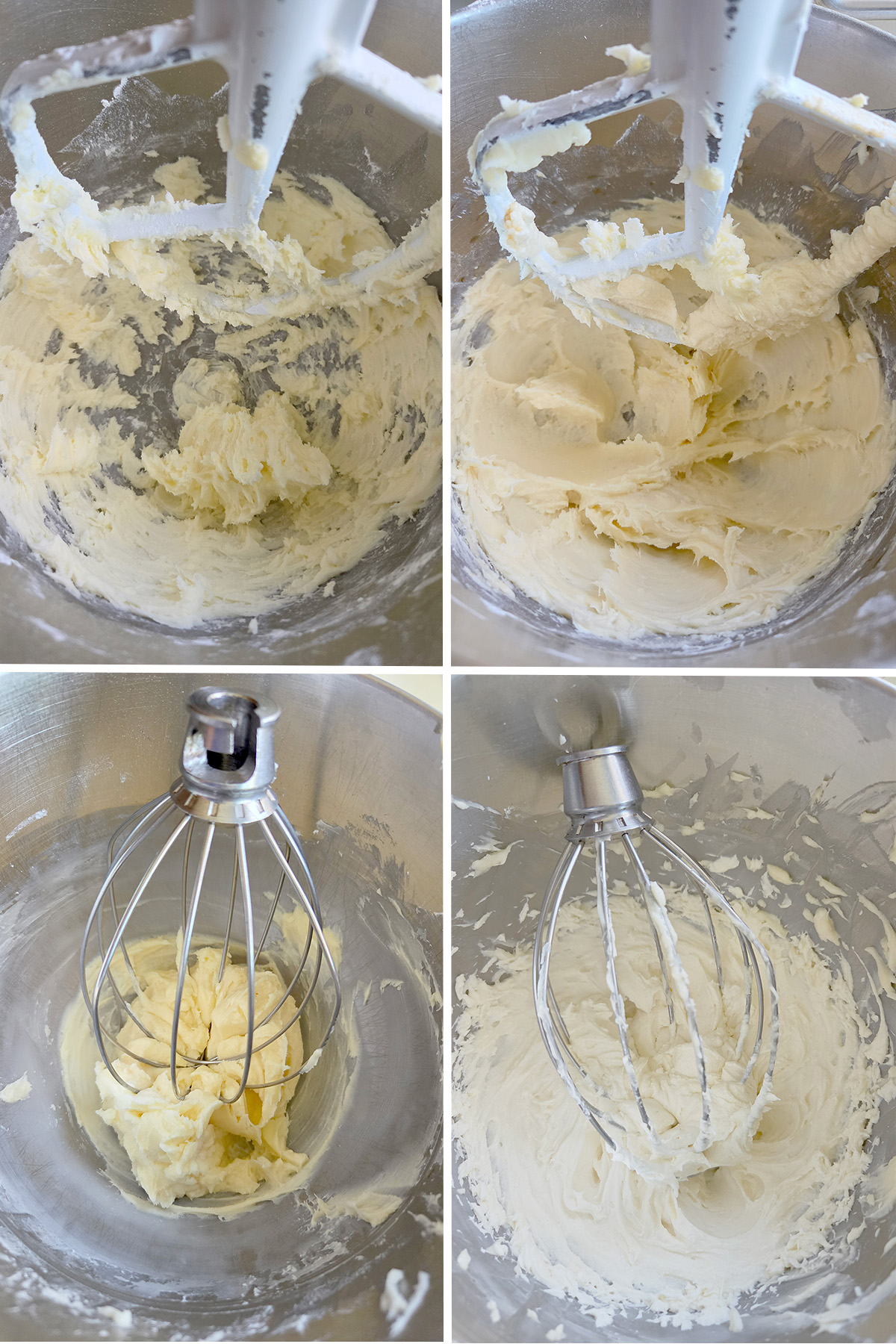
- Assembly and Setting (60 Minutes): Once the sponge has reached a manageable temperature, the filling—a blend of cream cheese, powdered sugar, and aromatics—is applied. Unlike older methods, the cake is rolled exactly once. The roll is then tightened using the parchment paper as a leverage tool and moved to the refrigerator.
Data-Driven Insights and Nutritional Context
From a nutritional and logistical standpoint, the pumpkin roll is a highly efficient dessert for large-scale holiday gatherings. A standard recipe yields approximately 16 servings, with each slice containing roughly 239 calories. The composition includes 13 grams of fat and 29 grams of carbohydrates per serving, making it a relatively moderate dessert option compared to dense, high-butter-content holiday pies.
The shift toward preparing this dish in advance has become a standard recommendation for professional caterers. The dessert is uniquely suited for long-term storage; the high sugar content of the filling and the stability of the chiffon sponge mean that the cake can be frozen for up to one month without significant degradation in quality. Industry reports indicate that freezing the cake, when properly wrapped in airtight plastic, can actually improve the integration of the cream cheese filling with the sponge, resulting in a more cohesive texture upon defrosting.
Addressing Common Failure Points
A frequent point of inquiry among home bakers is why the slices of a pumpkin roll often lose their shape or disintegrate upon serving. Analysis of the baking process reveals two primary culprits: improper chilling and the thickness of the filling layer.
If the roll is not allowed to reach a uniform, chilled temperature—ideally at least one hour in the refrigerator—the cream cheese filling remains too soft to provide structural support to the interior coils of the cake. This results in the "squeezing" effect, where the filling is pushed out of the sides as the knife passes through the sponge. Furthermore, applying an overly thick layer of filling creates a mechanical instability; the weight of the filling can cause the roll to "slide" under its own gravity. Professional bakers advise a thin, even layer, which acts as a binding agent between the layers of the sponge rather than a heavy layer of frosting.
Economic and Practical Implications for the Holiday Season
The rise of the "make-ahead" baking model has significant implications for holiday event planning. For hosts and professional caterers, the ability to finalize a dessert days or weeks in advance of a major event like Thanksgiving is a logistical advantage. Because the pumpkin roll remains stable in the refrigerator for up to three days, it eliminates the need for last-minute kitchen labor, allowing for better management of oven space and prep time on the day of the event.
Furthermore, the versatility of the filling offers a gateway for culinary customization. While traditionalists stick to the classic tangy cream cheese blend, the core recipe for the chiffon sponge is neutral enough to support variations such as whipped ganache, spiced buttercream, or even an ermine frosting. This adaptability allows the dish to remain a staple of seasonal menus while evolving to suit changing flavor preferences.
Expert Recommendations for Success
Industry experts emphasize that the equipment used is as important as the technique. Utilizing a standard half-sheet pan (13×18 inches) ensures the correct surface-area-to-volume ratio, which is vital for achieving the specific thinness required for a roll. A thicker cake, no matter the recipe, will always be more prone to cracking due to the increased tension required to bend the crumb.
Regarding ingredients, the use of high-quality, full-fat cream cheese is non-negotiable. Lower-fat alternatives often contain stabilizers that can alter the texture of the filling, making it less stable during the chilling process. The inclusion of aromatic spices—cinnamon, ginger, cloves, and nutmeg—should be balanced against the sweetness of the sugar to ensure that the final product provides the classic, earthy flavor profile associated with autumn desserts.
The Broader Impact on Home Baking Trends
The transition away from the "roll-unroll-reroll" dogma marks a broader trend in home baking toward scientific efficiency. By focusing on the physics of the sponge rather than relying on outdated, labor-intensive habits, the home baker is empowered to produce results that were once restricted to commercial kitchens. This democratization of pastry skills is being fueled by an increased availability of precise, measured recipes and the widespread sharing of process-oriented photography, which helps bakers visualize each stage of the construction.
As the culinary world continues to embrace these more efficient, less stressful methodologies, the traditional pumpkin roll is likely to remain a cornerstone of seasonal festivities. Its combination of accessibility, storability, and consistent, high-quality results ensures that it will continue to be a favored centerpiece for both intimate family gatherings and large-scale holiday celebrations for years to come. Ultimately, the move toward a single-roll technique is not just a shortcut; it is a sophisticated advancement in the pursuit of the perfect, crack-free roulade.



0 Komentar
Sampaikan opini dan diskusi yang membangun dengan bahasa yang santun.
No Comments Yet
Be the first to share your thoughts on this story.