
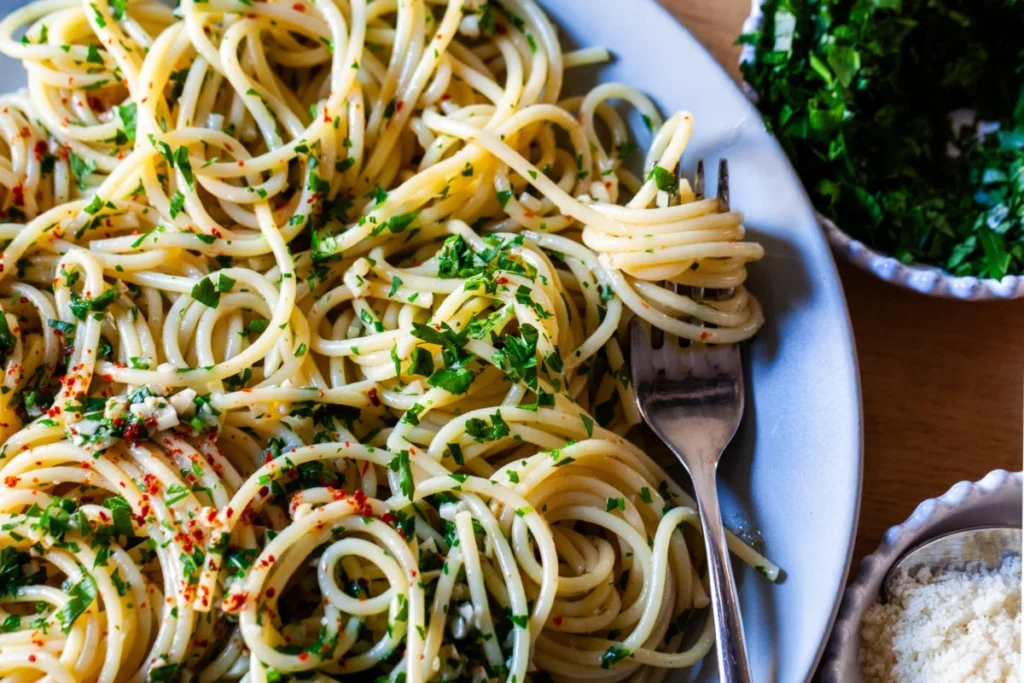
In the relentless rhythm of modern domestic life, culinary fatigue frequently intersects with dwindling pantry resources, prompting home cooks to seek out meals that require minimal effort while delivering maximum satisfaction. Among the pantheon of quick-fix dinners, few dishes command as much reverence and historical pedigree as Spaghetti Aglio e Olio. Hailing from the historic Italian city of Naples, this classic preparation of pasta, garlic, olive oil, and red pepper flakes has transitioned from a regional staple into a global symbol of resourcefulness. As households navigate the dog days of summer—often compounded by the limited cookware of ill-equipped vacation rentals—Aglio e Olio offers a masterclass in minimalist gastronomy, proving that exceptional flavor is not contingent upon an exhaustive ingredient list.
Main Facts and Nutritional Economics of Aglio e Olio
At its core, Spaghetti Aglio e Olio is an exercise in culinary alchemy. The recipe relies on pantry staples that are almost universally accessible: spaghetti, extra-virgin olive oil, fresh garlic, crushed red pepper flakes, salt, and occasionally fresh parsley. Despite utilizing fewer than six fundamental ingredients, the dish yields a complex flavor profile defined by the nutty, aromatic richness of gently browned garlic and the subtle heat of chile flakes, all emulsified into a glossy coating through the clever integration of starchy pasta water.

Data compiled by culinary historians and consumer research groups indicate that pantry-staple meals have seen a surge in popularity, driven by both economic considerations and shifting lifestyle habits. When evaluated through the lens of nutritional economics, Aglio e Olio represents an optimal balance of energy provision and financial efficiency. A standard serving provides complex carbohydrates necessary for sustained physical endurance, heart-healthy monounsaturated fats from quality olive oil, and bioactive compounds derived from allium-family vegetables like garlic, which is widely studied for its cardiovascular and immune-supporting properties.
Historical Chronology and Evolution in Neapolitan Cuisine
The origins of Spaghetti Aglio e Olio are deeply rooted in the working-class culture of Naples, a coastal metropolis with a long history of ingenious, budget-conscious cooking. Chronologically, the dish emerged centuries ago as a staple for fishermen, laborers, and families who lacked access to expensive dairy or meat products.
During periods of economic hardship or seasonal scarcity in Southern Italy, cooks relied heavily on local agriculture—specifically olives, garlic, and durum wheat pasta. Unlike northern Italian preparations that frequently incorporate butter, cream, and rich broths, Neapolitan cuisine championed the Mediterranean triad of wheat, oil, and aromatics.

As Southern Italian immigrants traveled abroad during the late 19th and early 20th centuries, they brought regional recipes like Aglio e Olio to urban centers across the United States, South America, and Northern Europe. Over decades, the dish evolved from a survival food into a celebrated canvas for home cooks. While traditional purists strictly prohibit the addition of cheese—arguing that dairy overpowers the delicate balance of oil and garlic—contemporary variations often incorporate grated Parmigiano-Reggiano, toasted breadcrumbs for textural contrast, or proteins such as grilled shrimp and lemon-infused chicken thighs.
Culinary Technique: The Science of Emulsification
The success of Aglio e Olio depends entirely on technique rather than expensive ingredients. Professional chefs and culinary scientists frequently highlight the specific sequence of operations required to achieve the signature velvety sauce.
The process begins by boiling high-quality spaghetti in generously salted water until it reaches the al dente stage, typically one to two minutes shy of complete package instructions. Crucially, before draining the pasta, the cook must reserve a cup of the cloudy, starch-laden cooking water.

Unlike conventional sauces that are applied as an afterthought, the garlic and oil are combined in a cold skillet alongside the red pepper flakes before the heat is applied. This deliberate method prevents the delicate sugars in the garlic from burning and turning bitter, ensuring a sweet, aromatic infusion. Once the garlic turns a pale golden hue, the drained pasta is introduced to the pan alongside a substantial portion of the reserved starchy water. Vigorous tossing over medium heat forces the oil, water, and starch to bind together, creating a stable emulsion that coats every strand of spaghetti without pooling at the bottom of the bowl.
Official Responses and Cultural Significance
While no formal government body regulates the preparation of Aglio e Olio, culinary institutions and cultural organizations in Italy actively promote the preservation of traditional Neapolitan recipes. The Accademia Italiana della Cucina (Italian Academy of Cuisine) frequently documents regional dishes to protect them against excessive culinary drift. Culinary experts within these organizations emphasize that the simplicity of Aglio e Olio serves as a vital touchstone for modern gastronomy, reminding consumers that superior technique often supersedes culinary complexity.
In contemporary food media, renowned chefs have repeatedly spotlighted Aglio e Olio as an essential baseline skill. Cooking instructors frequently utilize the recipe in educational settings to teach students fundamental principles such as temperature control, fat-acid balance, and the physics of starch emulsions.

Broader Impact and Implications for Modern Households
The enduring appeal of Spaghetti Aglio e Olio extends far beyond nostalgia or convenience; it speaks directly to the shifting dynamics of modern labor and domestic life. In an era where work-life balance is increasingly strained, the mental burden of meal planning—often referred to as cognitive fatigue—can significantly impact household well-being.
By maintaining a reliable repertoire of low-friction, high-reward recipes, home cooks can mitigate evening stress. Aglio e Olio functions as a dependable culinary safety net. Whether modified with leftover roasted vegetables from the back of the refrigerator, paired with a simple green salad, or elevated with fresh seafood, the dish adapts seamlessly to the constraints of the cook.
Ultimately, Spaghetti Aglio e Olio endures not merely because it is inexpensive or rapid to prepare, but because it delivers sensory satisfaction that far outweighs the physical labor required to make it. In the height of summer or the dead of winter, the universal aroma of garlic sizzling in olive oil continues to bridge generations, beckoning household members to the table with the promise of comfort, tradition, and culinary excellence.




0 Komentar
Sampaikan opini dan diskusi yang membangun dengan bahasa yang santun.
Belum Ada Komentar
Jadilah yang pertama memberikan tanggapan mengenai berita ini.