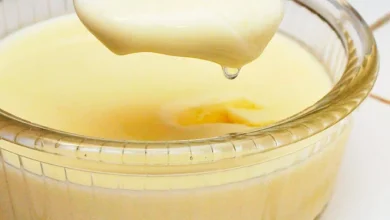
The Weirdest Ice Cream Flavor You’ll Crave Again. + – [WTF Ep 409]


The intersection of culinary tradition and avant-garde experimentation has reached a new milestone with the introduction of black garlic honey ice cream, a flavor profile that challenges the conventional boundaries of dessert. While garlic is traditionally relegated to savory applications in Western cuisine, the process of fermentation transforms it into a complex, balsamic-like ingredient that pairs unexpectedly well with the floral notes of honey and the richness of dairy. This development, highlighted in the latest episode of the "We Transform Food" series, represents a broader trend in modern gastronomy: the dismantling of the rigid wall between sweet and savory flavor profiles.
The Science of Fermentation and Flavor Transformation
To understand why a pungent bulb like garlic works in an ice cream base, one must examine the Maillard reaction and the process of black garlic production. Black garlic is created by subjecting fresh garlic to low heat (typically between 60°C and 80°C) and high humidity over a period of several weeks. During this time, the cloves undergo a non-enzymatic browning process. The heat causes the sugar and amino acids to react, producing melanoidins, which darken the cloves and impart a sweet, syrupy, and umami-rich flavor profile.
Unlike raw garlic, which contains high levels of allicin—the compound responsible for the sharp, pungent bite—black garlic loses this intensity during the curing process. The sulfur compounds break down, leaving behind a flavor that many culinary experts compare to aged balsamic vinegar, molasses, tamarind, or dried plum. When incorporated into an ice cream base, these deep, earthy notes act as a counterpoint to the high fat content of the cream and the saccharine sweetness of honey, creating a balanced, multi-dimensional sensory experience.
A Chronology of Culinary Innovation
The evolution of unconventional ice cream flavors did not begin with black garlic; it is the culmination of decades of modernist culinary experimentation. In the early 2000s, chefs like Heston Blumenthal and Ferran Adrià pioneered the use of science to alter the texture and perception of food. Their work brought us savory ice creams such as mustard, bacon, and even crab.
The timeline of this shift can be categorized into three distinct eras:
- The Foundational Era (1990s–2000s): The rise of molecular gastronomy. Chefs began using liquid nitrogen and specialized stabilizers to create textures that were previously impossible, leading to the first high-profile savory ice cream experiments.
- The Ingredient-Discovery Era (2010–2018): As specialty ingredients like black garlic, miso, and gochujang became more accessible to the home cook, the focus shifted from technique-driven innovation to flavor-profile exploration.
- The Modernist Pantry Era (2019–Present): Platforms like "We Transform Food" have bridged the gap between professional laboratory kitchens and home culinary enthusiasts. By providing tutorials on how to stabilize and emulsify complex ingredients, these platforms have normalized the use of "challenging" ingredients in everyday home cooking.
Supporting Data and Sensory Analysis
The appeal of black garlic honey ice cream lies in the concept of "flavor bridging." In culinary science, this refers to the pairing of ingredients that share specific volatile compounds. Both black garlic and honey contain complex sugars and phenolic compounds that harmonize on the palate.
Data from sensory panels conducted by food science departments have shown that consumers are increasingly seeking "experience-based" eating. According to a 2023 food trend report, nearly 45% of surveyed consumers in the experimental dining category reported a preference for "unexpected flavor combinations" over traditional, single-note desserts. The black garlic ice cream serves as a prime example of this consumer shift, providing a sensory experience that requires the taster to engage with the dessert slowly, allowing the palate to distinguish the layers of flavor.

Institutional Perspectives on Avant-Garde Gastronomy
The creators behind the "We Transform Food" series, a program facilitated by Modernist Pantry, maintain that the objective of such recipes is not to shock the consumer, but to educate them on the versatility of ingredients. By treating black garlic as a fermented condiment rather than a vegetable, the culinary team argues that the stigma associated with the bulb is removed.
"The goal is to move past the preconception of what an ingredient is supposed to be," says a spokesperson for the series. "When you strip away the identity of the ingredient and focus on its chemical properties—its sweetness, its acidity, its umami—the possibilities for application become limitless. Black garlic is a powerhouse of flavor depth, and it acts as a bridge between the savory and the sweet."
Broader Implications for the Food Industry
The rise of recipes like black garlic honey ice cream has implications for both the home kitchen and the commercial food industry. For the commercial sector, it signals a movement toward "gourmet-ization," where mass-produced food products are beginning to incorporate artisanal, fermented ingredients to appeal to a more sophisticated consumer base.
For the home cook, the adoption of these techniques represents a democratization of modernist culinary tools. The accessibility of high-quality, pre-fermented ingredients allows individuals to replicate professional-grade flavors without the need for specialized laboratory equipment. This contributes to a growing trend of "home laboratory" cooking, where hobbyists utilize tools like precision immersion circulators, digital scales, and specialized stabilizers to achieve consistent, professional results.
The Future of Flavor Profiling
As we look toward the future, the integration of savory elements into sweet applications is expected to expand. Culinary historians suggest that we are currently in the midst of a "flavor correction," moving away from the excessive sweetness that dominated the mid-20th century. By incorporating ingredients that offer depth, bitterness, and umami—such as black garlic, dark chocolate, sea salt, and even medicinal herbs—chefs are creating products that satisfy the human appetite for variety while potentially lowering the reliance on refined sugars.
The success of the black garlic honey ice cream recipe is a testament to this shift. It is a dish that demands attention and appreciation for the chemistry behind the bowl. While it may not replace traditional vanilla or chocolate in the global market, it carves out a significant niche for those who view food as a medium for exploration and intellectual engagement.
Conclusion: Beyond the Novelty
While the premise of garlic in ice cream might strike some as a novelty, the underlying execution—the careful balancing of sweetness and umami—is rooted in sound culinary principles. The "We Transform Food" series continues to push these boundaries, providing a framework for how ingredients can be manipulated to create memorable experiences. As modern technology continues to integrate with traditional kitchen crafts, we can expect to see further blurring of the lines between the pantry and the dessert course.
Ultimately, the black garlic honey ice cream is more than just a recipe; it is a manifestation of the ongoing evolution of the modern palate. It invites consumers to set aside their culinary biases and embrace a more nuanced, complex, and rewarding way of eating. Through the lens of modernist pantry techniques, even the most unlikely ingredients can be transformed into culinary masterpieces that challenge our definitions of what a dessert can be. Whether this flavor gains widespread commercial popularity or remains a niche delight for the culinary curious, it serves as a powerful reminder that in the world of gastronomy, the most unforgettable experiences are often found just outside of our comfort zones.