
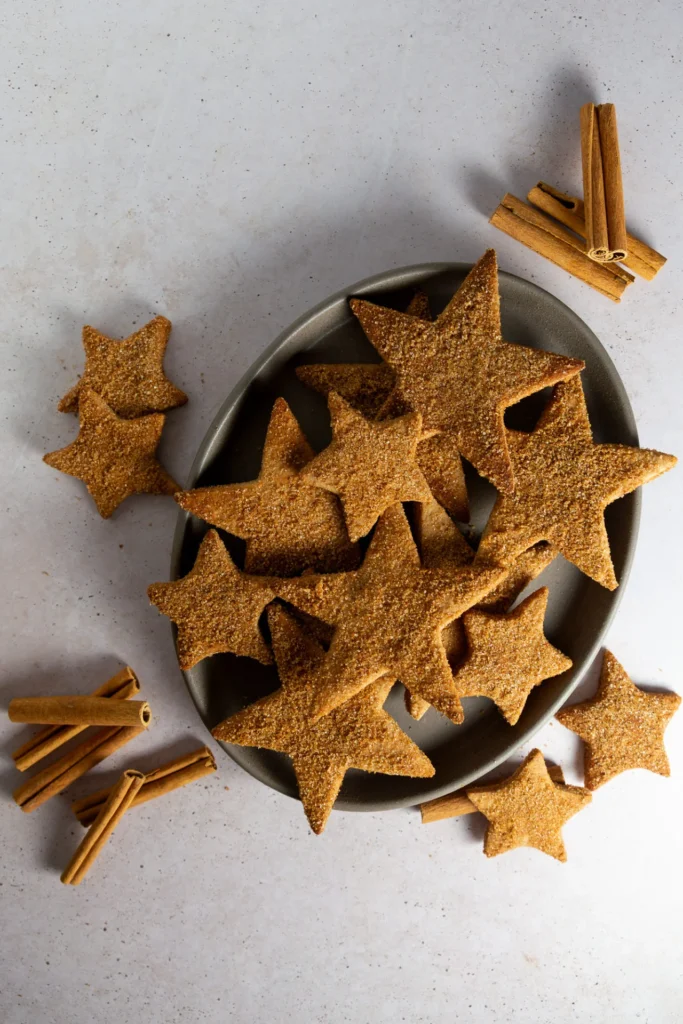
The culinary traditions of northern Mexico, particularly around the industrial and cultural hub of Monterrey, are frequently defined by hearty proteins, robust salsas, and flour-based staples that differ significantly from the corn-centric cuisines of central and southern regions. Among these regional treasures, hojarascas—traditional Mexican shortbread cookies dusted generously in cinnamon sugar—occupy a revered place in local culture, especially during the winter holiday season. Characterized by their remarkably sandy, delicate texture that causes them to dissolve upon contact with the palate, these confections represent a convergence of European baking techniques and indigenous ingredients introduced during the colonial era. Culinary historians note that the evolution of northern Mexican pastry reflects the historical scarcity of certain dairy products in arid landscapes, prompting the widespread adoption of lard and, subsequently, vegetable shortening to achieve desired fat contents in baked goods. In contemporary home kitchens and professional bakeries alike, the preparation of hojarascas has transcended its utilitarian origins to become an act of cultural preservation, invoking memories of family gatherings, festive hearths, and the comforting ritual of pairing freshly baked sweets with warm beverages such as Mexican hot chocolate or spiced herbal teas.
Historical Context and Cultural Significance
The genesis of shortbread-style cookies in Mexico traces back to the Spanish colonial period, during which European confectionary traditions—heavily influenced by Moorish culinary practices utilizing nuts, lard, and heavy spices—were integrated into local diets. In the northern states, including Nuevo León, Coahuila, and Tamaulipas, the harsh geography and cattle-ranching economy fostered a culinary reliance on preserved fats and wheat flour rather than the corn masa characteristic of Mesoamerican traditions. Hojarascas emerged within this framework as a resilient, long-lasting sweet that could be produced with basic pantry staples: flour, fat, sugar, and cinnamon. Over generations, the recipe became intrinsically tied to winter celebrations, posadas, and Christmas Eve dinners. Sociologists and food anthropologists observe that holiday foods function as cultural anchors, providing communities with a sense of continuity and shared identity amid rapid modernization. The preparation of hojarascas, often passed down orally through maternal lineages, serves as a tangible link to regional heritage, distinguishing the northern gastronomic identity from that of the rest of the country.

Culinary Mechanics: Texture, Fat Selection, and Flavor Infusion
Achieving the signature texture of authentic hojarascas requires careful attention to fat composition and mixing methodology. Traditional formulations relied extensively on pork lard, which imparts a distinct richness and promotes the crumbly, sandy crumb structure that separates hojarascas from standard sugar cookies. However, modern adaptations have seen a significant shift toward vegetable shortening or solid coconut oil to accommodate dietary preferences and restrictions, such as vegetarianism or specific religious dietary laws, while maintaining the essential physical characteristics of the cookie.
Culinary experts emphasize that the choice of fat directly influences moisture retention and structural integrity. Vegetable shortening provides a neutral flavor profile that allows the aromatic elements—primarily cinnamon and vanilla—to dominate the sensory experience. Conversely, utilizing solid coconut oil introduces a lighter mouthfeel, though culinary technicians advise employing refined coconut oil to prevent an overpowering tropical coconut aroma from eclipsing the traditional warmth of the cinnamon. Furthermore, innovative pastry chefs have modernized the flavor profile by incorporating concentrated cinnamon tea directly into the dough matrix rather than limiting the spice exclusively to the exterior sugar coating. This technique ensures a multidimensional flavor release, allowing the warm, woody notes of the spice to permeate every layer of the confection.
Preparation Methodology and Standardized Production
The production process for authentic hojarascas demands precision, particularly regarding dough handling and thermal management during baking. Standard professional and domestic protocols begin with the aeration of the chosen fat—be it lard, vegetable shortening, or solid coconut oil—combined with granulated sugar until the mixture achieves a creamy consistency. Liquid elements, such as water or a robust, reduction-heavy cinnamon tea, are subsequently incorporated under controlled mixing speeds to prevent emulsion failure.
Dry ingredients, consisting primarily of unbleached all-purpose flour and a minimal leavening agent or pinch of salt, are folded in gently to avoid gluten overdevelopment, which would compromise the delicate, crumbly texture that defines the cookie. Once homogenized, the dough is typically rolled out to a uniform thickness of approximately one-half inch. Traditional aesthetics frequently favor star-shaped or diamond-shaped cutters, yielding symmetrical portions that bake evenly. Thermal processing generally occurs in moderate ovens ranging from 325°F to 350°F (160°C to 175°C), carefully monitored to prevent browning beyond a pale golden hue. The final phase involves coating the warm cookies in a specialized mixture of fine granulated sugar and ground cinnamon immediately upon removal from the heat source, ensuring optimal adhesion.
Nutritional Profile and Dietary Adaptations
From a nutritional perspective, traditional hojarascas are classified as high-density energy foods, driven by their significant lipid and carbohydrate content. Standard dietary analyses indicate that a single standard portion—typically weighing between 15 to 20 grams—contributes approximately modest caloric values depending on exact sizing, but remains predominantly composed of refined carbohydrates and saturated or trans-fats derived from the shortening or lard base.

In response to growing consumer demand for health-conscious alternatives, contemporary bakers have experimented with modified formulations that substitute refined white flour with whole-grain or gluten-free flour blends, and replace traditional sugars with unrefined sweeteners such as piloncillo or plant-based sugar substitutes. While these modifications alter the structural integrity and moisture levels of the cookie—frequently requiring the addition of binding agents like xanthan gum or modifications to the fat-to-flour ratio—they successfully broaden accessibility for consumers managing metabolic conditions such as diabetes or adhering to specialized gluten-free diets.
Economic Implications and Regional Tourism Impact
Beyond domestic kitchens, the cultural resonance of hojarascas translates into notable economic activity within regional tourism and artisanal bakery sectors throughout northeastern Mexico. During the autumn and winter holiday cycles, local panaderías (bakeries) in Monterrey and surrounding municipalities report substantial surges in sales of traditional holiday sweets. Artisanal producers leverage the nostalgia associated with hojarascas to market regional culinary tourism, attracting domestic and international travelers seeking authentic gastronomic experiences.
Furthermore, the digital economy has amplified the reach of traditional recipes. Food journalism platforms, digital recipe archives, and culinary blogs frequently feature hojarascas as a focal point for cross-cultural culinary exchange, driving web traffic and engaging global audiences interested in authentic Mexican regional baking. This digital documentation not only preserves ephemeral culinary knowledge but also stimulates secondary markets for specialized baking equipment, imported Mexican cinnamon (Cinnamomum verum), and commemorative servingware.

Broader Industry Analysis and Future Outlook
The sustained popularity of hojarascas underscores a broader consumer trend toward heritage foods and comfort baking, a phenomenon accelerated by global shifts in lifestyle and a collective desire for culinary authenticity. Food industry analysts note that traditional, labor-intensive regional recipes are experiencing a renaissance as consumers seek tactile, screen-free activities that foster social connection and cultural appreciation.
Looking forward, the preservation and adaptation of recipes like hojarascas highlight the dynamic nature of cultural heritage. As culinary practitioners continue to balance strict adherence to historical methods with modern nutritional demands, regional specialties from Monterrey are securing a permanent place in the global culinary lexicon. Whether prepared with traditional pork lard in a historic downtown bakery or adapted with coconut oil in an international kitchen, the hojarasca remains a resilient symbol of northern Mexican hospitality, demonstrating that simple ingredients, executed with precision and care, can transcend geographical and temporal boundaries to resonate across generations.




0 Komentar
Sampaikan opini dan diskusi yang membangun dengan bahasa yang santun.
No Comments Yet
Be the first to share your thoughts on this story.