
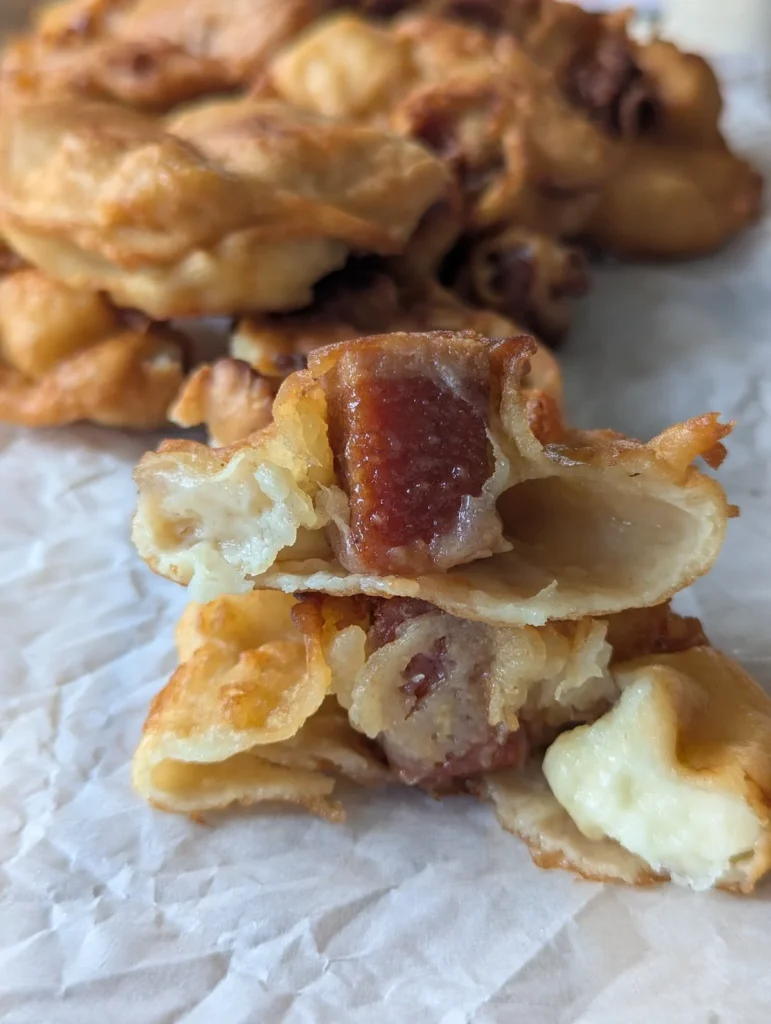
The Historical Significance of Andean Culinary Traditions
The origins of Masitas de Queso y Bocadillo are traced back to the Andean regions of Colombia, specifically the departments of Santander and Boyacá. This geography has long been characterized by a robust dairy industry and the cultivation of tropical fruits, most notably the guava. In the colonial era, the preservation of fruit became a vital necessity. The process of reducing guava pulp with sugar to create bocadillo—a dense, firm paste—was an effective method to ensure the fruit remained shelf-stable for extended periods.
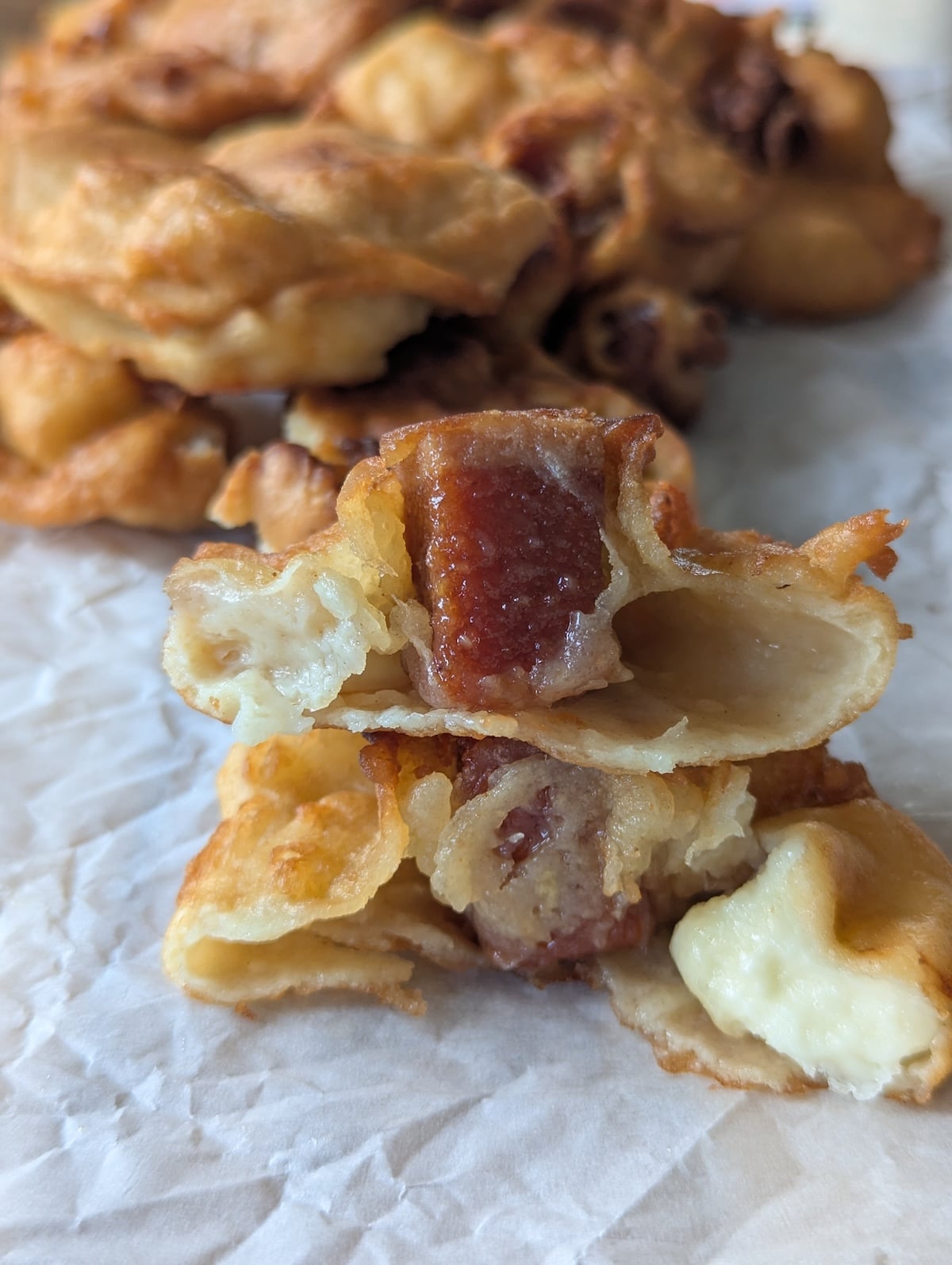
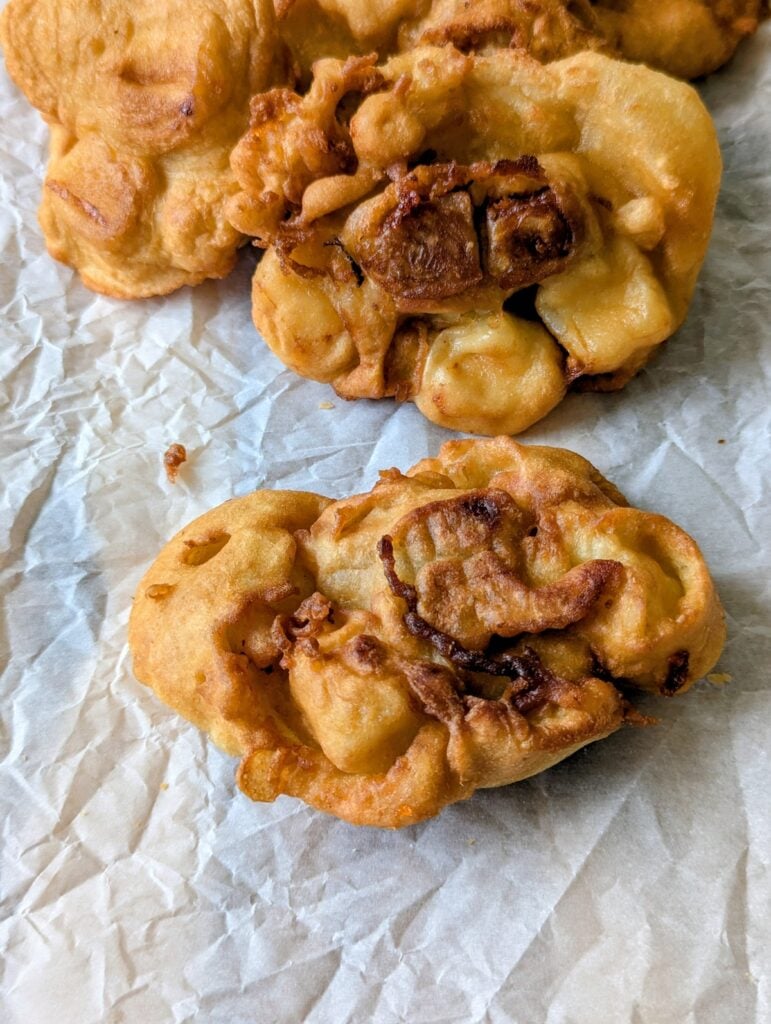
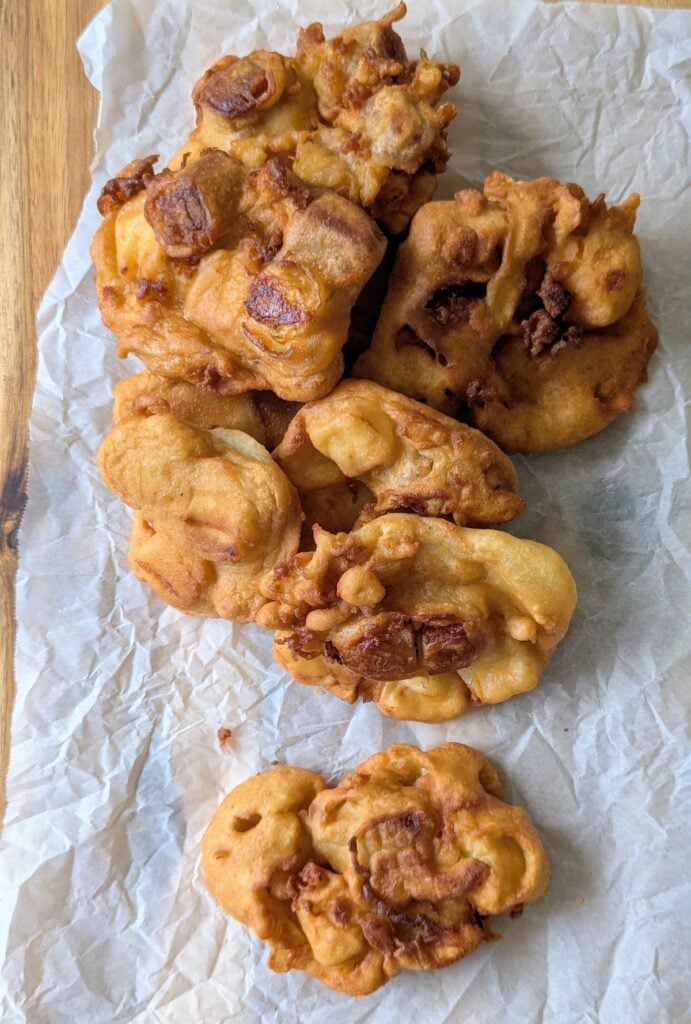
Concurrently, the introduction of European cattle led to the widespread availability of fresh cheese, which became a primary protein source for rural populations. The pairing of these two ingredients—the salty, savory notes of the cheese and the concentrated sugar content of the guava—evolved from a simple household necessity into a celebrated regional delicacy. Over generations, the refinement of the batter, which incorporates wheat flour, eggs, and occasionally leavening agents, transformed these raw components into the crispy-on-the-outside, soft-on-the-inside fritters recognized today.
The Anatomy of the Bocadillo
In international contexts, the term "bocadillo" frequently denotes a sandwich. However, in the specific lexicon of Colombian food culture, it refers almost exclusively to the guava paste. The production of authentic Colombian bocadillo is a meticulous process. Guava is harvested at peak ripeness, peeled, and boiled until the seeds are removed. The remaining pulp is then cooked with sugar over low heat for several hours. This evaporation process is critical; the moisture must be reduced until the mixture achieves a dark, translucent appearance and a firm, sliceable consistency.
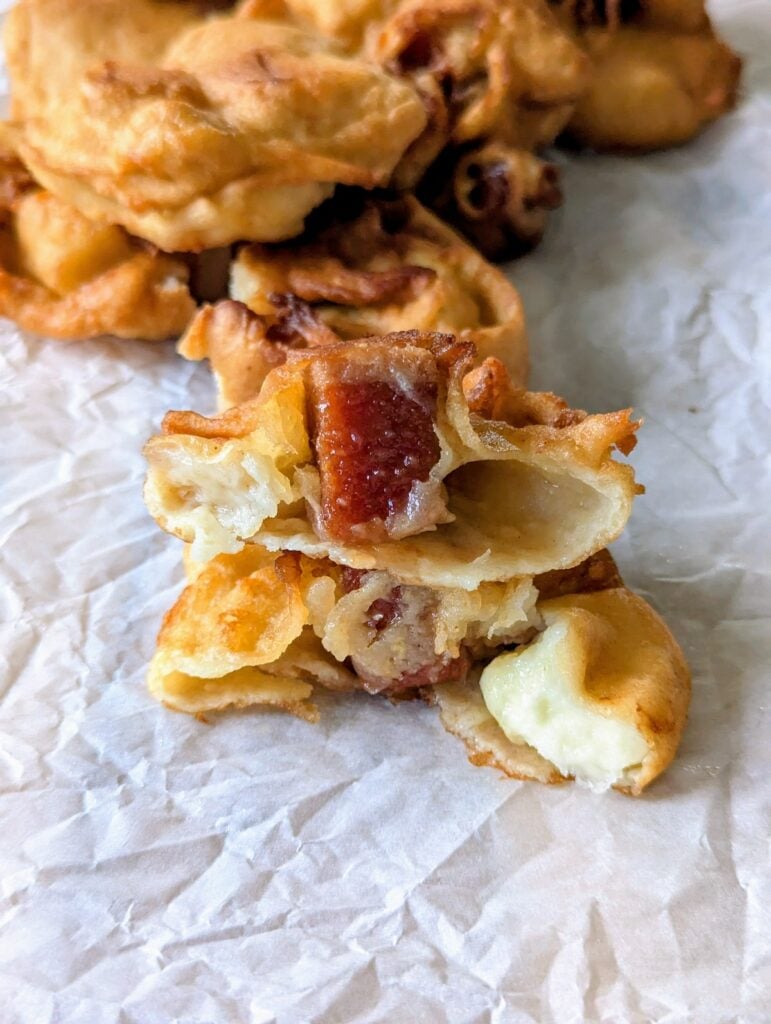
This preparation provides a concentrated source of dietary fiber and vitamin C, though in the context of a fritter, it is primarily valued for its flavor profile. The interplay between the glucose in the guava and the proteins and fats in the cheese creates a sensory experience that is highly sought after in both traditional and modern Colombian households.
Technical Composition and Ingredients
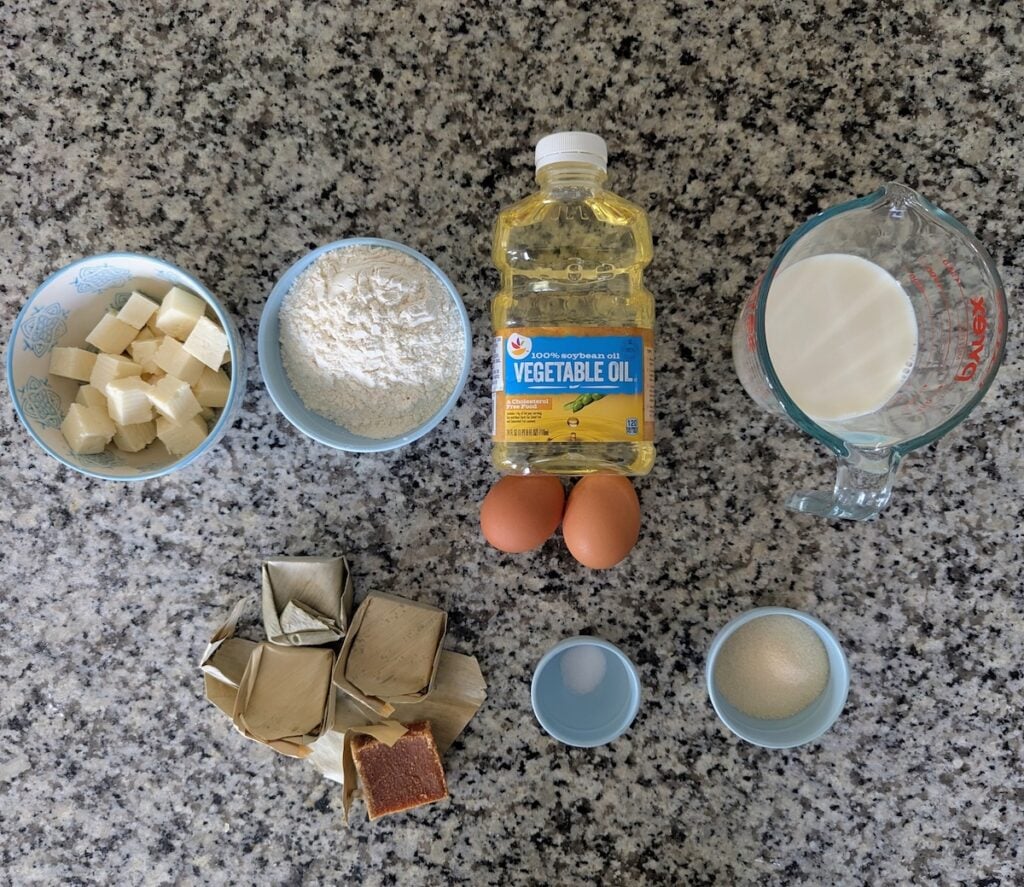
The preparation of Masitas de Queso y Bocadillo relies on a delicate balance of chemical reactions. The batter is typically composed of:
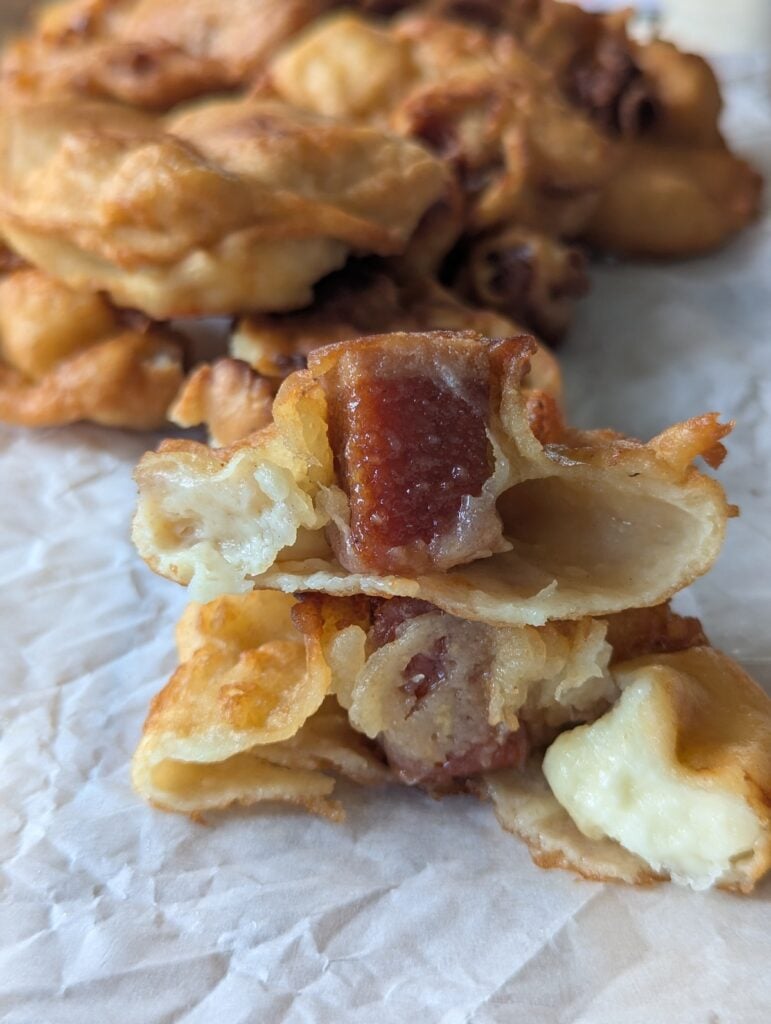
- All-purpose flour: Acts as the structural base for the fritter.
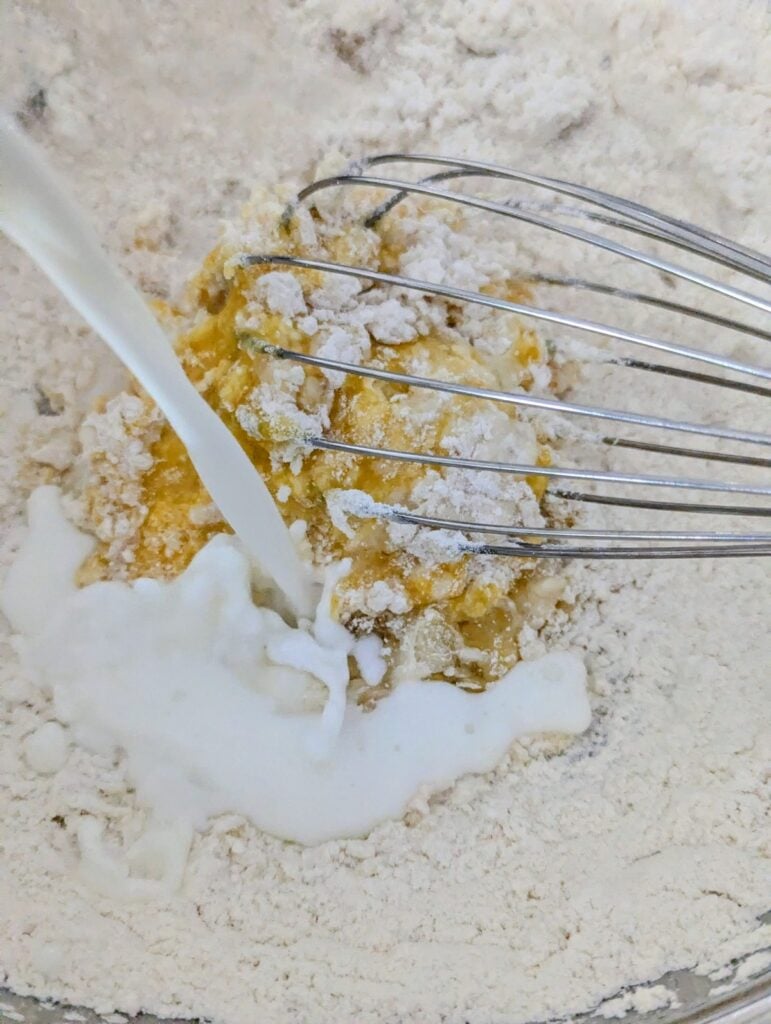
- Whole milk and eggs: Provide the necessary hydration and binding agents to ensure the batter clings to the filling during the high-heat frying process.
- Cheese: Ideally, a variety such as queso blanco or queso campesino is used. These cheeses are chosen for their ability to soften when heated without losing their structural integrity, preventing the fritter from becoming overly oily or liquid.
- Frying medium: The use of neutral vegetable oil at high temperatures (typically 350°F to 375°F) is essential. The objective is to achieve a Maillard reaction on the surface of the batter while allowing the interior to steam, ensuring the cheese melts and the bocadillo softens simultaneously.
Economic and Cultural Impact
The consumption of these fritters is not merely a matter of personal preference but a reflection of the social habits prevalent in the Colombian interior. Traditionally, the merienda (afternoon snack) serves as a vital social pause in the daily routine. Whether served in a rural farmhouse or an urban café, the presence of these snacks often signals a communal environment.
From an economic perspective, the production of bocadillo is a significant cottage industry in Colombia, particularly in the town of Vélez in the Santander department. The "Bocadillo Veleño" is protected by a Designation of Origin, ensuring that products bearing this label meet specific quality and regional standards. This institutionalization of the product underscores its importance to the regional economy and highlights how a simple snack has been elevated to a point of national pride.
Comparative Analysis: Fritter Culture in South America
When analyzing the broader landscape of Latin American street food, Masitas de Queso y Bocadillo share a lineage with other fried dough preparations like the buñuelo or the empanada. However, the distinct reliance on the fruit-cheese duality separates it from savory-only counterparts. While countries like Brazil or Argentina feature variations of fried dough, the specific inclusion of guava paste is a phenomenon largely dominated by the Colombian and Venezuelan culinary spheres.
The rise of the global "fusion" food movement has also seen these items appear in international markets, though often with modifications to the cheese types used. In the United States, for instance, home cooks often substitute traditional queso blanco with mozzarella or mild white cheddar. While these adaptations are functional, culinary experts often note that the lower moisture content of some commercial cheeses can alter the final texture, reinforcing the importance of using traditional, fresh ingredients for an authentic result.
Modern Challenges and Culinary Future
Despite their enduring popularity, the tradition of hand-making these fritters faces challenges from the rise of processed, pre-packaged snack foods. Urbanization and the decline of the "kitchen-centric" lifestyle mean that many families now opt for convenience over the time-consuming process of batter preparation and deep-frying.
However, there is a counter-trend led by younger chefs and cultural preservationists who are working to digitize and share traditional family recipes. The availability of online platforms for culinary instruction has ensured that the "how-to" knowledge regarding the exact temperature for frying and the consistency of the batter is not lost to time. Analysts suggest that this digital shift is essential for the survival of such labor-intensive traditional foods.
Nutritional Considerations
From a nutritional standpoint, the dish is calorie-dense, which aligns with its historical role as a source of energy for field workers in the Andean highlands. A single serving generally contains approximately 170 to 180 calories, with a profile consisting of moderate protein (derived from the cheese and eggs) and simple carbohydrates (from the sugar in the bocadillo and the flour). While not a staple for those on restrictive diets, the moderate portion sizes characteristic of a typical serving allow it to fit into a balanced diet as an occasional treat.
Implications for Future Generations
The preservation of recipes like Masitas de Queso y Bocadillo serves as a form of cultural stewardship. As globalized diets become increasingly homogenized, the retention of regional specialties acts as a buffer against the loss of cultural identity. By continuing to prepare these fritters—whether for a family gathering or a public event—Colombian communities maintain a tangible connection to their ancestors.
The process of teaching the next generation how to fold the dough, how to check the temperature of the oil, and how to identify the correct firmness of the cheese is a pedagogical experience that goes beyond mere cooking. It is a transmission of cultural values, patience, and appreciation for agricultural products.
Conclusion
Masitas de Queso y Bocadillo represent a perfect harmony of ingredients that have sustained the Andean population for generations. Their history is woven into the fabric of Colombia’s agricultural development, and their continued popularity serves as a testament to the timeless appeal of the sweet-and-salty flavor profile. Whether enjoyed with a steaming cup of Colombian coffee or served as an appetizer during a festive occasion, these fritters remain a vital component of the nation’s culinary narrative. As they transition into the modern era, they continue to be a source of comfort, history, and culinary excellence, proving that the simplest of ingredients, when treated with tradition and care, can achieve a status that transcends borders.





0 Komentar
Sampaikan opini dan diskusi yang membangun dengan bahasa yang santun.
No Comments Yet
Be the first to share your thoughts on this story.